
Filter By Categories
Recent Post

Check Out Our Store

Variety

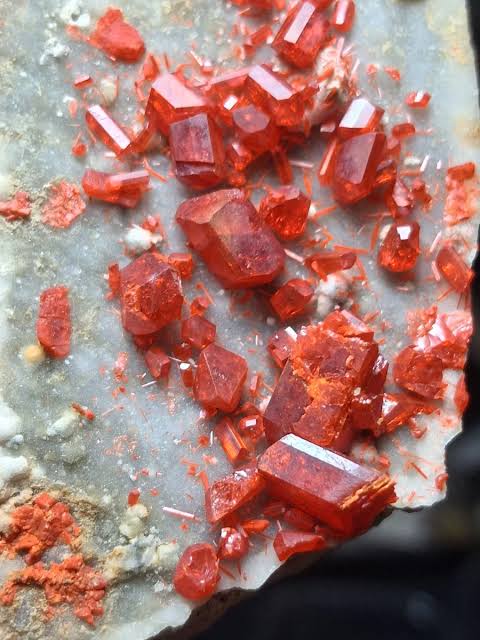
Every crystal, mineral, fossil, meteorite, and handcrafted piece is selected with purpose. Whether you’re building a museum-worthy mineral collection, searching for a meaningful gift, decorating your home with natural beauty, or beginning your journey into the world of geology, you’ll discover authentic specimens with stories worth sharing.

Over 15 shows a year throughout the Southwest.  Check to see if we are coming to a show near you!

The Role of Reiki in Crystal Energy Work
Reiki Grounded Lifestyles

Introduction: Where Reiki Meets Crystal Practice

Reiki and crystal energy work have become closely connected because both practices explore intention, awareness, balance, personal energy, and the relationship between a practitioner and the person receiving a session. In Reiki, the practitioner typically works with the hands placed lightly on or above the body while entering a trained state associated with the flow of Reiki. Crystal practitioners may hold minerals, arrange them around the body, place them near chakra locations, incorporate them into grids, or use them as focal points for meditation and energetic work. When the two practices are combined, Reiki provides the active energetic framework while crystals introduce a physical material whose color, structure, geological history, symbolism, and metaphysical associations can help shape the experience.

For many practitioners, the relationship feels natural because crystals already occupy an unusual space between the physical and metaphysical worlds. Clear quartz, for example, is a real crystalline material with an ordered atomic structure and measurable electrical and resonant properties, while metaphysical traditions associate it with clarity, amplification, and intention. Black tourmaline is an extraordinarily complex mineral group geologically, yet schorl has also become one of the most widely used stones for grounding and energetic boundaries. Rose quartz, amethyst, carnelian, sodalite, citrine, smoky quartz, and many other minerals similarly carry both geological identities and modern metaphysical associations.

Reiki brings another layer to that relationship. Practitioners traditionally understand Reiki as universal or spiritually guided life-force energy that is allowed to flow rather than forced by the practitioner. For decades, conversations about Reiki were often pushed toward one of two extremes: either the traditional energetic explanation had to be accepted as scientifically established, or the entire practice was dismissed because science had not isolated a physical field that could definitively be labeled Reiki. Neither position adequately represents the subject today.

Reiki now has a documented Japanese history, an international practitioner community, decades of clinical investigation, randomized and sham-controlled trials, systematic reviews, meta-analyses, physiological research, and growing interdisciplinary interest involving integrative medicine, biofield science, psychophysiology, electrophysiology, consciousness studies, and the study of interpersonal biological regulation. Some research has reported meaningful differences in anxiety, stress, pain, quality of life, cortisol, heart rate, and other outcomes, including studies in which Reiki has been compared with sham Reiki rather than simply with no treatment.

The mechanism remains unresolved, and that distinction matters. Science has not established exactly what practitioners describe as Reiki energy, nor has it demonstrated that Reiki can be stored inside the atomic lattice of a crystal. At the same time, an unresolved mechanism is not equivalent to an absence of evidence, particularly when measurable outcomes are being investigated across multiple disciplines.

This makes Reiki and crystal energy work an especially interesting subject for Grounded Lifestyles because it allows geology, physics, history, holistic traditions, practitioner experience, and emerging research to be examined together without requiring one discipline to erase the others. Readers who want the broader foundation for that approach can begin with our cornerstone guide, Crystal Healing: History, Science, Metaphysical Beliefs & Modern Practice, which explores how crystal traditions can be discussed seriously while maintaining a clear distinction between measurable mineral properties and metaphysical interpretations.

Reiki’s Origins in Japan

Reiki as it is practiced today is generally traced to Mikao Usui and Usui Reiki Ryōhō in early twentieth-century Japan, although the system developed within a much broader Japanese cultural and spiritual environment. Buddhism, esoteric traditions, meditation, hands-on healing practices, spiritual cultivation, folk healing, and contemporary interest in relationships among mind, body, energy, and spiritual development were already part of the environment in which Usui’s work emerged.

Early Reiki practice was also more than a sequence of hand positions applied to another person. Personal cultivation, meditation, spiritual development, ethical principles, and the condition of the practitioner were important parts of the tradition. The familiar Reiki precepts concerning anger, worry, gratitude, diligent work, and kindness reflect a system concerned not only with what happened during a treatment session but with how the practitioner approached everyday life.

After Usui, Chujiro Hayashi became an important figure in the organization and transmission of Reiki, while Hawayo Takata, a Japanese American born in Hawaii, became particularly influential in bringing the practice to Western audiences. Through Takata and the practitioners who followed her, Reiki expanded internationally and eventually developed into numerous schools and lineages.

Modern Reiki is therefore not completely uniform. Hand positions, symbols, attunement methods, terminology, meditations, teaching structures, and interpretations can vary among lineages, but the central idea of working with Reiki as a form of universal or spiritually guided life-force energy remains widely recognizable.

That traditional understanding should be represented accurately rather than rewritten simply to make Reiki fit a biomedical model. The separate scientific question is whether a measurable physical process will eventually be identified that corresponds with what Reiki practitioners describe as ki. At present, that remains unresolved.

What Reiki Research Actually Shows

The scientific conversation surrounding Reiki has changed considerably because research has moved beyond simply asking whether people enjoy a Reiki session or report feeling relaxed afterward. One of the more difficult questions is whether Reiki produces measurable effects that can be separated from quiet rest, compassionate attention, expectation, therapeutic setting, touch, relaxation, and placebo responses.

This is why sham Reiki research is particularly valuable. In these studies, participants receive an experience designed to resemble Reiki, but the comparison practitioner does not perform Reiki in the same manner as an appropriately trained Reiki practitioner. Researchers can then compare outcomes between the Reiki and sham conditions rather than assuming that every response resulted from Reiki itself.

This experimental model has limitations because an interpersonal practice cannot be blinded as easily as a medication trial. Practitioner experience, confidence, presence, movement, touch, intention, and other subtle differences can be difficult to control completely. Even with those limitations, sham-controlled research provides a much stronger test than simply comparing a Reiki session with doing nothing.

Systematic reviews of randomized placebo-controlled Reiki studies have reported effects beyond placebo for some mental-health outcomes, while newer meta-analyses have reported statistically significant pooled findings involving anxiety and quality of life. Individual controlled studies involving cardiac patients, cancer populations, intensive-care patients, surgical patients, and other groups have also reported changes involving pain, anxiety, stress, cortisol, heart rate, and related outcomes.

Not every Reiki study produces a positive result, and the research remains heterogeneous because populations, practitioner training, session length, treatment frequency, control conditions, and outcome measurements vary considerably. That variability is an argument for better and larger studies rather than for pretending that the existing research does not exist.

The evidence therefore supports a more sophisticated conclusion: Reiki has a developing research base with meaningful findings in several areas of supportive care, while its mechanisms, reproducibility, optimal protocols, and relationship to known physiological processes remain active questions.

Reiki, Anxiety, Stress, and Emotional Well-Being

Anxiety and stress have received considerable attention in Reiki research because they are both clinically meaningful and closely connected with the circumstances in which many people seek Reiki. Someone may turn to Reiki during medical treatment, grief, caregiving, a demanding life transition, prolonged stress, or simply as part of an established spiritual and self-care practice.

Meta-analytic research has reported significant overall reductions in anxiety among Reiki participants, while placebo-controlled reviews have found evidence suggesting effects beyond sham treatment for some outcomes. Individual trials have likewise reported reductions in anxiety or stress among cardiac patients, cancer patients, intensive-care populations, and other groups.

Relaxation undoubtedly contributes to the Reiki experience, but that does not necessarily explain the entire practice. Some sham-controlled findings suggest that the Reiki condition may differ from a comparison condition designed to reproduce portions of the same environment and attention, which raises questions about what additional variables may be involved.

The answer may eventually prove to be multifactorial. Practitioner state, recipient expectation, sustained attention, light touch or near-touch, interpersonal interaction, breathing, autonomic regulation, emotional context, altered states of awareness, and possible biofield effects may interact rather than operating as a single isolated mechanism.

This broader perspective also connects Reiki with the way many people use crystals during emotionally demanding periods. A stone does not need to be presented as a medical treatment to become part of a meaningful routine involving meditation, grounding, breathing, reflection, or Reiki. Our article Crystals for Emotional Balance explores that relationship more closely and examines how crystals can function as tactile and symbolic anchors alongside intentional practices.

Reiki and Pain

Pain research presents another important area because pain itself is a complex experience influenced by tissue condition, nervous-system processing, attention, fear, expectation, stress, context, prior experience, and emotional state. This makes complementary practices particularly interesting because an intervention may influence the experience of pain without necessarily changing the underlying physical cause.

Several Reiki trials have reported reductions in pain scores, including research involving surgical patients, cancer populations, and critically ill participants. Some studies have compared Reiki with sham Reiki or other relaxation approaches and still reported differences favoring Reiki.

Those findings should not be stretched into claims that Reiki repairs damaged tissue, eliminates disease, or removes the physical cause of pain. A person recovering from surgery may experience less pain, anxiety, or distress following Reiki while still requiring medication, medical monitoring, wound care, rehabilitation, or other conventional treatment.

Understanding that distinction actually strengthens Reiki’s place in complementary practice because supportive benefit does not need to become a cure claim in order to matter.

Reiki and Quality of Life

Quality of life is especially relevant to Reiki because living through illness, medical treatment, chronic stress, caregiving, grief, or recovery involves far more than laboratory values. Sleep, fatigue, anxiety, emotional strain, pain, uncertainty, social connection, and the ability to function comfortably all influence a person’s experience.

Recent meta-analytic research examining randomized Reiki trials has reported statistically significant improvements in quality of life across several populations. The individual studies used different schedules, populations, and protocols, so the findings do not establish a universal Reiki treatment formula, but they add to the evidence supporting continued investigation of Reiki as a complementary practice.

This is an important example of why the statement that there is simply “no evidence for Reiki” is no longer an adequate summary of the literature. Evidence exists, although its strength varies and significant questions remain about study quality, mechanism, replication, treatment dose, practitioner differences, and the contribution of contextual factors.

Those are exactly the questions that additional research should address.

What Sham-Controlled Reiki Studies Add

Placebo is frequently raised in discussions of Reiki, which makes controlled studies particularly important. In one randomized placebo-controlled cardiac study, participants received Reiki, sham Reiki, or a control condition while researchers assessed anxiety, cortisol, biochemical parameters, and electrocardiographic outcomes. Anxiety decreased substantially in the Reiki group, and cortisol findings also differed among conditions, while the researchers did not find significant differences in ECG measurements.

That mixture of positive and negative findings is valuable because it helps identify where an effect may be occurring rather than forcing every measurement to support the same conclusion.

More recent sham-controlled research involving mechanically ventilated intensive-care patients has reported differences favoring Reiki for pain and anxiety, together with changes in some hemodynamic measures. Research involving cancer populations has also reported reductions in pain, anxiety, or stress when Reiki was compared with sham treatment or other relaxation approaches.

None of these studies identifies the physical nature of Reiki energy, but they do make the question more complex than simply attributing every Reiki experience to imagination. When a controlled experiment produces a difference between Reiki and a carefully designed comparison condition, the appropriate scientific response is to replicate the finding and investigate the variables responsible for it.

Reiki as a Biofield Therapy

Reiki is commonly described in research as a biofield therapy, although the word biofield requires careful explanation because it can refer to overlapping but different ideas.

Living organisms unquestionably produce measurable physical phenomena. The heart and brain generate electrical activity, muscles and nerves rely on electrical signaling, cell membranes maintain electrical potentials, and biological systems generate magnetic, thermal, mechanical, chemical, and ultraweak photonic phenomena. These are established areas of physiology and biophysics.

Biofield research asks broader questions about whether spatially distributed electrical, magnetic, photonic, or other forms of biological organization may contribute to regulation and interaction across different scales of living systems. Some researchers use the term conservatively for measurable endogenous fields, while others investigate broader hypotheses involving subtle biological interactions that remain incompletely understood.

The existence of measurable biological fields does not automatically prove the Reiki concept of ki, but neither does the unresolved Reiki mechanism mean that biological field research is nonexistent. The scientifically interesting question is whether experiences described by Reiki practitioners correspond with known biological processes, involve combinations of several processes, or eventually reveal interactions that current models do not adequately explain.

Biofield Research Beyond Conventional Medical Trials

Some of the most interesting questions surrounding Reiki are being explored outside conventional clinical medicine. Researchers in electrophysiology, psychophysiology, biophysics, consciousness studies, and interpersonal regulation have begun examining whether trained biofield practitioners and recipients exhibit reproducible physiological changes during treatment conditions.

Exploratory studies using simultaneous electrophysiological recording have reported changes in practitioner EEG during biofield treatment and condition-dependent relationships between physiological signals. These findings remain preliminary and require replication, but they are valuable because they move the investigation beyond subjective questionnaires.

Researchers conducting this type of work generally do not claim that an EEG recording is a direct measurement of Reiki energy. Instead, the question is whether entering a trained biofield state reliably corresponds with measurable physiological patterns in the practitioner, recipient, or both.

That is a productive way to investigate an unresolved phenomenon because science does not need to decide in advance what Reiki must be. It can begin by asking whether reproducible observations occur and then work toward explanations.

Reiki, the Autonomic Nervous System, and the Experience of a Session

People receiving Reiki commonly describe warmth, tingling, heaviness, lightness, pulsing sensations, emotional shifts, altered breathing, deep relaxation, sleepiness, imagery, or a changed perception of time. These experiences are real as subjective experiences even when different disciplines interpret their causes differently.

A physiologist might examine autonomic activity, attention, skin temperature, touch, respiration, or stress responses, while a psychologist may examine expectation, therapeutic context, emotional processing, meaning, and interpersonal safety. Consciousness researchers may be interested in altered states of awareness, while Reiki practitioners may understand the same sensations as evidence of energetic movement or balancing.

Some Reiki studies have reported changes in heart rate, blood pressure, cortisol, anxiety, or other measures related to stress regulation. Those findings do not yet establish one universal physiological pathway, but they suggest that the experience deserves continued investigation.

Rather than forcing every observation into either a purely physiological or purely metaphysical explanation, the stronger approach is to recognize that human experience frequently involves several levels of interaction at once.

Reiki and Consciousness Research

Reiki also intersects naturally with consciousness research because the practitioner’s state of awareness and intention are central to the practice. A Reiki practitioner does not simply place the hands in prescribed positions while remaining mentally disengaged; the practitioner enters a trained state and participates intentionally in the session.

Research into meditation, attention, interpersonal synchronization, expectation, psychophysiology, social regulation, and consciousness increasingly demonstrates that human physiological states are influenced by far more than chemical interventions. Voice, touch, posture, facial expression, perceived safety, breathing patterns, attention, emotional interaction, and expectation can all influence another person’s experience and physiology.

The unanswered question is whether Reiki includes an additional interaction beyond those recognized pathways.

Current evidence does not provide a final answer, but it provides enough interesting observations to justify continued interdisciplinary investigation rather than closing the question prematurely.

Reiki Around the World

Reiki’s global presence also complicates the assumption that it exists only within private metaphysical practice. Brazil formally incorporated Reiki into its national framework for integrative and complementary practices within the Unified Health System, while some hospitals and healthcare services in other countries, including portions of the United Kingdom’s National Health Service, have offered Reiki as complementary supportive care.

Institutional use does not establish the physical mechanism of Reiki, and a hospital offering a complementary therapy should never be presented as scientific proof of that therapy’s energetic explanation. What it does demonstrate is that Reiki has entered real integrative-care environments where questions of comfort, anxiety, stress, supportive care, and quality of life matter.

This international perspective is important because Reiki has developed into a global practice with cultural, spiritual, clinical, and research dimensions that extend well beyond one particular interpretation of healing.

Where Crystals Enter Reiki Practice

Crystals were not a central component of Mikao Usui’s original Reiki system. Their widespread integration developed later as Reiki encountered Western crystal healing, chakra systems, metaphysical traditions, meditation practices, and the broader growth of modern energy work.

Today, however, the combination has become a recognizable practice of its own. A practitioner may select stones according to mineral type, color, chakra correspondence, metaphysical tradition, personal intuition, or the intention of the session. Stones may be held, positioned beside the body, placed near chakra locations, arranged around a treatment table, incorporated into a crystal grid, or used before and after the active Reiki session.

This is also where understanding the mineral itself becomes valuable. Clear quartz is not merely an “amplification stone”; it is quartz with a specific crystal structure and fascinating physical properties. Black tourmaline is not simply a “protection crystal”; most material sold under that name is schorl, an iron-rich member of the tourmaline group with its own complex geology. Learning both sides of the stone gives the practice greater depth.

Readers interested in the mineral behind one of Reiki’s most popular grounding stones can explore our Black Tourmaline Guide to Schorl and browse the Tourmaline collection for natural specimens representing this remarkably diverse mineral group.

The Science of Crystals in Reiki Practice

Crystals possess extraordinary physical properties that are well documented in geology, mineralogy, materials science, engineering, and solid-state physics. Their atoms, ions, or molecules are arranged according to ordered structures, and that organization affects how the material interacts with light, heat, electricity, mechanical stress, and electromagnetic radiation.

Quartz provides one of the clearest examples because it is both geologically abundant and technologically important. Quartz is piezoelectric, meaning mechanical deformation can produce an electrical response while an applied electric field can produce mechanical deformation. Properly engineered quartz resonators can maintain extremely stable oscillations, which is why quartz became important in watches, communications systems, sensors, electronics, and many other technologies.

The familiar 32,768 Hz watch crystal is a deliberately manufactured resonator whose orientation, dimensions, cut, and surrounding circuitry are engineered for that application. It should not be confused with the claim that every piece of natural quartz sitting on a shelf continuously broadcasts one universal 32,768 Hz healing frequency.

The same care is necessary when quartz is discussed in Reiki. Its piezoelectricity and resonance are genuine physical properties, but those properties do not establish that a natural quartz point amplifies Reiki through the same mechanism that allows an engineered resonator to stabilize an electronic circuit.

That does not require abandoning the metaphysical association. Reiki and crystal practitioners can continue to work with clear quartz as an energetic amplifier while recognizing that metaphysical amplification and electronic resonance are different claims.

Readers interested in the geology and remarkable range of this mineral can continue with Why Quartz Is King or explore natural and polished material in our Quartz collection. For a deeper examination of the physics itself, Do Crystals Have Frequency? The Science of Vibration, Resonance & Crystal Energy separates measurable crystal vibration from the different ways the word frequency is used in metaphysical traditions.

Reiki and the Concept of Coherence

The word coherence appears frequently in Reiki, physiology, biofield research, and physics, but its meaning changes depending on the discipline. In physics, coherence has specific technical meanings involving relationships among waves or oscillations, while physiological research may examine coordination among respiration, heart rhythm, neural activity, and other biological processes. Reiki practitioners often use coherence more broadly to describe a condition that feels balanced, centered, organized, or energetically harmonious.

Those definitions should not simply be substituted for one another, although they raise an interesting research question because both practitioner and recipient may enter unusual states during a Reiki session. The recipient is often still and receiving sustained attention while the practitioner enters a trained state involving intention, concentration, and the Reiki practice itself.

Whether those conditions produce measurable interpersonal synchronization, physiological coupling, or some additional biofield interaction remains an area for investigation. The question becomes particularly interesting when researchers can simultaneously measure practitioner and recipient rather than studying only one side of the interaction.

What Does It Mean to Charge a Crystal With Reiki?

Within Reiki crystal practice, charging a crystal generally means intentionally offering Reiki to the stone so that it becomes associated with, carries, or amplifies the energetic intention of the session. Practitioners may describe the resulting stone as Reiki-charged, Reiki-infused, programmed, energized, or attuned to a particular intention.

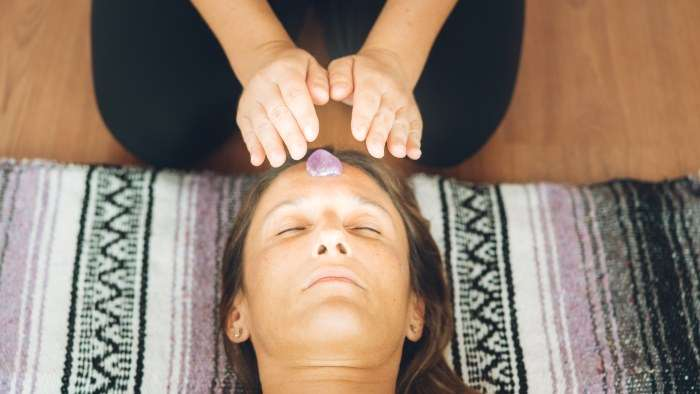
A practitioner might hold the stone between the palms, place the hands above it, enter the Reiki state, work with symbols according to their lineage and level of training, visualize energetic flow, and remain with the practice until it feels complete.

Science has not demonstrated that Reiki charging permanently changes a crystal’s atomic lattice or stores Reiki through the same mechanism by which an electronic device stores digital information. The practice nevertheless has significance within Reiki because charging deliberately connects the practitioner, the stone, and the intention.

When that stone is later carried, held during meditation, placed beside the bed, incorporated into a grid, or returned to during another Reiki session, it provides continuity with the original practice. A Reiki practitioner may understand that continuity energetically, while psychology and ritual studies can also recognize the importance of association, memory, intention, symbolism, and repeated interaction with meaningful objects.

These interpretations do not have to eliminate one another.

The concept also relates to other ways people combine crystals with intentional practices. Our guide to Crystal-Infused Essential Oil Rollers explores another modern practice in which crystals become part of a repeated personal ritual, while carefully separating mineral safety, aromatherapy, and metaphysical interpretation.

How to Reiki-Charge a Crystal

Reiki charging does not need to become complicated because Reiki itself should remain the center of the practice. Begin with a stone whose identity you know and whose traditional association or personal meaning fits the intention, then settle into the Reiki practice according to your training rather than trying to force a particular sensation from the crystal.

Hold the stone comfortably between the palms or position the hands above it while allowing Reiki to flow. Practitioners trained in Reiki II or later levels may incorporate symbols such as Cho Ku Rei, Sei He Ki, or Hon Sha Ze Shō Nen when appropriate within their lineage, although symbol use and interpretation can vary among Reiki schools.

The intention can remain clear without becoming rigid. Grounding, compassion, communication, clarity, courage, peaceful sleep, spiritual development, emotional reflection, or another personally meaningful focus may be held while allowing the Reiki process to unfold naturally.

For this type of practice, smooth tumbled stones are particularly useful because they fit comfortably between the palms and can easily be carried afterward. Quartz, amethyst, jasper, agate, fluorite, and many other polished materials also allow practitioners to choose a stone whose appearance, mineral identity, and metaphysical association fit the purpose of the session.

When the Reiki practice feels complete, the stone can be carried, placed somewhere meaningful, incorporated into meditation, positioned within a grid, or given to another person when appropriate. The purpose is not to prove that the mineral has become an electronic storage device but to allow the crystal to continue participating in the energetic and intentional practice.

Reiki-Charged Tumbled Stones as Daily Tools

One of the most practical ways to extend Reiki beyond the active session is through a small polished stone that can remain part of everyday life. Tumbled stones are especially well suited to this because their smooth surfaces make them comfortable to hold during Reiki and easy to keep in a pocket, purse, desk, meditation space, or beside the bed.

A practitioner might Reiki-charge black tourmaline or smoky quartz while focusing on grounding, rose quartz during a session centered on compassion, Blue Lace Agate when communication is the focus, or clear quartz when clarity and intention are central to the practice. The stone can then be handled later as a way of reconnecting with the original session.

Within Reiki tradition, practitioners may understand the stone as continuing to hold or carry the energetic intention. From a behavioral and psychological perspective, the physical object also creates a strong association between the present moment and the state established during Reiki.

This is one reason tumbled stones make such an effective bridge between the Grounded Lifestyles educational material and the actual minerals used in personal practice. They are accessible to beginners, easy to identify and collect, comfortable to handle, and versatile enough for Reiki, meditation, chakra layouts, crystal grids, pocket stones, and display.

Reiki, Chakras, and the Laying on of Stones

Modern Reiki crystal practice frequently overlaps with chakra work even though Reiki and South Asian chakra traditions have different historical origins. A practitioner may position stones near the familiar seven chakra locations and then perform Reiki through or around the layout, combining Reiki’s energetic framework with modern crystal correspondences.

Black tourmaline or red jasper may be selected for Root Chakra work, carnelian for the Sacral, citrine or yellow calcite for the Solar Plexus, rose quartz or green aventurine for the Heart, Blue Lace Agate or aquamarine for the Throat, amethyst for the Third Eye, and clear quartz for the Crown. These pairings belong primarily to modern crystal-healing traditions rather than to one ancient standardized gemstone system.

For body placement, tumbled stones are often particularly practical because they rest comfortably on or near the body. Crystal points can be incorporated when a practitioner wants a more directional form, while crystal wands are commonly chosen in contemporary practice when the practitioner wants to work around the body rather than leave the stone stationary.

Our Chakra Alignment with Crystals: A Practical, Historical Guide explores how laying-on-of-stones practices developed and distinguishes older chakra traditions from modern crystal correspondences. Readers who want a more detailed reference for individual chakra themes and stones can also continue with Chakras and Corresponding Crystals.

Reiki and the Aura

Reiki also overlaps strongly with aura and Human Energy Field traditions because many practitioners describe working not only with the physical body but with an energetic field extending through and around the person. Depending on the Reiki lineage or complementary system being used, practitioners may connect this field with chakras, emotional states, spiritual development, energetic boundaries, or different layers of subtle experience.

Scientific research has not established the full multilayered metaphysical aura described by modern energy-healing systems, but the scientific picture is more interesting than simply saying that no fields exist around the body. Human beings produce measurable electrical, magnetic, thermal, mechanical, chemical, and ultraweak photonic phenomena, while biofield researchers continue exploring whether broader spatially distributed processes participate in biological regulation and interaction.

Our Aura & Chakras: Understanding Your Body’s Energy System explores this subject in considerably greater depth, including electrophysiology, ultraweak photon emission, biofield research, Kirlian photography, chakra traditions, modern aura models, and the important distinction between measurable biological phenomena and metaphysical interpretations.

Reiki and Grounding Stones

Grounding is one of the most common themes in modern Reiki crystal work, particularly at the beginning or end of a session. Practitioners may use grounding to describe returning attention to the body, feeling stable after an intense experience, establishing energetic boundaries, or reconnecting with ordinary surroundings before leaving the treatment space.

Black tourmaline, smoky quartz, hematite, and red jasper are among the stones commonly used for this purpose. Black tourmaline is particularly popular in Reiki because practitioners frequently associate it with protection, boundaries, and grounding, while its dark appearance and substantial physical presence make it a strong sensory anchor.

Someone building a Reiki collection can explore natural Tourmaline specimens or read the Black Tourmaline Guide to Schorl to understand the actual mineral behind one of modern energy work’s most familiar stones.

The geological knowledge does not interfere with the metaphysical practice. Knowing that schorl is an iron-rich tourmaline with a complex borosilicate structure adds another layer to the object being used rather than reducing it to a generic black “protection stone.”

Clear Quartz in Reiki Practice

Few minerals are as closely associated with modern energy work as clear quartz. Reiki practitioners may hold quartz during a session, position points around the body, incorporate it into chakra layouts, place it at the center of a crystal grid, or charge it with a particular intention.

The metaphysical language surrounding quartz commonly includes amplification, clarity, programming, direction, and energetic focus. These ideas belong to modern crystal traditions and should be presented as such, but quartz also has enough genuine physical complexity that it deserves to be understood beyond metaphysical terminology.

Its ordered structure, piezoelectric response, optical properties, hardness, crystal habits, inclusions, growth patterns, and technological importance make quartz one of the most fascinating mineral families for collectors as well as practitioners.

Readers interested in the actual mineral can explore our Quartz collection, while Why Quartz Is King examines why quartz has become so important across geology, collecting, technology, lapidary, and crystal culture.

Crystal Points, Wands, and Directional Reiki Work

The physical form of a crystal can become part of the symbolism of Reiki practice. A natural or polished point has a visually directional termination, which is why crystal traditions often interpret points as tools for focusing or directing intention. Wands extend that idea by providing a form that can be moved deliberately through or around the treatment space.

There is no established physical evidence showing that a quartz point projects a therapeutic Reiki beam from its termination, but the shape can still provide meaningful structure within the energetic practice. A practitioner may use the termination to represent movement toward or away from an area, trace the perimeter of the body without touching it, or incorporate points into a geometric crystal grid.

Grounded Lifestyles carries Crystal Points for collectors, meditation spaces, grids, and personal practice, while our Crystal Wands provide another option for practitioners who prefer a handheld form for intentional or directional work.

Using these tools thoughtfully means recognizing that their energetic role belongs to the Reiki and crystal-healing framework while their physical structure remains a property of the mineral or crafted object itself.

Reiki and Crystal Grids

Crystal grids provide another natural meeting point between Reiki and crystal practice because both systems place substantial importance on intention and organization. A practitioner may arrange stones according to geometry, mineral correspondence, chakra symbolism, or a particular purpose and then offer Reiki to the entire arrangement.

Clear quartz points are particularly common because modern crystal traditions associate their terminations with directing and amplifying intention. Other stones may be selected according to the theme of the grid, with rose quartz or green stones used for compassion, black tourmaline or smoky quartz for grounding, and amethyst or clear quartz for contemplative or spiritual work.

Within metaphysical practice, the completed grid may be understood as holding or radiating the intention after the active Reiki session has ended. From another perspective, the arrangement creates a lasting visual and physical representation of a purpose that can be revisited repeatedly.

A combination of tumbled stones and crystal points makes it possible to build grids with different textures, colors, mineral correspondences, and directional forms without requiring large specimens.

For readers who want to go further than the article, the Grounded Lifestyles Free Crystal & Mineral E-Book Library includes additional educational material on crystal grids, crystal care, energy practices, mineral formation, and collecting.

Reiki and Energetic Crystal Cleansing

One practical advantage of Reiki is that it does not require exposing a mineral to potentially damaging substances or environments. Crystal culture includes many cleansing traditions involving water, salt, sunlight, smoke, soil, oils, moonlight, sound, or other methods, but minerals vary dramatically in their physical properties and should not all be treated alike.

Some materials can fade under prolonged strong light, others are soft or easily scratched, and certain minerals should not be casually immersed in water or exposed to salts, acids, oils, or cleaning products. Reiki requires no abrasion, immersion, chemicals, or intense light, which makes it one of the least physically invasive energetic practices for a mineral collection.

Energetic cleansing and physical cleaning should nevertheless remain distinct. Reiki does not remove fingerprints, dust, oils, oxidation, or mineral deposits, just as smoke cleansing does not physically sanitize a specimen.

Practitioners who combine Reiki with smoke-cleansing traditions can explore The Power of Burning Sage: Space Clearing, Energy Cleansing & Spiritual Renewal, which examines spiritual smoke cleansing while also addressing cultural context and practical smoke considerations. Our Free Crystal & Mineral E-Book Library provides additional resources for readers who want to learn more about caring for both the physical mineral and its place within personal energy practices.

Reiki and Crystal-Infused Personal Rituals

Not every Reiki practice needs to happen on a treatment table. One reason crystals work so naturally with Reiki is that they can move with the person afterward, allowing the intention established during a session to become part of ordinary routines.

A Reiki-charged stone might remain on a desk during work, travel in a pocket, sit beside a meditation area, become part of a bedside routine, or be incorporated into another intentional object. Some people use gemstone jewelry for the same reason, while others prefer rollers, grids, wands, or loose stones.

Our article on Crystal-Infused Essential Oil Rollers explores one example of this crossover between crystal symbolism and repeated personal ritual. Readers who prefer the simplicity of carrying the mineral itself can browse Tumbled Stones, while those who prefer wearable pieces can explore Crystal & Gemstone Jewelry.

The value of these objects does not have to depend on making a medical claim. They can become meaningful reminders of a Reiki session, a spiritual intention, a meditation practice, or a quality someone is deliberately trying to cultivate.

Distance Reiki and Crystals

Distance Reiki is one of the most intriguing and scientifically challenging aspects of the tradition because practitioners maintain that Reiki can be offered without physical proximity. Within Reiki II and later practice, Hon Sha Ze Shō Nen is commonly associated with distance work, although teaching and terminology can vary among lineages.

Crystals may be incorporated into a distance session as focal objects. A practitioner might hold a stone, position it within a grid, associate it with the recipient or intention, and conduct the session according to the methods learned through their Reiki training.

From a research perspective, distance Reiki is particularly interesting because ordinary explanations involving direct touch, warmth, facial expression, eye contact, and immediate interpersonal presence become less applicable when practitioner and recipient are geographically separated.

Research into distant biofield interaction remains less developed and more controversial than the literature surrounding in-person Reiki. That uncertainty should encourage especially careful experimental design rather than either automatic acceptance or automatic dismissal.

Reiki, Intention, and the Question of Information

One of the deeper questions raised by Reiki concerns whether intention can influence another biological system through mechanisms that are not yet completely understood. This question extends well beyond Reiki and appears in consciousness research, meditation studies, psychophysiology, interpersonal synchronization, placebo research, social neuroscience, biofield science, and studies of human interaction.

Human beings unquestionably influence one another through recognized pathways involving voice, touch, facial expression, posture, breathing, emotional cues, expectation, perceived safety, and social interaction. The unresolved question is whether Reiki involves an additional form of interaction beyond those known pathways.

Current research does not provide a definitive answer, but the combination of clinical findings, practitioner experiences, sham-controlled results, physiological observations, and exploratory biofield studies provides enough substance to justify continued investigation.

The existence of unanswered questions is not a weakness in science. It is the reason research continues.

Why Mechanism and Outcome Are Different Questions

One of the most important principles for understanding Reiki is that observing an effect and identifying its mechanism are separate scientific tasks. Researchers can examine whether Reiki is associated with changes in anxiety, pain, cortisol, heart rate, stress, sleep, or quality of life before they know precisely why those changes occur.

The history of science contains many examples in which an observation preceded a complete explanation, although that does not mean every unexplained therapy eventually has its original mechanism confirmed. Some proposed mechanisms are strengthened by later evidence, some are modified, and others are abandoned.

For Reiki, the appropriate approach is therefore to examine evidence at the level at which it exists. A significant anxiety reduction in a controlled trial deserves investigation, while a cortisol change deserves replication and a difference between Reiki and sham Reiki deserves closer examination of what distinguished the conditions.

Those findings do not automatically prove every traditional energetic explanation, but uncertainty about mechanism does not erase the observation.

Reiki as Complementary Care

The growing evidence around Reiki should not be used to transform it into something the research does not support. Reiki should not replace antibiotics, surgery, cancer treatment, psychiatric care, emergency medicine, necessary medication, or professional diagnosis, and practitioners should not promise that Reiki eliminates tumors, cures infections, repairs fractures, or guarantees recovery from disease.

The strongest developing evidence concerns supportive outcomes such as anxiety, stress, pain, relaxation, comfort, emotional well-being, and quality of life, particularly when Reiki is used alongside conventional care.

That complementary role is also consistent with the way Reiki appears in many integrative healthcare environments internationally. Supporting a person’s comfort, stress level, emotional experience, or quality of life during a difficult period can be meaningful without requiring the practice to replace medicine.

Bringing Reiki Into a Grounded Lifestyle

Reiki does not have to remain confined to formal treatment sessions. Many of the principles that practitioners value—intentional attention, quiet reflection, gratitude, compassion, awareness, and making space to reconnect with oneself—can become part of everyday routines.

A Reiki-charged stone on a desk can mark the transition into focused work, while a tumbled stone held during a few quiet minutes can reconnect someone with an intention established earlier. A crystal grid can remain in a meditation area, while a piece of jewelry can carry personal symbolism into daily life.

This is where Reiki connects naturally with the broader idea of What Is a Grounded Lifestyle?. A grounded lifestyle does not require choosing between science and spirituality; it can involve understanding the physical world, respecting evidence, appreciating meaningful traditions, spending time with natural materials, and deliberately creating routines and surroundings that support reflection and connection.

Crystals fit particularly well into that philosophy because they bring something tangible into an otherwise intangible practice. A stone can be studied as geology, collected for its beauty, used symbolically during Reiki, displayed at home, carried as a reminder, or appreciated in several of those ways simultaneously.

Frequently Asked Questions About Reiki and Crystal Energy Work

Is Reiki scientifically proven?

Reiki has a growing research base that includes randomized controlled trials, sham-controlled studies, systematic reviews, meta-analyses, physiological measurements, and research involving several clinical populations. Studies have reported beneficial outcomes involving anxiety, stress, pain, quality of life, and other supportive measures, although results are not uniform and individual study quality varies. The physical mechanism proposed within Reiki traditions has not yet been conclusively identified, making it most accurate to describe Reiki as having a developing evidence base with meaningful findings and an unresolved mechanism.

Is Reiki only a placebo?

Current evidence does not justify stating as settled fact that Reiki is nothing more than placebo. Some randomized studies comparing Reiki with sham Reiki have reported differences favoring Reiki, while systematic reviews of placebo-controlled trials have found evidence suggesting effects beyond placebo for certain outcomes. Expectation, relaxation, therapeutic context, attention, touch, and interpersonal interaction may still contribute substantially to a Reiki session, but current research has not established that those factors explain every observed effect.

Has Reiki been studied in hospitals?

Reiki has been studied among cardiac patients, cancer patients, surgical populations, critically ill patients, and other groups, while some hospitals also offer Reiki as complementary supportive care. Research in these settings generally focuses on outcomes such as pain, anxiety, stress, comfort, relaxation, and quality of life rather than claiming that Reiki treats the underlying disease itself.

Is Reiki used by national healthcare systems?

Reiki has been incorporated into some formal integrative-health settings internationally, including Brazil’s national framework for integrative and complementary practices, while some hospital services in other countries have offered Reiki as supportive care. Institutional use does not establish the energetic mechanism of Reiki, but it demonstrates that the practice has moved beyond purely private or metaphysical environments.

Is Reiki an ancient Japanese practice?

Reiki as the recognizable modern system developed in Japan during the early twentieth century through Mikao Usui and was later shaped and transmitted by figures including Chujiro Hayashi and Hawayo Takata. It developed within a broader Japanese environment that included Buddhist influences, meditation, spiritual cultivation, hands-on healing, and contemporary ideas about mind, body, and energy.

What is Reiki energy?

Within Reiki traditions, Reiki is generally described as universal or spiritually guided life-force energy that flows through the practitioner rather than being created through personal force. Science has not yet identified a specific measurable physical field that can conclusively be labeled Reiki energy, so the traditional energetic understanding and the scientific investigation of mechanism remain related but distinct questions.

Is there scientific evidence for human biofields?

Living organisms unquestionably generate measurable electrical, magnetic, thermal, chemical, mechanical, and ultraweak photonic phenomena. Biofield research examines broader questions about whether spatially distributed biological fields contribute to regulation or interaction across living systems. Whether the subtle field described by Reiki practitioners corresponds directly with one or more known measurable biological fields remains unresolved.

Can Reiki affect the nervous system?

Some Reiki studies have reported changes involving heart rate, blood pressure, cortisol, anxiety, relaxation, or other measures associated with stress regulation and autonomic activity. These findings support further research into psychophysiological and autonomic mechanisms, although one definitive pathway has not yet been established.

Does Reiki work better than sham Reiki?

Some controlled studies have reported outcomes favoring Reiki over sham Reiki, while the overall literature remains variable. Reviews of placebo-controlled Reiki research have reported evidence of effects beyond placebo for some outcomes, but larger and more consistently designed trials remain important.

Can Reiki cure disease?

Current research does not support presenting Reiki as a cure for cancer, infection, cardiovascular disease, psychiatric illness, or other medical conditions. Its strongest developing evidence concerns supportive outcomes such as relaxation, stress, anxiety, pain, comfort, and quality of life.

Can Reiki be used with conventional medicine?

Reiki is commonly used as a complementary practice alongside conventional treatment, which is also how it appears in many integrative-care environments. It should not be used as a reason to discontinue medication, delay diagnosis, or refuse medically necessary care.

Do crystals really have frequencies?

Crystalline materials have genuine vibrational modes, while engineered crystals can resonate at precisely measurable frequencies under appropriate conditions. That established physics does not automatically demonstrate the separate metaphysical claim that individual stones broadcast specific therapeutic frequencies into the human body. Our article Do Crystals Have Frequency? examines this distinction in detail.

Does quartz prove that Reiki energy exists?

Quartz piezoelectricity, resonance, and frequency stability are established physical properties, but they do not constitute proof of Reiki energy. Reiki deserves to be evaluated through Reiki and biofield research rather than borrowing scientific credibility indirectly from quartz technology.

Can Reiki charge a crystal?

Within Reiki practice, charging crystals is well established. Practitioners commonly offer Reiki to a stone and describe the resulting crystal as charged, infused, programmed, or energized. Science has not demonstrated that this process permanently alters the crystal lattice or stores Reiki through the same mechanism used by electronic devices, but the practice remains an important part of contemporary Reiki crystal work.

What are the best crystals for Reiki?

Clear quartz, amethyst, rose quartz, black tourmaline, smoky quartz, citrine, carnelian, Blue Lace Agate, and many other stones are commonly incorporated into Reiki according to intention, chakra correspondence, metaphysical tradition, personal experience, or intuition. There is no scientifically established mineral that is universally best for Reiki. Practitioners who want stones that are comfortable to hold, carry, or place during a session may find tumbled stones particularly practical.

Does clear quartz amplify Reiki?

Clear quartz is widely regarded as an energetic amplifier within modern Reiki and crystal traditions. Quartz also possesses genuine piezoelectric and resonant properties, but those physical characteristics do not establish that a natural quartz crystal amplifies Reiki through the same mechanism. The metaphysical and physical meanings of amplification should therefore be understood separately.

Can Reiki be combined with chakra alignment?

Reiki and chakra work are frequently combined in contemporary practice by positioning stones near chakra locations and then conducting Reiki through or around the arrangement. Readers interested in trying this approach can use smooth tumbled stones for comfortable placement and explore our Chakra Alignment with Crystals guide for the history and practical structure of the method.

Are crystal points or wands better for Reiki?

Neither is universally better because they serve different purposes within modern practice. Crystal points are commonly incorporated into grids and stationary layouts, while crystal wands provide a handheld form that some practitioners prefer when working directionally around the body. These uses belong to energetic tradition rather than a scientifically demonstrated projection of Reiki from the crystal.

Can Reiki be sent over distance?

Distance Reiki is an established practice within many Reiki lineages, particularly from Reiki II onward. Its proposed mechanism remains scientifically unresolved, while research involving distant biofield effects remains less developed and more controversial than research involving in-person Reiki.

Is Reiki charging safer than cleansing crystals with water or salt?

From a mineral-care perspective, Reiki is one of the least physically invasive energetic methods because it requires no water, salt, chemicals, abrasion, oils, or strong sunlight. That makes it particularly useful for fragile or sensitive specimens, although Reiki should still be distinguished from physical cleaning when a mineral actually needs dust, residue, or oils removed.

Do you have to believe in Reiki for it to work?

This remains an important research question. Sham-controlled studies reporting differences between Reiki and comparison conditions suggest that expectation alone may not account for every observed result, although belief, therapeutic context, attention, expectation, relaxation, and interpersonal interaction can all influence human responses. Additional controlled research is needed to determine how these components interact.

Why do people feel heat or tingling during Reiki?

Warmth, tingling, heaviness, lightness, pulsing, emotional changes, deep relaxation, imagery, and altered perceptions of time are commonly reported during Reiki sessions. Several mechanisms may contribute, including ordinary heat transfer, heightened awareness of bodily sensations, autonomic changes, touch, relaxation, expectation, altered attention, and what Reiki practitioners understand as energetic movement. Research has not yet established one explanation capable of accounting for every reported experience.

Can I use the same crystal for different Reiki intentions?

Yes. Modern crystal practice does not require a separate mineral for every intention, and clear quartz in particular is frequently used across many different types of Reiki work. Some practitioners prefer dedicating particular stones to specific purposes, while others cleanse or Reiki-charge the same stone again when their intention changes.

Where can I learn more about crystal grids, crystal care, and energy work?

The Grounded Lifestyles Free Crystal & Mineral E-Book Library provides additional educational resources covering crystal care, energy practices, crystal grids, mineral formation, collecting, and related subjects. It is a useful next step for readers who want practical material that extends beyond a single article.

Is Reiki religious?

Reiki developed within a Japanese cultural and spiritual environment and includes concepts that many practitioners understand spiritually, but modern Reiki is practiced by people from many religions as well as by people who do not identify with a particular faith. Participation generally does not require adherence to one religious tradition.

Conclusion: Reiki, Crystals, Science, and the Value of Continuing the Question

Reiki has reached a point where reducing it either to unquestioned energetic certainty or to meaningless pseudoscience fails to represent the breadth of information now available. Its historical development can be traced through early twentieth-century Japan and the work of Mikao Usui, Chujiro Hayashi, Hawayo Takata, and the lineages that followed, while its modern practice has spread internationally and entered private practices, spiritual communities, integrative-health environments, and research settings.

The scientific literature has also become more substantial. Randomized trials, sham-controlled studies, systematic reviews, meta-analyses, physiological measurements, qualitative research, and exploratory biofield studies have reported findings involving anxiety, stress, pain, quality of life, cortisol, heart rate, and other outcomes. The research is not uniform and the physical mechanism remains unresolved, but uncertainty about mechanism should not be confused with absence of evidence.

Crystal energy work adds another dimension because the stones themselves bring real geology, mineral structure, optical characteristics, physical properties, cultural history, and metaphysical symbolism into the practice. Quartz resonance and piezoelectricity should not be used as proof that Reiki exists, but neither does a crystal need to be reduced to a meaningless prop simply because its energetic role has not been measured in a laboratory. Within Reiki practice, a mineral can simultaneously be a geological specimen, a tactile object, a symbol, an intentional focal point, and, according to the practitioner’s energetic framework, a participant in the session.

That layered approach is central to the philosophy behind Grounded Lifestyles. Science should describe what can currently be measured, history should accurately represent where practices originated, and metaphysical traditions should be allowed to explain how practitioners understand and experience their work. Where those perspectives overlap, the connections deserve investigation, while areas that remain unresolved should be identified as open questions rather than forced prematurely into certainty or dismissal.

If Reiki is part of your own crystal practice, you can continue exploring the subject through Crystal Healing: History, Science, Metaphysical Beliefs & Modern Practice, Aura & Chakras: Understanding Your Body’s Energy System, Chakra Alignment with Crystals, Chakras and Corresponding Crystals, and Do Crystals Have Frequency?. Together, these articles explore Reiki, chakras, aura traditions, crystal physics, metaphysical beliefs, and the developing research surrounding human energy practices from several different perspectives.

For practical use, our Tumbled Stone collection offers smooth polished stones suited to carrying, meditation, Reiki charging, chakra layouts, and crystal grids, while Crystal Points, Crystal Wands, Quartz, and Tourmaline provide additional options for building a practice around the minerals and forms that have meaning for you.

The Grounded Lifestyles Free Crystal & Mineral E-Book Library takes that learning further with guides covering crystal care, crystal energy, grids, mineral formation, collecting, and other subjects designed to help you understand both the specimens themselves and the many ways people choose to work with them.

Reiki deserves serious interdisciplinary investigation precisely because its questions are not simple. Clinical outcomes, practitioner experiences, biofield models, physiological observations, consciousness research, global traditions, and the continued use of Reiki in complementary settings all contribute pieces to a much larger picture. Future research may strengthen some explanations, modify others, and reveal relationships that are not yet understood, but that is exactly why Reiki remains worth studying rather than forcing the subject into a conclusion before the evidence has finished developing.

Grounded Collectors Club

Enjoy collecting? Join the Grounded Collectors Club for free and receive collector stories, estate collection updates, educational resources, and member-only offers.

Bring the Beauty of Earth Home

Explore our curated collection of crystals, gemstones, meteorites, and tektites in the Grounded Lifestyles online store.
Picture of Grounded Lifestyles

Grounded Lifestyles

At Grounded Lifestyles, our love for crystals began in the peaceful flow of Reiki and energy healing sessions — where we saw how natural stones could amplify intentions, restore balance, and bring comfort. But the more time we spent with these treasures, the more curious we became about their origins. That curiosity led us into the fascinating world of geology and mineral specimen collecting. We fell in love not just with the energy of crystals, but with the science and artistry of their creation — the intricate crystal structures, the vibrant mineral hues, and the wonder of holding a piece of Earth’s history in our hands.
All Posts