Tourmaline

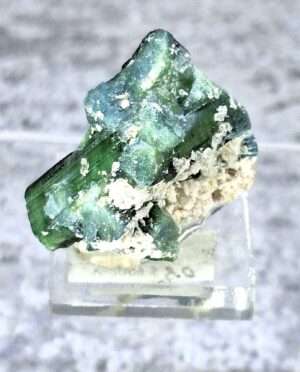
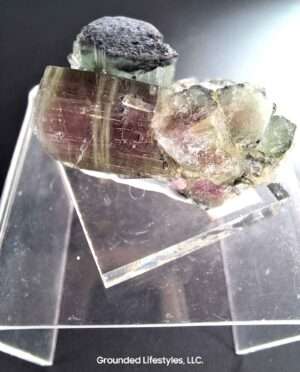
Tourmaline is one of the most diverse and visually striking mineral groups, prized for its remarkable range of colors, distinctive crystal formations, and importance to both mineral collectors and the gemstone world. Tourmaline can occur in black, green, pink, red, blue, yellow, brown, and multicolored crystals, sometimes displaying dramatic color zoning within a single specimen.

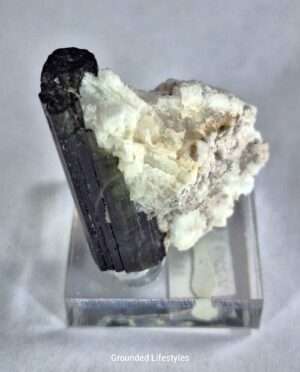
Rather than being one mineral, tourmaline is a group of closely related borosilicate minerals with complex chemical compositions. Variations in chemistry produce different tourmaline species and contribute to the extraordinary colors for which the group is known. Crystals commonly form as elongated prisms with characteristic vertical striations and may occur as individual crystals, clusters, inclusions, or crystals attached to matrix.

Important varieties and collector terms include black schorl, green tourmaline, blue indicolite, pink to red rubellite, and watermelon tourmaline with contrasting pink and green color zones. Tourmaline is found in many parts of the world, with notable deposits in Brazil, Afghanistan, Pakistan, Madagascar, Mozambique, Namibia, the United States, and other mineral-producing regions.

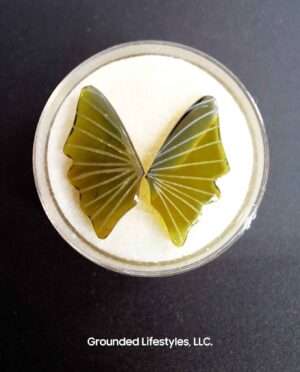
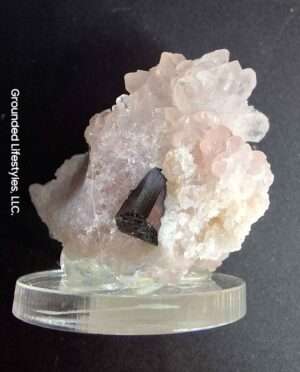
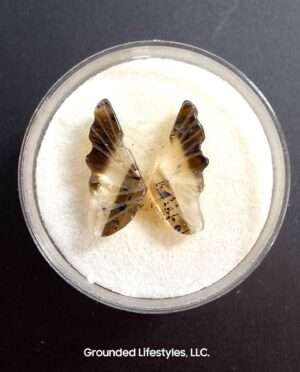
Our Tourmaline collection may include natural mineral specimens, crystals on matrix, multicolored and zoned crystals, tourmaline associated with quartz and feldspar, polished material, slices, carvings, and other collector pieces. Inventory changes as individual specimens and new collections become available.

  • Mineral Group: Tourmaline
  • Mineral Class: Cyclosilicates
  • Composition: Complex borosilicate minerals with varying amounts of aluminum, iron, magnesium, sodium, lithium and other elements
  • Crystal System: Trigonal
  • Mohs Hardness: Approximately 7–7.5
  • Luster: Vitreous
  • Transparency: Transparent to opaque
  • Common Colors: Black, green, pink, red, blue, yellow, brown and multicolored
  • Crystal Habit: Commonly elongated prismatic crystals with distinctive vertical striations
  • Notable Varieties: Schorl, elbaite, rubellite, indicolite, verdelite and multicolored or watermelon tourmaline
  • Notable Localities: Brazil, Afghanistan, Pakistan, Madagascar, Mozambique, Namibia and the United States
  • Collector Interest: Color zoning, crystal form, termination, transparency, size, associations and locality can significantly influence desirability and value

Formation & Geology

Tourmaline forms in several geological environments, but some of the finest collector crystals are associated with granitic pegmatites. These slowly cooling, mineral-rich environments can concentrate elements such as boron and lithium and provide conditions for unusually large and well-developed crystals.

Tourmaline may occur alongside quartz, albite, feldspar, mica and other pegmatite minerals. It can appear as isolated crystals, clusters, crystals embedded in matrix, or inclusions running through quartz. Because the chemistry of the surrounding environment can change while a crystal is growing, tourmaline may develop distinct color zones. Watermelon tourmaline is a well-known example, typically displaying pink or reddish interiors surrounded by green.

Tourmaline is also notable for its complex chemistry. Different elements incorporated into the crystal structure contribute to its wide range of colors and mineral species. This chemical diversity is one reason tourmaline offers such variety to mineral collectors.

Varieties & Colors

Black tourmaline, commonly associated with schorl, is the most abundant form and typically occurs as opaque black, strongly striated crystals.

Green tourmaline ranges from pale green through deep forest tones. Gem-quality green material is particularly prized when crystals have strong color, transparency and good termination.

Pink and red tourmalines can range from delicate pink to intense reddish colors. The name rubellite is traditionally applied to particularly desirable pink-to-red tourmaline material.

Blue tourmaline, commonly called indicolite, ranges from lighter blue and blue-green to rich saturated blues and is among the more sought-after tourmaline colors.

Watermelon and other multicolored tourmalines develop contrasting color zones during crystal growth. Pink-and-green watermelon material is especially recognizable, although tourmaline can display many other combinations and zoning patterns.

Metaphysical Properties

In crystal traditions, tourmaline is associated with grounding, balance and energetic protection, although meanings vary by color. Black tourmaline is commonly associated with grounding and protection; green with growth and renewal; pink with compassion and emotional balance; and blue with communication and intuition. Multicolored tourmaline is often associated with balance and bringing different energies together.

These associations are based on metaphysical traditions and are not scientifically established properties.

Explore More from Grounded Lifestyles

Shop Related Collections

  • Minerals — Explore natural mineral specimens, crystals on matrix, rare localities, and collector pieces.
  • Quartz — Discover quartz crystals and specimens, including pieces naturally associated with tourmaline.
  • Crystal & Gemstone Jewelry — Browse wearable gemstones and mineral-inspired jewelry.
  • Crystal Points — Explore polished points and display pieces from a variety of minerals and gemstones.

Learn More

  • Mine to Mind Blog — Explore mineral geology, collecting information, notable localities, crystal varieties, and stories behind individual specimens.