
Every crystal, mineral, fossil, meteorite, and handcrafted piece is selected with purpose. Whether you’re building a museum-worthy mineral collection, searching for a meaningful gift, decorating your home with natural beauty, or beginning your journey into the world of geology, you’ll discover authentic specimens with stories worth sharing.
Over 15 shows a year throughout the Southwest. Check to see if we are coming to a show near you!
Home > Blog > Crystal Healing Blog | Benefits, Chakras & Reiki Stones > Crystal Infused Essential Oil Rollers
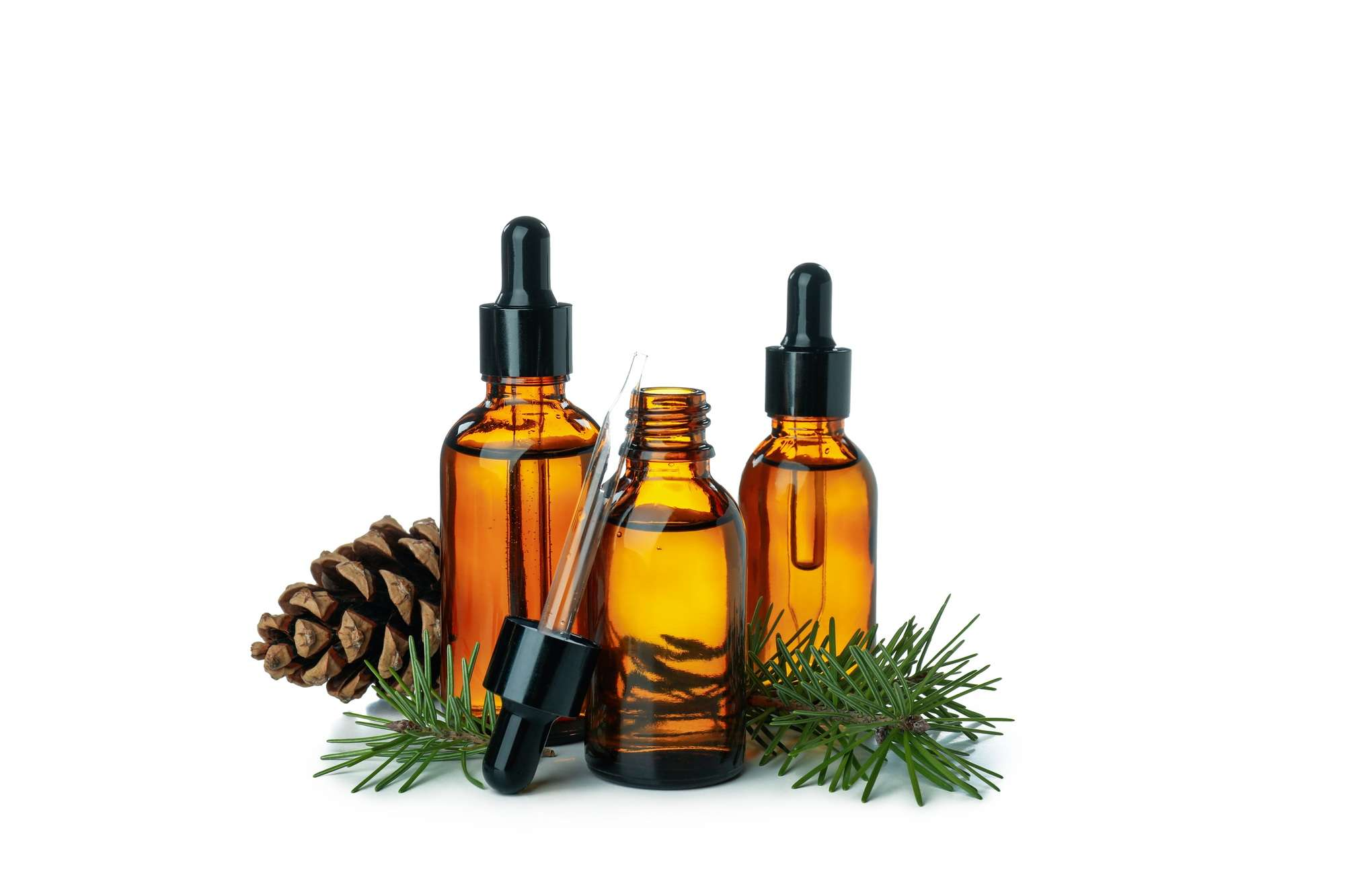
At gem and mineral shows, one question comes up surprisingly often when people see our crystal essential oil roller bottles:
“What do I put in this?”
The practical answer is a carrier oil combined with a properly diluted essential oil or essential-oil blend. The more interesting answer is that a crystal roller brings together three very different things: the aroma and chemistry of plant-derived essential oils, the geology of the gemstone chips inside the bottle, and the personal or metaphysical meaning someone associates with that crystal.
Those three elements do not have to be blurred together to create something meaningful.
Essential oils contain concentrated aromatic compounds extracted from plants. Crystals and gemstones are geological materials with their own compositions, structures, colors and physical properties. The association of rose quartz with love, amethyst with spiritual awareness, citrine with optimism or smoky quartz with grounding comes from cultural and metaphysical traditions rather than established mineral science.
Combine those elements thoughtfully, however, and a roller can become a highly personal sensory tool. Scent, touch, color, symbolism and routine all come together in one small bottle that can be used as personal fragrance, before meditation, while journaling, as part of a spiritual practice or simply because you enjoy the combination.
Grounded Lifestyles sells refillable gemstone rollers but does not pre-fill them with essential oils. That gives you control over the carrier oil, essential oils, concentration and scent that go onto your skin. You can shop our Minerals & Crystals collection, including crystal essential oil rollers and then create a blend suited to how you actually intend to use it.
The important part is knowing what you are putting in the bottle—and why.
A crystal essential oil roller is typically a small glass bottle containing polished gemstone chips, a removable rollerball assembly and a cap. Carrier oil and diluted essential oils are added to the bottle, allowing a small amount of the aromatic blend to be rolled onto the skin.
From a practical standpoint, it works much like any other oil-based perfume or aromatherapy roller.
The crystals introduce another dimension.
Some people choose a bottle because they simply like the appearance of the gemstone. Others deliberately match the crystal with an essential oil based on a particular intention. Rose quartz and lavender might represent compassion and quiet reflection, for example, while smoky quartz and frankincense might be chosen for a grounding meditation practice.
There is no scientific formula requiring a particular essential oil to be paired with a particular crystal. These combinations are based on aroma, personal preference, symbolism and metaphysical traditions.
That freedom is part of what makes creating your own roller interesting.
Essential oils are concentrated mixtures of volatile aromatic compounds produced by plants. Depending on the species, these compounds can be extracted from flowers, leaves, fruit peels, bark, wood, roots, seeds, resins and other plant material.
Lavender essential oil contains compounds such as linalool and linalyl acetate. Peppermint contains substantial amounts of menthol and menthone. Citrus-peel oils contain their own mixtures of aromatic compounds that create the familiar scents of orange, lemon, grapefruit, lime and bergamot.
Extraction also varies. Steam distillation is common for many essential oils, while numerous citrus oils are obtained by mechanically expressing the peel.
This concentration is important when making a roller. A bottle of essential oil is not comparable to handling the original flower, leaf or fruit. Essential oils are concentrated materials, which is why they are normally diluted before routine topical use.
More essential oil does not automatically create a better roller.
The goal is to produce a blend with enough aroma for the experience you want while remaining appropriate for topical use.
The word aromatherapy is sometimes used so broadly that almost anything containing an essential oil receives the label.
It helps to separate the different parts of the experience.
Essential oils provide aroma and contain actual plant-derived chemical compounds. Aromatherapy practices use those aromatic materials through methods that can include inhalation and diluted topical application.
The crystal inside the bottle does something different.
Geologically, the stone contributes its actual mineral composition, color, structure and appearance. Metaphysically, the user may associate that mineral with grounding, love, protection, abundance, intuition, clarity or another symbolic quality.
Putting amethyst into lavender-scented carrier oil does not scientifically demonstrate that amethyst transfers a healing frequency into the oil. But someone may still intentionally pair the two because amethyst represents contemplation to them and lavender provides an aroma they enjoy during an evening ritual.
Understanding the distinction makes the practice more credible, not less meaningful.
Our cornerstone guide to Crystal Healing: History, Science, Metaphysical Beliefs & Modern Practice explores this larger relationship between geology, spiritual tradition, personal meaning and scientific evidence.
The carrier oil receives much less attention than the crystals and essential oils, even though it makes up almost the entire contents of a roller bottle.
Carrier oils dilute concentrated essential oils and make them practical for topical application. They also determine much of the finished roller’s texture, absorption, scent and storage stability.
For most people making their first roller, fractionated coconut oil or jojoba are the easiest places to begin.
Fractionated coconut oil remains liquid at ordinary room temperatures, has very little scent and has a relatively light feel. Those characteristics make it particularly useful when you want the essential oil rather than the carrier to determine the aroma of the finished blend.
Jojoba is technically a liquid wax rather than a conventional vegetable oil. It is valued for its oxidative stability, mild aroma and pleasant texture, making it another very practical choice for roller bottles.
Sweet almond oil can also be used and has a somewhat richer feel. Grapeseed oil is light and spreads easily but is generally more susceptible to oxidation than jojoba. Avocado and olive oils can function as carriers but tend to feel heavier, and olive oil in particular has an aroma that may compete with the essential oils.
Regular coconut oil is usually inconvenient for a roller because it can solidify as temperatures change. Fractionated coconut oil avoids that problem.
There is no need to choose a carrier because an internet list promises that it will heal wounds, reverse aging, block ultraviolet radiation or treat inflammation. For a crystal roller, the useful questions are much simpler: Is it suitable for your skin? Does it remain liquid? Do you like the texture? Is the scent neutral enough for your blend? How well does it store?
Those practical qualities matter every time you use the bottle.
This is one of the most important corrections to the way crystal roller recipes are commonly presented online.
A recipe that simply says “add 15–30 drops to every 10 mL roller” sounds convenient, but it ignores the fact that essential oils have different chemical compositions and different topical-use limits.
There is no universal drop count that is appropriate for every essential oil.
Some oils have relatively restrictive recommended dermal maximums. Others have different concerns associated with their chemical constituents. Certain expressed citrus oils can also create phototoxicity concerns when treated skin is subsequently exposed to ultraviolet light.
Drop size itself is not perfectly standardized. The viscosity of the oil, bottle opening and dropper design can all affect the volume of a drop.
A better approach is to choose the essential oils first and then determine an appropriate topical dilution for those specific oils.
For an everyday 10 mL personal roller, you usually do not need an overwhelmingly strong concentration to create a noticeable aromatic experience. A roller is applied close to the body, often repeatedly, so a modest concentration can be perfectly adequate.
If you are following a professionally developed aromatherapy recipe, follow its stated dilution rather than automatically adding extra drops because stronger seems better.
It isn’t.
Begin with a clean 10 mL crystal roller bottle, your chosen carrier oil and the essential oil or oils you want to use. Before mixing anything, check the topical guidance for each specific essential oil, including any dermal maximum, phototoxicity warning or other relevant precaution.
Measure the essential oils into the bottle first, using the dilution appropriate for that particular formula. Add carrier oil until the bottle is nearly full, leaving enough space to reinstall the rollerball without causing the oil to overflow.
Secure the rollerball assembly and cap, then gently invert or roll the bottle several times to distribute the essential oils through the carrier.
Finally, label the bottle.
Include the essential oils used, the approximate dilution and the date you made the blend. This seems unnecessary until you create something you love and cannot remember how you made it—or experience a skin reaction and cannot remember exactly what was in the bottle.
A crystal roller is far more useful when you know what it contains.
This is where you can make the roller genuinely personal rather than simply copying a recipe.
Start by asking what you want the roller to represent or when you intend to use it.
Do you want something associated with your morning routine? Meditation? Journaling? A quiet evening? Creativity? Personal fragrance? A particular chakra practice? Perhaps you simply love the smell of one essential oil and want a crystal whose color complements it.
There is no reason every combination has to follow a correspondence chart.
The best roller is one you will actually use.
Rose quartz is one of the most recognizable stones in modern crystal practice and is traditionally associated with love, compassion, emotional openness and the heart chakra. Its pale pink color also makes it visually beautiful inside a clear roller bottle.
Lavender provides a familiar floral-herbal aroma that works naturally in a quiet evening, meditation or journaling routine.
Rather than describing rose quartz and lavender as a treatment for anxiety or emotional problems, think of the pairing as an intentional combination. The stone represents compassion or gentleness, the aroma becomes part of the sensory experience, and repeated use can make the roller familiar within your personal routine.
Grounded Lifestyles also carries a refillable Rose Quartz Essential Oil Roller filled with polished rose quartz gemstone chips for people who want to create this type of custom blend.
Amethyst is quartz colored by a combination of trace iron, irradiation and structural processes within the crystal. Geologically, it is a fascinating variety of silicon dioxide. Culturally and metaphysically, it has accumulated a very different set of associations.
Amethyst has long been connected with sobriety and clear-mindedness and is widely associated in modern crystal practice with spirituality, contemplation, intuition and the crown chakra.
Lavender creates a softer aromatic pairing, while frankincense gives the roller a deeper, resinous character that many people associate with contemplative or ceremonial environments.
This combination works particularly well for a roller kept beside a journal or meditation space because the scent and stone can become recognizable cues associated with that routine.
Smoky quartz receives its brown-to-black coloration from natural irradiation interacting with aluminum-related defects within the quartz structure. That geological explanation is completely separate from its metaphysical reputation, but both make the mineral interesting.
In modern crystal practice, smoky quartz is strongly associated with grounding, stability and releasing unwanted energy.
Frankincense has a resinous aroma and an extensive cultural history in incense, ceremony and spiritual practice. Pairing the two creates a natural theme for someone who wants a roller associated with settling into meditation, transitioning out of a busy workday or creating a deliberate pause between activities.
The crystal association is metaphysical. The aroma is sensory. The meaning comes from the practice you build around them.
Citrine is the yellow-to-orange variety of quartz and is commonly associated in metaphysical traditions with optimism, abundance, creativity and confidence.
Sweet orange essential oil adds a bright citrus aroma that makes the combination feel very different from a heavy frankincense blend or floral lavender roller.
This can make an appealing choice for a morning routine, creative workspace or simply for someone who prefers fresh citrus aromas.
Citrus oils, however, deserve a little more attention than their cheerful scent suggests. Not every citrus essential oil has identical topical properties, and extraction method can influence phototoxicity. Always check the safety information for the specific citrus oil you are using rather than assuming all citrus oils behave the same way on sun-exposed skin.
Clear quartz is often described within metaphysical practice as an amplifier and is frequently paired with almost any intention.
Its usefulness in a roller can be much simpler than that.
Clear quartz is visually neutral. It works with almost any bottle design, oil color and aromatic theme, making it a good choice when you want the essential oil rather than the gemstone to determine the personality of the blend.
If you are new to crystal rollers, clear quartz also frees you from worrying about whether you have chosen the “correct” metaphysical combination.
Choose an essential oil whose aroma you genuinely enjoy. Build a routine around it. Let the quartz represent whatever intention is meaningful to you.
Personal preference matters more than memorizing a chart.
One of the most interesting reasons to create a personal roller has very little to do with claims of crystal energy.
Smell is closely connected with memory and association.
A particular perfume can remind you of someone immediately. Pine may bring back holidays or forests. Sunscreen can evoke summer before you consciously identify the smell. A familiar food aroma can transport you to a kitchen you have not visited in decades.
A personal roller can gradually acquire the same kind of association.
Suppose you use the same smoky quartz and frankincense roller every evening before ten minutes of quiet reflection. You uncap the bottle, apply a small amount, smell the familiar aroma and begin your routine.
After enough repetition, the aroma, bottle and ritual become connected.
The smoky quartz may represent grounding within your metaphysical practice. The frankincense provides a recognizable sensory cue. The physical act of using the roller marks the transition.
This is one reason crystal rollers fit so naturally into the Grounded Lifestyles Lifestyle articles, where crystals, minerals, mindfulness, home environments and intentional everyday routines overlap.
A small ritual does not need an exaggerated medical claim to have meaning.
Crystal rollers are frequently described using terms such as frequency, vibration, energy and amplification. Those words deserve some context because they can mean very different things depending on how they are being used.
Crystals genuinely have measurable physical properties.
Quartz, for example, is piezoelectric. Mechanical stress can produce an electrical response within quartz, and an applied electric field can cause mechanical deformation. Crystalline materials also have measurable lattice vibrations, and those properties are enormously important in physics, electronics and materials science.
None of that demonstrates that putting quartz chips into a bottle of jojoba oil transfers a healing frequency into the oil.
When someone says that rose quartz adds loving energy to a roller or smoky quartz grounds the blend, they are describing the stone within a metaphysical framework.
Those traditions can be discussed and practiced without borrowing unrelated physics as proof.
Our article Do Crystals Have Frequencies? A Physics Guide to Vibration, Myth & Meaning takes a deeper look at the genuine science of crystal vibration and the point at which scientific terminology becomes metaphysical interpretation.
For another perspective on why ritual, expectation and meaningful objects can still produce powerful personal experiences, read Crystal Healing & the Placebo Effect: Science, Ritual & Meaning.
A roller can provide a simple transition into meditation without requiring an elaborate ceremony.
Apply the diluted blend to an appropriate area of skin, then spend a moment noticing the aroma rather than immediately putting the bottle away. Hold the bottle if you wish. Notice its temperature, the gemstone chips, the weight of the glass and the scent.
Those details give your attention somewhere specific to go.
If you use crystals metaphysically, you can also bring the stone’s symbolism into the practice. A smoky quartz roller may represent grounding. Rose quartz may represent compassion. Amethyst may represent reflection or spiritual awareness.
Over time, the combination of aroma, crystal and repeated practice can become part of the routine itself.
This is a more useful way to think about a roller than expecting it to instantly “shift your energetic state.”
Crystal rollers are also used in contemporary chakra practices, but there is no requirement to apply an essential oil directly over the physical location associated with a chakra.
Modern crystal-and-chakra systems commonly pair stones according to color, symbolism and metaphysical correspondence. Rose quartz may be associated with the heart chakra, citrine with the solar plexus, amethyst with the crown, and dark stones with the root.
These correspondences belong to spiritual and metaphysical traditions rather than anatomy.
If chakra work is part of your practice, the roller can simply represent the chakra intention while the diluted oil is applied to an ordinary, appropriate skin location such as the wrist. There is no energetic requirement that justifies putting essential oils close to the eyes, mucous membranes or other sensitive areas.
For the history and practical development of these traditions, see our Chakra Alignment with Crystals guide.
DIY roller instructions frequently recommend the wrists, temples, behind the ears, throat and multiple chakra locations as though every essential oil can be applied anywhere.
That is unnecessarily casual.
Essential oils should be kept away from the eyes and other sensitive areas. Skin reactions can occur even with commonly used oils, and repeated application of a concentrated blend to the same area increases exposure.
The wrist or another small area appropriate for the particular product is generally much simpler.
If a blend causes burning, persistent redness, itching or another unwanted reaction, stop using it. Do not interpret physical irritation as an energetic detoxification, release of negative energy or proof that the blend is “working.”
A skin reaction is a reason to stop putting the product on your skin.
Certain citrus essential oils deserve special consideration in topical rollers because some contain compounds capable of causing phototoxic reactions when treated skin is subsequently exposed to ultraviolet radiation.
Bergamot is a classic example, but citrus oils should not be treated as one interchangeable group. The species, extraction process and final concentration matter.
This does not mean you need to avoid every citrus aroma.
It means you need to know what is in your bottle.
If you want a citrus roller for daytime use on exposed skin, check the safety information for the exact essential oil you purchased, including whether it is phototoxic and whether the manufacturer specifies a maximum dermal concentration.
“Natural” and “citrus” are descriptions, not safety instructions.
It is easy to assume that if five drops smell good, twenty must work better.
Essential oils do not operate that way.
Increasing concentration increases exposure and, depending on the oil, can increase the possibility of irritation or sensitization. A roller also puts the blend directly onto the skin rather than dispersing a small amount throughout an entire room.
A personal roller only needs enough aroma to create the experience you want at close range.
It does not need to announce itself from the other side of the room.
This is especially important when a roller becomes part of a routine and is used repeatedly throughout the week.
Even familiar essential oils can cause unwanted skin reactions in some people. Trying a small amount of a properly diluted new blend on a limited area before incorporating it into regular use is a reasonable precaution.
Essential oils also change as they age and oxidize, which is another reason to keep bottles closed, store them appropriately and pay attention to changes in aroma.
If your finished roller causes an unwanted reaction, discontinue use.
Pregnancy, breastfeeding, childhood, medications, allergies and individual health circumstances can also change what is appropriate. Those situations require more specific guidance than a general DIY crystal roller recipe can provide.
Crystal rollers are small, attractive and easy to leave on a nightstand, desk or inside a handbag. That also makes them easy for children to pick up.
Essential oils are concentrated substances and should not be casually swallowed. Store both undiluted essential oils and finished rollers where children cannot access them.
The same caution applies around animals. Cats, dogs and other animals do not necessarily process aromatic compounds in the same way humans do, and a topical blend created for an adult person should never automatically be applied to a pet.
A bottle that smells like flowers, oranges or peppermint is still a concentrated aromatic product.
Yes, and this is an area where understanding minerals becomes particularly important.
Many crystal-roller recipes spend considerable time discussing essential-oil safety and almost no time discussing the stone sitting inside the liquid.
Minerals have different chemical compositions and physical properties. Some contain copper, lead, arsenic or other elements that make casual liquid contact inappropriate. Others may be porous, dyed, coated, stabilized or otherwise treated.
A crystal’s metaphysical reputation tells you nothing about whether it is chemically suitable for a particular use.
For that reason, we do not recommend taking random mineral chips from a collection and dropping them into a bottle of oil simply because an online list associates the stone with your intention. Use gemstone roller bottles designed for the purpose and know what material is actually inside them.
The same principle is explored much more deeply in The Crystal Water Debate: Which Stones Are Safe or Unsafe in Elixirs?. Water and oil are different chemical environments, but the underlying lesson remains valuable:
Know the mineral before you use the mineral.
The phrase crystal-infused essential oil roller is widely used because it immediately tells people what type of product we are discussing.
Metaphysically, some practitioners believe that the oil takes on or carries qualities associated with the gemstone. Rose quartz may be used with an intention of compassion, for example, while amethyst may be incorporated into a spiritual or contemplative blend.
That is a metaphysical interpretation.
From a materials standpoint, we do not actually want the crystal to chemically “infuse” the carrier oil by breaking down, dissolving or releasing unknown substances.
Ideally, the gemstone remains stable.
That creates an interesting distinction. Within a spiritual practice, the crystal can contribute symbolism, intention and whatever energetic meaning the user associates with it. Physically, the gemstone remains a geological material whose actual chemistry and stability still matter.
Both perspectives can exist in the same bottle without pretending they are the same thing.
Instead of starting with a recipe you found online, start with a moment in your day.
Maybe you want something beside your journal. Perhaps you want a roller associated specifically with meditation. You might want a personal fragrance for your desk or handbag. You may want something connected with a chakra practice or simply a fresh aroma that marks the beginning of your morning.
Then choose the crystal.
Read about its geology as well as its metaphysical associations. If you choose smoky quartz, learn what produces its color. If you choose amethyst, learn why quartz becomes purple. If you choose rose quartz, learn how its color and translucency develop.
Knowing the geology does not interfere with metaphysical appreciation. It gives you another reason to appreciate the stone.
Next, choose an essential oil whose aroma you actually enjoy rather than selecting one solely because a correspondence chart says you should.
Check the topical guidance for that particular oil. Choose a practical carrier such as fractionated coconut oil or jojoba. Make one roller, label it and use it long enough to learn whether you genuinely enjoy the combination.
You do not need a drawer full of blends to have a meaningful practice.
You need one that you actually reach for.
This is where crystal rollers extend beyond the narrow idea of “crystal healing.”
They can become part of an ordinary daily routine.
A roller can live beside a journal, on a desk, in a meditation area or in a handbag. The scent can mark the transition between work and personal time. A particular gemstone can represent an intention you want to remember. The physical ritual of uncapping the bottle and applying the blend can become a deliberate moment in a day that otherwise moves very quickly.
For someone who practices Reiki, chakra work or another spiritual tradition, the roller can take on additional symbolic meaning. For someone who does not, it can simply be a beautiful personal fragrance bottle containing a natural gemstone.
That flexibility is precisely why crystal rollers fit comfortably within both our Crystal Healing articles and our Lifestyle articles.
The object does not have to mean exactly the same thing to everyone.
Once you understand the basic principles, making a roller is intentionally simple.
Choose a gemstone that appeals to you geologically, visually or metaphysically. Choose a carrier oil suited to the texture you prefer. Select one or more essential oils whose aromas work together and whose topical-use guidance you understand. Create an appropriate dilution, fill the bottle, label it and give the blend time to become part of your routine.
If you are ready to create your own, browse the Grounded Lifestyles Minerals & Crystals collection for crystal essential oil rollers and natural gemstone options. Our roller inventory includes different gemstone choices, allowing you to choose the stone first and then build the scent and intention around it.
That is far more personal than buying a mystery blend and hoping you like what someone else selected.
Crystal-infused essential oil rollers sit at an interesting intersection of aromatherapy, personal fragrance, mineral collecting, metaphysical practice and everyday ritual.
They do not need exaggerated promises to be worthwhile.
The essential oil contributes real plant-derived aromatic compounds and scent. The carrier oil makes that concentrated material practical for topical use. The crystal contributes genuine geology, color and beauty. Metaphysical traditions may add another layer of symbolism through associations such as grounding, compassion, clarity, abundance or spiritual awareness.
Then you add something none of those ingredients contains on its own: personal meaning.
You decide that the smoky quartz roller is the one you use before meditation. The rose quartz bottle stays beside your journal. The citrine roller becomes part of your morning routine. The amethyst bottle reminds you that the workday is over and it is time to shift into quieter time.
Repeated often enough, the scent, stone and routine become connected.
That is a much more interesting way to understand a crystal roller than promising that a gemstone and a few drops of essential oil will automatically “raise your vibration” or transform your health.
For a deeper understanding of where mineral science, metaphysical traditions and personal practice meet, continue with Crystal Healing: History, Science, Metaphysical Beliefs & Modern Practice. If you are interested specifically in claims about crystal vibration, read Do Crystals Have Frequencies? A Physics Guide to Vibration, Myth & Meaning. For the role of expectation, ritual and personal experience, explore Crystal Healing & the Placebo Effect: Science, Ritual & Meaning.
Crystal practice does not require choosing between geology and symbolism. The stronger approach is to understand both: know the material, understand the tradition, use it responsibly, and create a practice that actually means something to you.

At Grounded Lifestyles, our love for crystals began in the peaceful flow of Reiki and energy healing sessions — where we saw how natural stones could amplify intentions, restore balance, and bring comfort. But the more time we spent with these treasures, the more curious we became about their origins. That curiosity led us into the fascinating world of geology and mineral specimen collecting. We fell in love not just with the energy of crystals, but with the science and artistry of their creation — the intricate crystal structures, the vibrant mineral hues, and the wonder of holding a piece of Earth’s history in our hands.