Copper Specimens

Copper (Cu) is one of Earth’s most iconic native elements — a metal that occurs naturally in pure, elemental form rather than bound in oxides or sulfides. This geological rarity places copper among a select group of native metals that includes gold, silver, and platinum. Its warm reddish metallic luster, malleability, and conductivity have shaped both Earth’s mineral record and the course of human civilization.

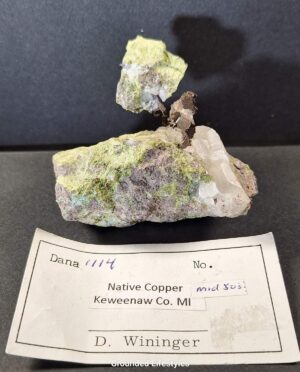
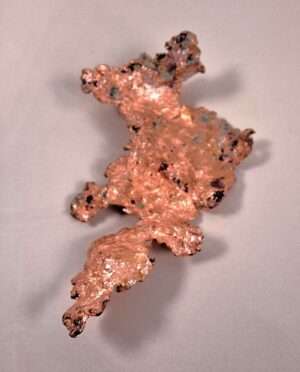
Native copper forms primarily in hydrothermal environments, where copper-rich fluids precipitate metallic copper under changing chemical conditions. Over time, this process creates sculptural natural forms such as branching dendrites, arborescent clusters, wire growths, and massive sheet copper. These organic metallic structures are highly prized by mineral collectors because they preserve copper exactly as it crystallized in nature — not smelted, refined, or altered by human processing.

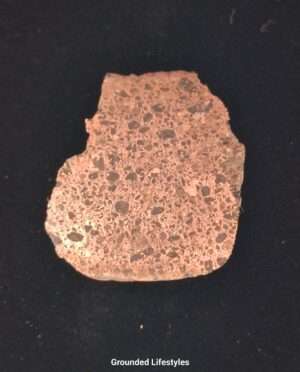
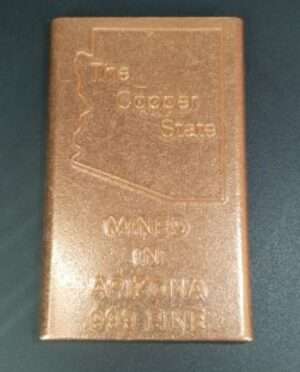
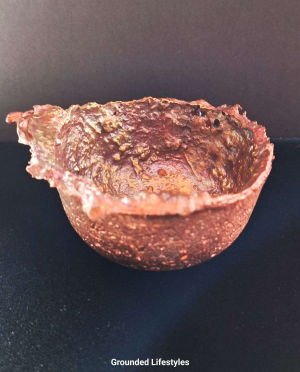
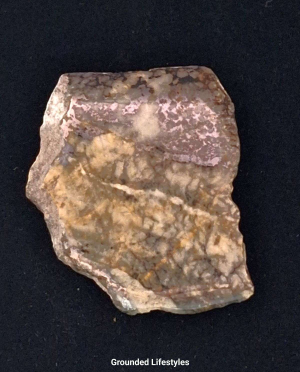
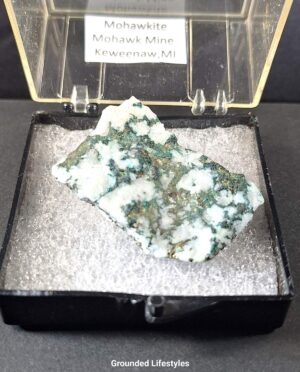
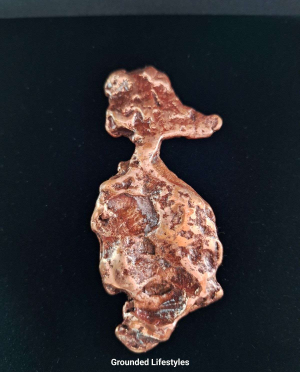
At Grounded Lifestyles, our Copper Specimens collection focuses on authentic native copper sourced from historically significant regions, including Michigan’s Keweenaw Peninsula and Arizona’s legendary copper districts. These areas are known for producing some of the world’s finest copper specimens, from large crystallized masses and silver-bearing “halfbreeds” to naturally sculpted display pieces with exceptional character.

Copper holds a unique position at the intersection of mineralogy, metallurgy, and cultural history. Beyond its scientific importance, copper has long been associated with energy flow, vitality, and transformation — symbolic meanings that continue to resonate with collectors, educators, and those drawn to its metaphysical traditions.

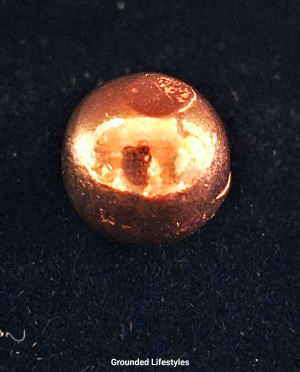
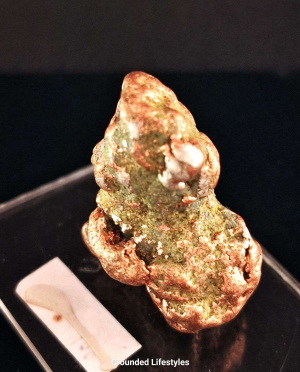
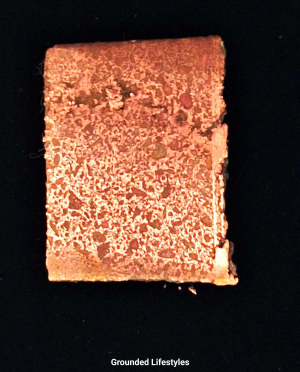
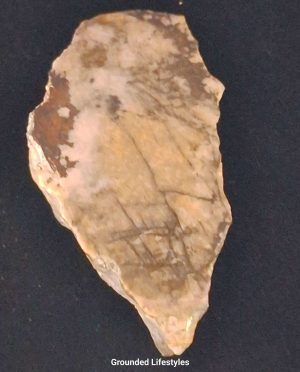
All copper specimens offered here are individually photographed. You receive the exact piece shown never a substitute. Natural patina, surface texture, and any associated minerals are clearly represented so you can collect with confidence.

Quick Facts:

  • Element: Copper (Cu)

  • Crystal System: Isometric

  • Hardness: 2.5–3 (Mohs)

  • Density: 8.9 g/cm³

  • Luster: Metallic

  • Common Forms: Dendritic, arborescent, wire, sheet, massive

  • Typical Environments: Hydrothermal veins, oxidized ore zones, basalt cavities

.

How to Evaluate & Collect Native Copper

Copper specimens are evaluated differently than silicate crystals or gemstones. Their value is driven by natural form, surface integrity, and historical provenance rather than clarity or faceting.

Key factors collectors consider:

  • Crystal Habit: Dendritic branching, arborescent clusters, and wire growths are highly sought after.

  • Surface Integrity: Intact metallic surfaces without excessive corrosion or breakage are preferred.

  • Associated Minerals: Silver inclusions (“halfbreeds”), malachite, azurite, chrysocolla, or turquoise enhance visual and collector appeal.

  • Provenance: Historic mining regions — especially Keweenaw (Michigan) and Bisbee or Morenci (Arizona) — command premiums.

  • Scale & Sculptural Form: Larger, naturally shaped specimens with balanced growth patterns are especially collectible.

Durability & Care:
Copper is relatively soft and naturally oxidizes when exposed to air and moisture, developing a brown or green patina. Some collectors value this natural aging, while others gently polish copper to restore its reddish glow. In humid environments, sealed display cases or desiccants help preserve surface condition.


How Native Copper Forms

In short: native copper forms when copper-rich fluids precipitate metallic copper under specific chemical conditions, rather than forming copper oxides or sulfides.

Secondary Enrichment

Groundwater moving through copper-bearing rock dissolves copper ions. When pH, oxygen levels, or temperature shift, metallic copper precipitates directly from solution.

Volcanic Basalt Environments

In Michigan’s Keweenaw Peninsula, copper filled amygdaloidal cavities and fractures within 1.1-billion-year-old basalt flows. Slow crystallization produced massive sheets, branching clusters, and rare crystal forms.

Oxidized Ore Zones

In Arizona and similar regions, native copper forms in weathered upper portions of ore bodies, often alongside vivid secondary minerals such as malachite, azurite, and chrysocolla.

Crystal Habits

While massive copper is most common, crystal growth can produce:

  • Dendritic branching (tree-like networks)

  • Arborescent clusters (coral-like growths)

  • Wire copper (elongated, flexible strands)

  • Rare cubic or octahedral crystals

Historic Copper Localities

Michigan — Keweenaw Peninsula:
One of the world’s most famous native copper regions. Prehistoric peoples mined copper here thousands of years ago, shaping tools without smelting. Specimens include massive sheets, sculptural dendrites, and rare copper-silver “halfbreeds.”

Arizona — Bisbee & Morenci:
Copper occurs in oxidized ore zones, often associated with turquoise, chrysocolla, azurite, and malachite. Native copper is rarer but visually striking.

Other Notable Regions:
Russia’s Ural Mountains and Cornwall (UK) supplied copper to Europe for centuries and remain important in mining history.

Copper’s availability in pure form helped launch the Chalcolithic (“Copper Age”) and later the Bronze Age — placing native copper among the most culturally significant minerals ever collected.


Symbolism, Energy & Styling with Copper

Across cultures, copper has been associated with flow, vitality, and connection.

  • Energy Conduction: Symbolically believed to amplify and channel energy, reflecting its proven physical conductivity.

  • Vitality & Circulation: Associated with movement, balance, and transformation.

  • Historical Symbolism: Used in protective amulets, ritual vessels, and ornamental objects across ancient civilizations.

Interior Styling:
Copper specimens introduce warm metallic accents into décor. Their organic branching forms function as natural sculptures, pairing beautifully with quartz, black tourmaline, malachite, rustic wood, or stone bases.