Copper Specimens

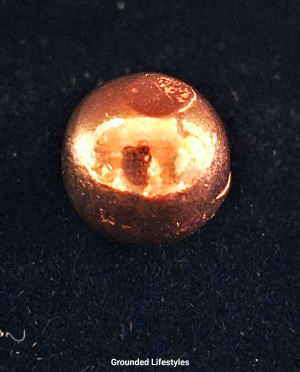
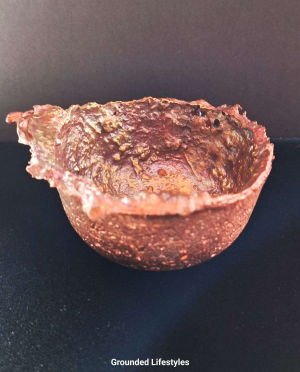
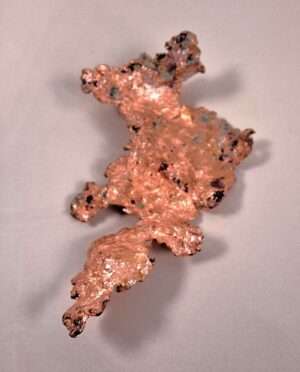
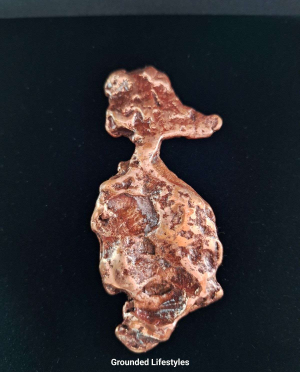
Copper is one of Earth’s most iconic native elements, prized for its metallic luster, conductivity, and rich history in human culture. Our Copper collection features raw specimens from Michigan’s Keweenaw Peninsula and Arizona’s legendary mines, showcasing natural crystal formations and branching “dendritic” growths. Collectors, educators, and healers alike value copper for its beauty, rarity in crystal form, and symbolic ties to energy flow and vitality.

✨ Explore deeper knowledge in our Mine to Mind Blog
or download free resources from our E-Book Library
.

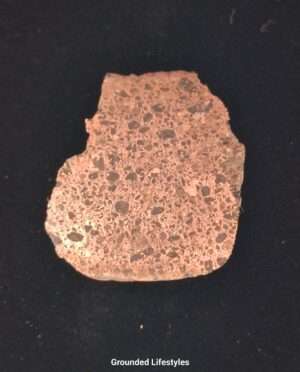
Copper (Cu) is one of the very few metals that occurs in native elemental form, a distinction shared with only a handful of elements such as gold, silver, and platinum. Its natural occurrence is geologically unusual because most metals are bound in oxides, sulfides, or silicates and require smelting to release the pure element.

Formation Processes

Native copper forms in hydrothermal environments, typically in the oxidized zones above copper ore deposits:

  • Secondary Enrichment: Groundwater percolating through copper-bearing rocks dissolves copper ions, which later precipitate as metallic copper when conditions change (pH, oxygen content).

  • Volcanic Basalts: In the Keweenaw Peninsula of Michigan, native copper filled amygdaloidal cavities and fissures in 1.1-billion-year-old basalt flows. Over time, slow crystallization produced large masses and branching crystallized growths.

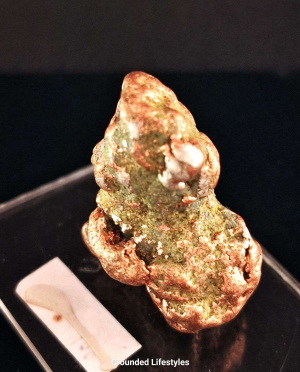
  • Oxidized Ore Zones: In places like Arizona, native copper develops in the weathered upper layers of ore bodies, often with vivid blue-green secondary minerals such as malachite, azurite, and chrysocolla.

Crystal Habits

Although massive and sheet-like forms are most common, copper can crystallize in distinctive habits:

  • Dendritic Branching → tree-like networks formed as copper precipitated rapidly along fractures.

  • Arborescent Clusters → thick, branching metallic growths resembling coral or roots.

  • Cubic / Octahedral Crystals → rare but highly prized, reflecting copper’s isometric crystal system.

  • Wires → elongated, flexible wire-like crystals formed during slow, repeated deposition.

Physical Properties

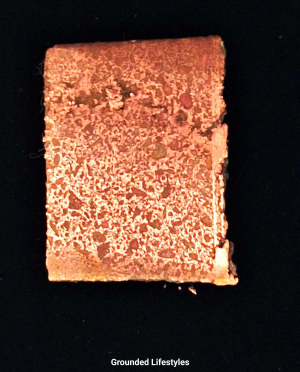
  • Metallic luster: Bright reddish-orange surface, often tarnishing to deep brown or green patina.

  • Hardness: 2.5–3 on the Mohs scale (soft compared to most minerals).

  • Density: Heavy, with a specific gravity of ~8.9.

  • Conductivity: Exceptional conductor of heat and electricity, one reason copper revolutionized human civilization.

Historical Geology

Copper’s availability in pure form had enormous human impact:

  • During the Chalcolithic (“Copper Age”) ~5000–3000 BCE, native copper was hammered into tools, jewelry, and ornaments without smelting.

  • The discovery that copper could be alloyed with tin to form bronze launched the Bronze Age, reshaping cultures across Mesopotamia, Egypt, and beyond.

  • The Keweenaw copper deposits are considered one of the few places on Earth where prehistoric peoples could mine metallic copper directly and produce tools thousands of years before industrial extraction.

Two regions in particular produce world-class copper specimens:

  • Michigan, USA (Keweenaw Peninsula) → Famous for large crystallized masses, branching “copper leaves,” and sheet copper often found with silver inclusions (“halfbreeds”). These historic mines are the source of some of the most iconic copper specimens in collections worldwide.

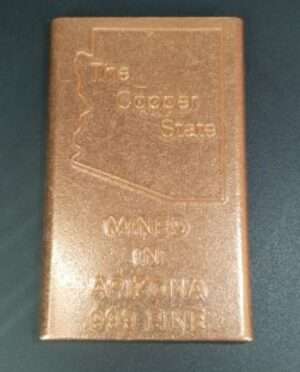
  • Arizona, USA → Known for copper associated with turquoise, chrysocolla, azurite, and malachite, particularly from Bisbee and Morenci. Native copper is rarer here but often occurs as wires or masses in oxidized ore zones.
    Other notable localities include Russia’s Ural Mountains and Cornwall in the UK, both historic mining regions that supplied Europe for centuries.

Copper specimens hold a unique place in collections because they straddle the line between mineralogy, metallurgy, and human history. Unlike silicate crystals or fossilized remains, copper’s appeal is as much about its role in civilization as its natural beauty.

  • Aesthetic Appeal: Collectors value crystalline habits such as dendrites, branching clusters, and wire forms, which showcase copper’s metallic brilliance. Specimens with unusual sculptural qualities — resembling coral, trees, or roots — are especially sought after.

  • Associated Minerals: Copper is often collected alongside its secondary minerals. Bright green malachite, deep blue azurite, and turquoise can occur in direct association with metallic copper, producing striking “two-tone” specimens. In Michigan, silver inclusions form “halfbreeds,” prized for their rarity.

  • Durability & Care: Copper is relatively soft (Mohs 2.5–3) and malleable. While stable, it oxidizes readily when exposed to air and moisture, producing a green or brown patina. Some collectors prefer the natural tarnish as a mark of authenticity, while others gently polish copper to restore its reddish metallic glow. Long-term care may involve desiccants or sealed display cases in humid climates.

  • Size & Market Factors:

    • Small crystallized specimens are affordable entry points for new collectors.

    • Large branching or matrix-hosted pieces from historic Michigan mines command high prices, especially if they can be traced to 19th-century mining records.

    • Arizona specimens, though smaller, attract crossover collectors due to their pairing with colorful mineral assemblages.

  • Display Science: Under direct lighting, copper reflects warm, red-gold highlights that change with viewing angle. Dark backdrops enhance contrast, while neutral or tan bases complement copper’s earthy association.

Copper has been recognized across cultures as a conductor of both physical and subtle energies. Its dual role in science and spirituality creates a powerful narrative for both collectors and those drawn to its symbolic meaning.

  • Energy Conduction: In metaphysical practice, copper is believed to amplify the energy of stones it touches, channeling vibrations through its conductive metallic structure. Scientifically, everything has frequency, and copper’s proven conductivity makes this symbolic role resonate with credibility.

  • Vitality & Flow: Copper is associated with circulation — of blood, energy, and life-force. In intention work, it’s used to remove blockages and restore balance. It symbolizes vitality, transformation, and the natural flow of energy in the body and environment.

  • Historical Symbolism: Ancient Egyptians used copper for protective amulets; in Ayurveda, water stored in copper vessels is still considered purifying. The Greeks linked copper to Aphrodite, goddess of love, due to its radiant beauty and connection to the island of Cyprus.

  • Modern Styling: Copper specimens bring warm metallic accents into interior spaces. Their organic branching forms resemble miniature sculptures, pairing beautifully with both natural and minimalist aesthetics. In feng shui-inspired design, copper is placed in the wealth corner to stimulate prosperity and in workspaces to promote creativity and mental flow.

  • Pairings: Copper specimens complement quartz clusters, black tourmaline, and malachite in styling arrangements — balancing metallic brightness with grounding earth tones. Their natural patina harmonizes with rustic wood and stone décor, making them versatile display pieces from modern lofts to artisan homes.

Collector’s Field Guide to Authentic Crystals (Free e-Book)
The Science of Crystal Formation
Shop Copper Specimens
Shop Jewelry (Copper & Gemstone Pairings)
Explore the Mine to Mind Blog

🏜️ Connect With Grounded Lifestyles in Person

Experience the wonder of crystals, minerals, and fossils firsthand at our Arizona marketplace booths and seasonal gem shows. Each event brings the beauty of our online collection to life — with exclusive specimens, show specials, and one-of-a-kind artisan pieces you won’t find anywhere else.

Meet Us at Local Markets & Shows
Join us at Anthem Market in the Park, Clarkdale Market, and Westgate Entertainment Artisan Alley — or explore our full schedule on the Events Hub.
Each event listing includes dates, maps, and featured products so you can plan your visit and shop in person.

🪶 Shop at Our Booth Locations Across Arizona
Find Grounded Lifestyles displays in West Sedona, Prescott, and Payson — each booth curated with local favorites and collector’s pieces from our online store.
Visit our Store Booth Locations page for current hours, directions, and featured inventory.