Description
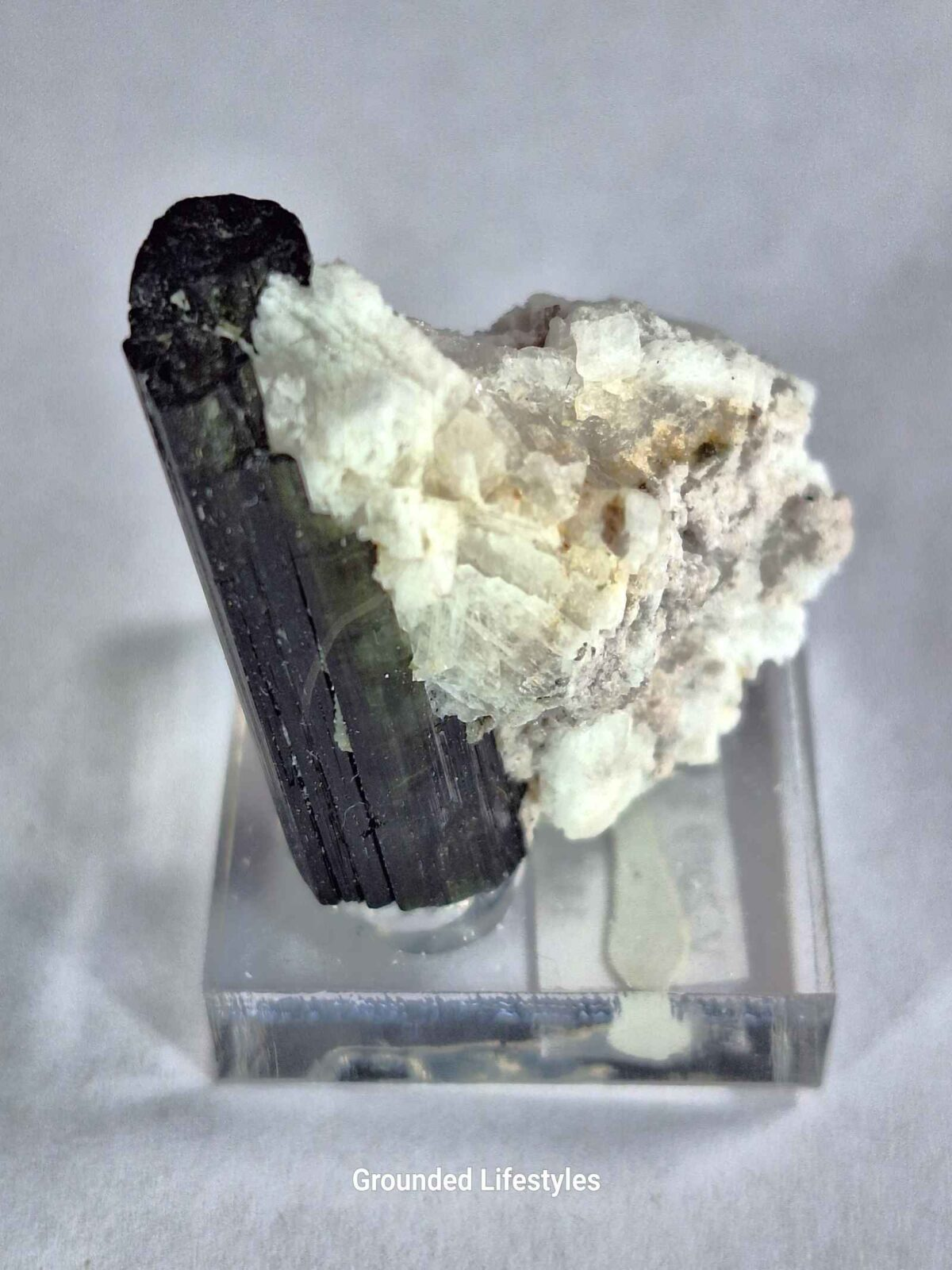
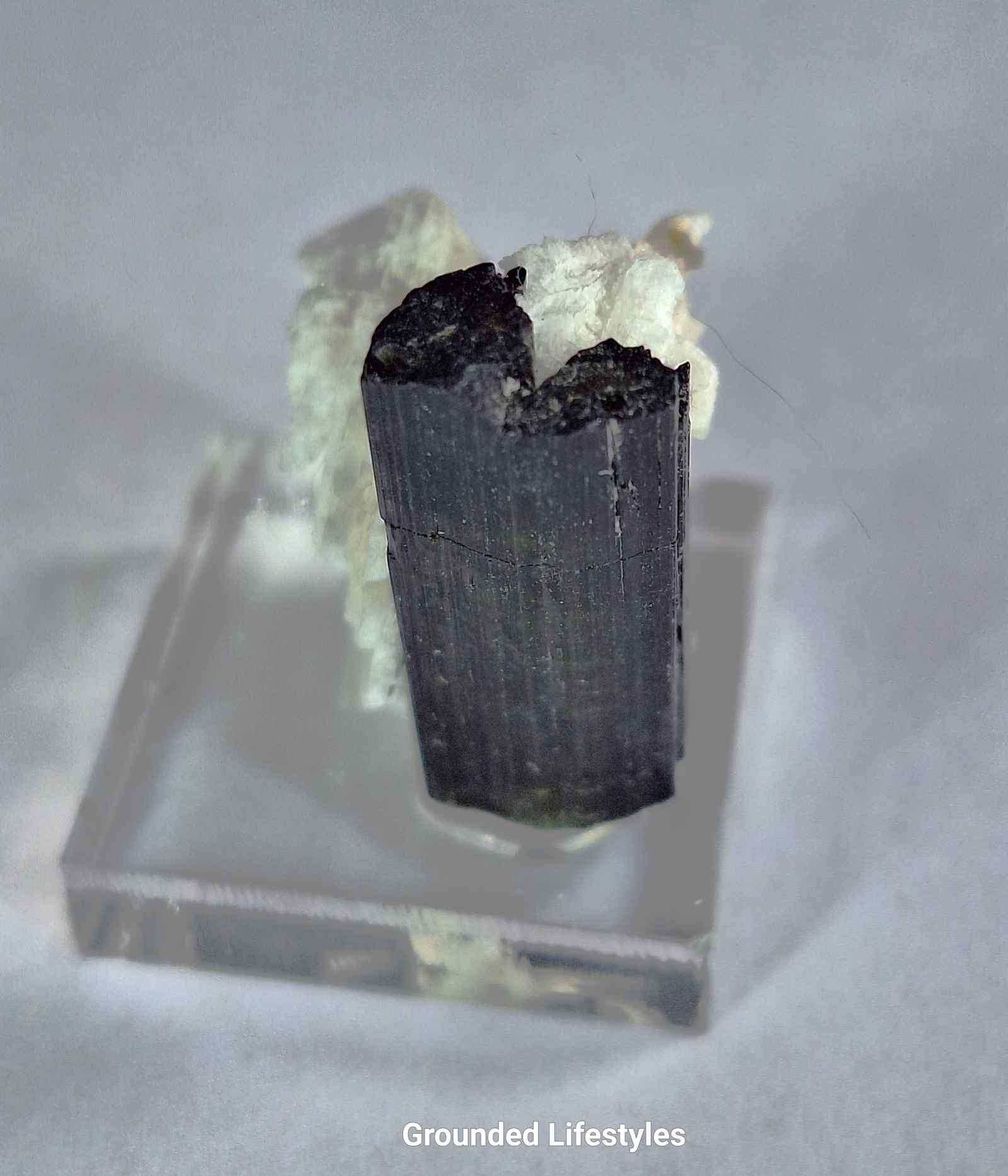
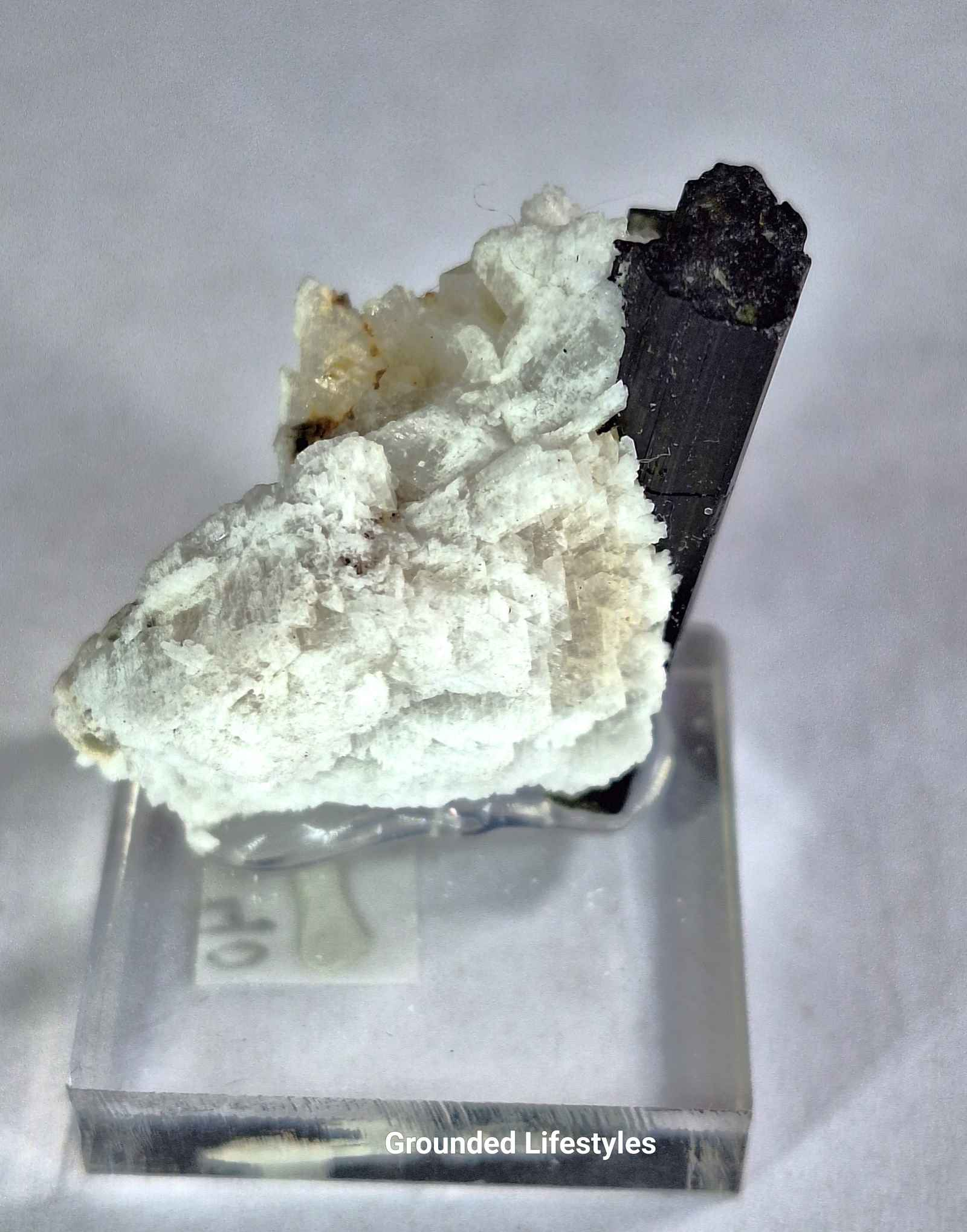
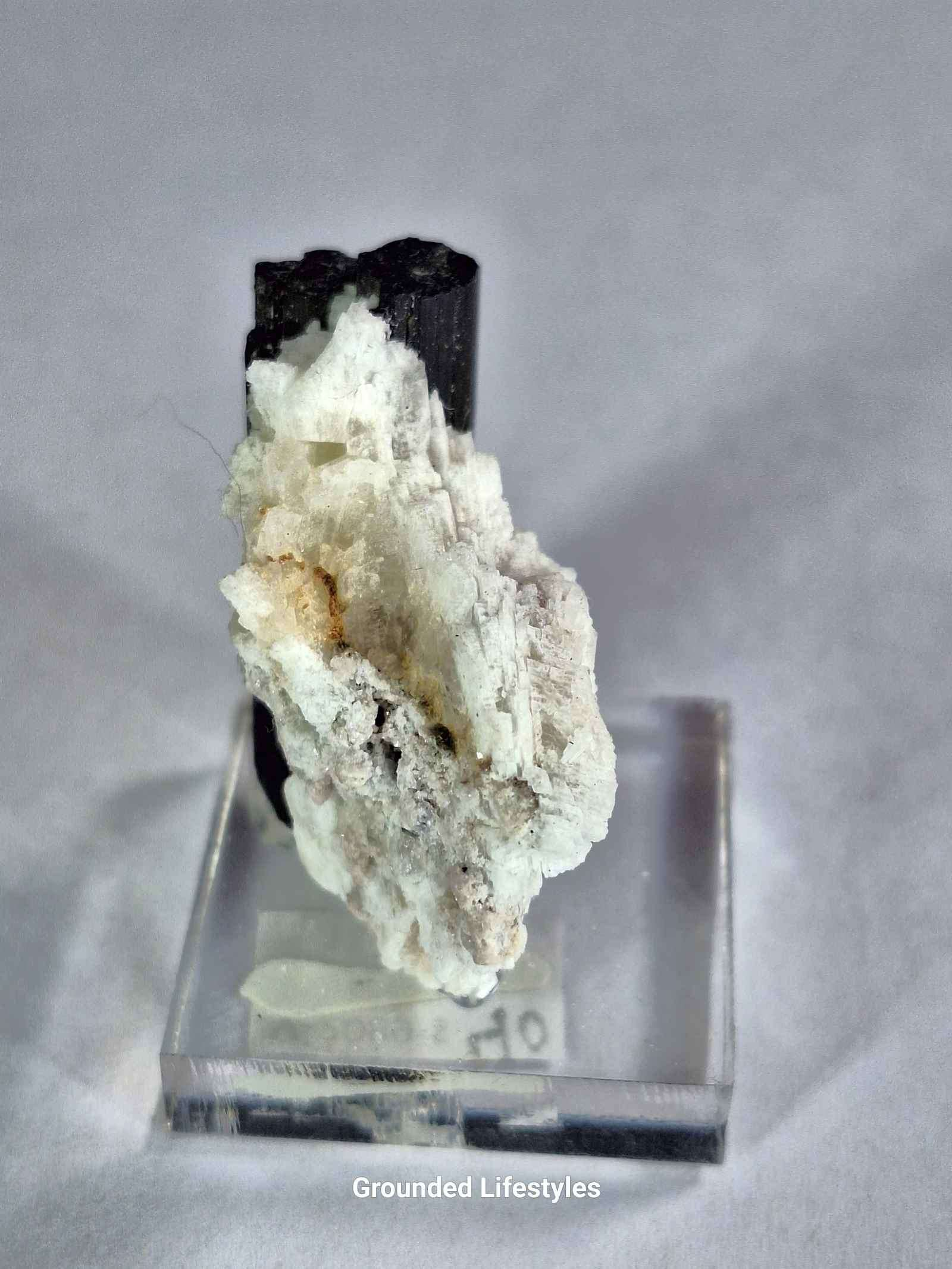
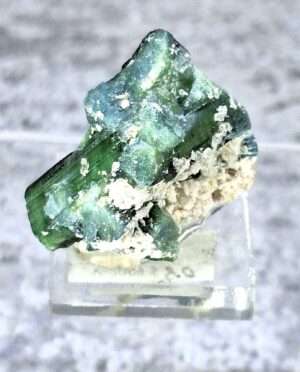
Green Tourmaline with Albite – Minas Gerais, Brazil
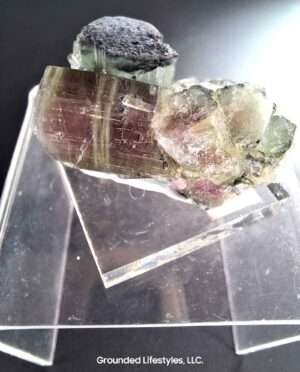
Green tourmaline is admired for its rich natural coloration and distinctive crystal structure, particularly when found in association with contrasting minerals. This specimen from Minas Gerais, Brazil, features green tourmaline crystals with albite feldspar, creating an attractive mineral combination from one of the world’s best-known gemstone-producing regions.
The contrast between the tourmaline and its surrounding matrix makes the specimen especially appealing to collectors who appreciate natural crystal associations rather than isolated or polished gemstones.
Green Tourmaline and Its Crystal Structure
Tourmaline belongs to a complex group of borosilicate minerals recognized for their remarkable range of colors. Green tourmaline is often called verdelite in the gemstone trade, although the exact mineral species cannot be determined from color alone.
Many green tourmalines from Brazilian pegmatites belong to the elbaite species, but chemical analysis is required for definitive species identification.
Tourmaline commonly develops elongated prismatic crystals with lengthwise striations. Its color can vary from pale green to deep forest green depending on the elements present in the crystal structure and the conditions under which it formed.
With a Mohs hardness of approximately 7 to 7.5, tourmaline is relatively resistant to scratching, although natural crystal edges and terminations remain vulnerable to impact.
What Is Albite?
Albite is a sodium-rich feldspar mineral with the chemical formula NaAlSi₃O₈. It commonly occurs in granitic pegmatites alongside quartz, mica, tourmaline, and other minerals.
Albite is often white to pale in color and may form blocky or platy crystals. In some pegmatite specimens, it occurs as thin, bladed aggregates known as cleavelandite.
Its lighter appearance can provide an attractive contrast against darker or more vividly colored tourmaline crystals.
Albite has a Mohs hardness of approximately 6 to 6.5, making it somewhat softer than the associated tourmaline.
The Pegmatites of Minas Gerais
Minas Gerais is internationally recognized for its rich mineral deposits, particularly the gemstone-bearing pegmatites that have produced tourmaline, quartz, beryl, spodumene, and numerous other collectible minerals.
Pegmatites form during the late stages of crystallization of granitic magmas. As the remaining melt becomes enriched in water and certain chemical elements, conditions can develop that allow unusual minerals and large crystals to grow.
Tourmaline and albite frequently occur together in these environments because both minerals can crystallize from the evolving chemical system.
The association preserved in this specimen offers a small example of the geological processes responsible for Brazil’s extraordinary mineral diversity.
Collector Appeal
Mineral collectors often evaluate tourmaline-on-matrix specimens according to crystal color, form, luster, termination quality, matrix contrast, and overall condition.
A natural matrix can add scientific interest by showing the minerals together in the setting where they formed.
The presence of albite also helps illustrate the relationship between tourmaline and feldspar minerals within granitic pegmatites.
For collectors of Brazilian minerals, this combination offers an appealing example of the associations commonly found in the pegmatite districts of Minas Gerais.
Metaphysical Traditions
In contemporary crystal traditions, green tourmaline is often associated with personal growth, compassion, renewal, and the heart chakra.
Albite is sometimes linked symbolically with clarity, balance, and adaptability. Together, these minerals may be used by practitioners as a reminder of growth and stability.
These associations are spiritual and cultural interpretations rather than scientifically established effects.
Display and Care
Display the specimen on a stable surface where delicate tourmaline crystals will not be struck or placed under pressure.
Tourmaline has a Mohs hardness of approximately 7 to 7.5, while albite measures approximately 6 to 6.5. Because the minerals have different hardness and cleavage characteristics, the specimen should be handled carefully.
Dust gently with a soft brush. Avoid ultrasonic cleaning, steam cleaning, harsh chemicals, and sudden temperature changes.
Product Details
- Primary mineral: Green tourmaline
- Associated mineral: Albite feldspar
- Locality: Minas Gerais, Brazil
- Form: Natural crystals on matrix
- Color: Green tourmaline with contrasting albite
- Tourmaline hardness: Mohs 7–7.5
- Albite hardness: Mohs 6–6.5
- Geological setting: Granitic pegmatite
- Uses: Mineral collecting, display, and crystal traditions
- Dimensions and weight: weighs 11.1 grams. Measures with mount 1 inch long X .25 inch wide X 1.75 inches in height
This green tourmaline with albite specimen offers collectors a natural mineral association from Brazil’s celebrated pegmatite region, combining attractive crystal color with geological interest.

Reviews
There are no reviews yet.