Description
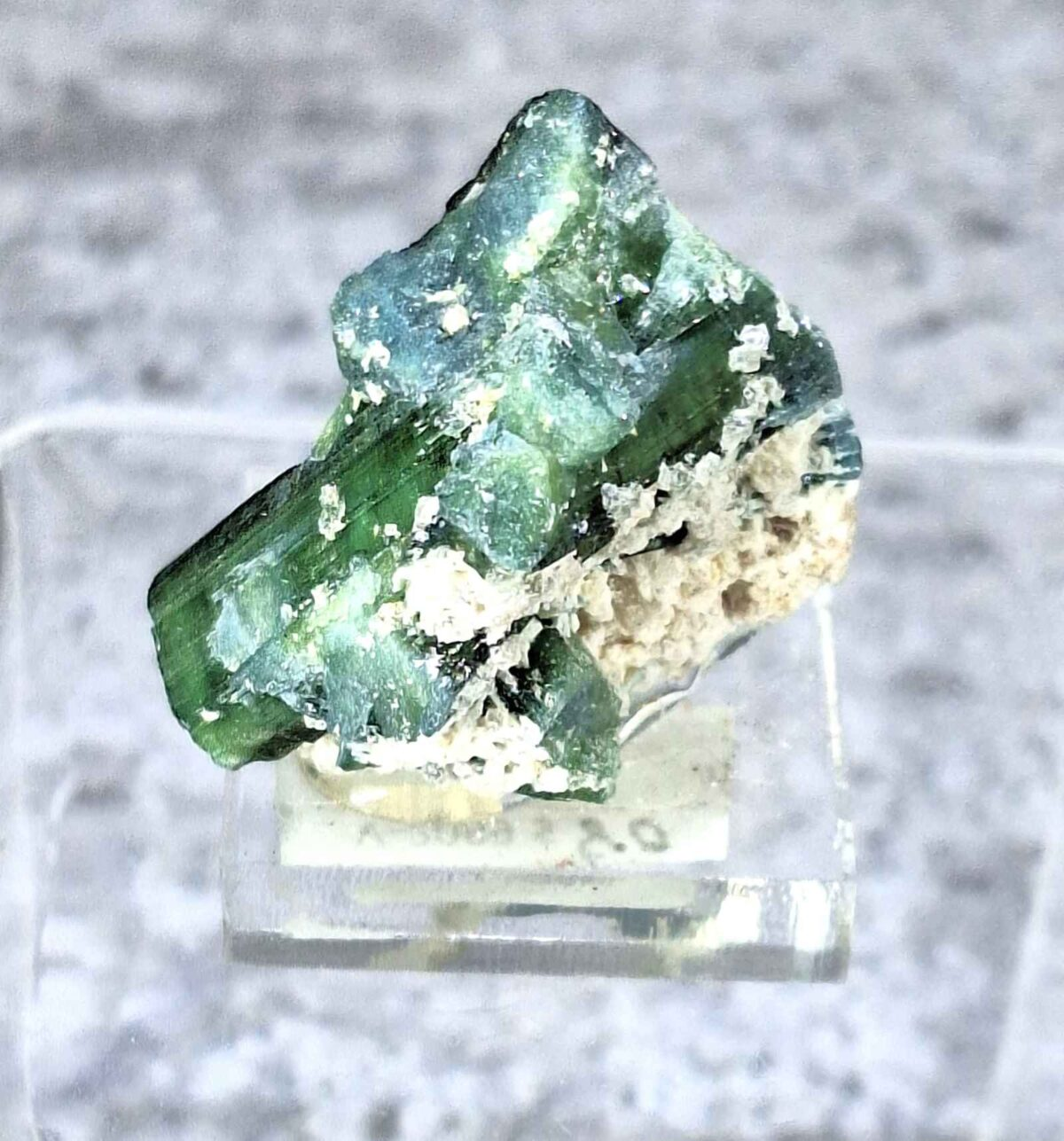
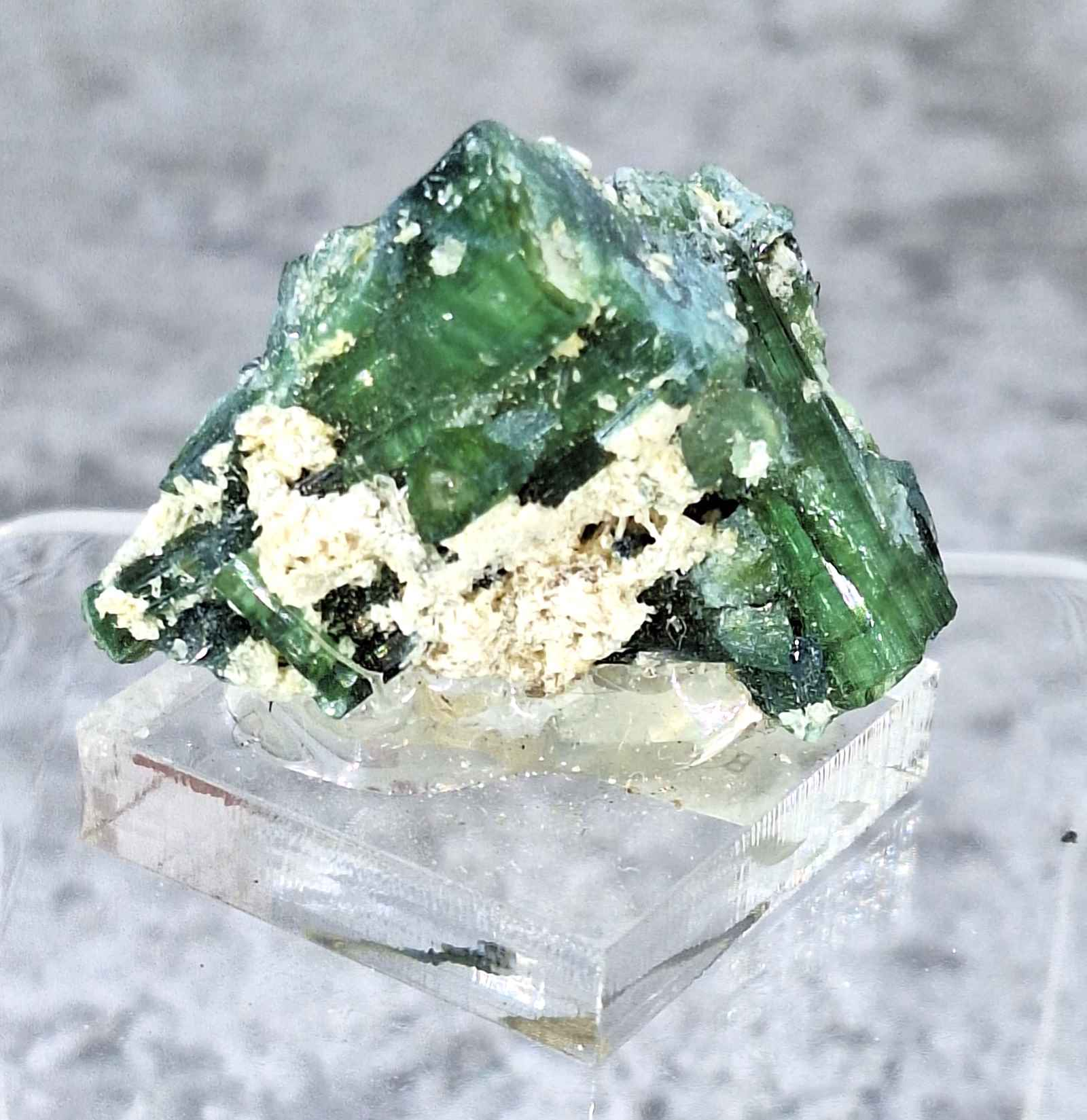
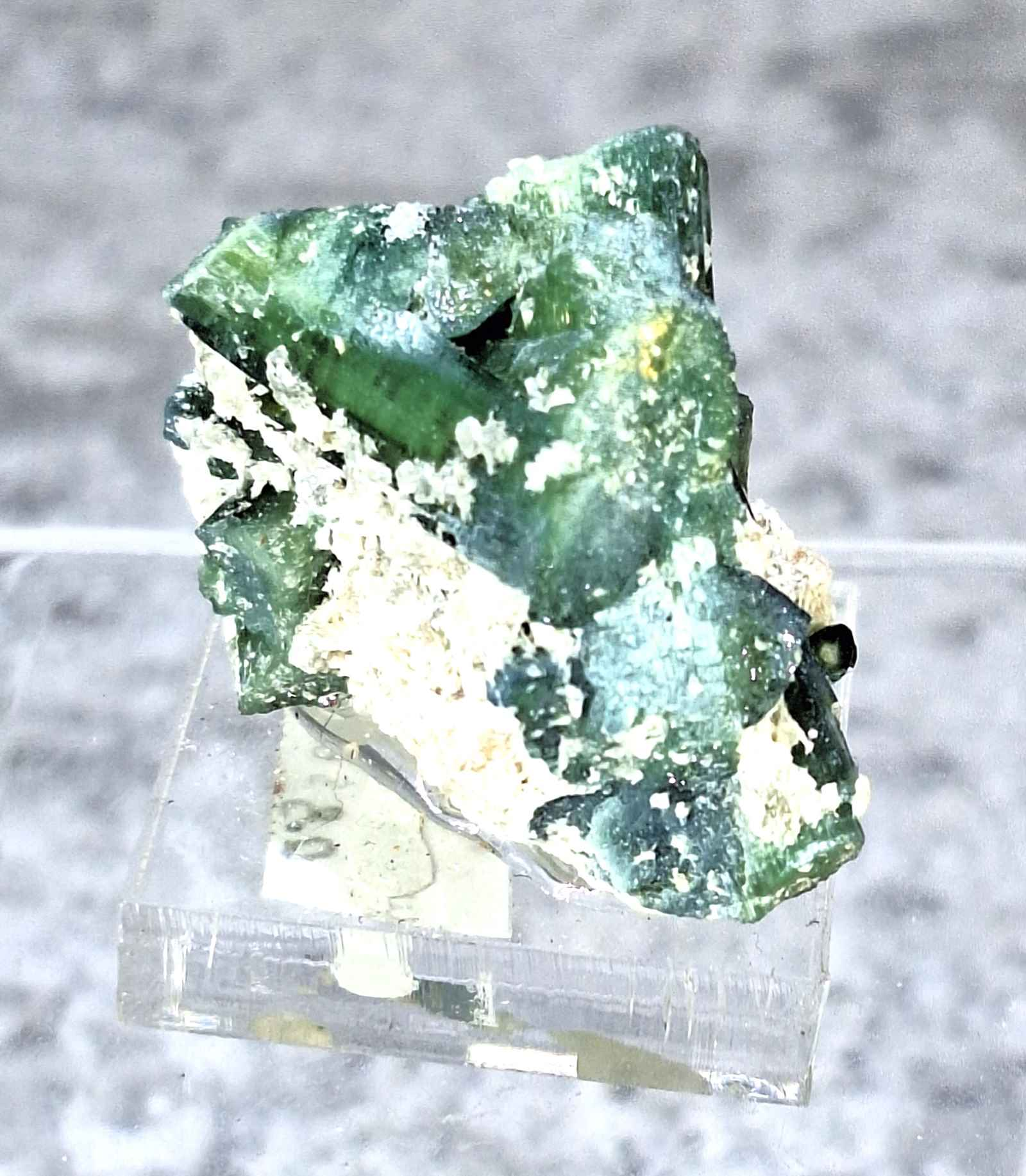
Blue Green Tourmaline Crystal Specimen – Brazil, 14.9 Grams
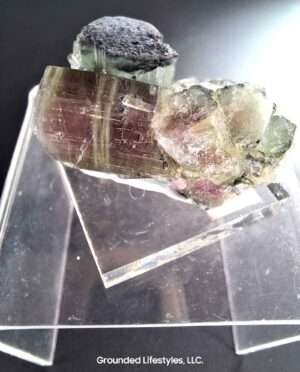
Tourmaline is one of the most colorful mineral groups in the natural world, and blue-green specimens are particularly appealing for their unusual combination of cool blue and green tones. This 14.9-gram Brazilian tourmaline specimen showcases that attractive coloration in a natural crystal formation.
Unlike polished gemstones, natural tourmaline specimens allow collectors to appreciate the mineral’s crystal structure, surface characteristics, and color variations as they developed during formation.
The specimen offers an appealing addition to a collection of Brazilian minerals, colored tourmalines, or pegmatite crystals.
What Gives Blue Green Tourmaline Its Color?
Tourmaline belongs to a complex group of borosilicate minerals whose chemical composition can vary considerably. These variations contribute to the mineral group’s remarkable range of colors.
Blue and green colors in tourmaline are commonly associated with iron-related absorption processes, although other elements and structural factors can also influence color.
Some tourmaline crystals develop distinct color zones as the chemical conditions change during growth. Others display variations in apparent color depending on lighting and viewing direction, a characteristic known as pleochroism.
The combination of blue and green can be particularly attractive when the colors are visible in different portions of a natural crystal.
Indicolite and Blue Tourmaline
Indicolite is the traditional gemstone trade name for blue tourmaline, especially blue elbaite. Some stones described as indicolite have a greenish-blue appearance.
However, color alone does not establish the exact mineral species or guarantee that a particular specimen meets every seller’s definition of indicolite.
This specimen is described primarily as blue-green tourmaline, which accurately emphasizes its observable coloration without requiring a more specific mineralogical identification.
Brazilian Tourmaline Localities
Brazil has a long history as a source of exceptional tourmaline crystals. The pegmatite districts of Minas Gerais are particularly well known for producing green, blue, pink, and multicolored specimens.
Tourmaline often forms in granitic pegmatites, where mineral-rich melts and fluids create favorable conditions for the growth of chemically complex minerals.
Brazilian tourmalines are collected for their color, crystal habit, transparency, and association with other pegmatite minerals such as quartz, feldspar, and mica.
The reported locality for this specimen is Brazil. A specific mine or district should be added if supported by the original collection information.
What Collectors Look For
Collectors evaluate natural tourmaline specimens according to several characteristics, including color saturation, crystal development, luster, termination quality, transparency, and overall condition.
Tourmaline commonly forms elongated prismatic crystals with characteristic striations running parallel to the crystal’s length. Natural clusters may also preserve the relationships between multiple crystals or associated minerals.
At 14.9 grams, this specimen has a recorded weight that allows collectors to compare it with other examples, although its dimensions and overall crystal quality remain important to assessing value.
Blue-green tourmaline can be especially attractive when both colors are readily visible under ordinary lighting.
Metaphysical Traditions
In contemporary crystal traditions, blue tourmaline is often associated with communication, intuition, and the throat chakra, while green tourmaline is linked with growth, compassion, and the heart chakra.
Some practitioners interpret blue-green tourmaline as symbolically combining these qualities, making it a popular choice for meditation or intention-setting practices.
These associations are spiritual and cultural interpretations rather than scientifically demonstrated effects.
Display and Care
Tourmaline has a Mohs hardness of approximately 7 to 7.5, but natural crystal points and terminations can still chip or fracture if struck.
Display the specimen on a stable surface where it will not be exposed to accidental impact. Avoid prolonged intense sunlight, rapid temperature changes, and harsh chemicals.
For routine cleaning, use a soft brush to remove dust. Avoid ultrasonic and steam cleaning, particularly if the specimen contains natural fractures or delicate crystal growth.
Product Details
- Mineral: Tourmaline
- Color: Blue-green
- Weight: 14.9 grams
- Locality: Brazil
- Form: Natural crystal specimen
- Mohs hardness: Approximately 7–7.5
- Geological environment: Commonly associated with granitic pegmatites
- Uses: Mineral collecting, display, and crystal traditions
- Dimensions: 2 inches long X 2 inches high X 1 inch wide
With its blue-green coloration and natural crystal structure, this Brazilian tourmaline specimen offers collectors an attractive example of the diversity found within the tourmaline mineral group.


Reviews
There are no reviews yet.