Description
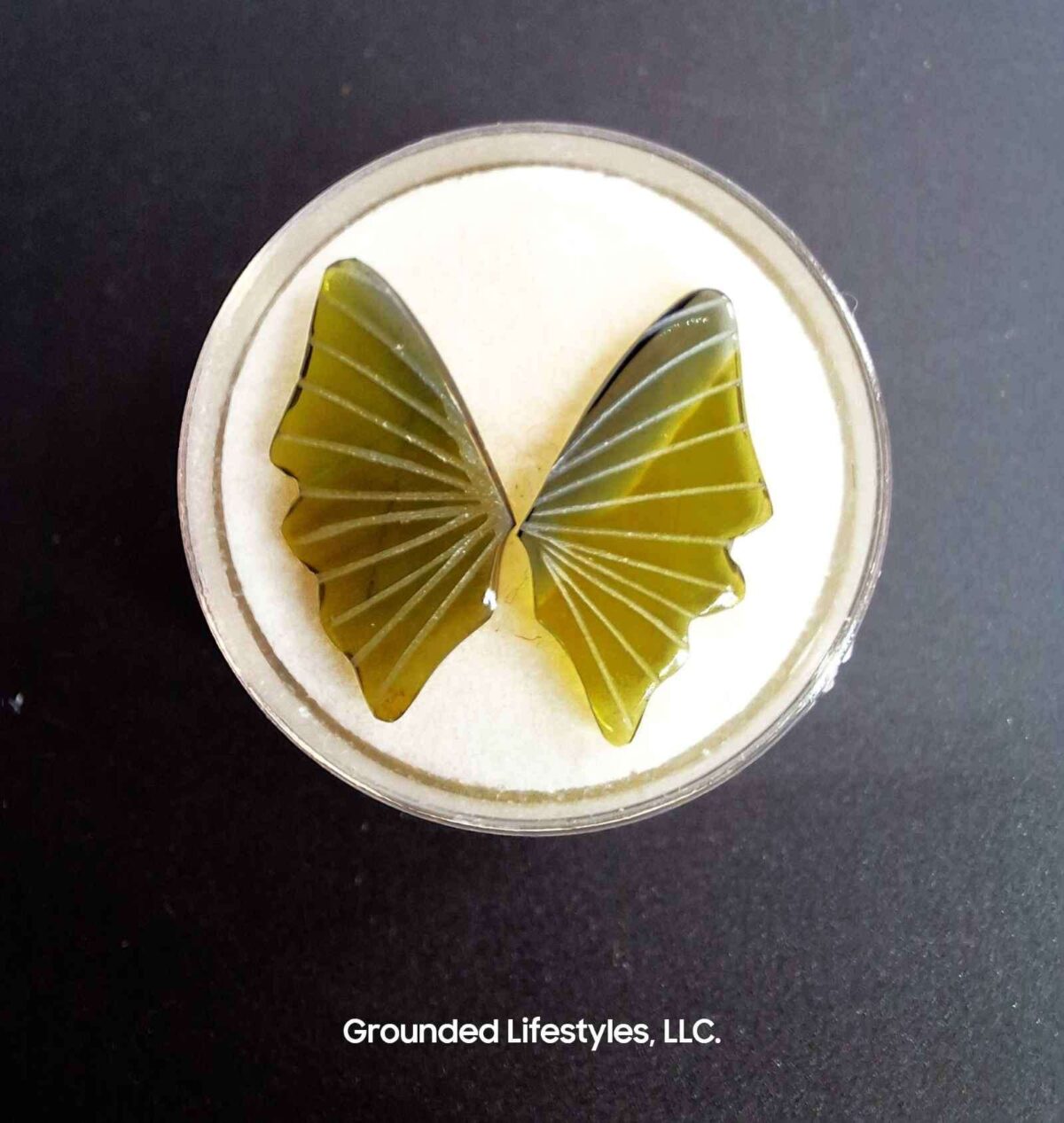
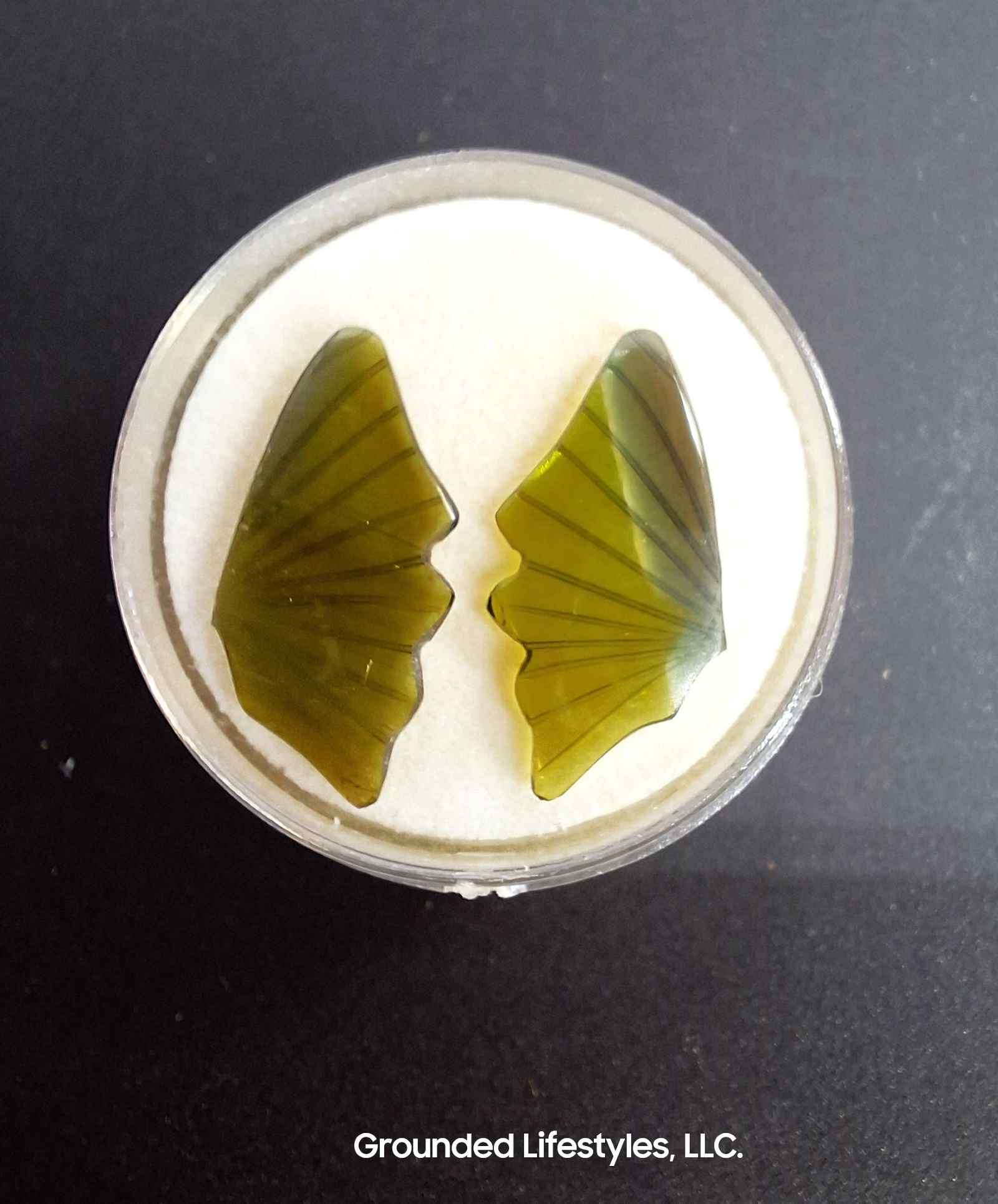
Green Tourmaline Butterfly Wing Slices – Gemstone Jewelry Components
Tourmaline is prized for its remarkable range of colors, but it is also an interesting material for creative lapidary work. These green tourmaline slices have been shaped into butterfly-wing forms, transforming natural gemstone material into distinctive pieces suitable for jewelry design or collection.
Their unusual outline offers an alternative to conventional round cabochons and faceted stones. For jewelry makers who enjoy working with organic shapes, the butterfly-wing form creates opportunities for pendants, wire-wrapped settings, and custom artistic designs.
The natural green coloration also makes these pieces attractive as small lapidary specimens.
Green Tourmaline and Its Mineralogy
Tourmaline belongs to a group of complex borosilicate minerals known for their broad range of colors and chemical compositions.
Green tourmaline is commonly called verdelite in the gemstone trade. Many green gem tourmalines belong to the elbaite species, although the color alone does not establish a specimen’s exact mineral species.
The green coloration can result from trace elements and other factors within the crystal structure. Depending on the composition and growth conditions, green tourmaline may range from pale yellowish green to deep forest tones.
Tourmaline has a Mohs hardness of approximately 7 to 7.5, making it suitable for many jewelry applications when properly protected and set.
Brazilian Tourmaline and Lapidary Traditions
Brazil is among the world’s best-known sources of gem-quality tourmaline. Its pegmatite deposits, particularly those in Minas Gerais, have produced tourmaline in a remarkable variety of colors.
Gem cutters and lapidary artists have long worked with Brazilian tourmaline to create faceted gemstones, polished slices, cabochons, and custom shapes.
These butterfly-wing slices are described in the existing listing as Brazilian material dating to the 1980s. If supported by supplier or collection records, that history adds interest for collectors of older lapidary material.
The exact mine, cutter, and date of shaping have not been independently established.
Butterfly-Wing Shapes for Jewelry Design
The butterfly-wing silhouette gives these slices a recognizable decorative form while preserving the visual appeal of natural gemstone material.
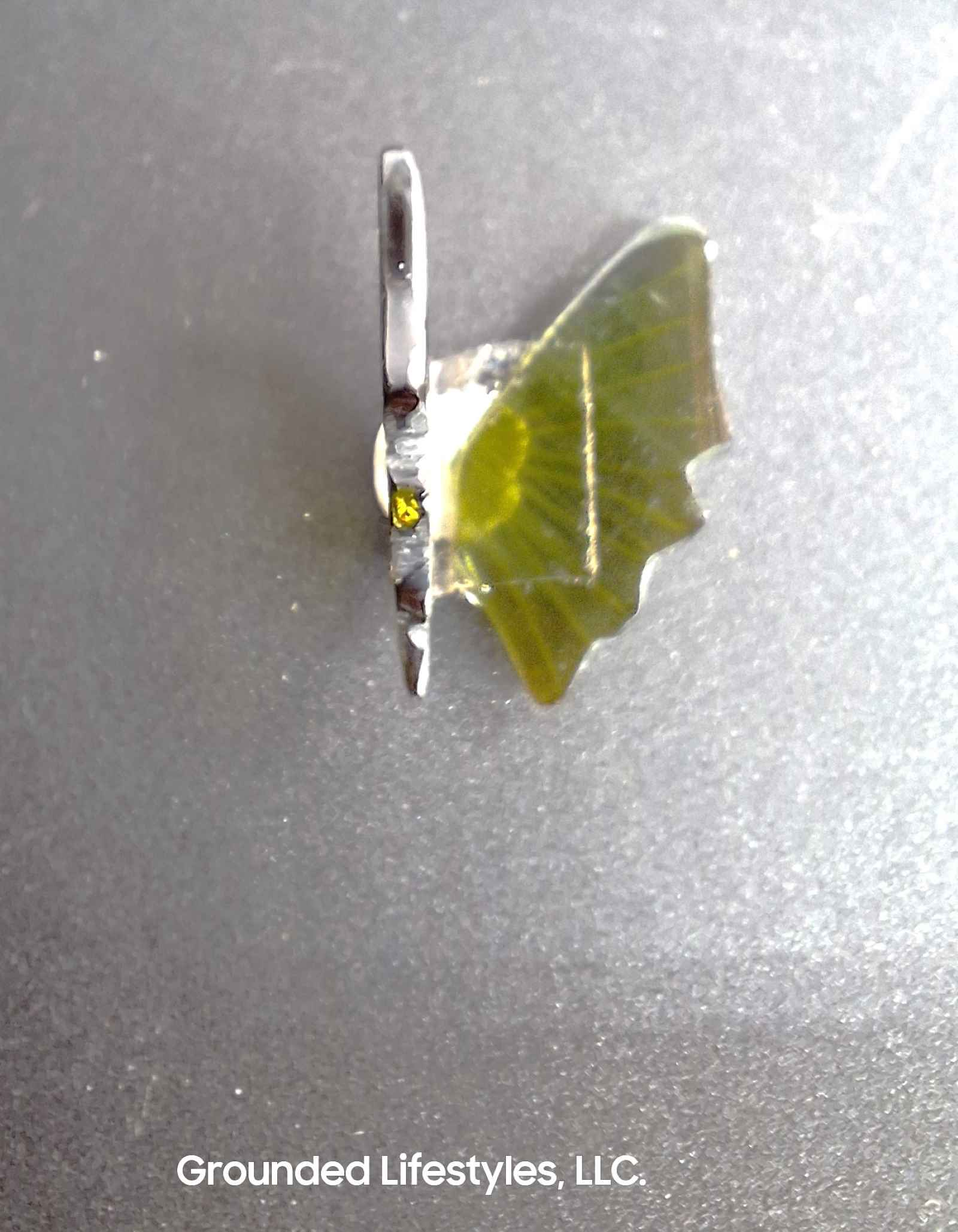
Jewelry makers may incorporate them into custom pendants, wire-wrapped designs, or other individually constructed settings. Their suitability for drilling, adhesive mounting, or particular types of metalwork depends on their thickness, condition, and any existing openings.
Because tourmaline can chip or fracture under concentrated pressure, settings should support the edges and avoid unnecessary stress on thinner areas.
The pieces can also be displayed as examples of decorative gemstone cutting without being incorporated into finished jewelry.
Collector Appeal
Unusual lapidary shapes can be appealing to collectors because they reveal how natural mineral material can be adapted for artistic use.
These butterfly-wing slices bring together the color of green tourmaline, the individuality of gemstone cutting, and a recognizable nature-inspired design.
Collectors may evaluate them according to color, translucency, symmetry, polish, surface condition, and overall craftsmanship.
If the documented 1980s Brazilian origin can be confirmed, it may provide an additional point of interest beyond the material itself.
Metaphysical Traditions
Within contemporary crystal traditions, green tourmaline is commonly associated with personal growth, renewal, compassion, and the heart chakra.
The butterfly is often used as a symbol of transformation and change, making the combination of green gemstone material and wing-shaped design meaningful to some jewelry makers and collectors.
These are symbolic and spiritual interpretations rather than scientifically demonstrated properties.
Care and Handling
Green tourmaline has a Mohs hardness of approximately 7 to 7.5, but thin gemstone slices may still be vulnerable to breakage if dropped, bent, or placed under pressure.
Store the pieces separately from harder gemstones and metal components to help prevent scratches or chipped edges.
Clean gently with a soft cloth or brush. Avoid ultrasonic cleaning, steam cleaning, harsh chemicals, and sudden temperature changes.
If using the slices in jewelry, choose a setting that protects their edges and allows for their natural thickness and shape.
Product Details
- Material: Natural green tourmaline
- Gemstone trade name: Verdelite
- Form: Shaped butterfly-wing slices
- Color: Green
- Reported origin: Brazil
- Reported period: 1980s,
- Mohs hardness: Approximately 7–7.5
- Intended uses: Jewelry design, lapidary collecting, and display
- 1cm long X 1.5cm high
These green tourmaline butterfly-wing slices offer an uncommon combination of natural gemstone color and decorative lapidary design, making them a distinctive choice for creative jewelry projects or mineral collections.

Reviews
There are no reviews yet.