Description
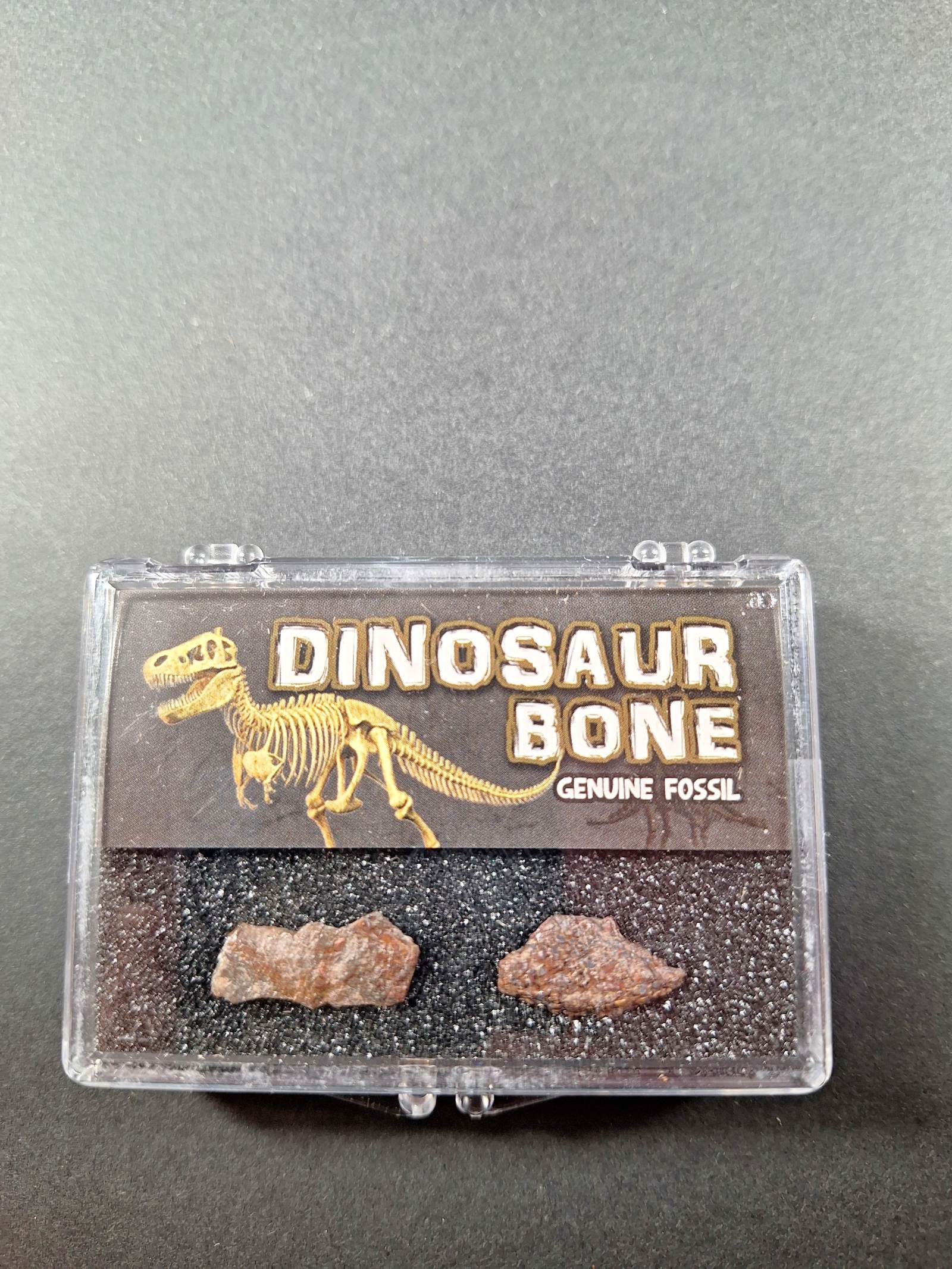
A Dinosaur Bone Fragment for a Fossil Display
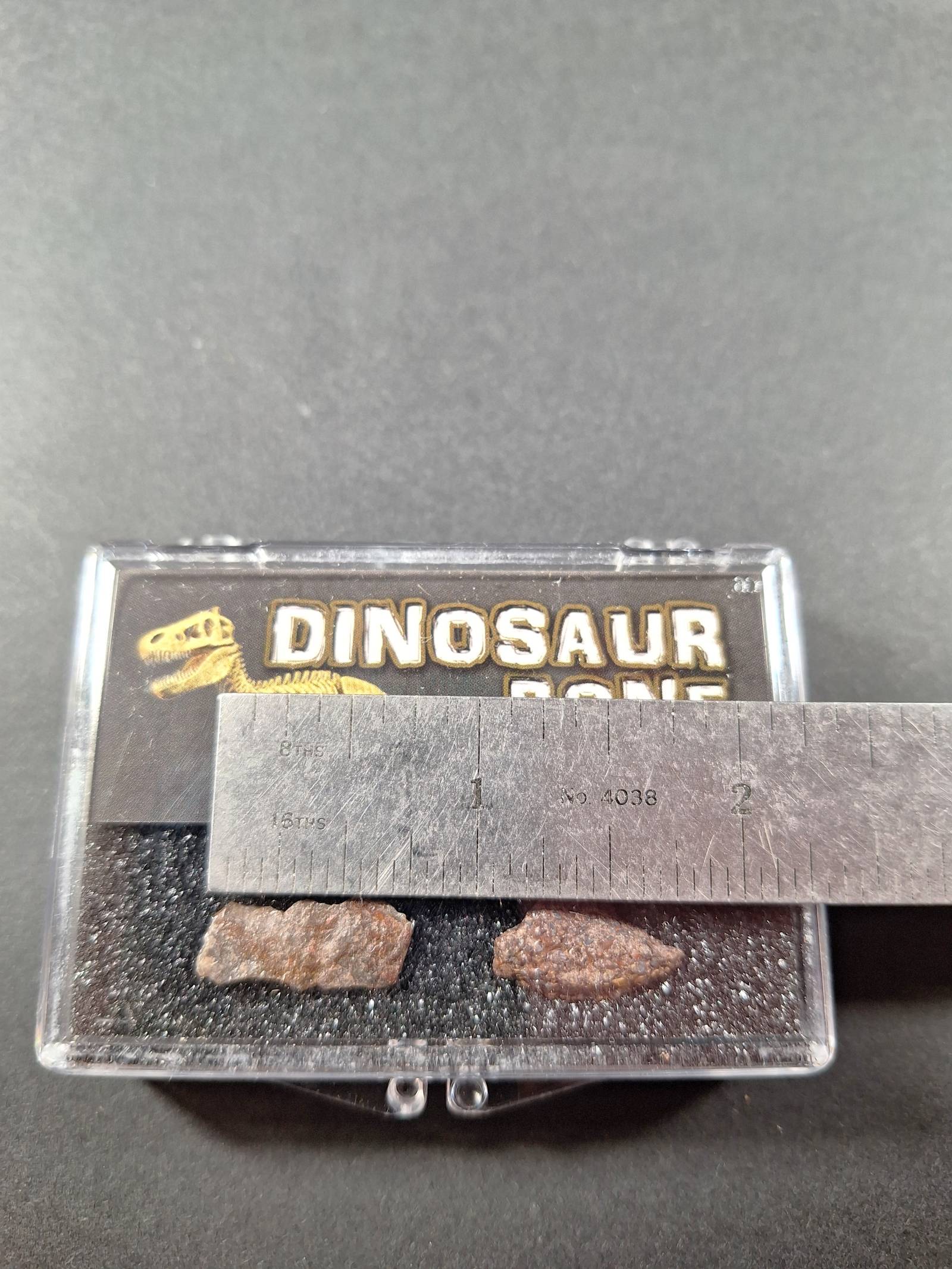
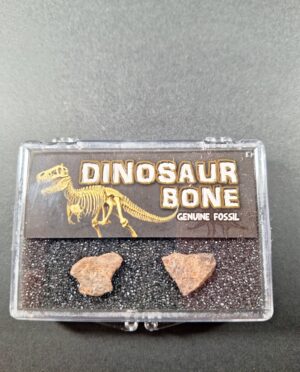
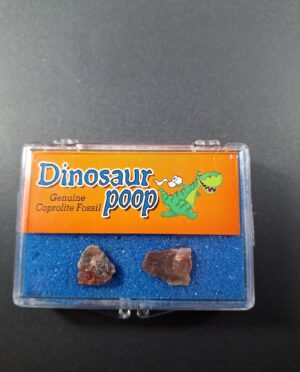
This fossilized dinosaur bone fragment comes in a protective case measuring 3 × 2 × 0.50 inches. The case offers a convenient way to organize and display a small paleontological specimen while limiting handling. These measurements describe the case, not the fossil fragment inside it. The specimen’s exact dimensions, species, collection locality and geological formation have not been supplied.
How Bone Becomes Fossil
Bones are body fossils, distinct from footprints, burrows and coprolites, which record animal activity. When skeletal material is buried in sediment, mineral-rich groundwater may enter its pores. During permineralization, minerals accumulate within those spaces and can help preserve aspects of the bone’s original structure. Mineral replacement may also occur, but it is a separate process. The precise mineralization of this fragment has not been tested, so a specific mineral composition or Mohs hardness cannot be assigned responsibly.
What Fossil Bone Can Tell Us
Paleontologists study fossil bones to investigate anatomy, growth and the evolution of ancient animals. A small fragment may illustrate the physical result of fossilization, but species-level identification typically requires diagnostic anatomical features and geological context. This listing does not attribute the specimen to a particular dinosaur or claim a precise age. That distinction is important when collecting small, unprovenanced fossils.
A Practical Display Piece
The case helps keep the fragment together with its identification information, whether in a personal fossil cabinet or a natural history teaching collection. It can be displayed alongside fossil shells, petrified wood and trace fossils to show the different kinds of evidence preserved in rock. A label noting “dinosaur bone fragment; species and locality undetermined” avoids assigning unsupported details.
Care and Collecting
Leave the fragment in its case when possible. Avoid water immersion, chemical cleaners, abrasive brushing and repeated handling, particularly around fractured or porous surfaces. Keep the display away from impacts and prolonged damp conditions. Fossil bone has no universally applicable hardness because mineralization varies. The appeal of this piece lies in its connection to prehistoric life and the geological processes that allow skeletal material to survive.
Only logged in customers who have purchased this product may leave a review.

Reviews
There are no reviews yet.