Description
An Unexpected Prehistoric Fossil
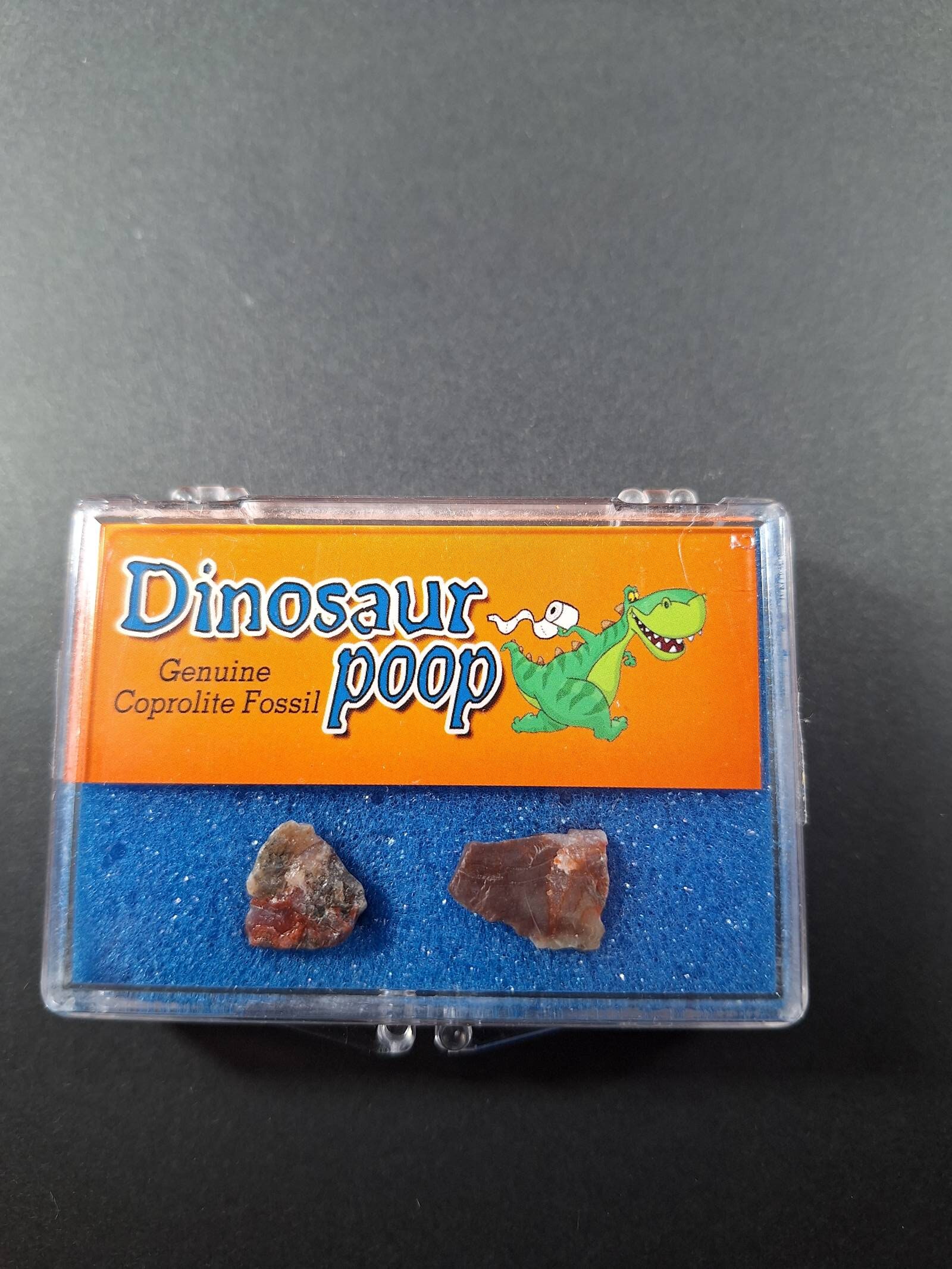
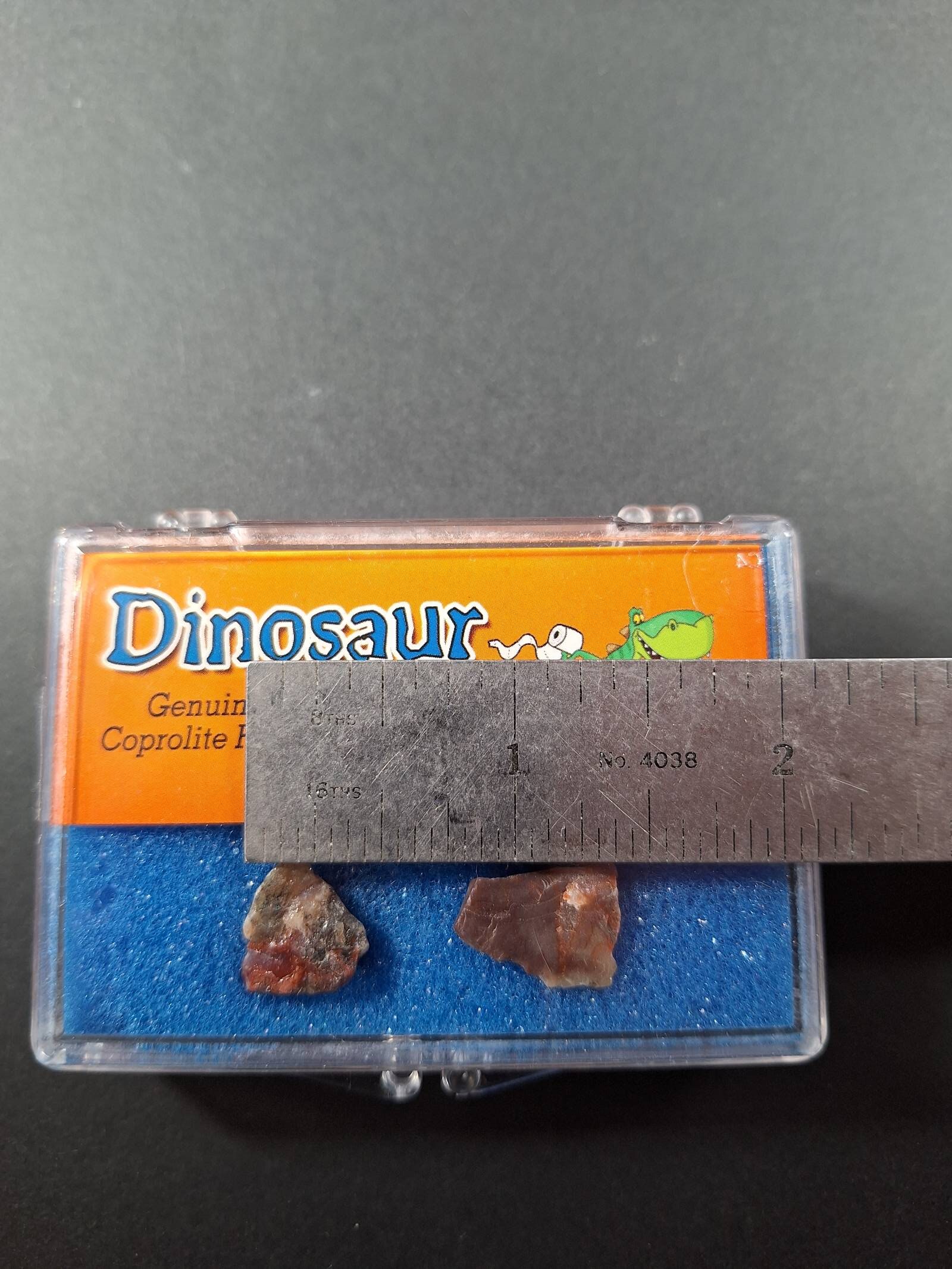
This coprolite specimen is fossilized dung presented in a protective display case measuring 3 × 2 × 0.50 inches. The display is compact enough for a fossil cabinet, shelf or teaching collection. Those measurements refer to the case rather than the fossil itself. Its exact specimen dimensions, collection locality and geological age have not been supplied.
What Is a Coprolite?
Coprolites are fossilized fecal material, classified as trace fossils because they record animal behavior rather than preserving a part of the animal’s body. That makes them different from bone and shell fossils. Under suitable burial and chemical conditions, ancient waste may become preserved in sediment and mineralized over geological time. A coprolite’s mineral composition and hardness depend on how it formed and cannot be assumed from its name alone.
Why Paleontologists Study Fossilized Dung
Coprolites can provide clues about prehistoric food webs. Some preserve fragments of bone, scales, shells or plant matter that researchers can examine to understand ancient diets. Others lack recognizable inclusions or have undergone extensive alteration. Scientists interpret these fossils using internal structure, surrounding rock, geological age and other evidence. There is no basis for claiming that this particular piece contains visible food remains without examining it.
Is It Really Dinosaur Poop?
“Dinosaur poop” is a familiar retail phrase, but coprolites were produced by many kinds of ancient animals, including fish and reptiles. Without documented geological context or diagnostic evidence, identifying the producer as a dinosaur would be speculative. This specimen is therefore accurately described as a prehistoric coprolite, with the animal responsible undetermined. That does not lessen its usefulness as an example of fossilized behavior.
Displaying and Caring for a Coprolite
A labeled coprolite makes an engaging comparison with fossil bones and teeth: one preserves a body part, while the other records an activity. Keep the specimen in its case to reduce handling and dust. Avoid soaking, harsh cleaners and abrasive brushing, as preservation and mineral composition can vary. For collectors and educators, the interest is in the unexpected way that ordinary biological activity can enter the fossil record.
Only logged in customers who have purchased this product may leave a review.

Reviews
There are no reviews yet.