Description
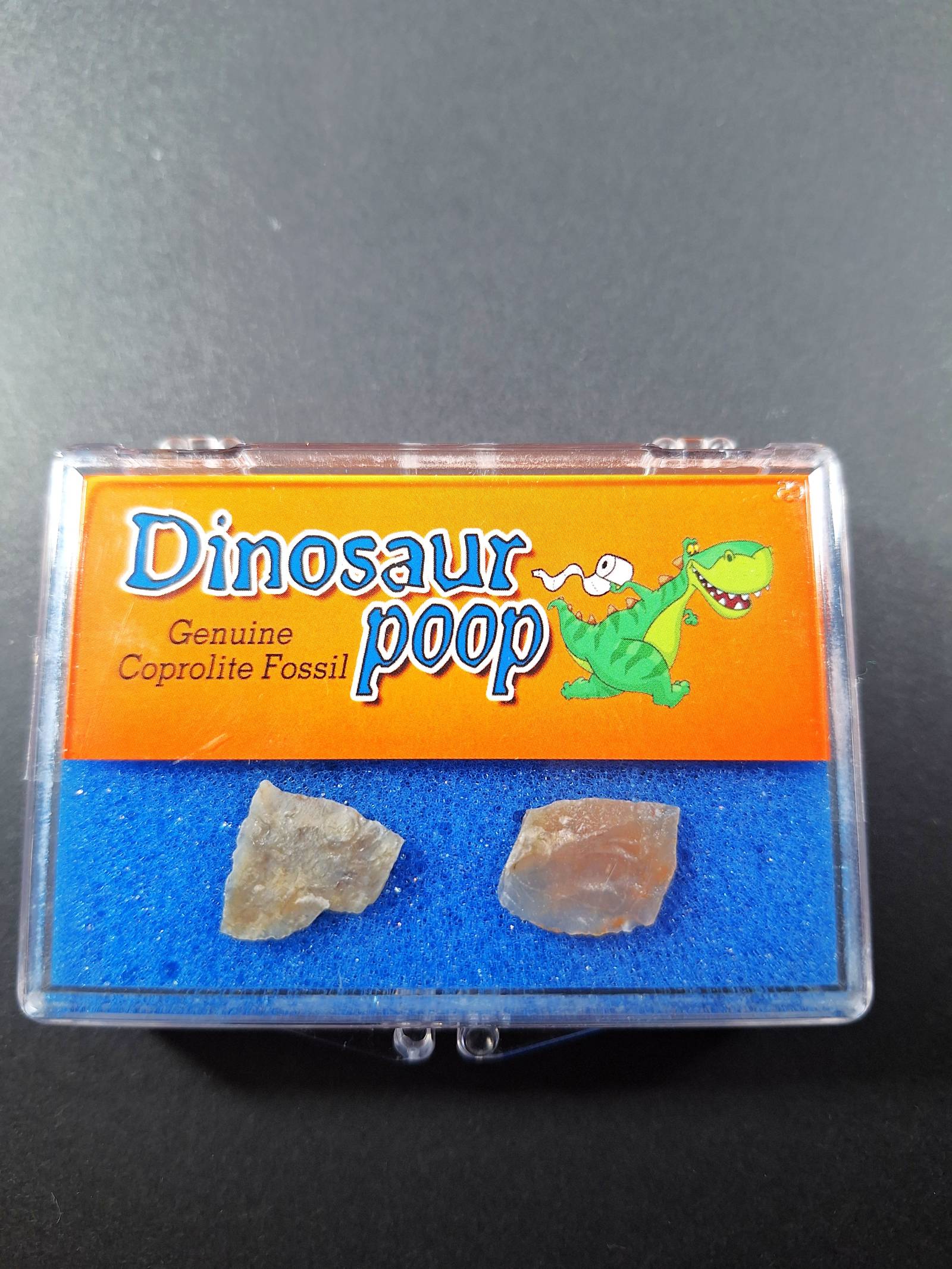
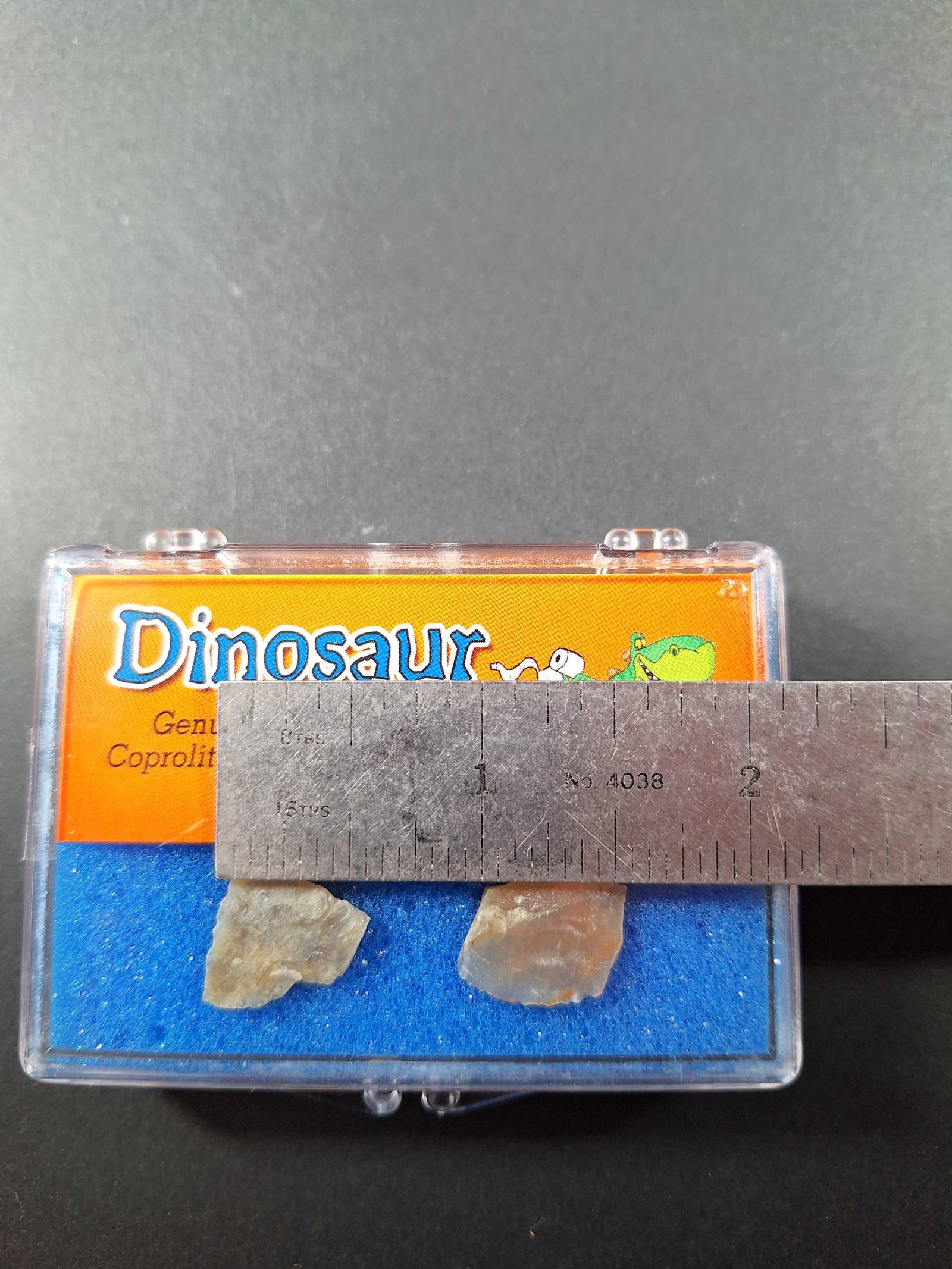
Coprolite Fossil Specimen – A Remarkable Trace of Prehistoric Life
Fossils preserve much more than the bones and shells of ancient organisms. Some of the most interesting discoveries are traces of everyday activity, including footprints, burrows, feeding marks, and fossilized waste. Coprolites belong to this fascinating category of paleontological evidence.
This coprolite specimen represents a type of fossil that can provide scientists with information about the behavior and feeding habits of animals that lived long before the present day. Rather than preserving part of an animal’s body, a coprolite preserves evidence of something the animal did.
For collectors interested in natural history, coprolites offer an unusual perspective on the fossil record. They help illustrate how seemingly ordinary biological materials can become scientifically meaningful after geological preservation.
What Exactly Is a Coprolite?
The word coprolite comes from Greek roots referring to dung and stone. It describes fossilized fecal material preserved within geological deposits.
Coprolites are classified as trace fossils, also called ichnofossils. Unlike body fossils, which preserve anatomical remains, trace fossils record biological activity.
Over time, burial, mineral deposition, and chemical changes can preserve the original form of biological waste. Some specimens become substantially mineralized, allowing them to survive for millions of years.
The composition of a coprolite varies according to its original material and preservation environment. There is no single chemical formula or universal Mohs hardness that applies to all coprolites.
What Can Scientists Learn from Coprolites?
Coprolites can contain evidence of what prehistoric animals consumed. Depending on preservation, researchers may identify fragments of bone, fish scales, shells, plant material, or other dietary remains.
These clues can help paleontologists reconstruct ancient food webs and better understand relationships between predators, prey, and their environments.
Coprolites also provide information about the habitats in which animals lived. Their presence in particular sedimentary deposits can contribute to interpretations of ancient lakes, rivers, floodplains, and other environments.
Not every specimen contains identifiable food remains, and external appearance alone may not establish its producer.
Did This Coprolite Come from a Dinosaur?
Although coprolites are often marketed as dinosaur fossils, prehistoric animals of many kinds produced fossilized waste. Fish, reptiles, and other ancient vertebrates are represented in the coprolite fossil record.
Identifying the original animal can be difficult. Paleontologists consider factors such as geological age, locality, fossil associations, internal contents, and overall shape.
Without reliable provenance or diagnostic evidence, assigning a coprolite to a specific dinosaur or other animal would be speculative.
For this specimen, the original animal and precise geological age have not been established. It is presented as a coprolite trace fossil rather than a fossil attributed to a particular species.
Geological Preservation and Scientific Interest
Coprolites form under conditions that allow biological material to survive long enough for burial and preservation. Mineral-bearing groundwater and sedimentary processes can alter the original material, sometimes producing a durable fossil.
Different environments produce different preservation characteristics, which is why coprolites vary widely in shape, texture, color, and composition.
The study of coprolites is part of paleontology and ichnology, the scientific investigation of fossil traces. These specimens are valuable because they preserve evidence of behavior that bones alone may not reveal.
Collecting and Displaying Coprolite Fossils
Coprolites are popular educational specimens because they introduce an unexpected aspect of fossilization. They can be displayed alongside fossil bones, teeth, shells, and other trace fossils to illustrate the different ways prehistoric life is preserved.
Their unusual origin also makes them useful conversation pieces for fossil enthusiasts, students, and natural history collectors.
For educational display, a label identifying the specimen as a coprolite trace fossil is appropriate. Any specific locality, age, or animal attribution should be added only when supported by documentation.
Care and Handling
Because coprolites vary in mineral composition and preservation, gentle dry cleaning is the safest general approach.
Use a soft brush to remove loose dust and avoid soaking the specimen or applying household cleaning chemicals. Some fossils contain fragile surfaces, natural fractures, or mineral components that may be affected by moisture.
Keep the specimen in a stable display location away from accidental impacts. A padded storage compartment or protective display container can help prevent damage during handling.
Traditional Symbolism and Collecting Meaning
Unlike crystals such as quartz or amethyst, coprolites do not have a widely established historical tradition of chakra or metaphysical associations.
Some contemporary collectors view fossils symbolically as reminders of transformation, the passage of time, and the interconnectedness of life and the natural world. These interpretations are personal or spiritual rather than scientifically established properties.
A Different Perspective on the Fossil Record
A coprolite may be an unexpected addition to a fossil collection, but its scientific significance is straightforward: it preserves evidence of ancient biological activity.
For collectors who enjoy learning how paleontologists reconstruct prehistoric ecosystems, this specimen offers a distinctive example of how much information can survive in the geological record.
It is a reminder that understanding ancient life involves more than studying the animals themselves. Sometimes, the traces they left behind are just as interesting.

Reviews
There are no reviews yet.