Meteorites Tektites

Discover the fascinating world of meteorites — rare rocks from space that have traveled millions of miles before reaching Earth. Learn about iron, stony, and stony-iron meteorites, their origins, classification, and role in planetary history. Articles explore meteorite collecting, scientific research, and metaphysical connections to cosmic energy. Whether you’re drawn to meteorites for their beauty, geology, or spiritual symbolism, this category helps you explore their mysteries and value as ancient celestial visitors.

✨ For more insights into meteorites and their cosmic journey, check out our Mine to Mind Blog

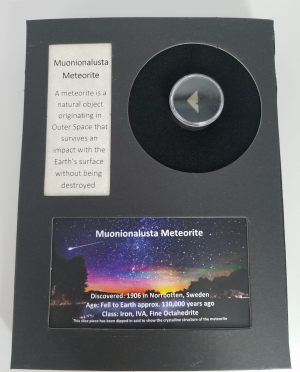
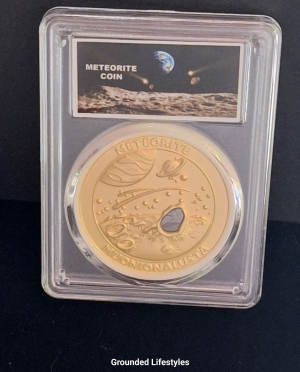
Meteorites are fragments of asteroids, planets, or the Moon that survive their fiery passage through Earth’s atmosphere, while tektites are natural glasses formed when meteorite impacts melt terrestrial rock.

Types of Meteorites

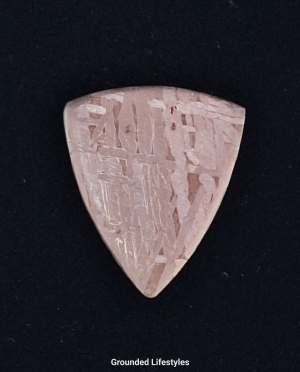
  • Iron Meteorites → Composed mainly of iron and nickel, often displaying the famous Widmanstätten pattern when cut and etched.

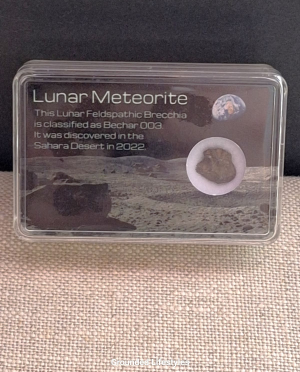
  • Stony Meteorites → Include chondrites (containing ancient chondrules, some of the oldest material in the solar system) and achondrites (from differentiated planetary bodies like Mars or the Moon).

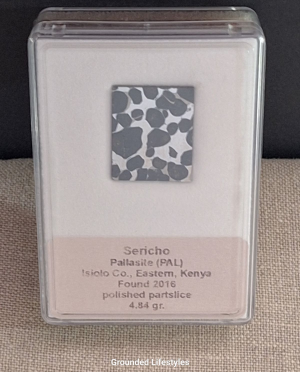
  • Stony-Iron Meteorites → Rare pallasites, featuring olivine crystals suspended in a nickel-iron matrix, prized for their gemlike appearance.

Tektites

  • Moldavite (Czech Republic) → Green, bottle-glass colored impact glass linked to the Ries crater event ~15 million years ago.

  • Australites (Australia) and Indochinites (Southeast Asia) → Black, aerodynamic impact glasses scattered across “strewn fields.”

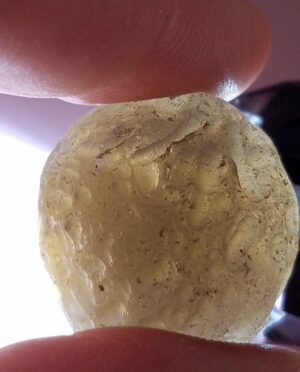
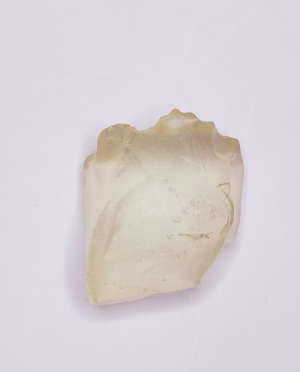
  • Libyan Desert Glass (Egypt/Libya) → Golden-yellow impact glass, believed to have formed ~29 million years ago; ancient Egyptians used it in jewelry (Tutankhamun’s scarab).

Scientific Significance

  • Meteorites are time capsules of the early solar system, older than Earth itself (~4.5 billion years).

  • Some contain presolar grains — microscopic dust older than the Sun.

  • Study of meteorites reveals planetary formation, core differentiation, and the chemistry of early space materials.

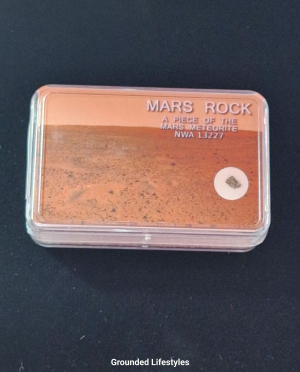
  • Northwest Africa (NWA) → A major source of classified and unclassified stony meteorites, including Martian and lunar finds.

  • Campo del Cielo (Argentina) → Large iron meteorites, often sold as slices or weights.

  • Gibeon (Namibia) → Iron meteorites with striking Widmanstätten patterns, highly collectible.

  • Sikhote-Alin (Russia) → Witnessed fall in 1947; shrapnel-like iron fragments popular with collectors.

  • Czech Republic → Moldavite tektites from the Ries impact event.

  • Egypt/Libya → Libyan Desert Glass, historically significant and visually striking.

  • Australia & Southeast Asia → Australites and Indochinites from strewn fields, often aerodynamic in shape.

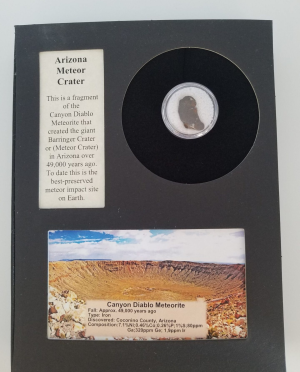
  • USA → Meteorites found in Arizona (famous Canyon Diablo fragments from Meteor Crater).

Meteorites and tektites appeal to serious collectors, science enthusiasts, and décor buyers.

Collector Value

  • Rarity → Lunar and Martian meteorites are among the rarest materials on Earth.

  • Classification → Certified, scientifically classified specimens hold higher value (often sold with lab-provided ID numbers).

  • Aesthetic Appeal → Widmanstätten patterns, translucent pallasite olivine crystals, or sculptural tektites elevate desirability.

  • Size & Shape → Smaller fragments are affordable entry points; large or complete pieces are museum-grade.

Care

  • Iron Meteorites: Susceptible to rust (“terrestrial weathering”). Keep dry, handle with gloves, and occasionally oil or seal to prevent oxidation.

  • Stony Meteorites: More stable but fragile if porous. Display under glass for protection.

  • Tektites: Durable natural glass but can chip if dropped. Store separately from softer minerals.

Market Segments

  • Collectors/Investors → focus on provenance and classification.

  • Educational Buyers → classroom kits, small fragments for teaching.

  • Decorative Buyers → tektite bowls, moldavite pendants, meteorite jewelry.

Display Tips

  • Iron meteorite slices glow under directional light, highlighting crystalline patterns.

  • Moldavite and Libyan Desert Glass are best displayed with backlighting for translucency.

  • Groupings by type (iron, stony, tektite) tell visual “cosmic” stories.

Meteorites and tektites are prized metaphysically for their cosmic origins and associations with transformation, expansion, and higher consciousness.

Metaphysical Associations

  • Meteorites: Seen as conduits of cosmic energy and change. They symbolize grounding while connecting to higher realms. Iron meteorites in particular embody strength, endurance, and cosmic stability.

  • Moldavite: Famous in metaphysical circles as a “stone of transformation.” Believed to accelerate spiritual growth, open consciousness, and trigger personal breakthroughs.

  • Libyan Desert Glass: Associated with solar energy, creativity, and ancient wisdom. Revered in Egyptian tradition, it carries themes of protection and rebirth.

  • Indochinites & Australites: Used for grounding energy and past-life exploration.

Cultural & Historical Context

  • Egyptians used Libyan Desert Glass in amulets and royal regalia.

  • Moldavite has been incorporated into European talismans since at least the Middle Ages.

  • Across cultures, “stones from the sky” were considered divine gifts or messages.

Styling Applications

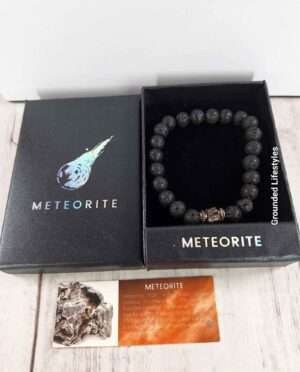
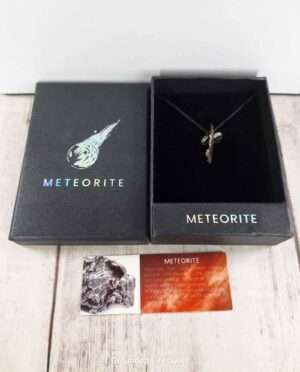
  • Jewelry: Moldavite pendants, meteorite rings, and bracelets carry both conversation and symbolic power.

  • Home Décor: Meteorite slices in display boxes or tektite bowls as natural sculptures.

  • Meditation & Rituals: Used as focus tools for expansion, astral connection, and transformation practices.

  • Gifting: Meteorites and tektites make symbolic gifts for milestones, representing life change and cosmic alignment.

Tektites vs. Meteorites What is the Difference?
Collector’s Field Guide to Space Rocks (Free e-Book)
Meteorites 101: Identifying, Collecting & Preserving Space Rocks
How to Display Fossils & Meteorites Safely at Home
Meteorites: Ancient Space Rocks That Fall to Earth
Shop Meteorites & Tektites
Shop Minerals
Shop Crystal Points
Explore the Mine to Mind Articles

🏜️ Connect With Grounded Lifestyles in Person

Experience the wonder of crystals, minerals, and fossils firsthand at our Arizona marketplace booths and seasonal gem shows. Each event brings the beauty of our online collection to life — with exclusive specimens, show specials, and one-of-a-kind artisan pieces you won’t find anywhere else.

✨ Meet Us at Local Markets & Shows
Join us at Anthem Market in the ParkClarkdale Market, and Westgate Entertainment Artisan Alley — or explore our full schedule on the Events Hub.
Each event listing includes dates, maps, and featured products so you can plan your visit and shop in person.

🪶 Shop at Our Booth Locations Across Arizona
Find Grounded Lifestyles displays in West SedonaPrescott, and Payson — each booth curated with local favorites and collector’s pieces from our online store.
Visit our Store Booth Locations page for current hours, directions, and featured inventory.