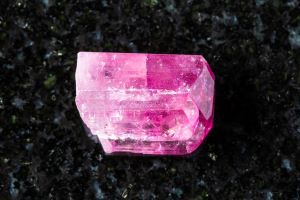
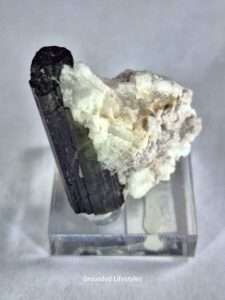
Tourmaline ranges from abundant black schorl to exceptionally scarce gem-quality material, making it accessible to beginning collectors while also supporting a sophisticated high-end collector market.
When evaluating tourmaline, consider:
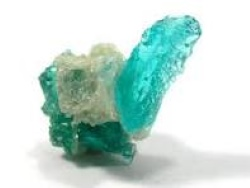
Crystal form — Well-defined terminations, natural striations, and attractive crystal habits can increase specimen appeal.
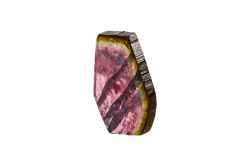
Color and zoning — Saturation, unusual color combinations, and clearly defined zoning are especially desirable in colored tourmaline.
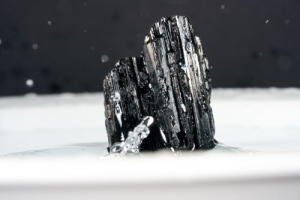
Transparency — Transparency can be important in gem material, although opaque tourmalines such as schorl can be outstanding mineral specimens.
Condition — Examine terminations and crystal edges carefully for natural contacts, chips, repairs, or restoration.
Locality and provenance — Documented mining locality and collection history can add scientific and collector interest.
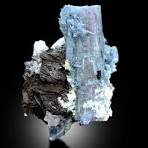
Associated minerals — Tourmaline occurring naturally with quartz, feldspar, lepidolite, albite, or other pegmatite minerals can create particularly attractive specimens.
Natural versus treated material — Collectors should understand whether color or appearance has been altered and purchase from sources that clearly describe known treatments.
Whether you’re looking for classic black schorl, colorful tourmaline, or an unusual collector specimen, explore our current Tourmaline specimens for sale to see what is available now.