Description
Red Apatite – Yates Mine, Quebec
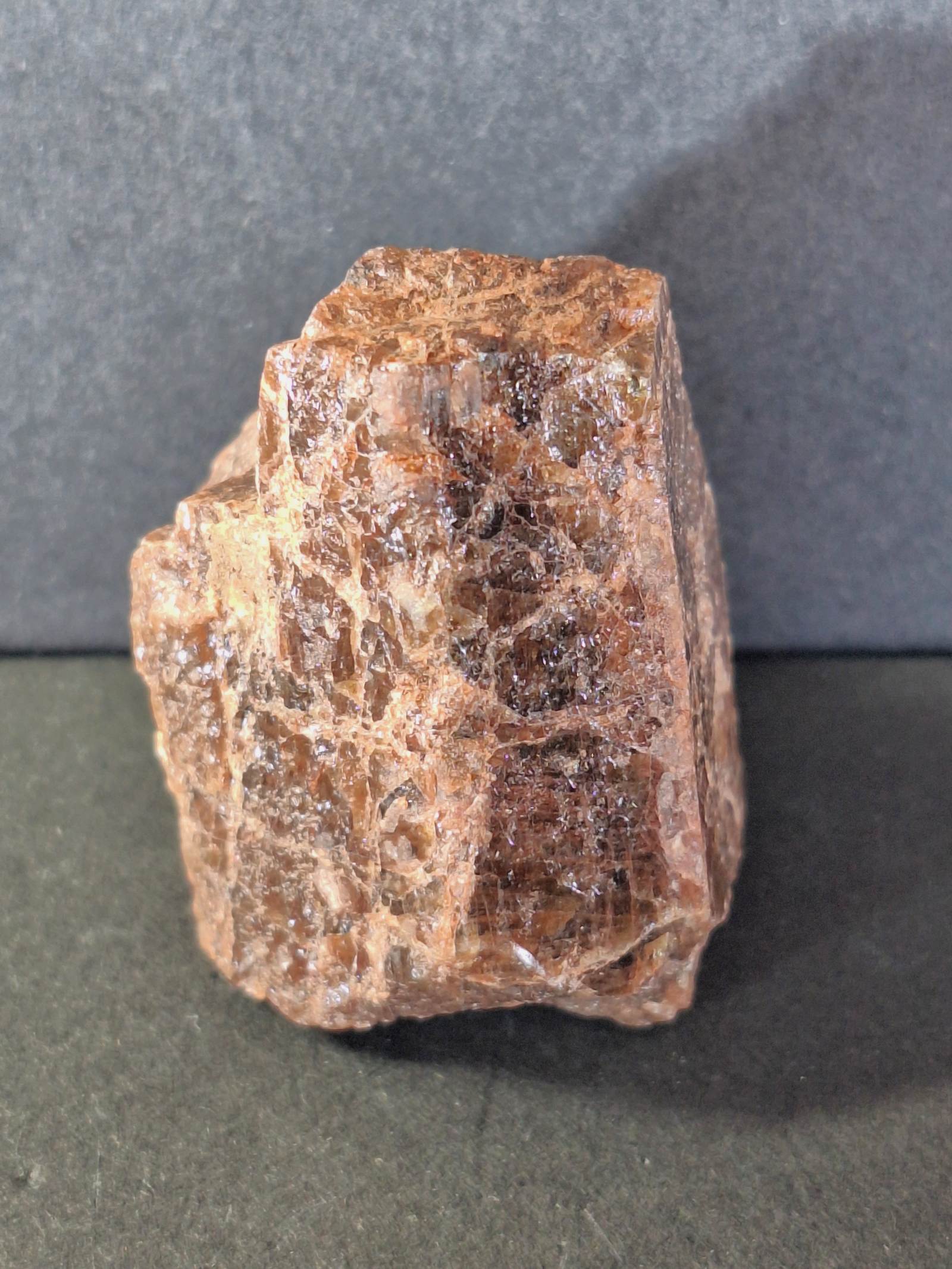
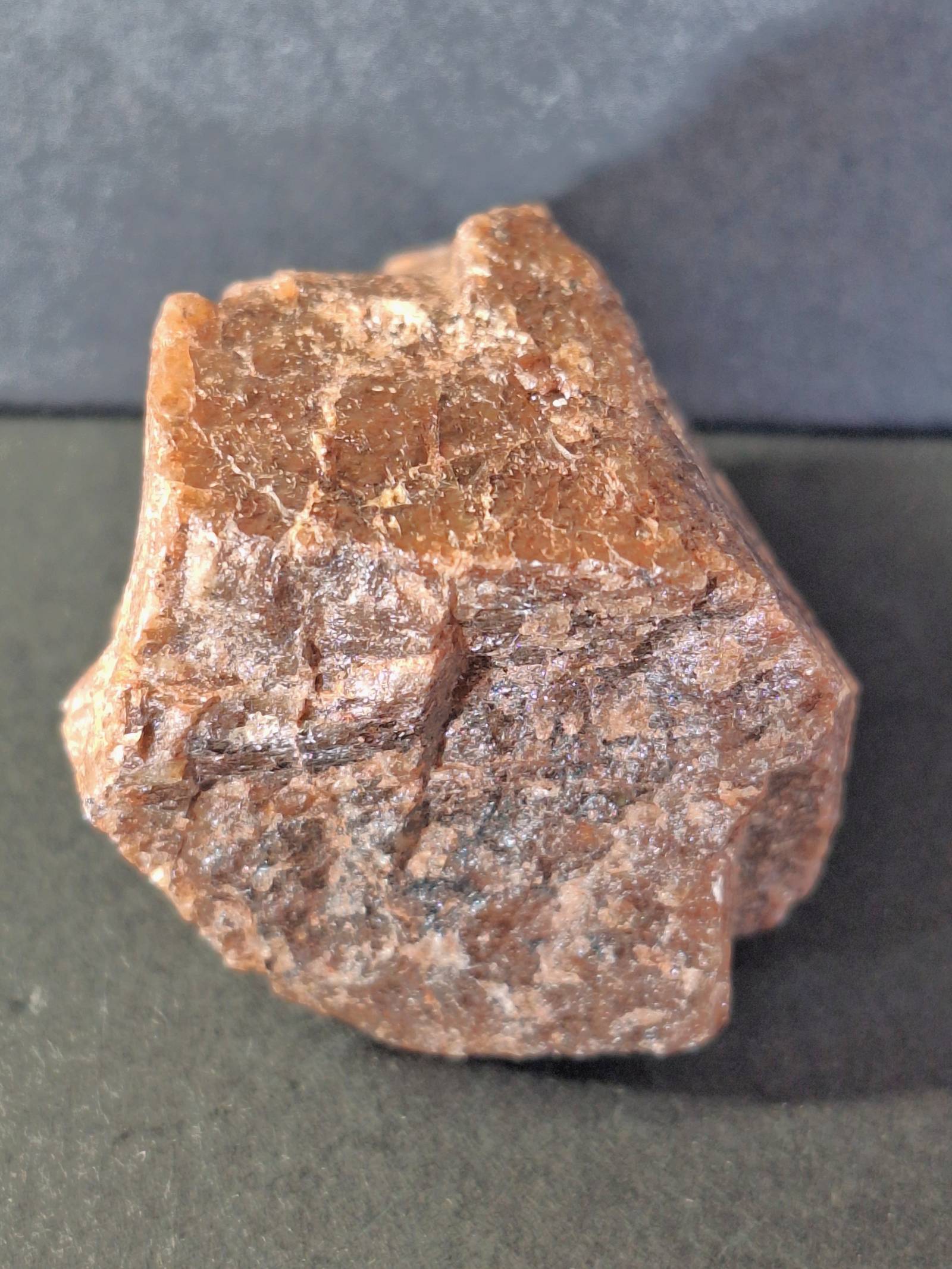
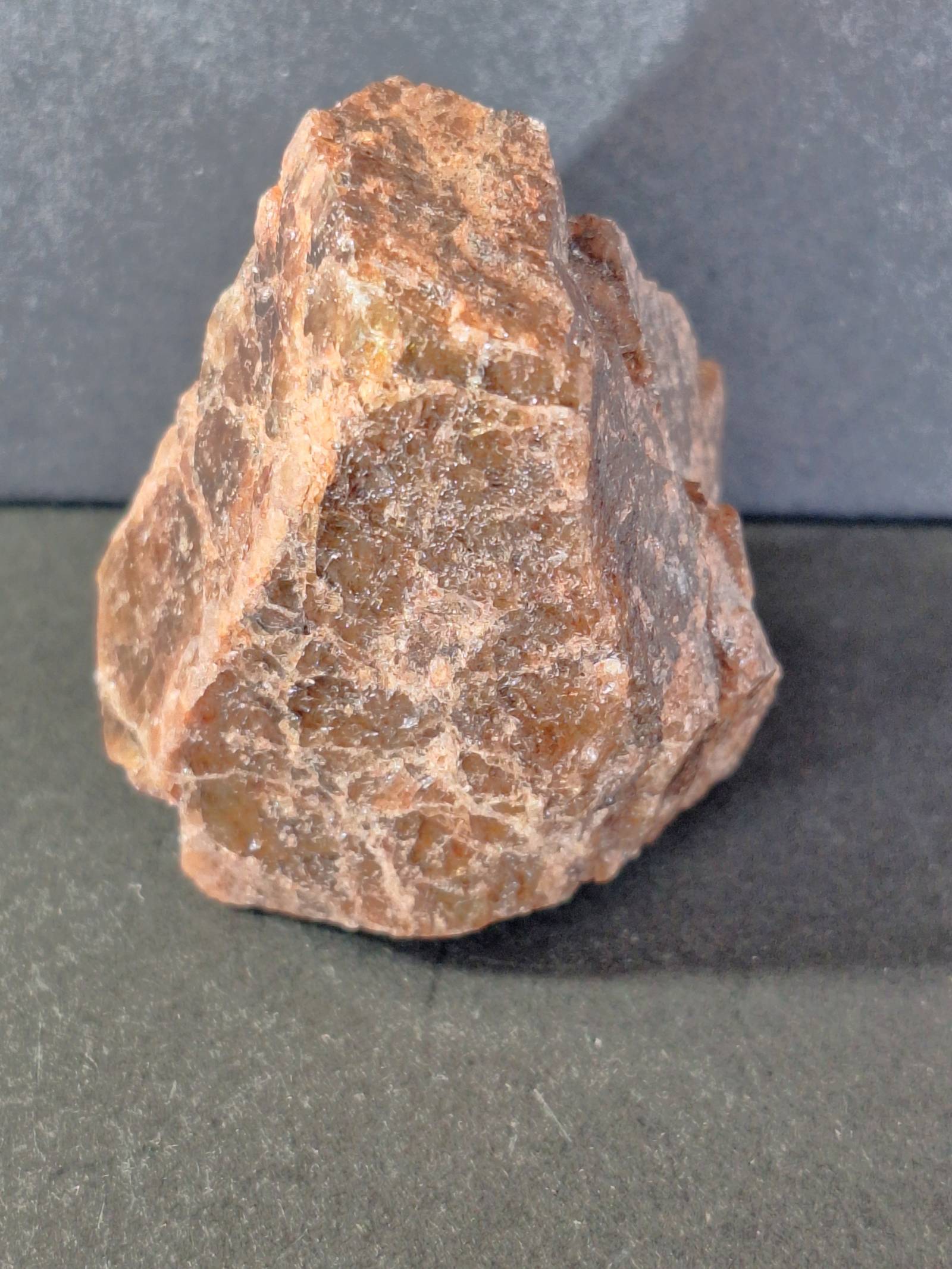
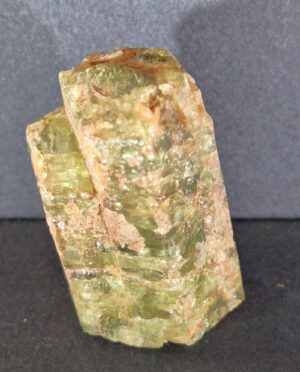
The first impression of this Yates Mine apatite is its dense, blocky form. Broad reddish-brown crystal surfaces step around the top and sides, while amber and darker brown areas appear beneath a network of fine surface lines and internal-looking fractures. Light catches numerous small facets across the front. It is a compact specimen with a strong, sculptural outline, quite different from the slender two-crystal Bancroft apatite in this collection.
Historic Locality and Collection Provenance
The Yates Mine near Otter Lake in Quebec’s Pontiac region is a well-documented mineral locality. Published mineralogical records describe its uranium-thorium history and a diverse mineral assemblage that includes apatite and fluorapatite, as well as calcite and other minerals. The mine is particularly meaningful to collectors who study the phosphate-rich and complex geological occurrences of western Quebec. This specimen is attributed specifically to Yates Mine in the Donald Wininger Collection, assembled during the 1950s and 1960s; that period describes the collection history.
Mineralogy and Crystal Growth
Apatite-group minerals are calcium phosphates commonly represented by the formula Ca₅(PO₄)₃(F,Cl,OH), depending on the dominant anion. They crystallize in the hexagonal system and have a Mohs hardness of 5. The Yates Mine is also a recognized fluorapatite locality, but the precise apatite species of this individual specimen has not been analytically confirmed. The brown-red coloration, prominent blocky habit, and reflective surfaces are the visible distinguishing characteristics of this piece.
Examining the Crystal Surfaces
The specimen’s stepped outline is a useful feature for examining apatite’s crystal geometry. Viewed from above, its irregular top catches the light differently from the broad, darker faces on the front. Some sections appear more reflective and glassy, while others show natural roughness and closely spaced lines. These visible contrasts help distinguish the individual piece from polished apatite used in jewelry.
Traditional Crystal Associations
In contemporary crystal traditions, apatite is associated with curiosity, self-expression, and setting purposeful goals. Some practitioners use green apatite symbolically for growth and renewal, while warmer-toned crystals may be used as reminders of determination. These are spiritual interpretations, not scientifically demonstrated effects.
Care and Display
With a Mohs hardness of 5, apatite is more easily scratched than quartz. Handle by its solid body, avoid knocks to crystal edges, and dust gently with a soft dry brush. Do not soak or use household cleaners. A stable display shelf away from direct handling is recommended.
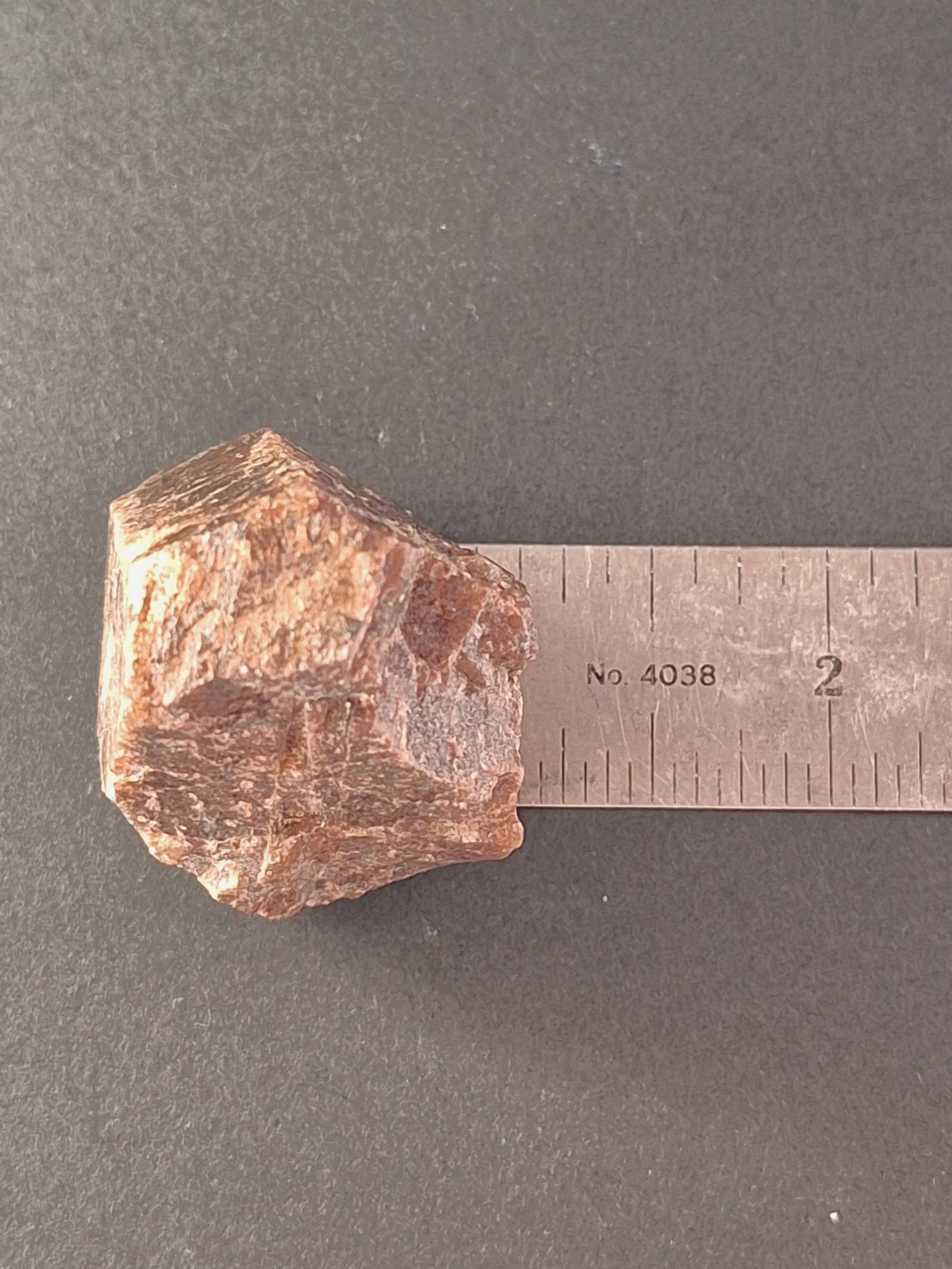
Specimen size: 1x1x1.5 inches. Locality: Yates Mine, Quebec. Provenance: Donald Wininger Collection, assembled during the 1950s–1960s. The individual specimen photographed is the one offered.
Only logged in customers who have purchased this product may leave a review.



Reviews
There are no reviews yet.