Description
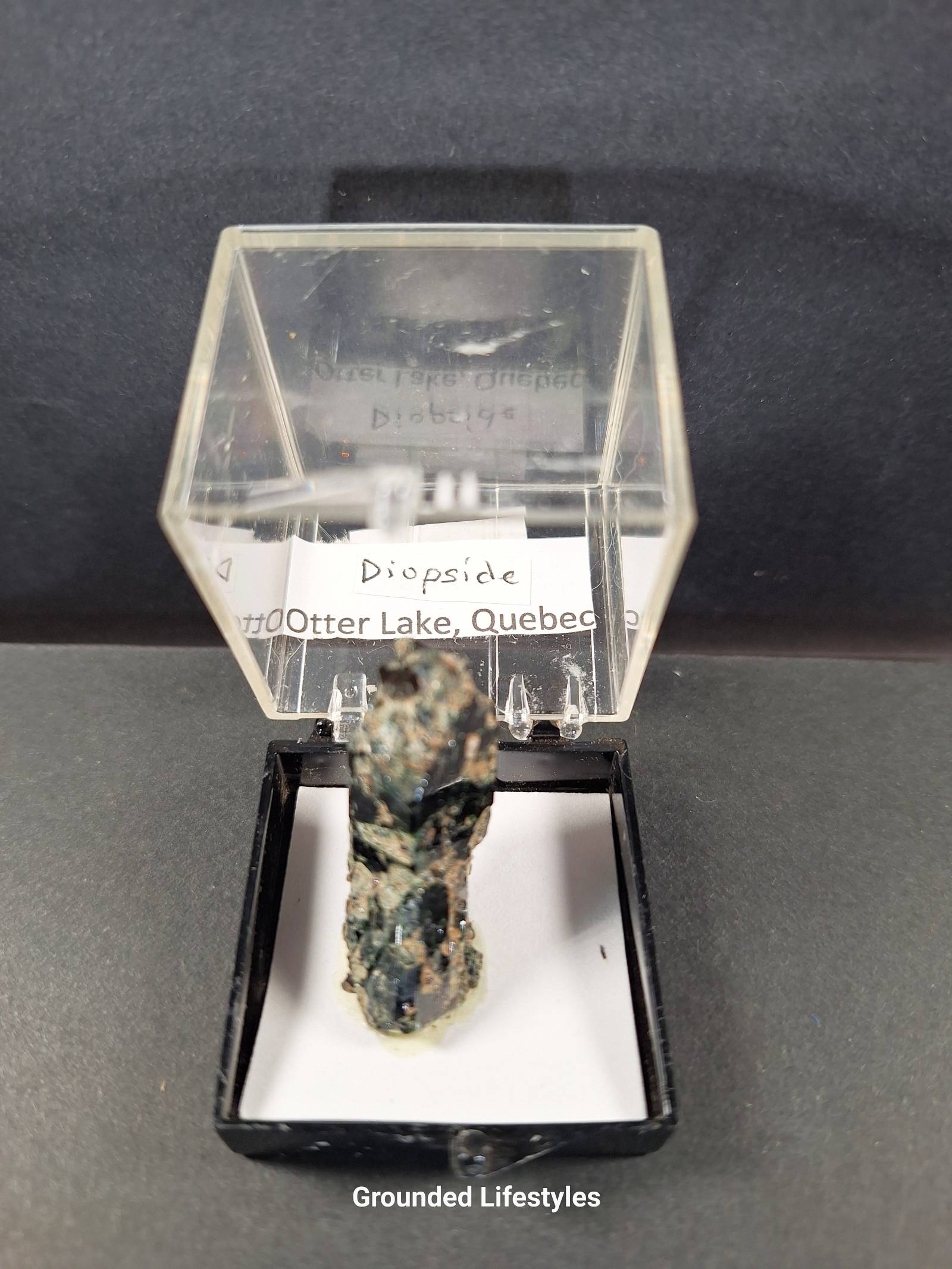
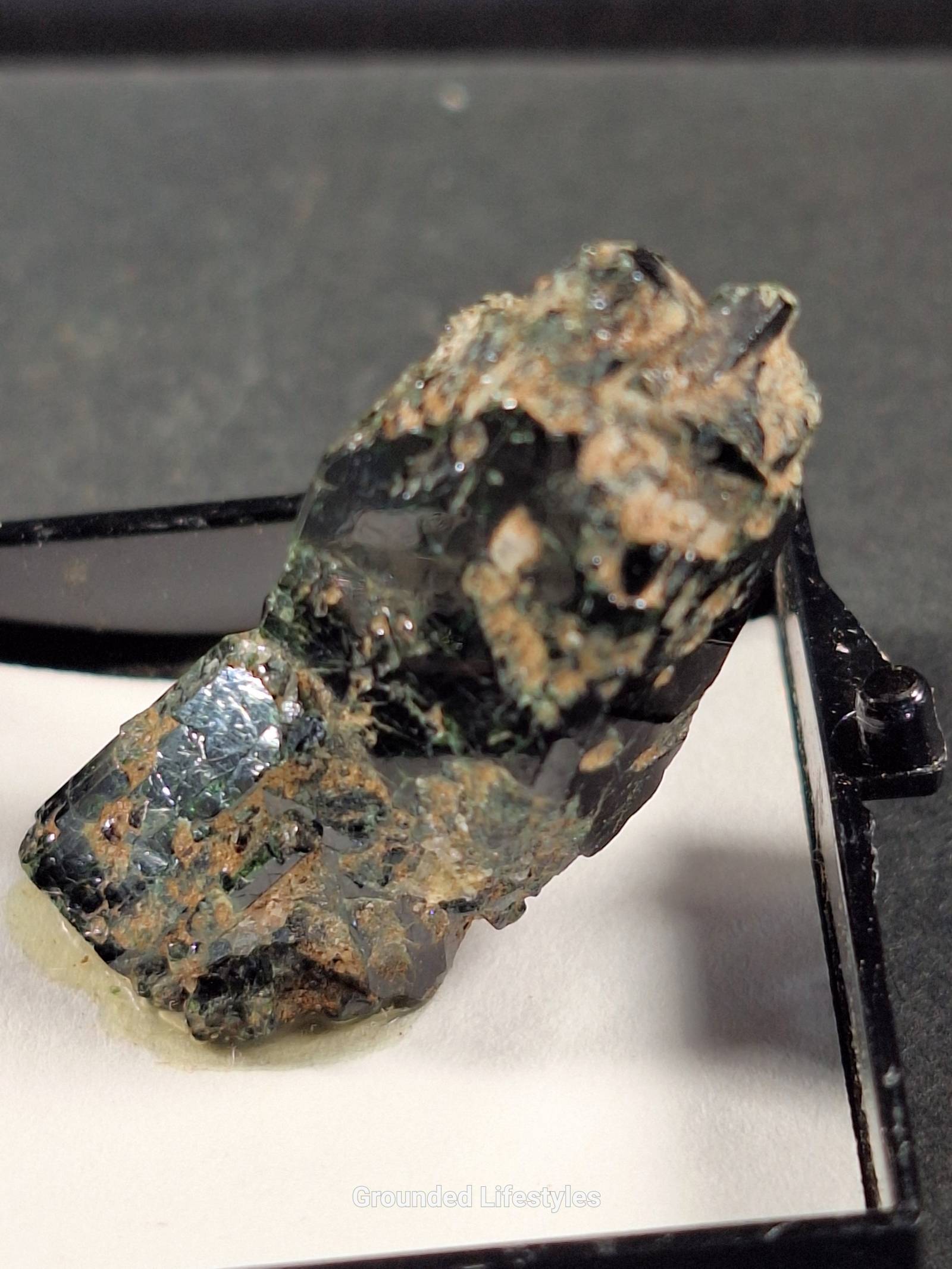
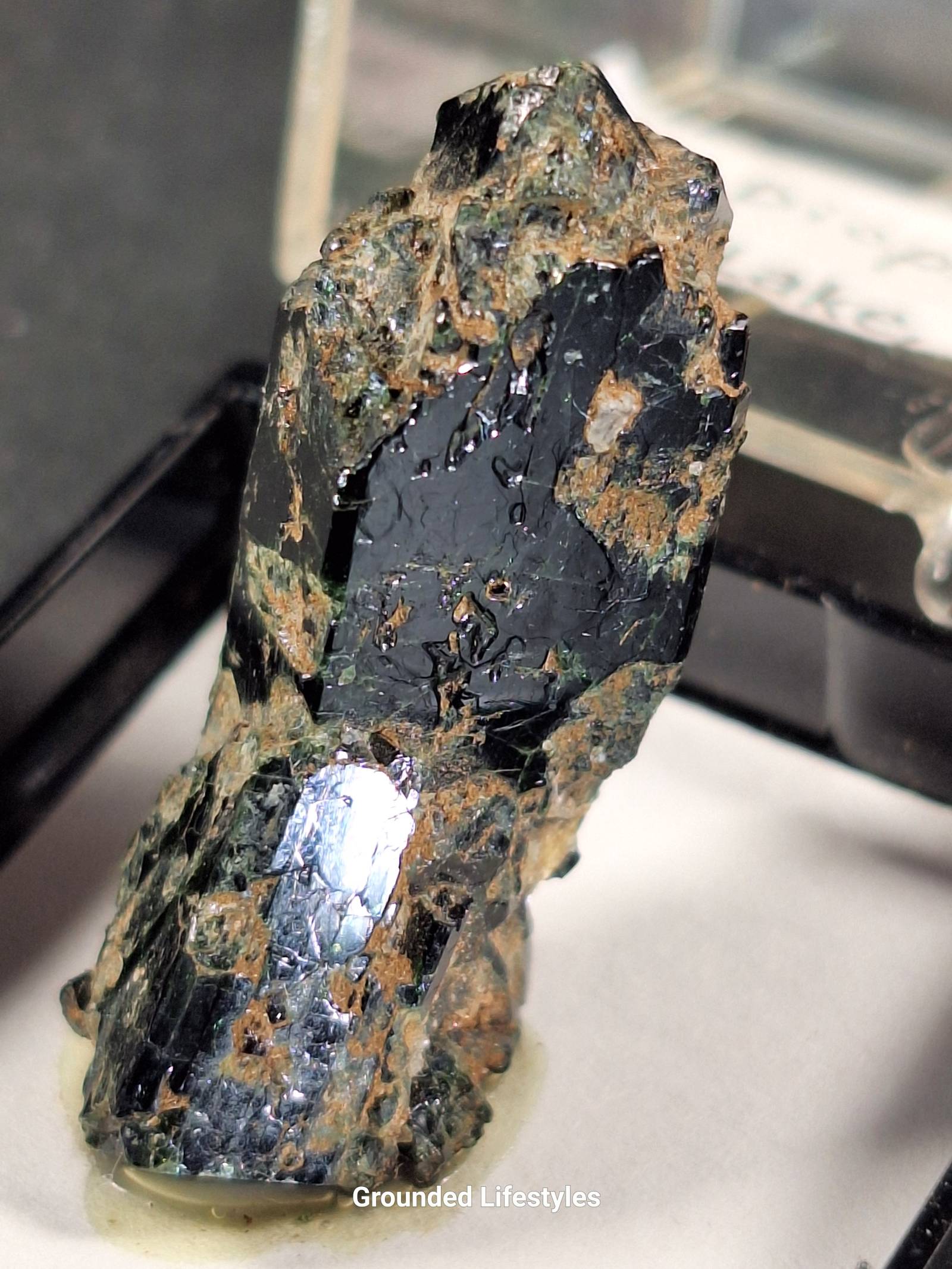
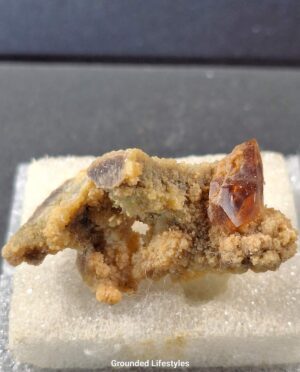
Diopside from Otter Lake, Québec
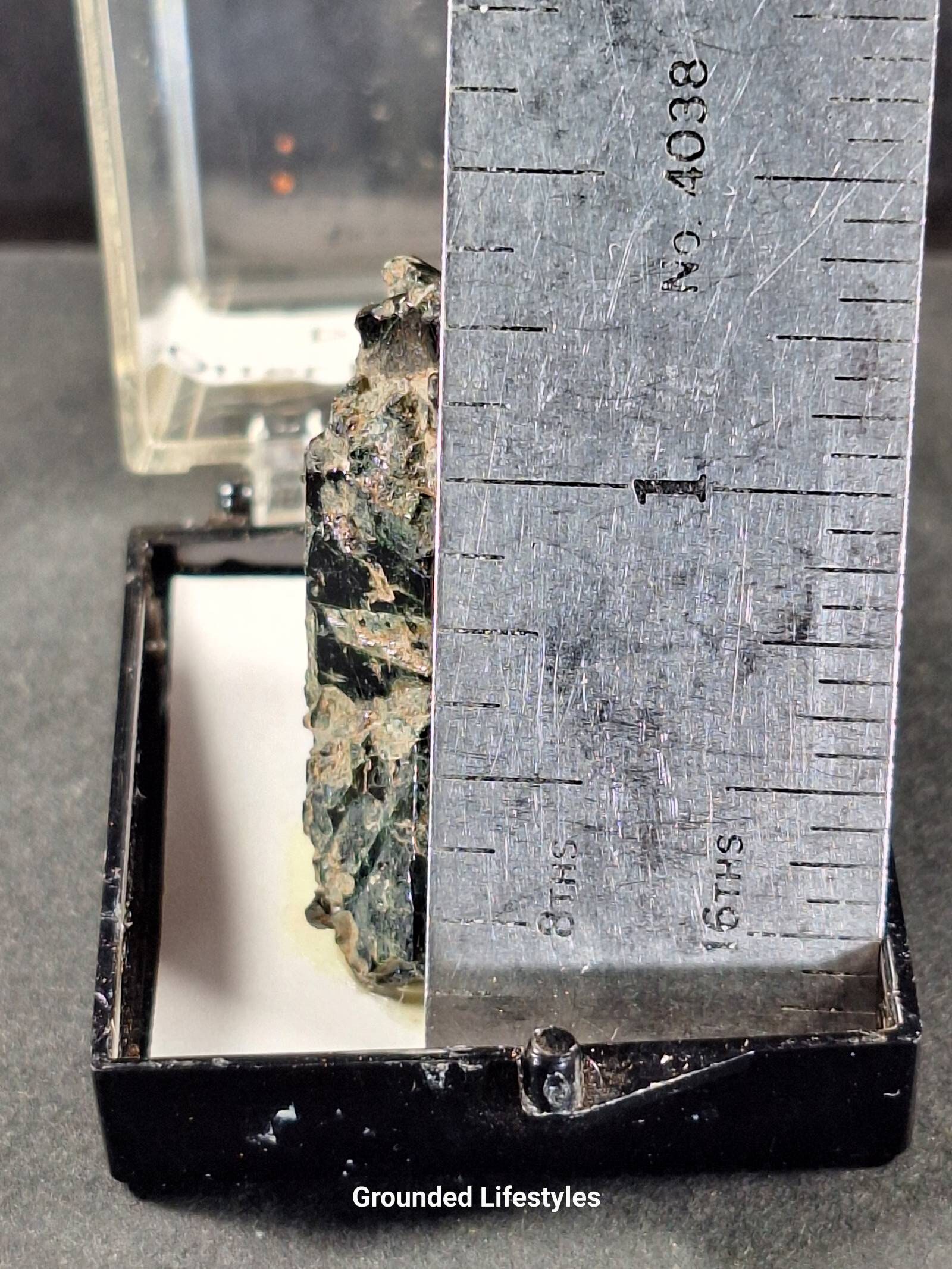
This natural diopside specimen is labeled from Otter Lake in the Outaouais region of Québec, Canada, and comes from the Donald Wininger Collection. It is offered in a compact 1.25 × 1.25 × 1.25-inch perky box, making it practical to organize with other Canadian locality specimens. The measurements describe the display box, not the mineral itself.
Otter Lake Mineral Locality and Collecting History
Otter Lake lies within Pontiac Regional County Municipality, a part of western Québec known to mineral collectors for a diverse assortment of silicates, phosphates, and other minerals. Published mineral records document diopside in the Otter Lake area, including at the Yates Mine and the Huddersfield Uranium Mine. The Yates locality is also associated with minerals such as fluorapatite, scapolite, calcite, and phlogopite, illustrating the mineralogical variety of the district.
Geology and Mineral Formation
Diopside is a calcium-magnesium silicate with the chemical formula CaMgSi₂O₆. It belongs to the clinopyroxene group and crystallizes in the monoclinic system. Diopside can form in metamorphosed carbonate rocks where heat and chemical reactions allow calcium, magnesium, and silica to combine. It also occurs in certain igneous rocks and other mineral-rich geological environments. Its composition and occurrence make it a useful example of how rock chemistry and geological conditions influence mineral growth.
Diopside commonly forms prismatic crystals or granular masses. Across the species, colors range from pale or dark green to white, gray, brown, and nearly colorless, depending on composition and impurities. Its Mohs hardness is approximately 5.5–6.5, but its distinct cleavage means a crystal can still chip if dropped or pressed against harder specimens.
Metaphysical Meaning and Traditional Uses
In contemporary crystal traditions, diopside is often associated with emotional balance, personal growth, compassion, and a stronger connection with the natural world. Green varieties in particular are sometimes linked symbolically with the heart chakra and themes of renewal. Collectors who incorporate minerals into meditation or intention-setting may use diopside as a reminder to approach change thoughtfully and remain open to learning. These are cultural and spiritual interpretations, not scientifically established effects or medical benefits.
Care, Display, and Provenance
Store this specimen securely in its perky box and avoid impacts, abrasion, or contact with harder minerals. Dust gently with a soft, dry brush rather than using harsh cleaning chemicals or ultrasonic equipment. Keep its locality and collection labels together, since provenance is an important part of the appeal of older mineral collections. The specimen is from Otter Lake, Québec, and the Donald Wininger Collection. The included perky box measures 1.25 × 1.25 × 1.25 inches.
Only logged in customers who have purchased this product may leave a review.


Reviews
There are no reviews yet.