Description
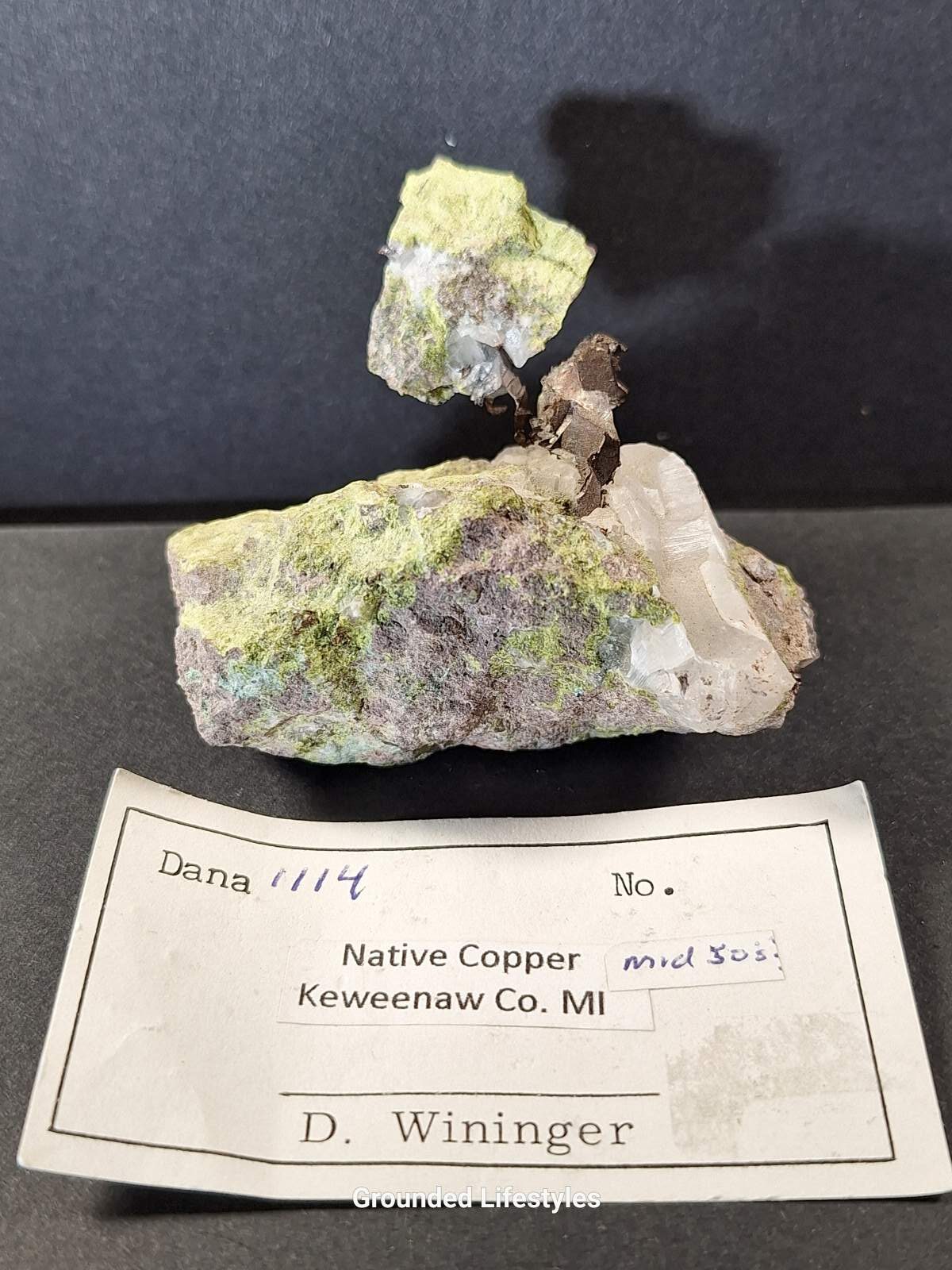
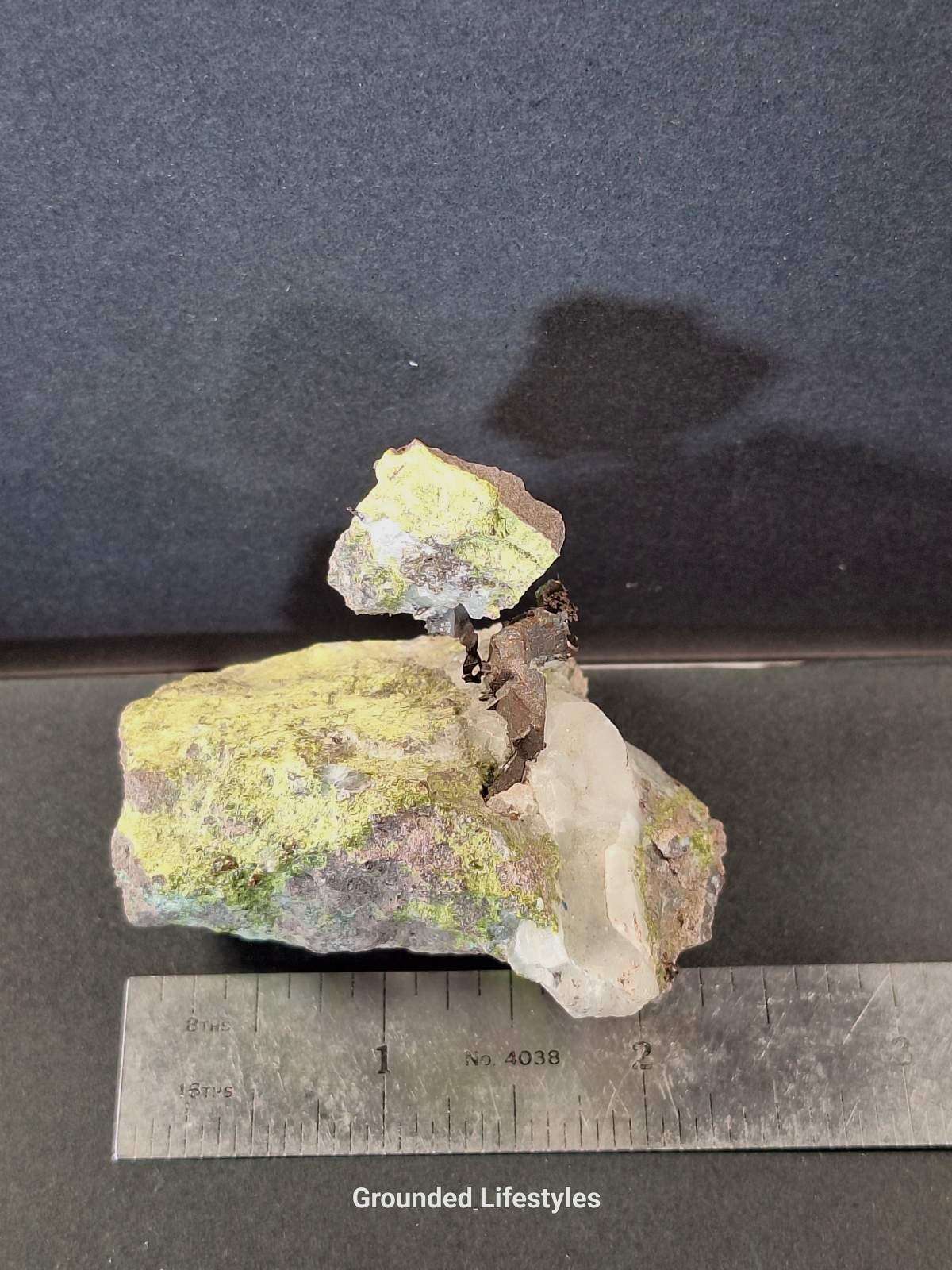
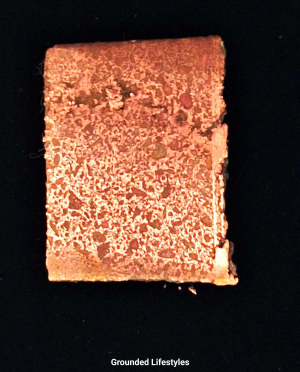
This Native Copper from Keweenaw County, Michigan is an older collector specimen dating to the mid-1950s, according to the original Donald Wininger Collection label accompanying the piece.
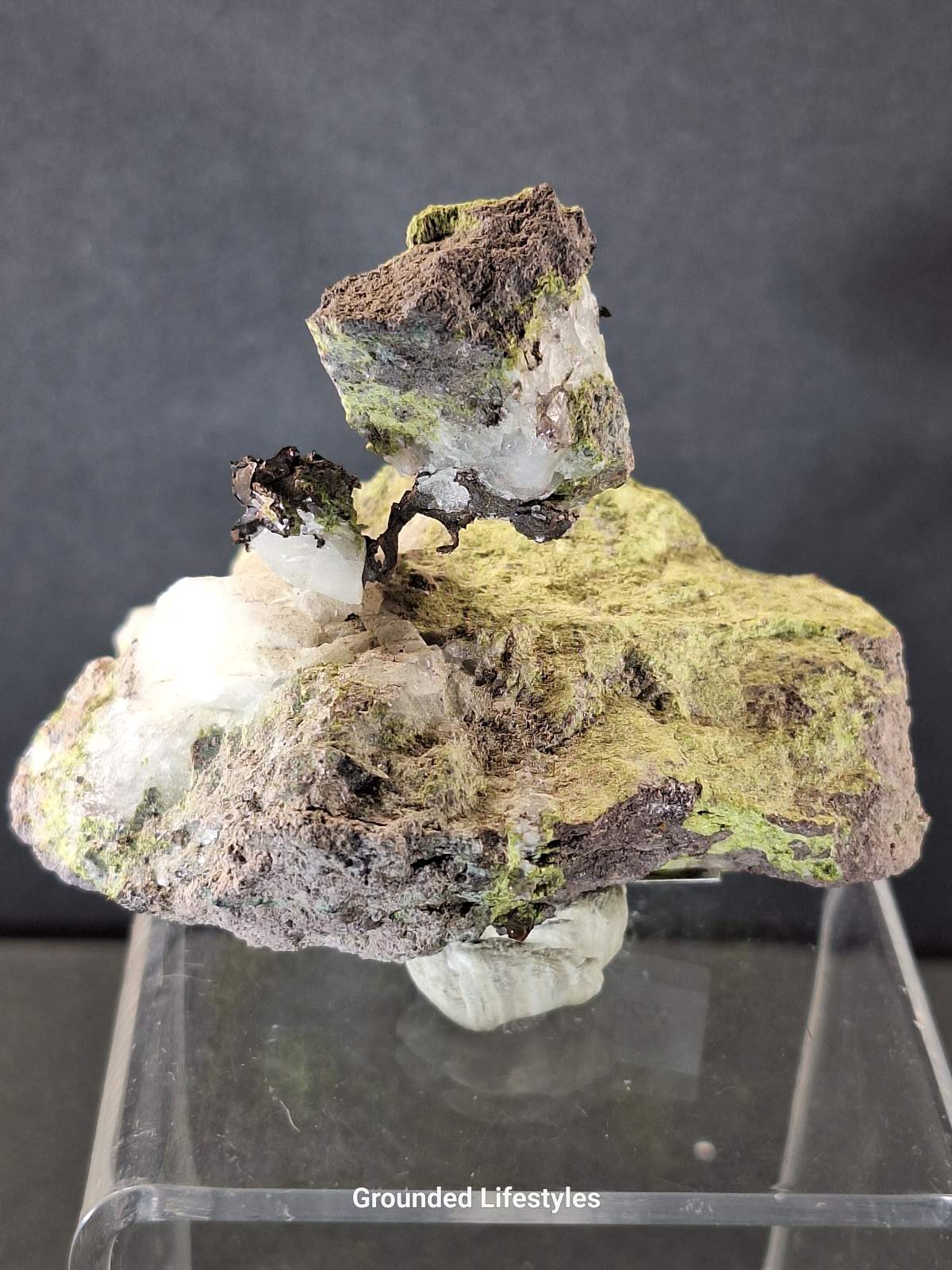
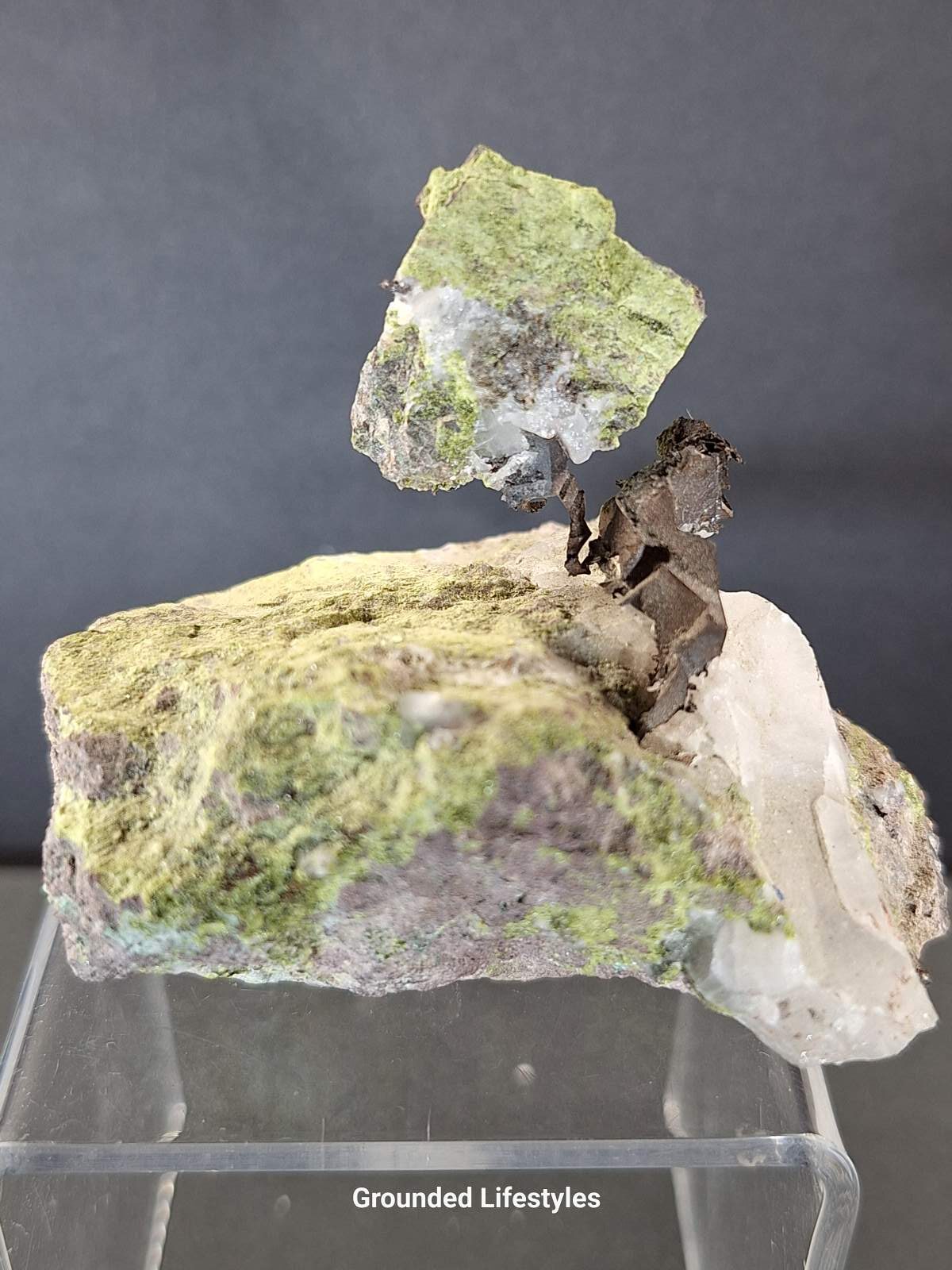
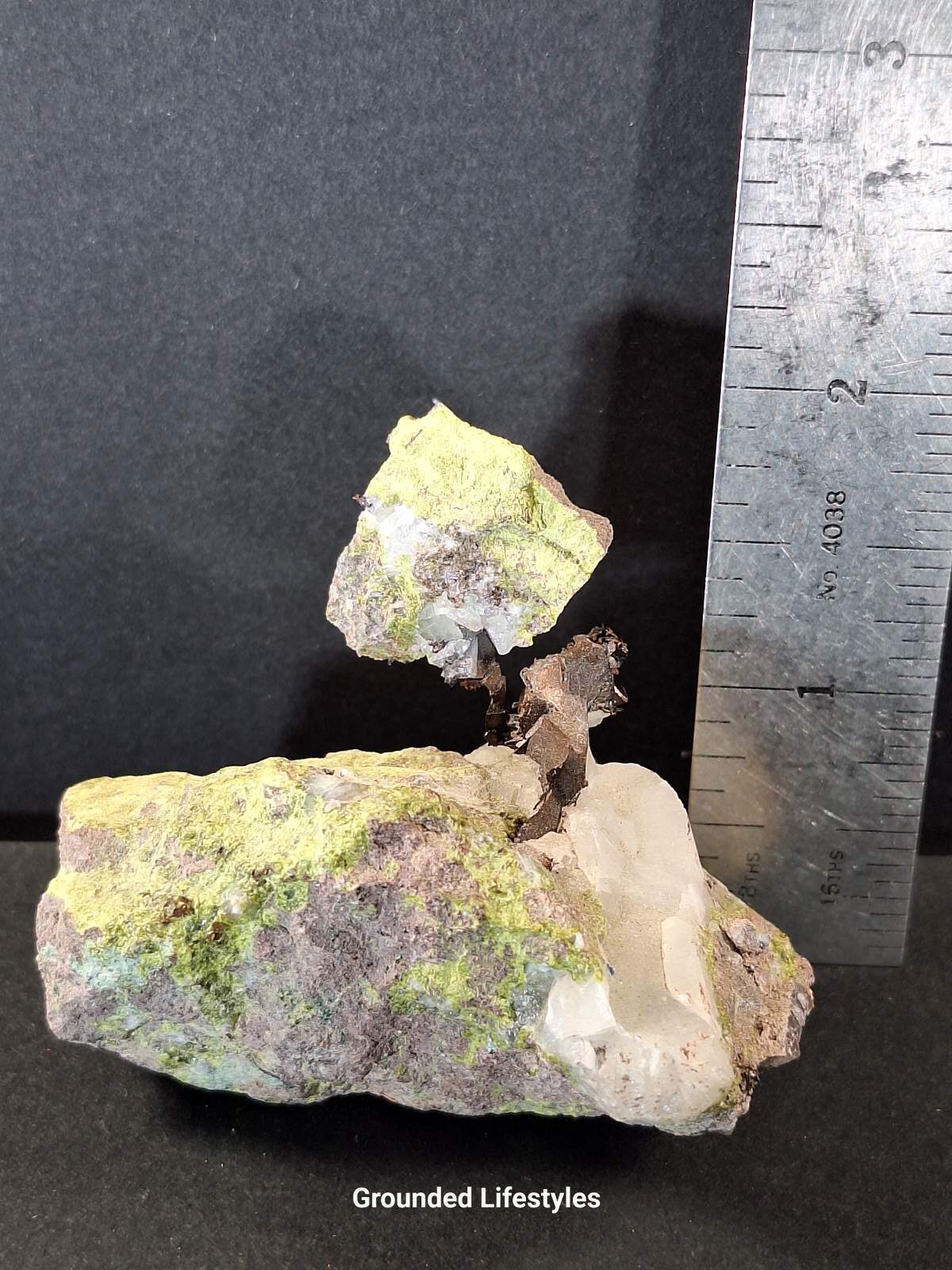
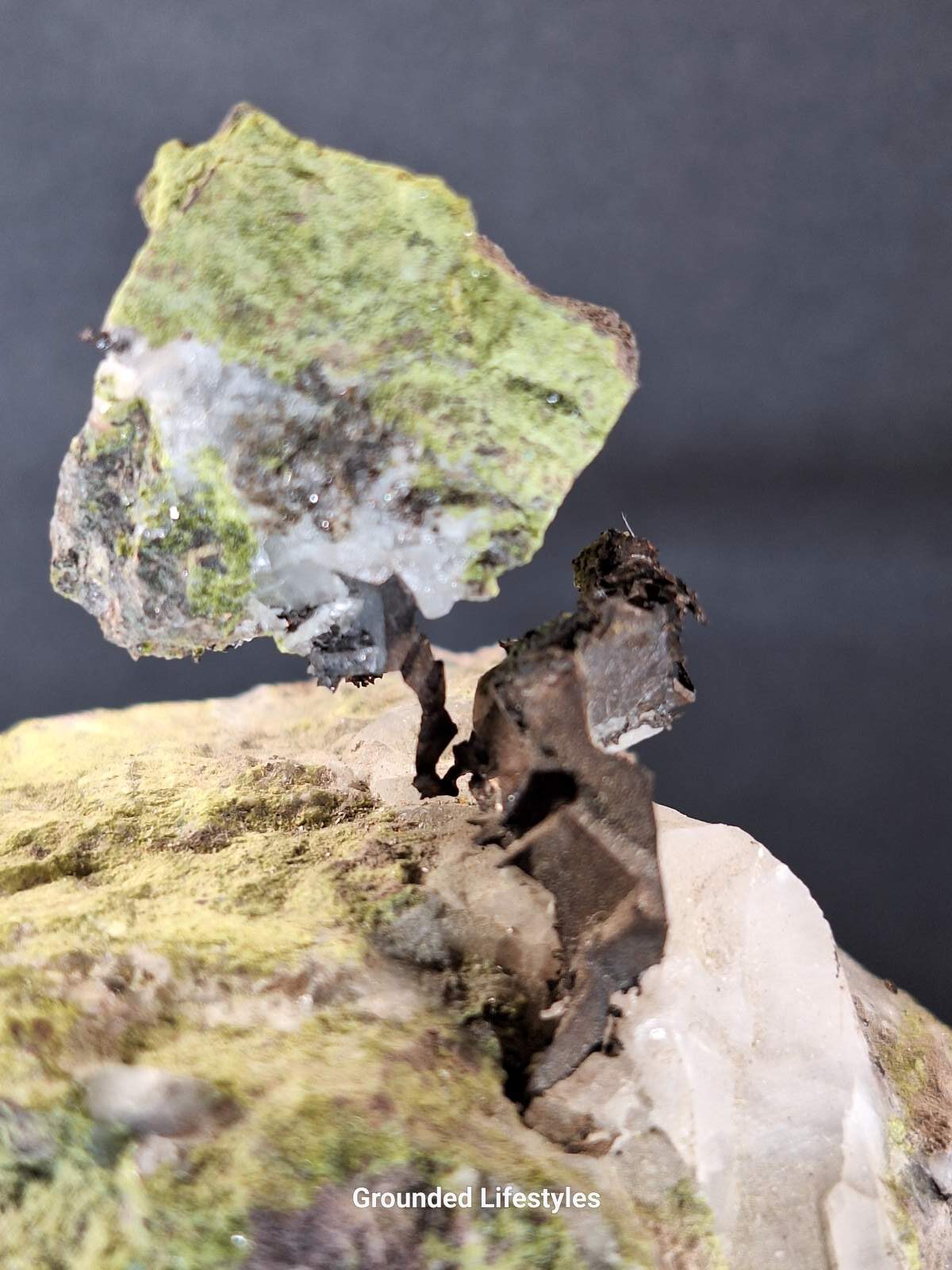
Measuring approximately 2.5 inches long × 1.5 inches wide × 2 inches high, the specimen combines exposed native copper with pale crystalline matrix and extensive green secondary mineral coloration.
The copper is especially interesting in the upper portion of the specimen, where metallic copper projects naturally from the matrix. The green areas provide a visual reminder of copper’s tendency to develop secondary alteration products after exposure to changing environmental conditions.
The original Wininger label will accompany the specimen and should be retained as part of its provenance.
Michigan’s Keweenaw Peninsula is one of the world’s classic Native Copper localities.
What made the district remarkable was the occurrence of copper in its native metallic form rather than solely locked within sulfide ores. Copper filled fractures, vesicles and openings within ancient volcanic rocks and associated conglomerates, sometimes forming enormous masses and at other times producing crystallized, branching or irregular specimens.
Commercial copper mining transformed the Keweenaw Peninsula during the nineteenth and twentieth centuries. Famous mining operations included the Calumet & Hecla, Quincy, Ahmeek and numerous other mines.
Mineral Information
| Property |
Information |
| Mineral |
Native Copper |
| Formula |
Cu |
| Mineral Class |
Native Element |
| Crystal System |
Isometric |
| Mohs Hardness |
2.5–3 |
| Luster |
Metallic |
| Fresh Color |
Copper-red |
| Altered Surface |
Brown, darkened and green tones |
| Locality |
Keweenaw County, Michigan |
| Collection Date |
Mid-1950s |
| Collection |
Donald Wininger Collection |
Metaphysical Properties
In crystal traditions, Native Copper is associated with energy, vitality, confidence, creativity and the movement of positive energy. It is also traditionally connected with grounding and balancing one’s intentions with practical action.
These are traditional metaphysical associations and are not medical claims.
Care & Handling
Native Copper naturally oxidizes and changes color over time. For a historic specimen like this, do not polish or chemically clean it, since doing so could remove natural surface alteration and change the character of the specimen.
Keep it dry and away from high humidity. Dust gently with a soft, dry brush. Because this is a copper-bearing mineral specimen, wash your hands after prolonged handling and do not cut, grind or create mineral dust.