Description
The Specimen
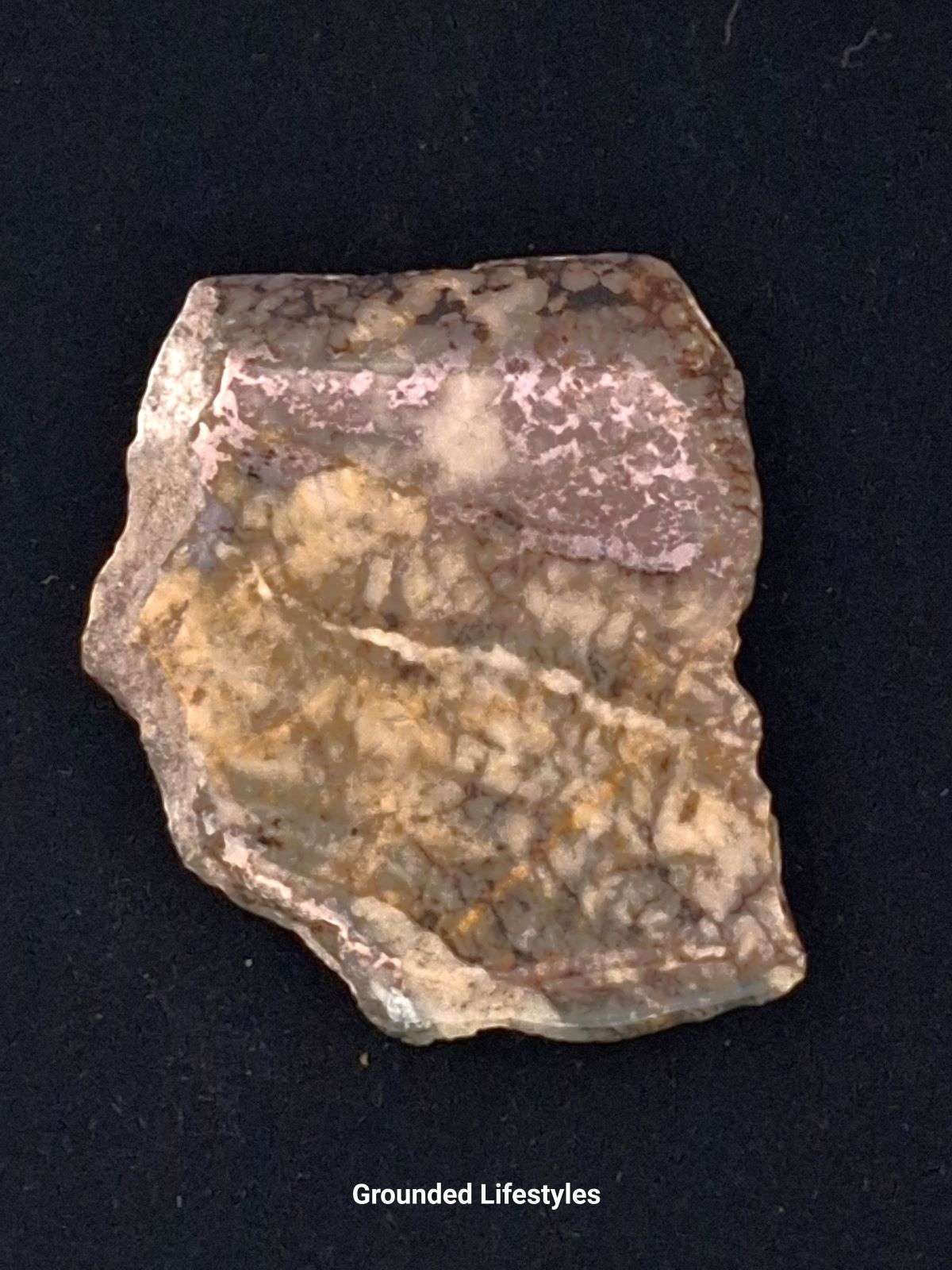
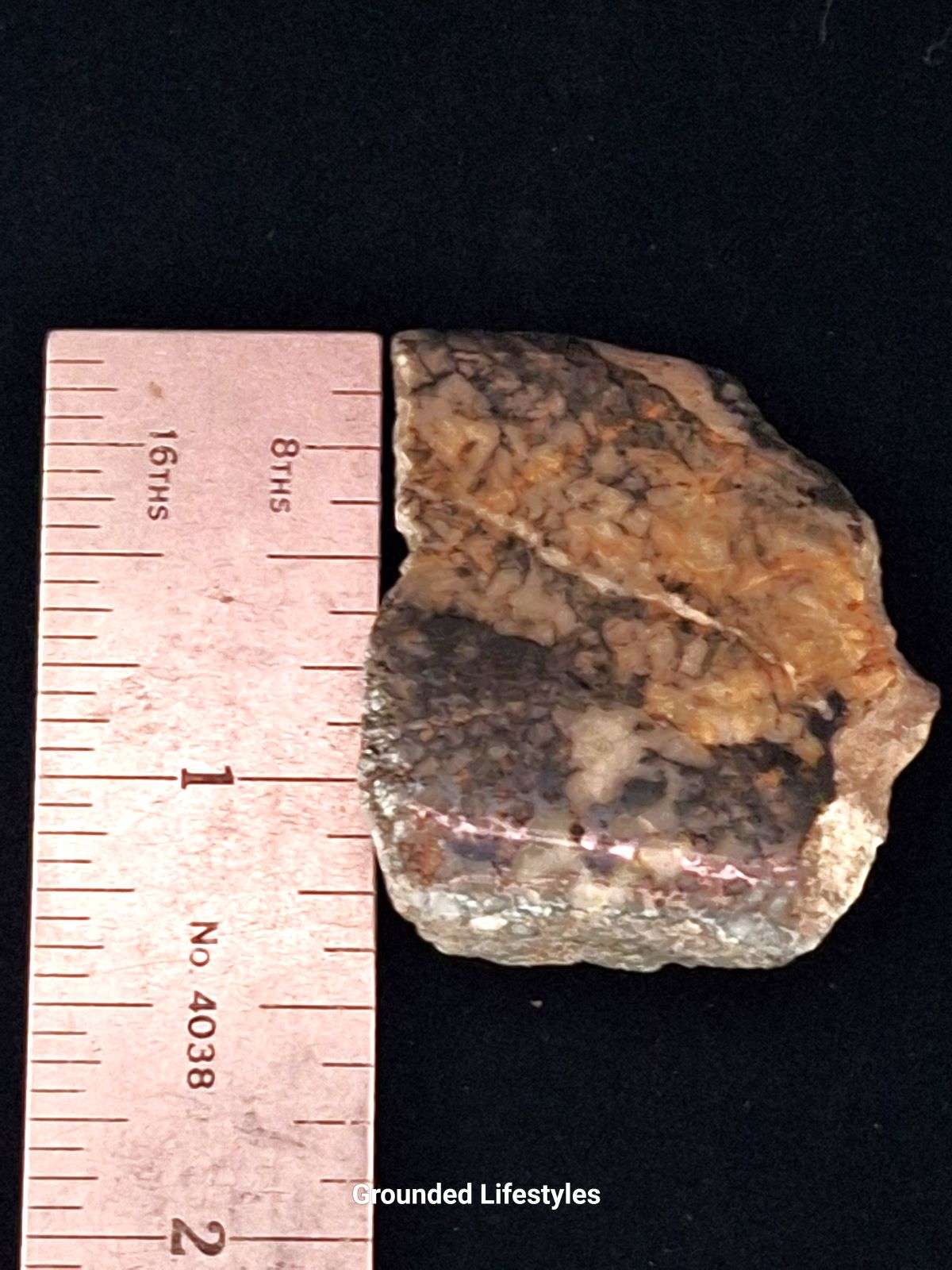
This mohawkite specimen measures about 1.25 inches and shows the metallic, patterned surface that makes the material so recognizable. Mohawkite ranges from brassy yellow to metallic gray, with silvery flecks and sometimes a blue or greenish tarnish. The natural patterning on the face makes each piece different, and a compact size like this one suits a mineral cabinet or a small display.
The Mohawk Mine Discovery
Mohawkite was found in January 1900 near the No. 1 shaft of the Mohawk Mine in Keweenaw County, Michigan, where miners cut through a copper ore fissure vein. George A. Koenig of the Michigan College of Mines analyzed the unusual material and gave it its name. The find drew attention because it was so different from the pure native copper that the district was famous for.
What Mohawkite Is
Mohawkite is a rock-like mixture of copper and nickel arsenides, chiefly the minerals algodonite and domeykite, together with silver and other minerals. Its composition ranges from about Cu3As to Cu6As, its hardness is about 3 to 3.5, and it has a metallic luster. It is not magnetic. A 1971 reanalysis showed that mohawkite is an intimate mixture rather than a single mineral, and the name was discredited as an official mineral species, though collectors, dealers, and lapidaries still use it for this distinctive Michigan material.
Keweenaw Geology
Mohawkite occurs in veins near Mohawk, in the same copper-bearing rocks of the Midcontinent Rift that produced the Keweenaw’s native copper. Those rocks formed from basalt lava flows about 1.1 billion years ago, and hot, mineral-rich fluids deposited copper and related minerals in them roughly 1.06 billion years ago.
Metaphysical Traditions
Mohawkite is traditionally described as a stone of grounding and transformation, combining copper’s association with vitality and warmth with the clarity associated with silver. Some people keep it as a focus stone for endurance and steady determination. These are traditional beliefs, not scientifically demonstrated effects.
Care and Safety
Mohawkite contains arsenic-bearing minerals. It is safe to handle and display, but wash your hands after handling, do not grind, sand, or polish it without proper protection, never place it in the mouth, and keep it away from small children and pets. Avoid acids and chemical cleaners. Dust it with a soft brush. It may tarnish gradually, which many collectors consider normal.
Dimensions
Size: about 1.25 inches. Locality: Mohawk Mine area, Keweenaw County, Michigan.
Mineralogy and handling: Mohawkite is a historical name for a mixture that may contain copper arsenides including algodonite and domeykite; it is not a single approved mineral species. Keep the specimen intact, avoid sanding or grinding it, and wash hands after handling.