
$65.00
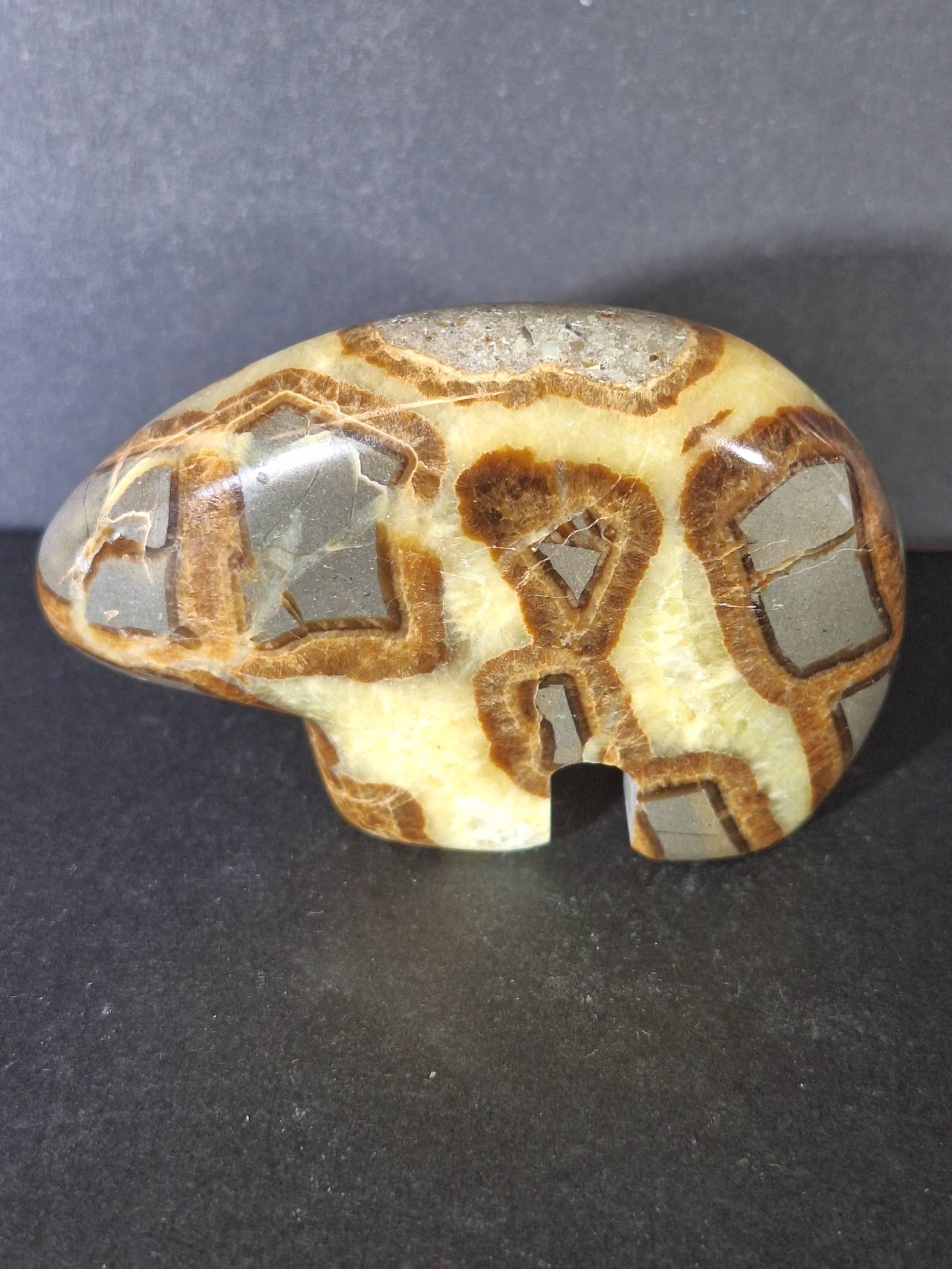
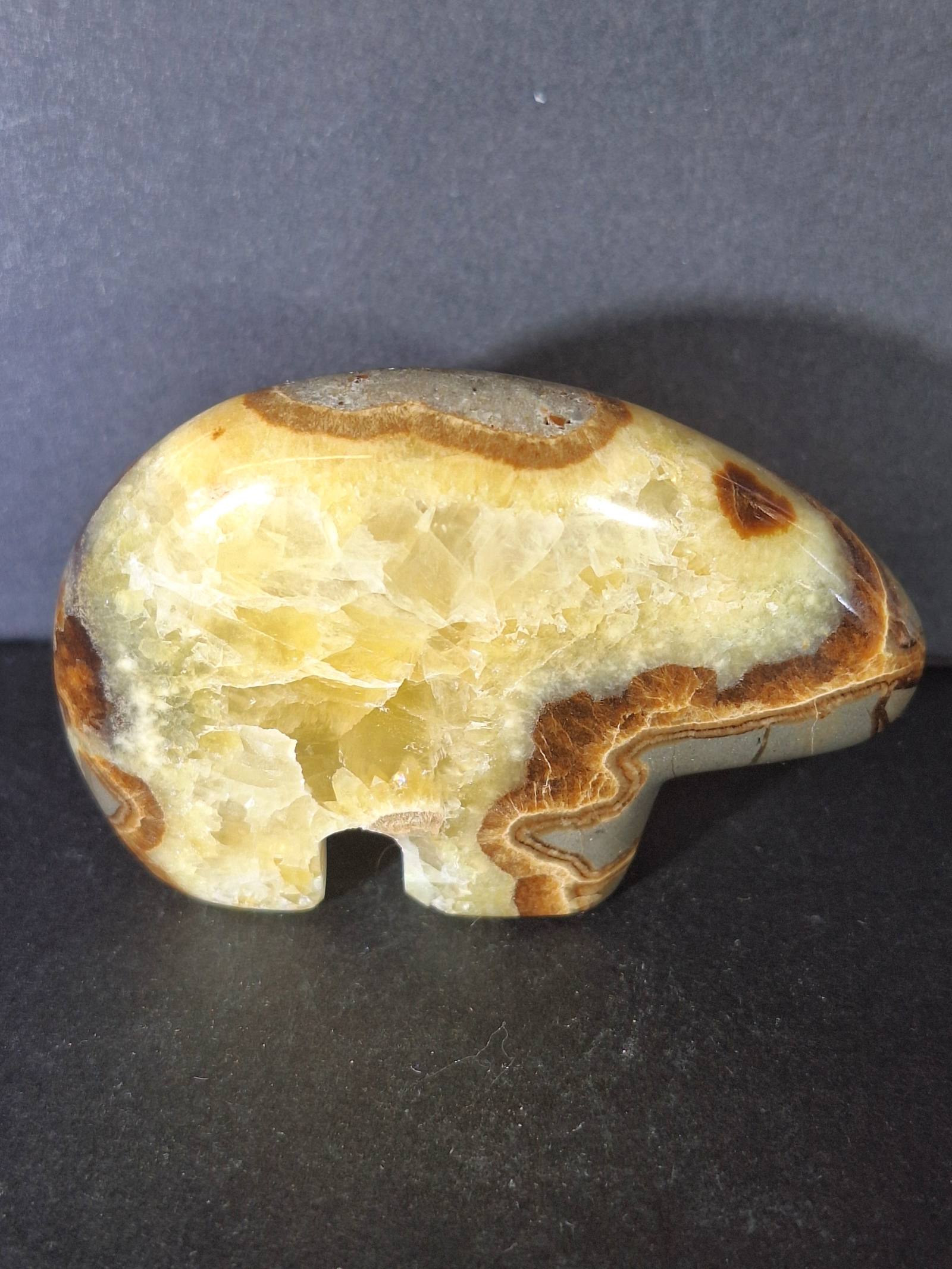
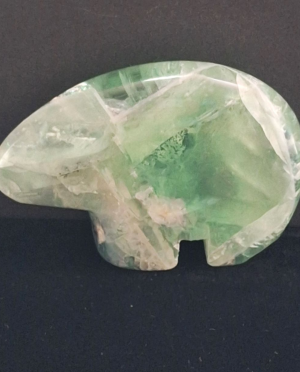
This 2.5-inch septarian bear carving features rich golden-yellow, warm brown, cream, and gray mineral patterns formed within an ancient sedimentary concretion. Its polished surface reveals contrasting natural shapes, while the rounded bear silhouette symbolizes strength, protection, courage, and resilience. A distinctive gemstone animal carving for collectors of septarian stone, Southwestern-inspired wildlife art, and meaningful mineral sculptures.
In stock
You will receive the exact specimen shown.
Carefully packed and shipped from Arizona.
Free U.S. shipping on orders of $70 or more.
This 2.5-inch septarian bear carving brings together the natural beauty of ancient sedimentary stone and the enduring symbolism of the bear. Its polished surface reveals a striking combination of golden-yellow, warm brown, cream, and gray mineral patterns. Broad areas of contrasting color and irregular natural boundaries give this individual carving an earthy appearance reminiscent of a miniature geological landscape.
The bear’s rounded back, gently lowered head, and sturdy legs create a recognizable silhouette that emphasizes both the animal’s powerful form and the stone’s remarkable patterns. Unlike the finer, narrow veining found in some gray septarian carvings, this piece displays larger areas of golden brown septarian material, making its natural color contrasts a defining feature.
Whether appreciated as a collectible mineral carving, a symbolic animal figure, or a piece of natural stone art, this bear offers an interesting connection between geology and wildlife.
Septarian stone begins its geological history as a concretion, a rounded mass that develops when minerals accumulate and cement sediments together. These formations commonly occur in sedimentary environments, including deposits associated with ancient seas and lakes.
During the formation and subsequent geological history of some concretions, internal fractures develop. Mineral-rich groundwater later moves through these openings, depositing crystalline minerals that fill the spaces.
Calcite is a common fracture-filling mineral in septarian concretions. It frequently produces yellow, honey-colored, or cream-colored areas that contrast with darker sedimentary material and brown mineral boundaries.
When a concretion is cut and polished, its internal structure is revealed as an intricate arrangement of geometric shapes, branching lines, and contrasting mineral colors.
The golden brown septarian in this bear displays the kind of natural patterning that makes septarian especially appealing for lapidary work. The polished surface allows the individual mineral areas to be appreciated without the rough exterior that often surrounds an uncut concretion.
Septarian is a geological material composed of multiple minerals rather than a single mineral species. Its hardness therefore varies according to the minerals present. Calcite-rich portions generally have a Mohs hardness of approximately 3.
Bears have long captured the human imagination through their remarkable strength, intelligence, and ability to survive in challenging environments.
Their powerful bodies and protective behavior toward their young have made them familiar symbols of courage, guardianship, and resilience. At the same time, their seasonal patterns of activity and rest have inspired associations with patience, renewal, and reflection.
In many contemporary interpretations of animal symbolism, the bear represents the ability to stand firmly in one’s convictions while recognizing the importance of rest and thoughtful action.
The warm earth tones of this patterned gemstone bear complement those associations. Its substantial form and naturally contrasting colors create a visual impression of stability and strength.
Small carved animal figures have an important history in the American Southwest, particularly among Zuni artists.
Traditional Zuni animal fetishes are culturally significant objects whose meanings and uses extend beyond decoration. Different animals may be associated with particular spiritual qualities, protective responsibilities, and ceremonial traditions.
The bear holds an especially important place in Zuni animal imagery and is associated with protective strength and healing traditions.
Modern gemstone animal carvings often share the compact forms and recognizable silhouettes of traditional fetish carvings. They are collected for their natural materials, craftsmanship, and symbolic appeal.
This septarian bear is offered as a decorative fetish-style stone carving, not as an authenticated Zuni ceremonial object.
For collectors interested in Southwestern-inspired wildlife art, the bear’s distinctive shape and the stone’s natural mineral patterns make it a meaningful addition to a collection.
In contemporary crystal practices, septarian is commonly associated with grounding, confidence, patience, and emotional balance.
Its earthy colors and complex mineral patterns are often interpreted as symbols of stability and the passage of time. The stone’s formation through sedimentation, fracturing, and mineral deposition also offers a tangible reminder of the gradual geological processes that shape the Earth.
The bear’s traditional associations with courage and protection complement these symbolic interpretations.
Together, the animal and mineral form a decorative piece that may appeal to collectors who appreciate both natural history and the personal significance of gemstone carvings.
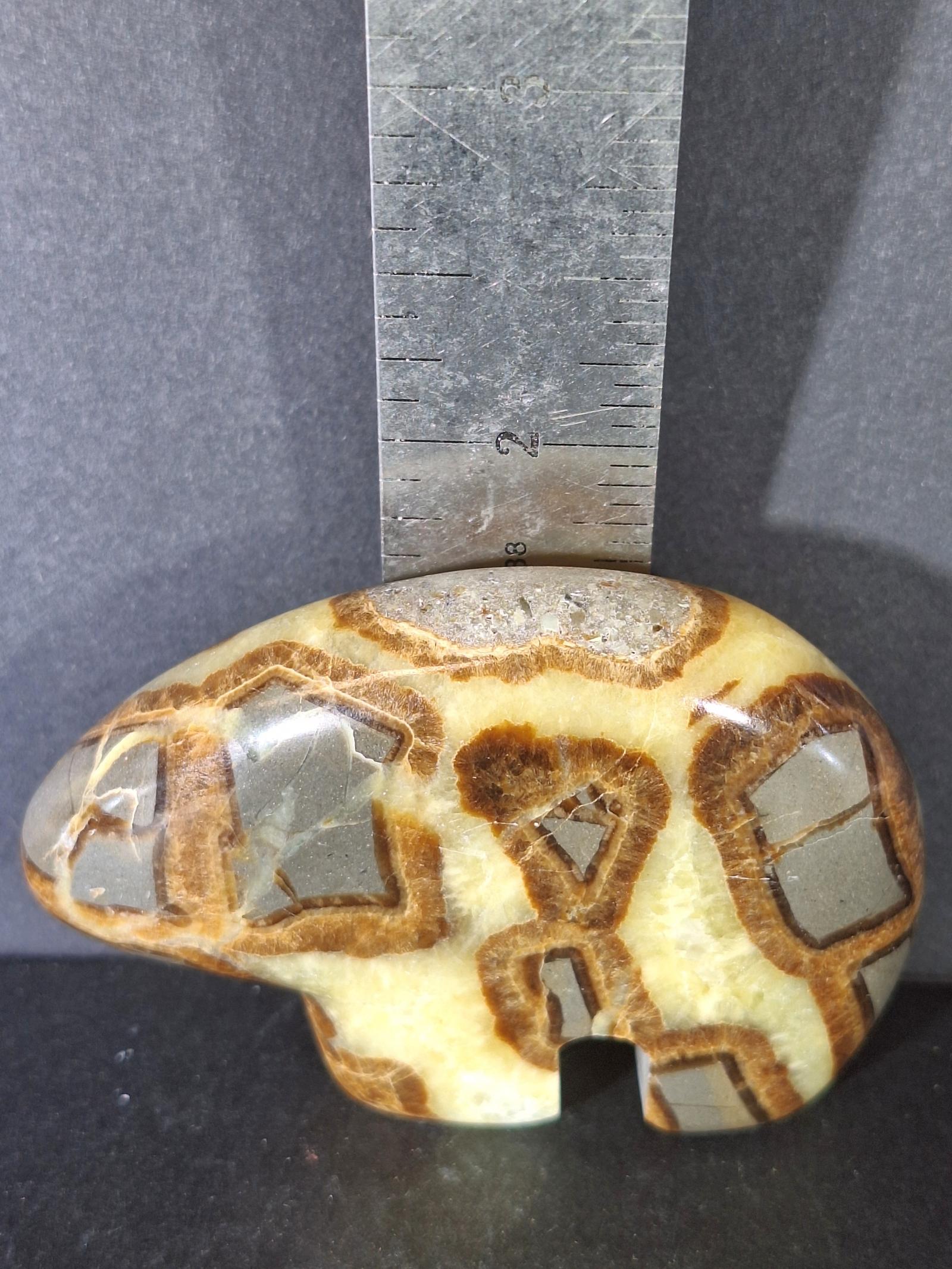
Measuring approximately 2.5 inches, this polished bear has an appealing presence in a mineral cabinet, on a bookshelf, or among other carved gemstone animals.
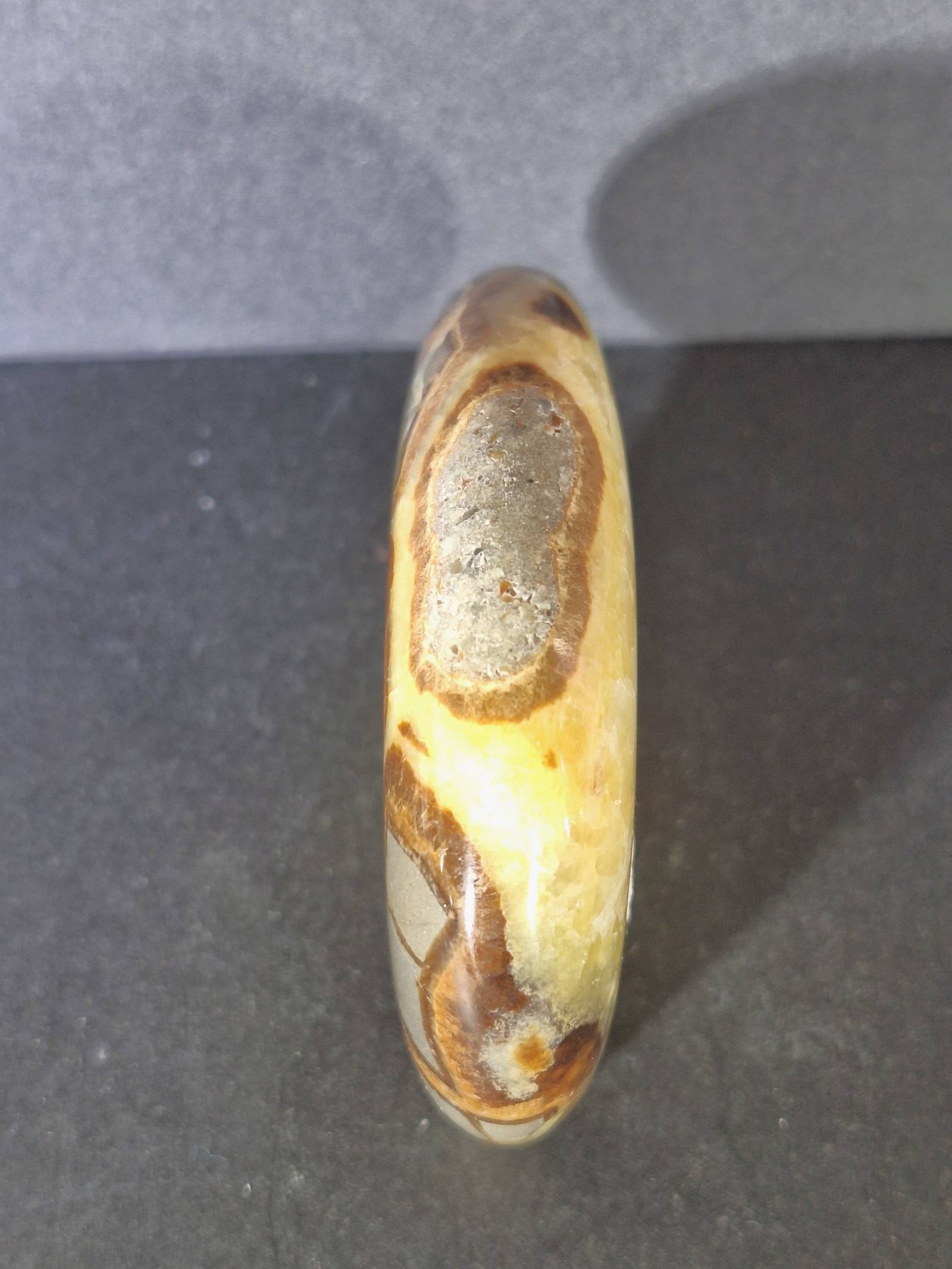
Its combination of golden-yellow, brown, cream, and gray patterns creates visual interest from different viewing angles. The rounded back provides a generous surface for appreciating the stone’s contrasting mineral areas, while the carved legs and head give the figure its recognizable wildlife character.
This septarian wildlife sculpture pairs especially well with green fluorite, purple amethyst, jasper, and other minerals whose colors contrast with its warm earth tones.
Collectors who enjoy comparing natural stone varieties may also appreciate displaying it beside other septarian carvings. Differences in fracture patterns, mineral fillings, and color distribution reveal how varied this geological material can be.
Septarian contains minerals with different hardness levels, including relatively soft carbonate materials. Handle the carving carefully to protect its polished surface and carved details.
Avoid prolonged soaking, acidic cleaners, abrasive products, and contact with harder mineral specimens. Dust gently with a soft, dry cloth and display on a stable surface away from sharp impacts.
With its warm golden-brown mineral patterns, rounded bear silhouette, and enduring symbolism of strength and protection, this individual septarian carving combines the artistry of natural stone with the fascinating geological history of ancient concretions.
| Weight | 3 oz |
|---|---|
| Dimensions | 2.5 × 0.5 × 1.75 in |
Only logged in customers who have purchased this product may leave a review.
Reviews
There are no reviews yet.