Description
Nevada Cactus Calcite Crystal Spray
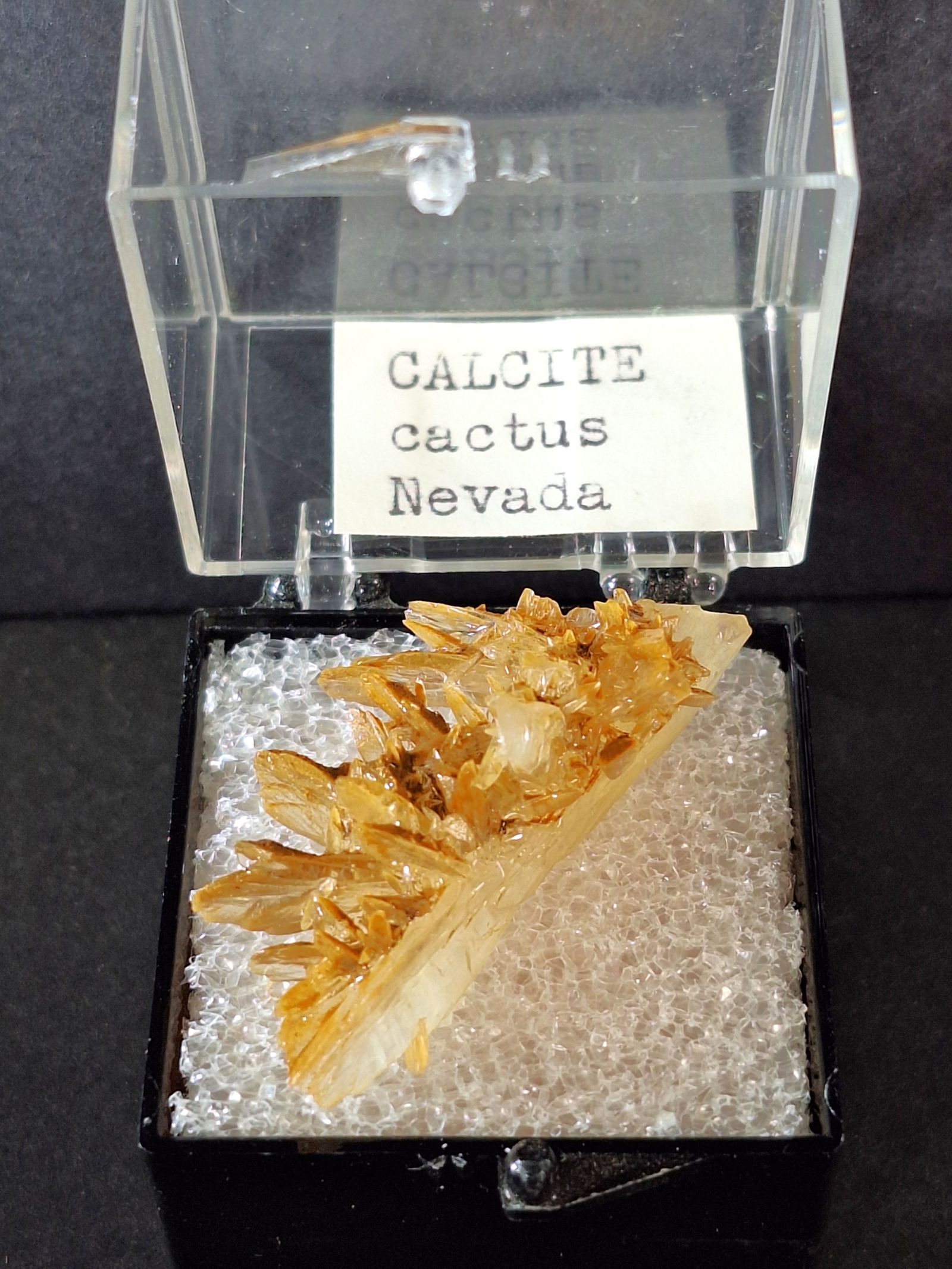
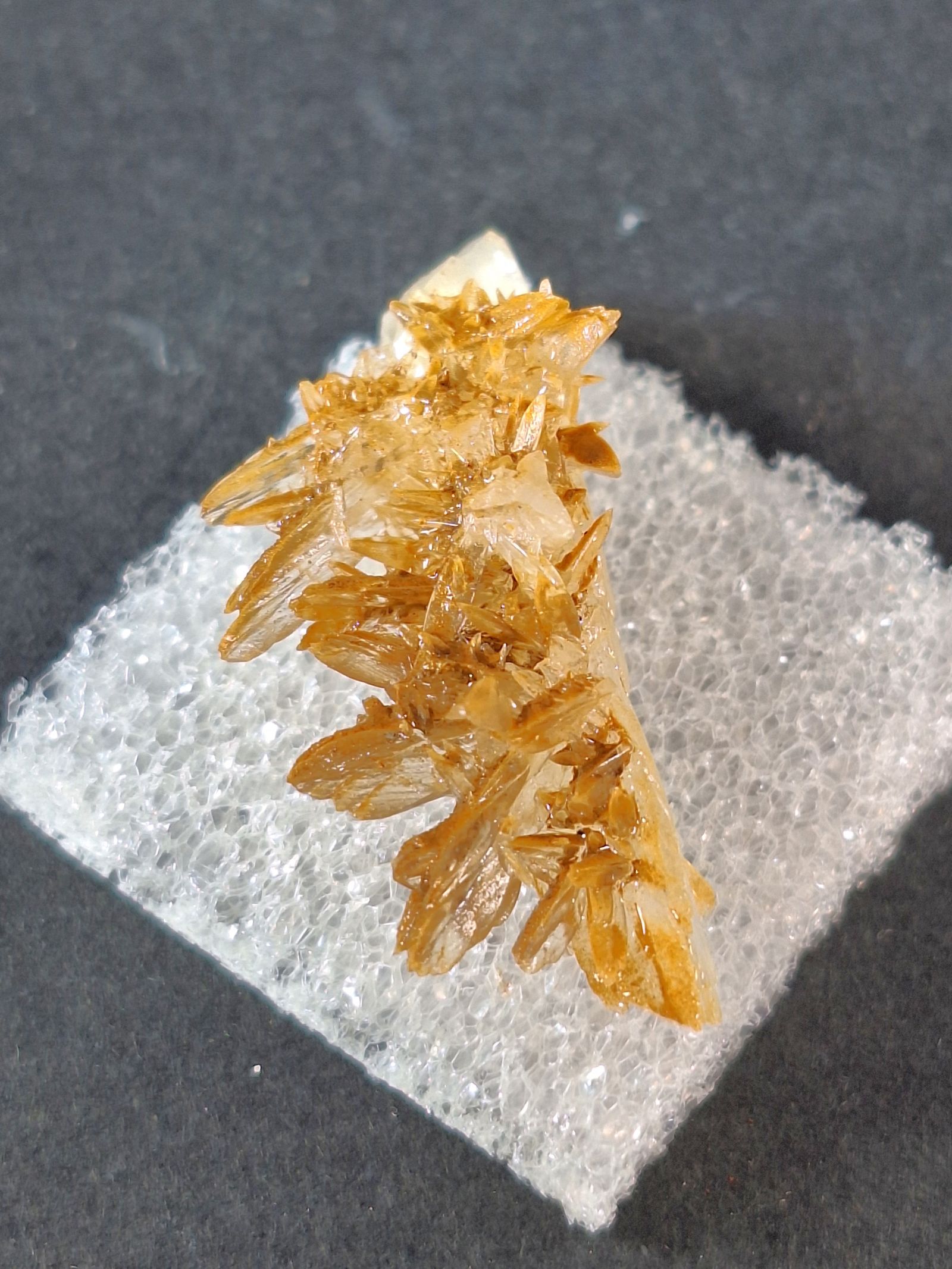
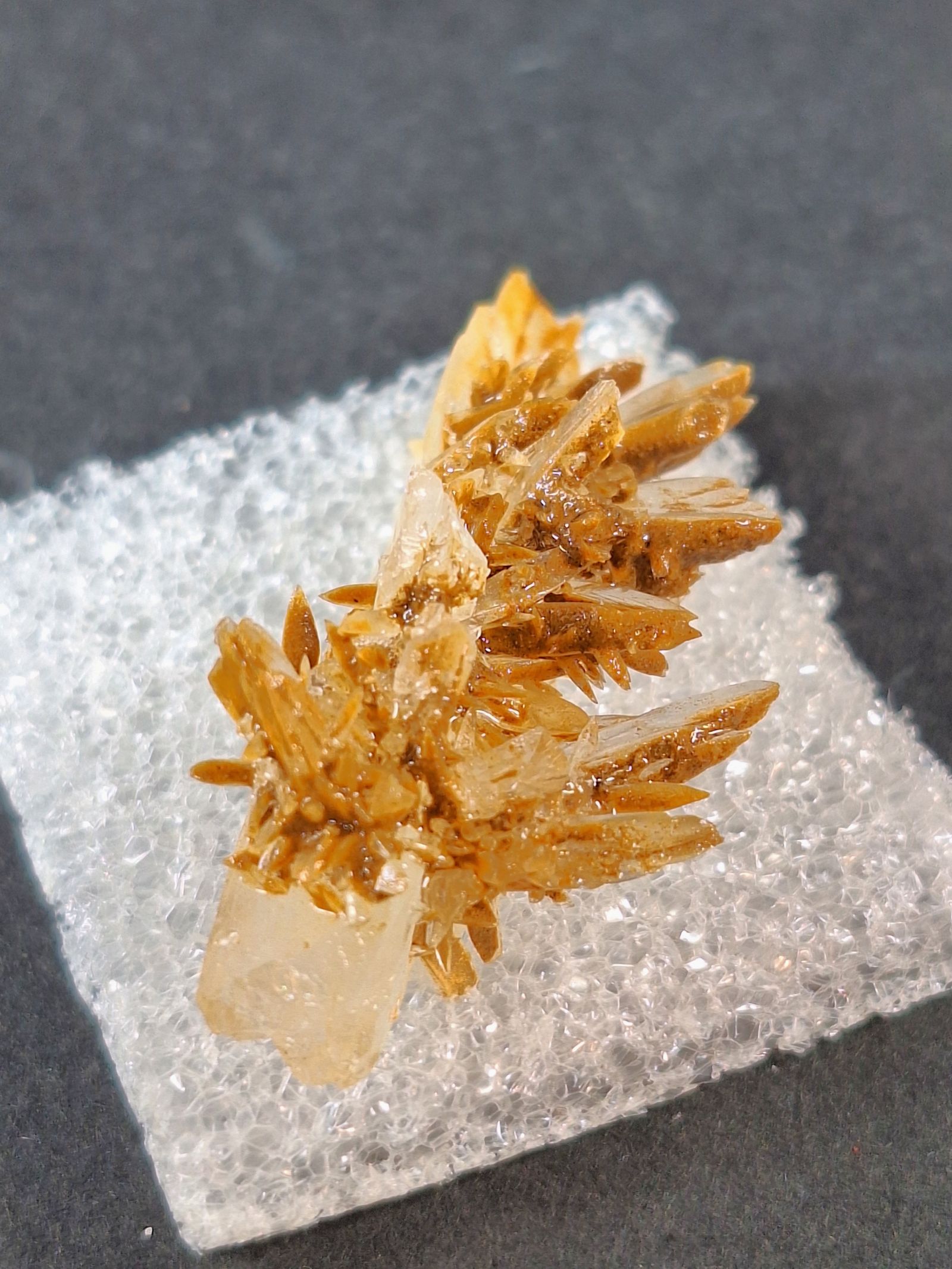
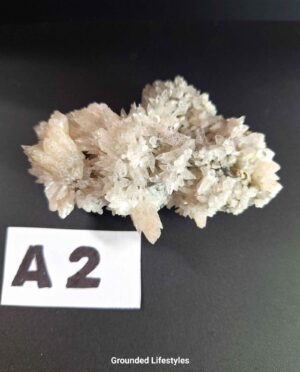
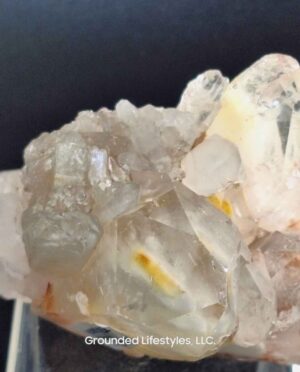
Preserved for generations in the historic Donald Wininger Collection, this Nevada Calcite Cactus represents an interesting chapter in American mineral collecting. Its warm golden-amber and pale cream coloration gives this small specimen a distinctive character, while its historical identification connects it to a style of calcite that has long captured the attention of collectors.
Measuring approximately 1.25 × 0.25 × 0.5 inches, this specimen is particularly well suited to a thumbnail mineral collection, where unusual crystal formations and historical provenance can be appreciated without requiring a large display space.
What Is Cactus Calcite?
Cactus Calcite, also historically identified as Calcite Cactus, is a descriptive name used by mineral collectors for calcite formations resembling the branching and spiny appearance of desert cacti. The name describes the mineral’s growth habit rather than a separate mineral species.
Nevada is particularly well known for these unusual formations. Historically documented examples from the Yerington Mining District in the Singatse Range of Lyon County include elongated, tapering crystals and branching arrangements in which smaller crystals extend outward from larger central crystals.
These distinctive growth patterns illustrate the remarkable variety of shapes that calcite can develop under different geological conditions.
Although calcite itself is one of Earth’s most abundant minerals, its unusual crystal habits are often what make individual specimens particularly interesting to mineral collectors.
Nevada’s Historic Cactus Calcite
The Yerington Mining District of western Nevada has a long history of copper mining and mineral collecting. Its diverse mineral deposits have produced a variety of secondary minerals and distinctive crystallized specimens.
Cactus Calcite from this region was more readily encountered by collectors in earlier decades. Historical specimen records include examples preserved in collections assembled during the 1960s, as well as material subsequently documented by respected mineral dealer John Betts.
Today, these earlier collections provide an important means of preserving classic Nevada mineral material and the terminology traditionally associated with it.
This specimen retains its historical Calcite Cactus identification from the Donald Wininger Collection, assembled during the 1950s and 1960s.
How Calcite Crystals Form
Calcite is a calcium carbonate mineral with the chemical formula CaCO₃. It crystallizes in the trigonal crystal system and can develop in an extraordinary range of forms, including rhombohedrons, pointed scalenohedrons, elongated crystals and complex branching aggregates.
Calcite commonly forms when calcium-rich fluids deposit dissolved carbonate minerals within fractures, cavities and other openings in rock. Variations in temperature, fluid chemistry, mineral concentration and available growth space influence the resulting crystal shapes.
Branching crystal growth can occur as new crystals develop on existing crystal surfaces, producing increasingly complex arrangements over time.
The golden and cream coloration found in calcite may be influenced by trace elements, mineral inclusions or surface mineral deposits. These natural variations contribute to the individuality of collectible specimens.
A Historic Thumbnail Mineral Specimen
Experienced collectors know that a specimen’s importance is not necessarily determined by its size. Thumbnail minerals offer an opportunity to build geographically diverse collections while appreciating crystal habits and mineralogical details on a smaller scale.
This golden calcite specimen is an appealing choice for anyone collecting unusual carbonate minerals, American mining localities, traditional mineral varieties or historically preserved specimens.
Its association with the Donald Wininger Collection adds another dimension to its appeal, preserving both the mineral itself and a piece of its collecting history.
Calcite Symbolism and Traditions
In contemporary crystal traditions, golden calcite is associated with confidence, motivation, creativity and personal growth. Its warm coloration has made it a popular symbolic stone for optimism and intellectual curiosity.
These traditional associations are separate from calcite’s scientifically established mineralogical properties.
Specimen Details
- Historical identification: Calcite Cactus
- Alternative collector name: Cactus Calcite
- Mineral species: Calcite
- Locality: Nevada, USA
- Provenance: Donald Wininger Collection
- Collection era: 1950s–1960s
- Dimensions: Approximately 1.25 × 0.25 × 0.5 inches (3.18 × 0.64 × 1.27 cm)
- Color: Golden amber and pale cream
- Chemical composition: Calcium carbonate (CaCO₃)
- Mineral group: Carbonates
- Crystal system: Trigonal
- Mohs hardness: 3
Care and Preservation
Calcite is relatively soft and has pronounced cleavage, making delicate crystal formations particularly susceptible to damage from impacts and abrasion. Display this specimen in a protected mineral cabinet or thumbnail specimen container.
Remove surface dust gently using a soft brush. Avoid vinegar, acidic cleaning products, abrasive materials and ultrasonic cleaners, which can damage the mineral’s natural surfaces.
Only logged in customers who have purchased this product may leave a review.

Reviews
There are no reviews yet.