$55.00
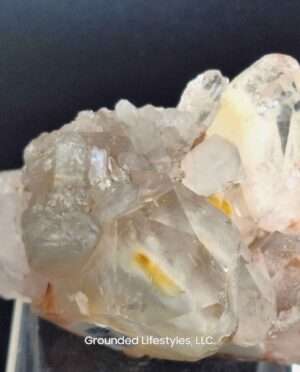
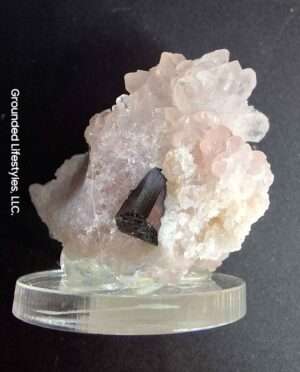
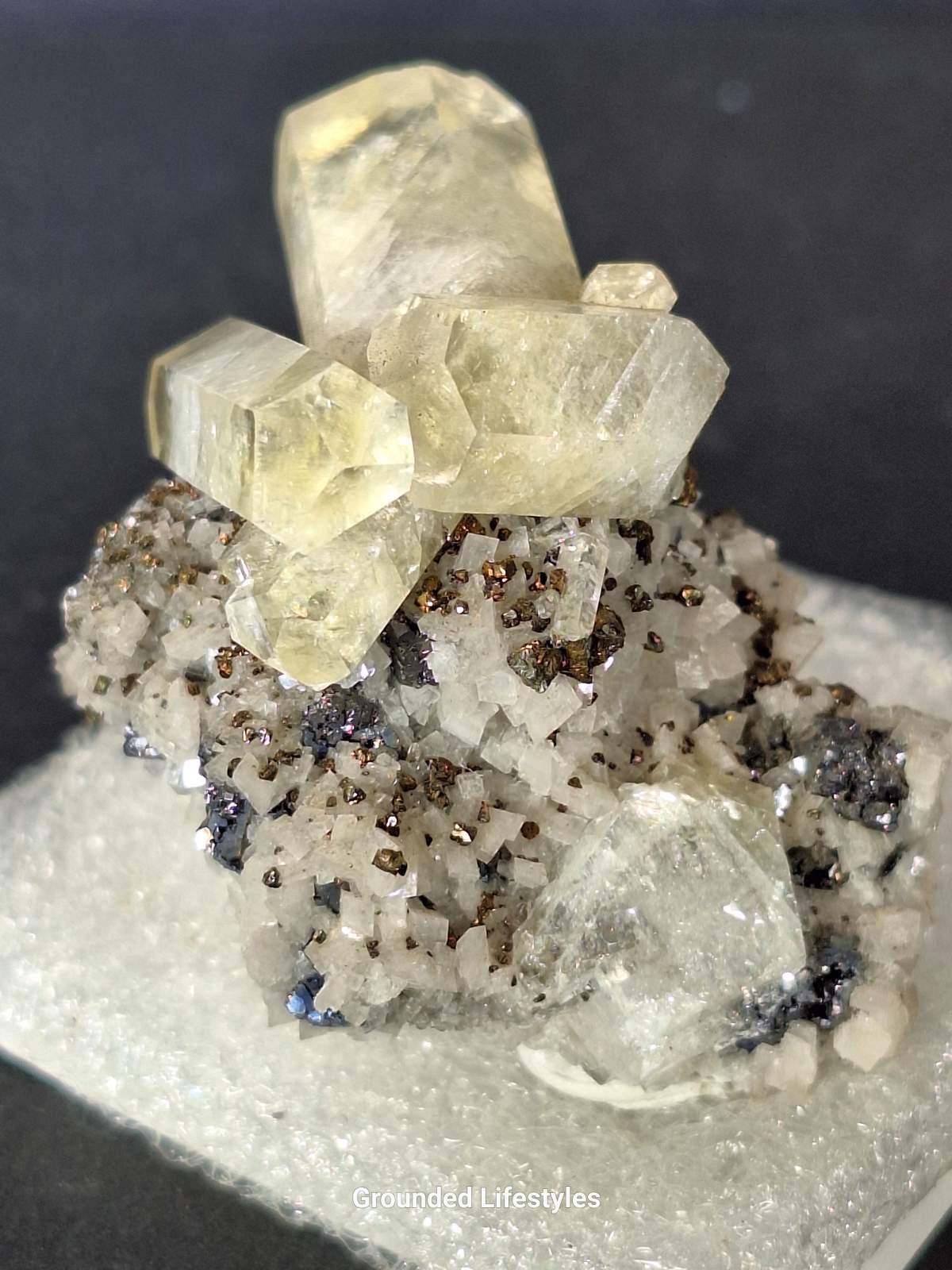
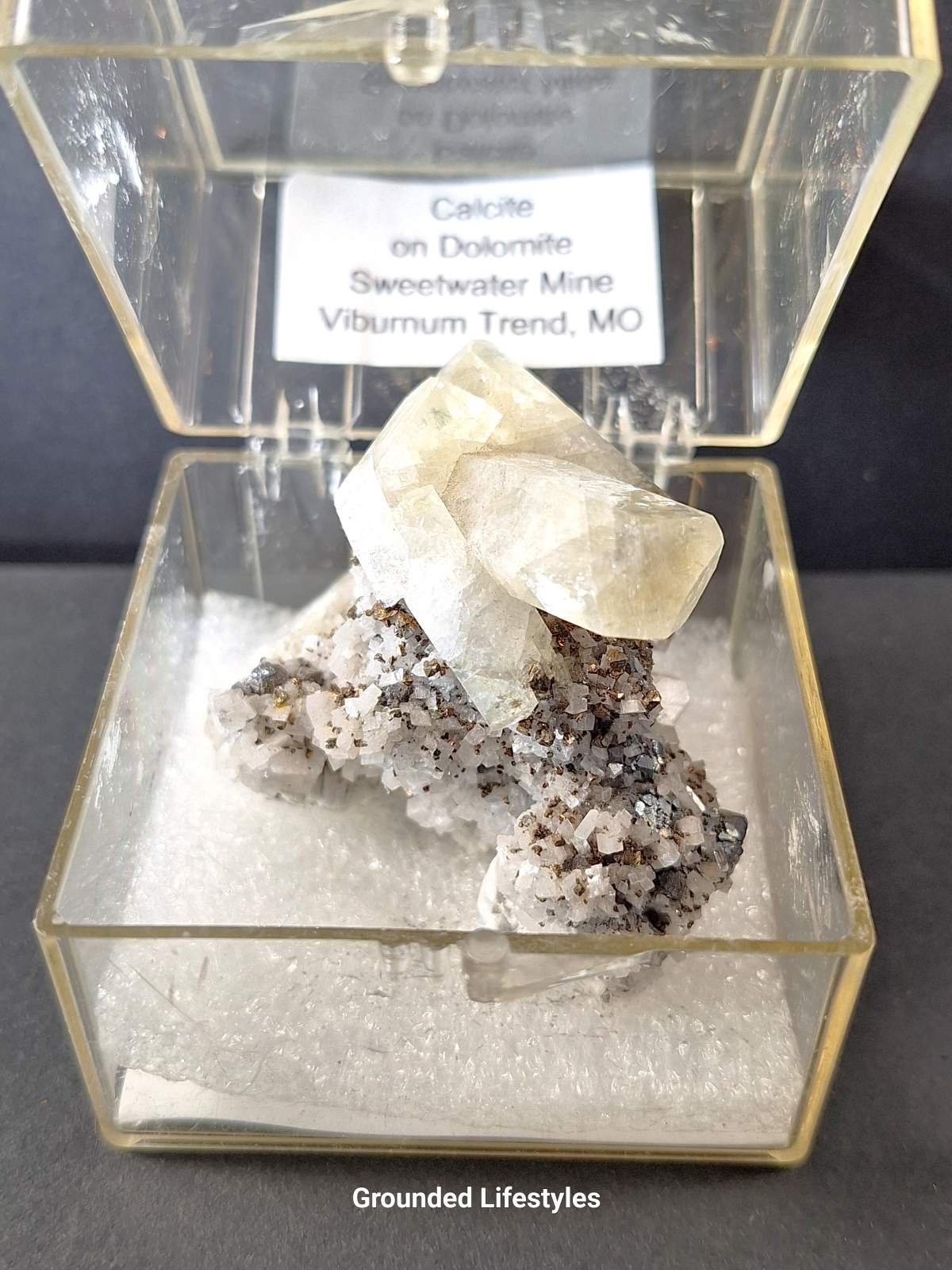
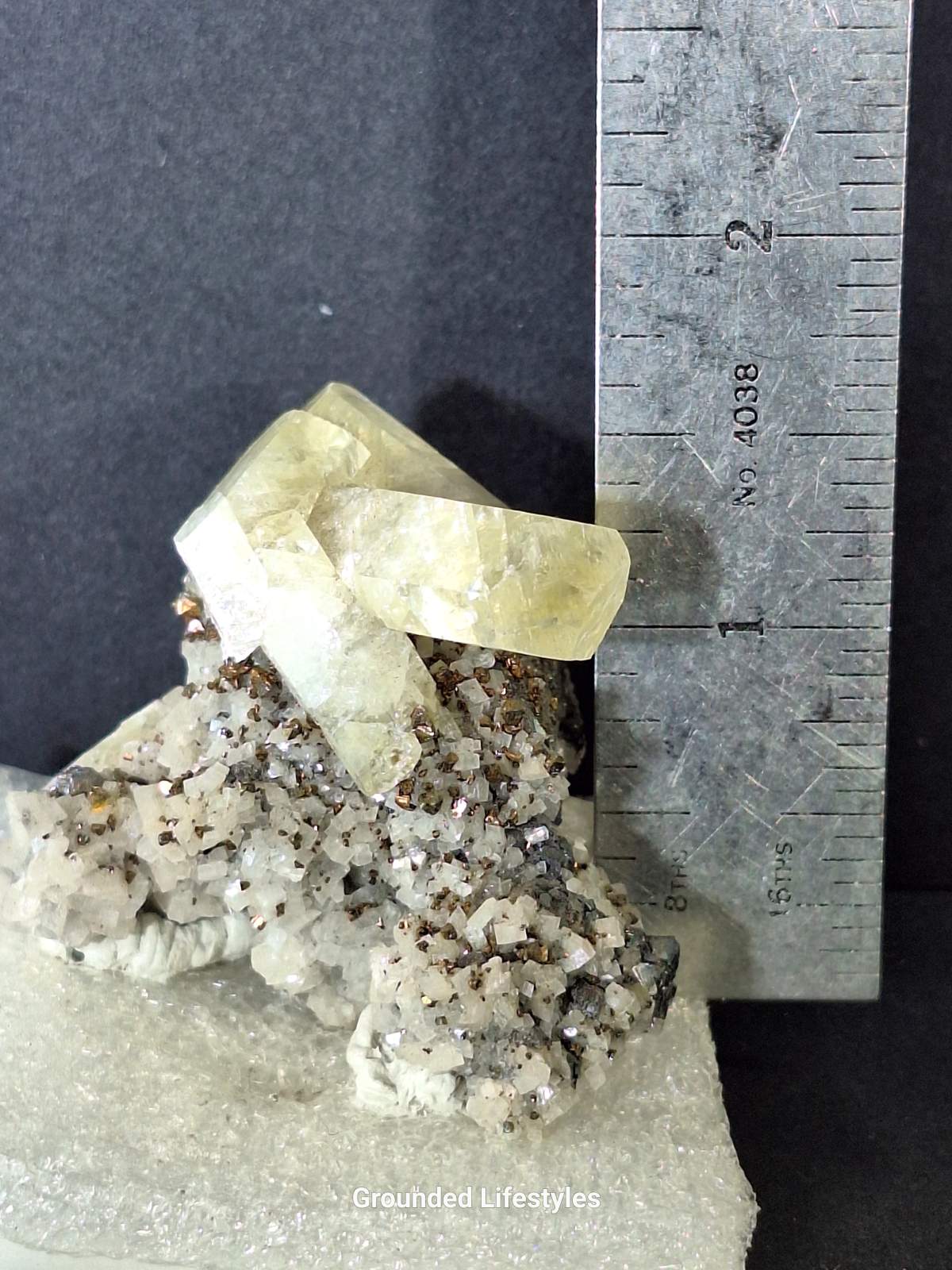
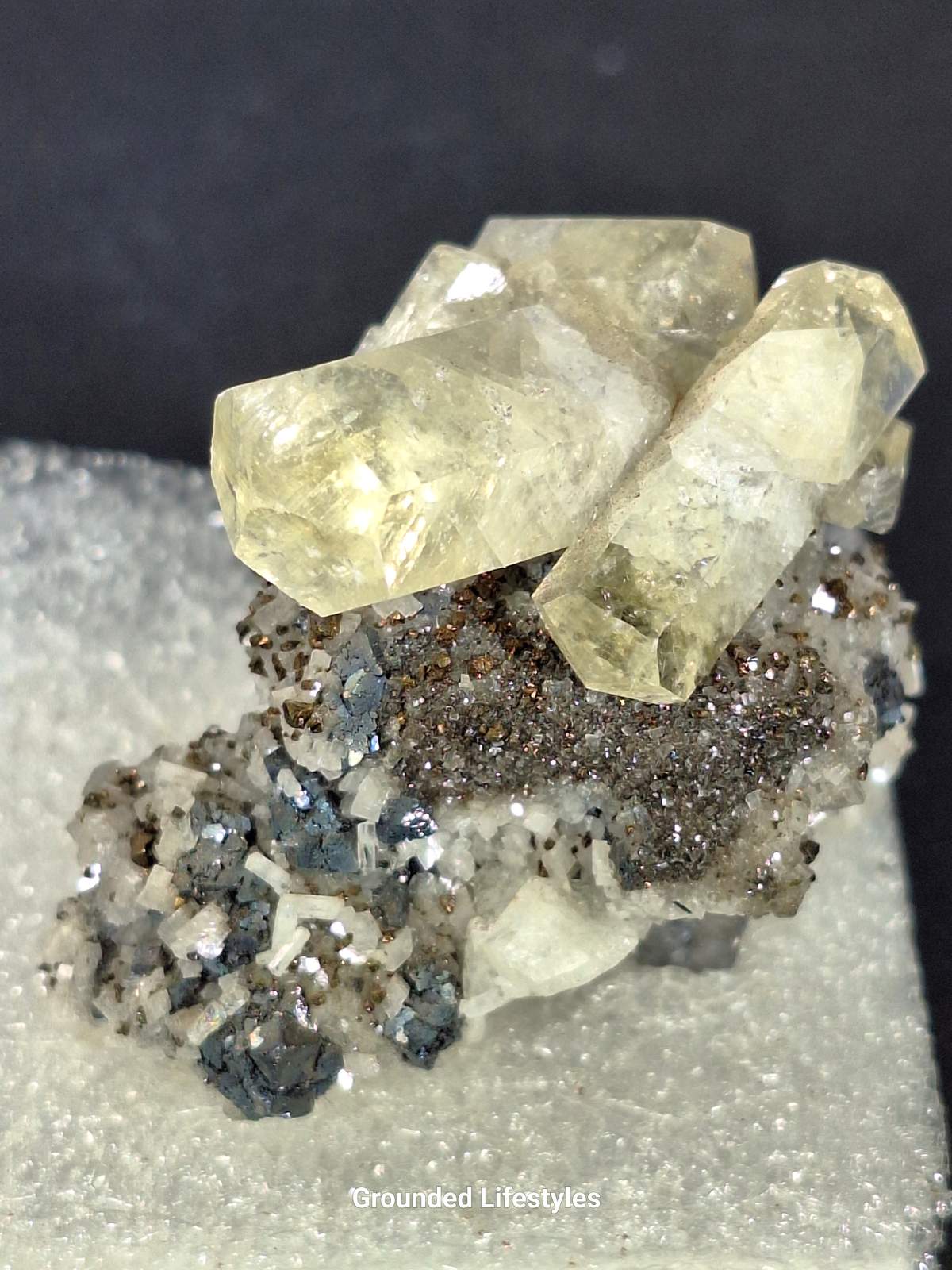
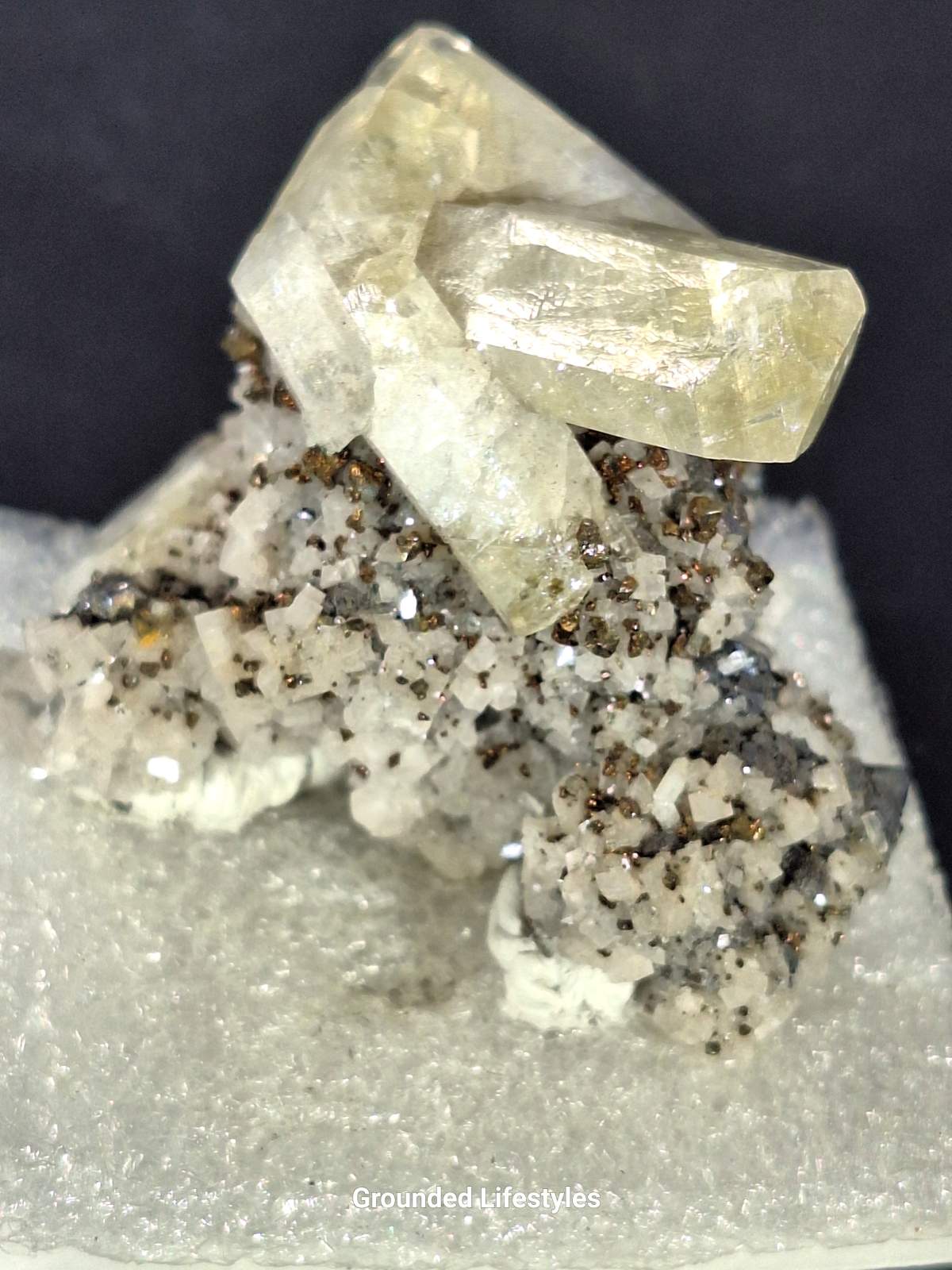
A classic Missouri mineral specimen featuring lustrous calcite with sparkling dolomite, chalcopyrite and galena from the famous Sweetwater Mine in the 1970’s , preserved in the Donald Wininger Collection. Specimen measures 1.75 inches long, 1.25 inches wide, 1.5inches high. Specimen comes in 2X2X2 Perky Box as shown.
In stock
You will receive the exact specimen shown.
Carefully packed and shipped from Arizona.
Free U.S. shipping on orders of $70 or more.
This beautiful Calcite with Dolomite, Chalcopyrite and Galena originates from the renowned Sweetwater Mine in Missouri’s famous Viburnum Trend and is part of the Donald Wininger Collection, representing specimens collected during the golden era of American mineral collecting beginning in the 1940s.
Although the Sweetwater Mine itself did not begin production until 1970, this specimen has remained part of the Wininger family collection for decades and represents the type of classic Missouri material assembled by serious collectors during the mid-twentieth century. Today it offers not only exceptional mineral aesthetics but also the added value of documented estate provenance.
The Sweetwater Mine is one of the signature mines within Missouri’s Viburnum Trend, also known as the New Lead Belt, one of the richest Mississippi Valley-Type (MVT) lead-zinc districts ever discovered. Development of the mine began during the 1960s, with production commencing in 1970. Ore bodies occur within the Cambrian-age Bonneterre Formation, where mineral-rich brines migrated through porous dolostone and deposited lead, zinc, copper, iron sulfides, and spectacular collector minerals over hundreds of millions of years.
This geological environment produced world-famous mineral combinations including:
The contrast between transparent calcite crystals, bright metallic chalcopyrite, and white dolomite has made Sweetwater specimens instantly recognizable among collectors worldwide.
| Property | Value |
|---|---|
| Primary Minerals | Calcite, Dolomite, Chalcopyrite |
| Calcite Formula | CaCO₃ |
| Dolomite Formula | CaMg(CO₃)₂ |
| Chalcopyrite Formula | CuFeS₂ |
| Mineral Classes | Carbonates & Sulfide |
| Mohs Hardness | Calcite 3 • Dolomite 3.5–4 • Chalcopyrite 3.5–4 |
| Deposit Type | Mississippi Valley-Type (MVT) |
| Locality | Sweetwater Mine, Viburnum Trend, Reynolds County, Missouri |
Few American mineral localities have earned the reputation enjoyed by the Sweetwater Mine. Beginning in the 1970s, it produced some of the finest cabinet-quality calcite specimens ever recovered in the United States. Collectors quickly recognized the locality for its gemmy golden “dogtooth” calcite crystals, dramatic “nailhead” habits, and spectacular combinations with dolomite and chalcopyrite. Today, Sweetwater remains one of the benchmark localities for Missouri mineralogy.
The mine itself is still an active underground operation owned by The Doe Run Company and is not open to public collecting. Because collectors cannot enter the mine, all specimens available today originate from historical recoveries, old collections, or material released through mining operations. This makes documented estate specimens such as those from the Donald Wininger Collection increasingly desirable.
Traditional crystal symbolism associates this mineral combination with:
Together, these minerals are often appreciated as a symbolic blend of clarity, resilience, and opportunity. These interpretations are based on traditional metaphysical practices rather than scientific or medical evidence.
Sweetwater Mine specimens have become modern classics in American mineral collecting. The warm golden transparency of calcite contrasted with sparkling white dolomite and flashes of metallic chalcopyrite creates one of the most recognizable mineral combinations from the United States. High-quality examples regularly command strong prices among collectors, particularly those with excellent crystal quality, attractive composition, or documented provenance.
This specimen carries an additional distinction through its inclusion in the Donald Wininger Collection, preserving a tangible connection to one family’s multi-generational passion for mineral collecting. Provenance from established collections continues to add significance for collectors seeking specimens with both geological and historical importance.
Calcite is relatively soft and can scratch easily, so avoid contact with harder minerals. Store the specimen in a display cabinet or specimen box away from excessive humidity and dust. Clean only with a soft brush or microfiber cloth. Avoid acidic cleaners, which can damage calcite and dolomite.
| Weight | 4 oz |
|---|---|
| Dimensions | 2 × 2 × 2 in |