Description
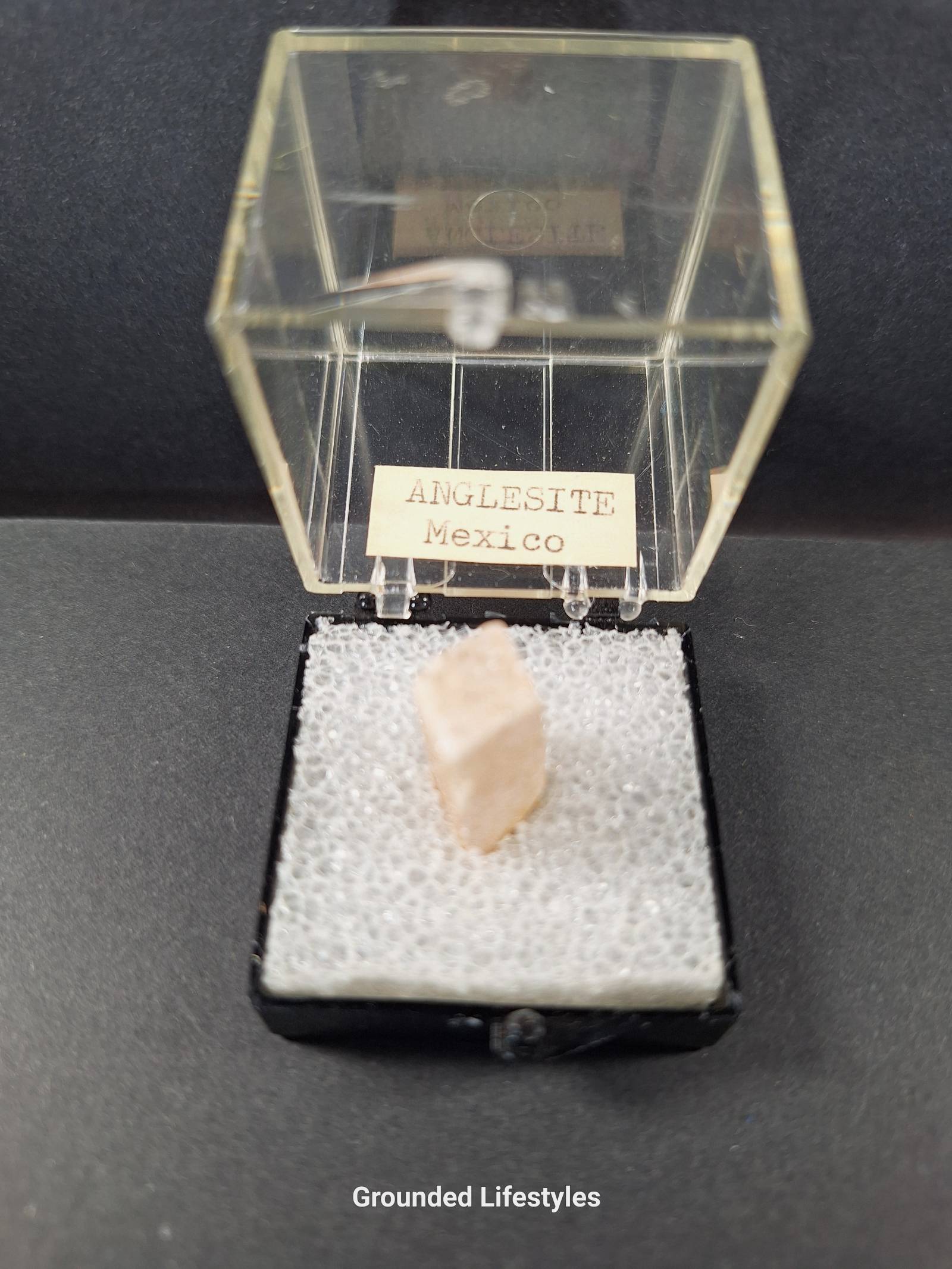
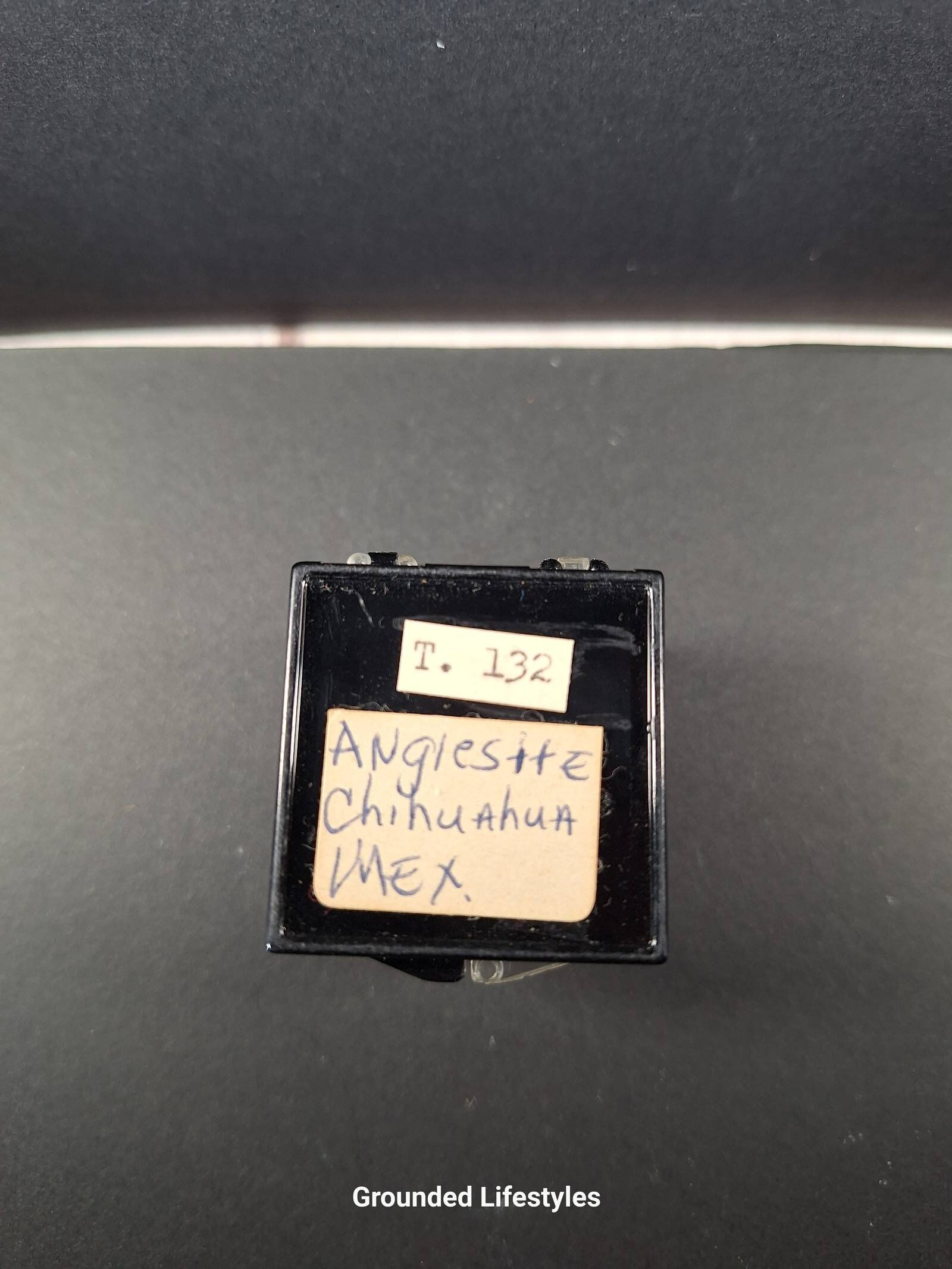
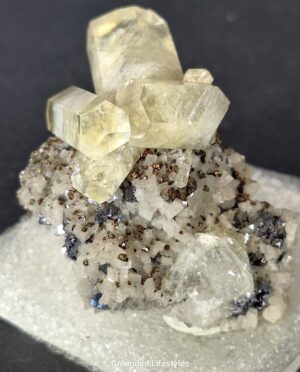
Anglesite from Chihuahua, Mexico
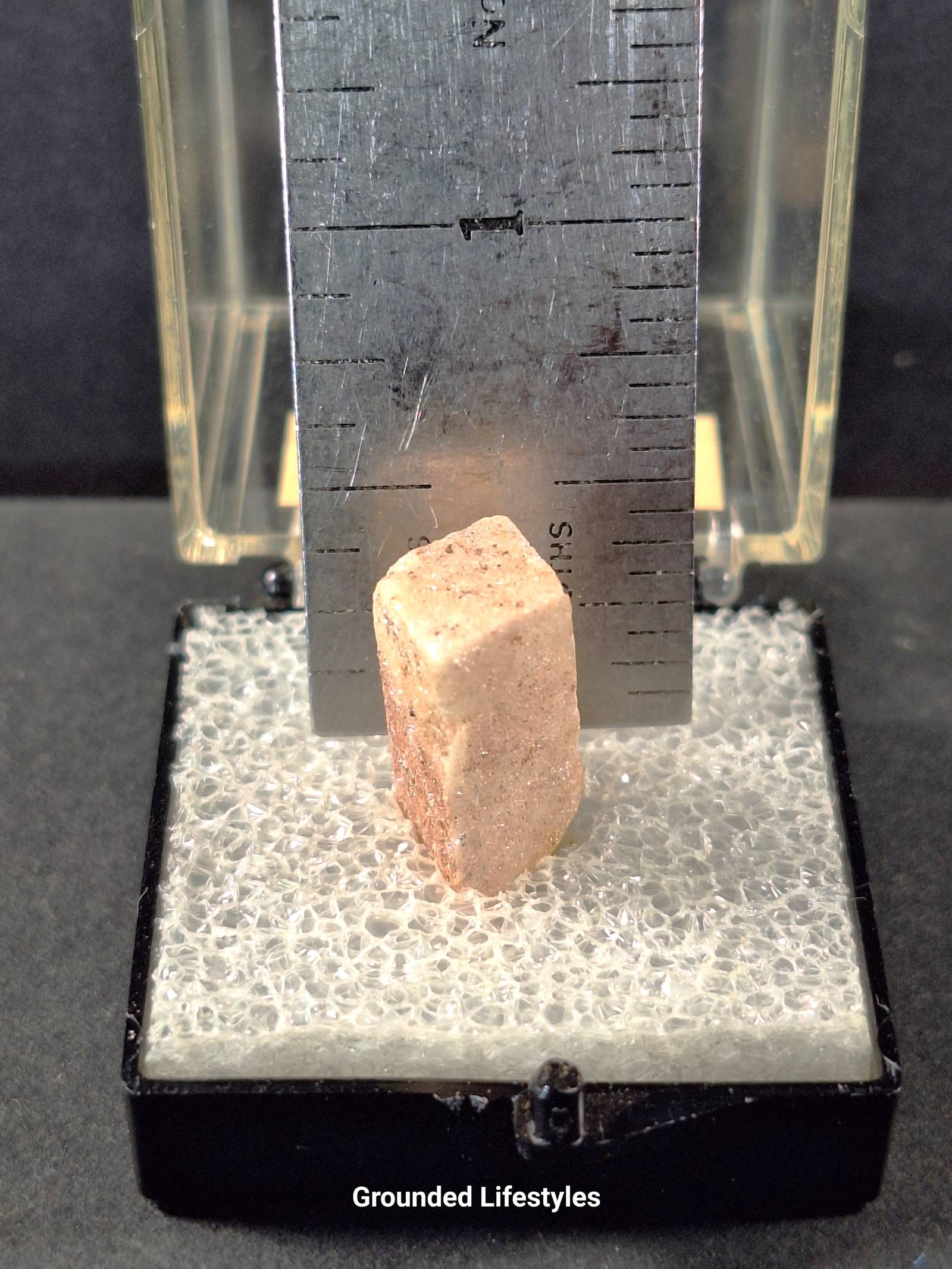
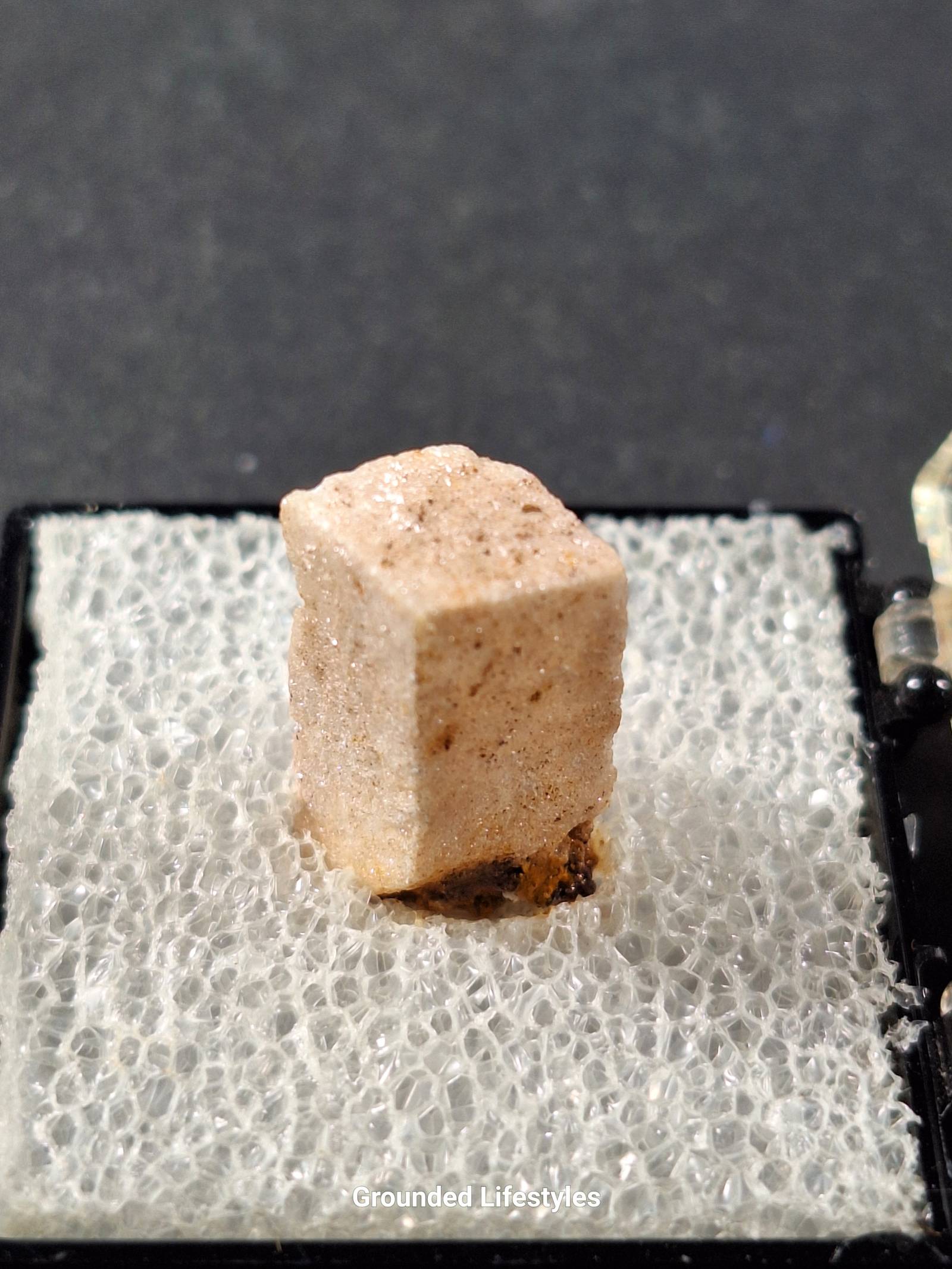
This anglesite mineral specimen is labeled from Chihuahua, Mexico, and comes from the Donald Wininger Collection. Chihuahua has a long history of mining for lead, silver, and other metals, and its ore districts have produced a diverse range of secondary minerals that interest collectors. Anglesite is one of the minerals that can form when lead-bearing ores are exposed to oxygen and circulating groundwater. The precise mine and the specimen’s crystal appearance have not been documented here, so this listing retains the verified state-level locality without assigning an unsupported mine or describing unverified colors.
Chihuahua Mining and Locality Context
Mineral collectors know Chihuahua for numerous historic mining districts, including deposits where primary metallic ores were altered near the surface. These weathered zones can produce attractive combinations of lead sulfates, carbonates, and other oxidation minerals. Anglesite is documented from Chihuahua localities, including the Erupción Mine in the Los Lamentos district, but that occurrence should not be mistaken for proof that this individual specimen came from that mine. Its documented provenance is Chihuahua, Mexico, within the Donald Wininger Collection.
Geology and Formation of Anglesite
Anglesite has the chemical formula PbSO₄ and belongs to the sulfate mineral group. It commonly develops as a secondary mineral when galena, a lead sulfide ore mineral, oxidizes and reacts with sulfate-bearing fluids. This transformation is an instructive example of how an ore deposit can change after its original minerals encounter air and water. Anglesite may occur with cerussite and other minerals formed in the oxidized portions of lead deposits, although no associated minerals are confirmed for this specimen.
Its crystals belong to the orthorhombic crystal system and may be tabular, prismatic, or more compact in form. Anglesite can display vitreous to brilliant adamantine luster and occurs in a variety of colors, including colorless, white, yellow, gray, and other tints. These are characteristics of the species, not a description of this unphotographed individual piece. With a Mohs hardness of approximately 2.5–3, anglesite is comparatively soft, and its lead-rich composition gives it unusually high density for a mineral of this type. Collectors value the species for its crystal geometry, ore-deposit associations, and connection to the history of lead mining.
Metaphysical Meaning and Traditional Associations
In contemporary crystal traditions, anglesite is sometimes associated with reflection, patience, mental clarity, and a more deliberate approach to personal intentions. Some practitioners use the symbolism of its formation—from the alteration of an earlier lead mineral—as a reminder that change can create new forms and perspectives. These associations are spiritual interpretations rather than scientifically established effects. Because anglesite contains lead, it is better appreciated as a carefully displayed collector specimen than as a stone for handling during meditation, placing in drinking water, or making crystal elixirs.
Care, Display, and Specimen Details
Anglesite is soft and brittle, so keep it in its protective display box whenever practical. Avoid abrasion, repeated handling, moisture, harsh cleaning products, and contact with food or beverages. Do not grind, polish, or generate dust from the specimen. Wash hands after handling and keep it away from children and pets. The included perky box measures 1.25 × 1.25 × 1.25 inches; these are the requested WooCommerce shipping dimensions, not confirmed measurements of the mineral itself. This is one specimen from the Donald Wininger Collection, offered as a geological and historical collector piece.
Only logged in customers who have purchased this product may leave a review.

Reviews
There are no reviews yet.