Minerals & Crystals

Minerals and crystals are natural records of Earth’s geology, formed through combinations of heat, pressure, water, chemistry, and time. At Grounded Lifestyles, our Minerals & Crystals collection brings together natural mineral specimens chosen for their crystal structure, color, locality, mineral associations, geological interest, and overall character.

The collection ranges from familiar minerals such as quartz, calcite, fluorite, tourmaline, and jasper minerals to less common species and distinctive specimens from historic and well-known mining localities. Some pieces are valued for well-formed crystals or unusual mineral combinations, while others stand out because of their color, formation, provenance, or connection to a particular mine or collecting region.

Locality is an important part of mineral collecting, and we preserve that information whenever it is known. A specimen from Michigan’s Keweenaw Peninsula, Arizona’s historic copper districts, the mineral-rich regions of Ontario and Quebec, or another documented locality carries geological and collecting context that goes beyond appearance alone. Historic specimens from the Donald Wininger Collection add another dimension, preserving pieces collected by three generations from the 1940s through the 2000s.

You do not need to be an experienced mineral collector to appreciate these specimens. Some customers are building carefully documented collections, while others are drawn to a mineral because of its natural beauty, geology, locality, display qualities, or traditional metaphysical associations. Our goal is to provide enough information to help you understand what you are looking at and why a specimen may be interesting.

Individual listings provide available details about mineral species, locality, dimensions, geological formation, provenance, and care. For one-of-a-kind specimens, the piece photographed is the actual specimen you will receive unless the listing clearly states otherwise.

Explore Minerals by Type

Quartz | Fluorite | Jasper | Tourmaline | Calcite

Minerals form in different geological environments, and those conditions influence their crystal shape, color, associations, and overall appearance.

  • Igneous Formation: Minerals crystallize as magma or lava cools, producing materials such as quartz, feldspar, and some tourmalines.
  • Metamorphic Formation: Heat and pressure transform existing rocks and minerals, producing species such as garnet, kyanite, and staurolite.
  • Sedimentary Processes: Minerals may form through evaporation, precipitation, or alteration, including halite, gypsum, and some calcite deposits.
  • Hydrothermal Formation: Hot, mineral-rich fluids move through fractures and cavities, depositing crystals such as quartz, fluorite, calcite, galena, and other collector minerals.

These environments leave clues within a specimen. Crystal habit, zoning, inclusions, mineral associations, and matrix can help reveal how and where it formed.

What Makes a Mineral Collectible?

Mineral value and collector interest go far beyond size or color. Two specimens of the same mineral can have very different appeal depending on their formation, condition, locality, and history.

  • Crystal Form: Sharp faces, complete terminations, unusual habits, and well-defined crystals can increase collector appeal.
  • Color & Clarity: Saturation, transparency, zoning, inclusions, and optical effects can distinguish one specimen from another.
  • Condition: Natural contacts are expected on many specimens, while significant damage or repairs can affect collector value.
  • Rarity: Some minerals are uncommon themselves, while others become desirable because a particular crystal habit, association, or color is difficult to find.
  • Locality: A specimen from a famous, historic, depleted, or closed mining locality may be especially desirable.
  • Provenance: Old labels, collection history, mine information, and documented ownership can add important context and collector significance.
  • Special Properties: Fluorescence, chatoyancy, iridescence, unusual inclusions, and other natural features can make individual specimens particularly interesting.

Together, these characteristics help tell the story of a mineral — not simply what it is, but where it came from, how it formed, and why that particular piece may be worth collecting.

Why Mineral Locality Matters

Where a mineral comes from can be just as important to collectors as the mineral itself. Certain mining districts become famous for distinctive crystal habits, unusual mineral associations, exceptional color, or specimens that are no longer readily available.

  • Arizona: Historic copper districts such as Bisbee are renowned for azurite, malachite, chrysocolla, native copper, and other secondary copper minerals.
  • Michigan: The Keweenaw Peninsula is one of the world’s classic native copper districts, producing native copper, silver, and unusual copper-bearing mineral associations prized by collectors.
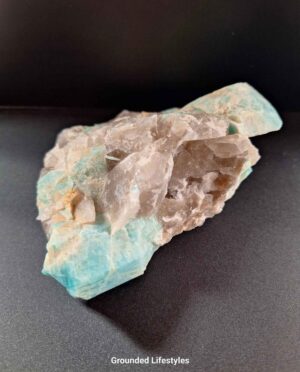
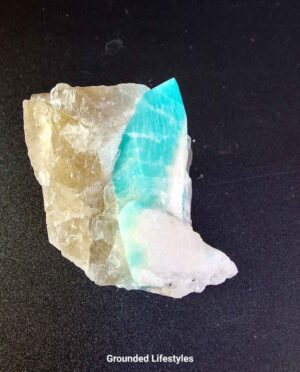
  • Colorado: Historic mining districts have produced notable rhodochrosite, while Colorado pegmatites are famous for combinations of amazonite and smoky quartz.
  • New York: Herkimer County is celebrated for exceptionally clear, double-terminated quartz crystals known as Herkimer Diamonds, while other New York localities have produced important collector minerals.
  • South Dakota: Black Hills pegmatites and historic localities such as Elk Creek have produced distinctive collector specimens, including golden barite.
  • Ontario & Quebec: Canada’s historic mining and collecting districts have produced an extraordinary variety of minerals, including apatite, zircon, amphiboles, uranium minerals, native silver, and other unusual species.
  • Brazil: One of the world’s great sources of gem minerals and crystals, including quartz, amethyst, tourmaline, aquamarine, and topaz.
  • Mexico: Famous mining districts have produced fluorite, calcite, barite, danburite, copper minerals, and many other highly collectible specimens.

A documented locality can add geological context and collector significance to a mineral. Whenever that information is available, Grounded Lifestyles includes locality and provenance details with individual specimens.

Displaying Minerals & Crystals

Minerals can be appreciated as geological specimens, collectibles, and natural décor. Thoughtful display can highlight crystal structure, color, and unusual formations.

  • Lighting: Directional lighting can reveal crystal faces, transparency, inclusions, and optical effects.
  • Display: Acrylic risers and specimen stands help elevate smaller pieces and showcase crystal formations.
  • Collections: Grouping specimens by mineral species, locality, color, or geological association can create both attractive and educational displays.
  • Natural Décor: Crystals and polished mineral forms pair naturally with wood, glass, metal, and other organic materials.

Whether displayed for geological interest, rarity, color, or natural beauty, minerals offer a way to bring a tangible piece of Earth’s history into a collection or living space.

Minerals, Meaning & Tradition

Alongside their geological importance, minerals have been given symbolic and metaphysical meanings across cultures and modern crystal traditions.

  • Quartz: Clarity, focus, and amplification
  • Amethyst: Intuition, tranquility, and awareness
  • Rose Quartz: Compassion, harmony, and emotional connection
  • Black Tourmaline: Grounding and protection
  • Selenite: Clarity, cleansing, and alignment
  • Copper Minerals: Transformation, creativity, and energetic flow

Many people choose minerals purely for their geology and beauty, while others enjoy the symbolism and traditions associated with them. These metaphysical associations are based on cultural and spiritual traditions and are not scientific or medical claims.

Learn More About Minerals

Continue exploring mineral science, collecting, localities, crystal structure, and individual mineral species in our Minerals Articles, where we bring together our educational guides for collectors, rockhounds, and crystal enthusiasts.

  • Crystal Formation 101 — Free e-Book — A beginner-friendly introduction to how crystals and minerals form.
  • Collector’s Field Guide to Authentic Crystals — Free e-Book — Practical guidance for identifying, evaluating, and collecting crystals.
  • Crystal Systems Explained: Why Shapes Matter — Learn how crystal structure influences the natural forms and symmetry seen in minerals.
  • Why Quartz Is King — Discover the geology, varieties, and remarkable diversity of one of Earth’s most abundant minerals.

Continue Exploring

Explore more of our mineral-focused collections, including Crystal Points, Agates, Copper Specimens, and Tumbled Stones, or discover historic locality specimens in the Donald Wininger Collection.