Calcite is one of the most abundant and diverse minerals on Earth, known for its remarkable range of crystal forms, colors, and geological environments. Composed of calcium carbonate (CaCO₃), calcite occurs in sedimentary rocks, hydrothermal veins, caves, ore deposits, and mineral-rich environments around the world.
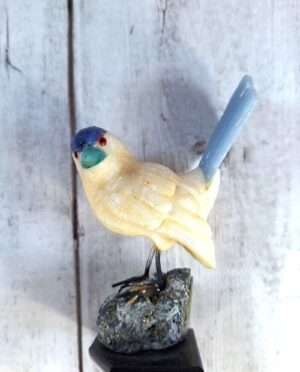
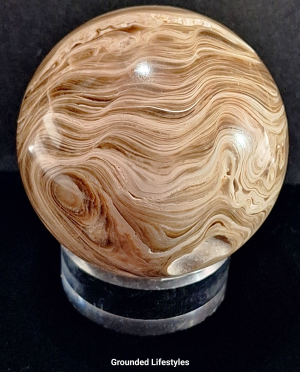
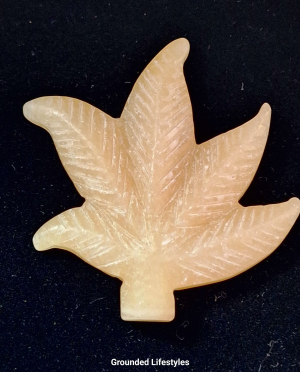
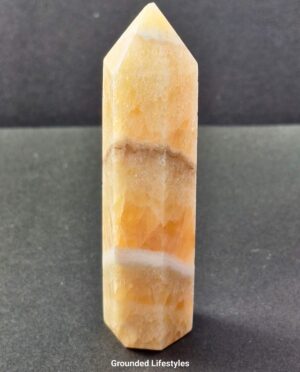
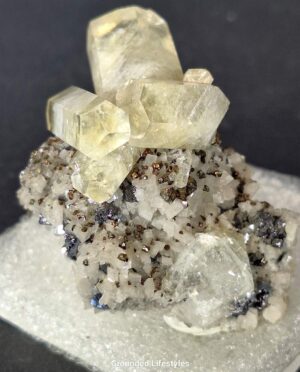
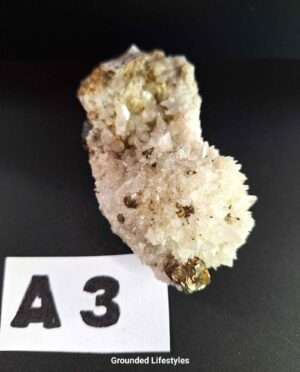
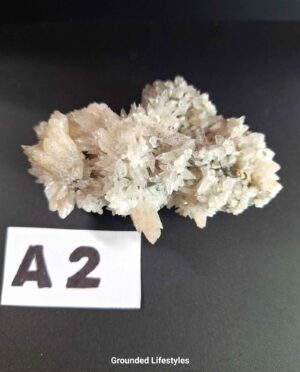
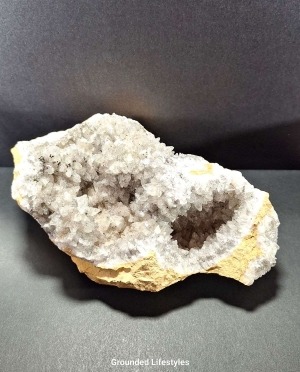
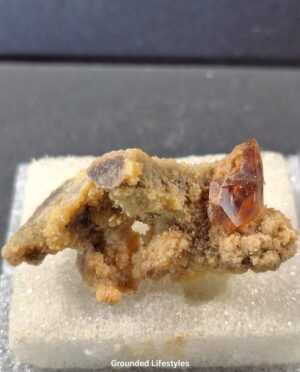
The Grounded Lifestyles Calcite collection includes natural calcite specimens, dogtooth and scalenohedral crystals, mineral association specimens, colored calcite, polished forms, carvings, and decorative pieces. Collector specimens may feature calcite alongside minerals such as barite, dolomite, chalcopyrite, and galena, while polished calcite highlights the mineral’s natural colors and banding.
Our collection includes calcite from important mineral-producing regions such as Mexico, the United States, and Pakistan, along with historic locality specimens from the Donald Wininger Collection. From sharp natural crystals to polished decorative forms, calcite offers an extraordinary range of material for collectors, crystal enthusiasts, and natural-history displays.
Quick Facts
All products below are individually selected. You receive the exact stone or lot shown.
Showing 1–16 of 19 results


Calcite forms in a wide range of geological environments and is one of the primary minerals in limestone and marble. It also crystallizes from mineral-rich fluids in caves, hydrothermal veins, fractures, and ore deposits.
Its varied growth conditions produce an exceptional range of crystal habits, including rhombohedral crystals and elongated scalenohedral forms commonly called dogtooth calcite. Calcite may also occur alongside minerals such as quartz, fluorite, barite, dolomite, galena, and chalcopyrite.
Because calcite responds readily to changes in chemistry and its formation environment, differences in trace elements, inclusions, and growth conditions can produce white, clear, yellow, orange, pink, brown, green, and other colors.
Calcite occurs worldwide, but certain localities are especially valued for distinctive crystal habits, colors, and mineral associations. Mexico is well known for dramatic scalenohedral and dogtooth calcite, while historic mining districts throughout the United States have produced collectible calcite associated with metallic and carbonate minerals.
The Grounded Lifestyles collection also includes historic locality specimens from the Donald Wininger Collection, including calcite-bearing material from American mining districts.
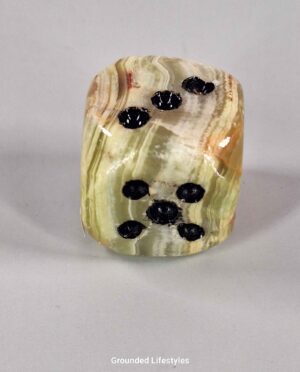
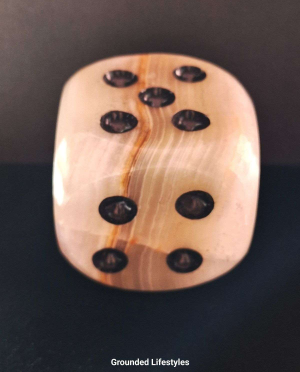
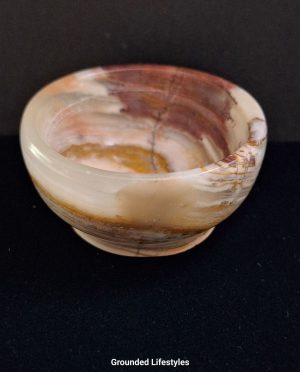
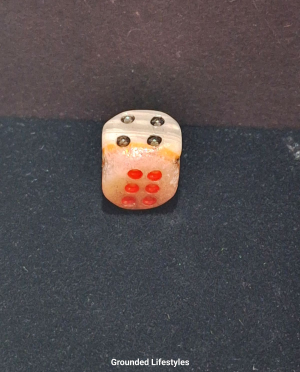
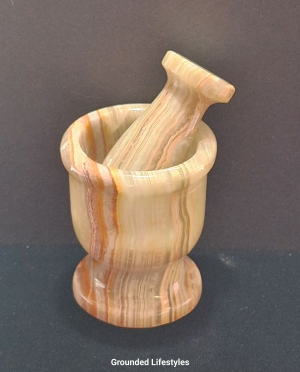
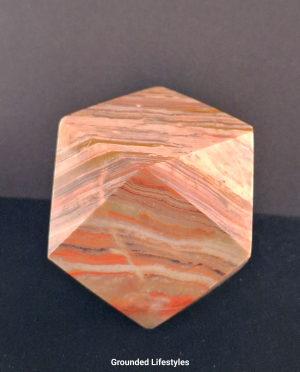
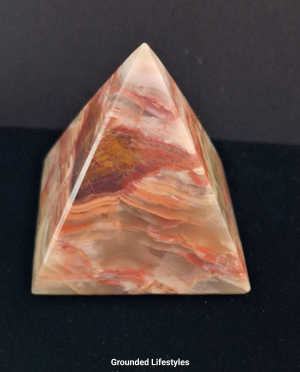
Some decorative material from Pakistan is commercially sold as “onyx” or “Pakistan onyx.” Unlike true onyx, which is a variety of chalcedony, much of this banded ornamental stone consists primarily of calcite and/or aragonite. Its attractive natural banding has made it popular for carvings and decorative objects.
Collectors evaluate calcite for crystal form, transparency, color, luster, mineral associations, condition, locality, and provenance. Sharp scalenohedral crystals, unusual colors, attractive combinations with other minerals, and specimens from notable or historic localities can be particularly desirable.
Calcite has a Mohs hardness of only 3, so crystal edges and terminations can be easily scratched or damaged. Handle natural specimens carefully and avoid harsh cleaning methods.
In crystal traditions, calcite is associated with clarity, renewal, motivation, and the movement of stagnant energy. Different colors are often given additional symbolic associations, with orange and yellow calcite connected with creativity and confidence, pink calcite with compassion, and clear calcite with focus and clarity.
These associations reflect metaphysical and cultural traditions rather than scientifically established properties.
Learn About Minerals & Calcite