Fossil

Fossils are the preserved record of ancient life on Earth capturing plants, animals, and marine organisms that lived millions of years ago. Formed through natural geological processes, fossils preserve structure, texture, and sometimes microscopic detail, offering a direct connection to Earth’s deep history and the evolution of life.

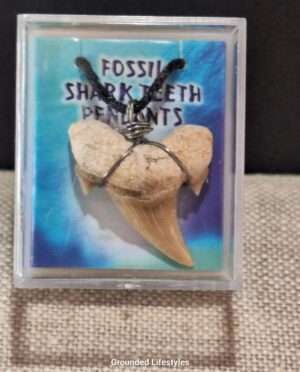
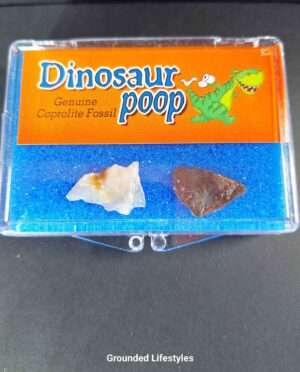
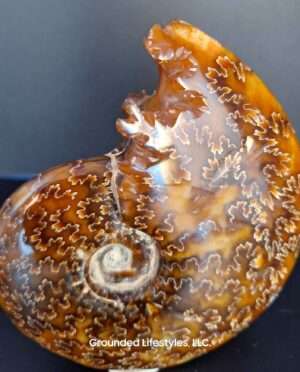
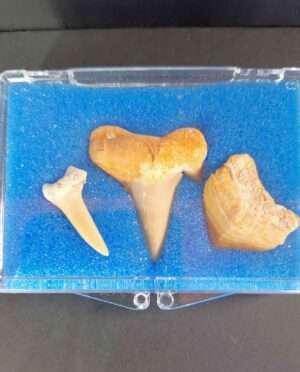
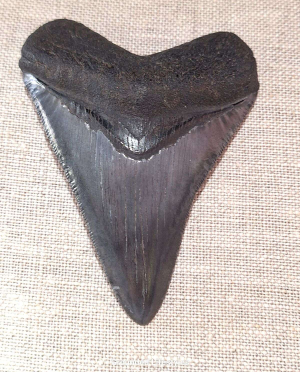
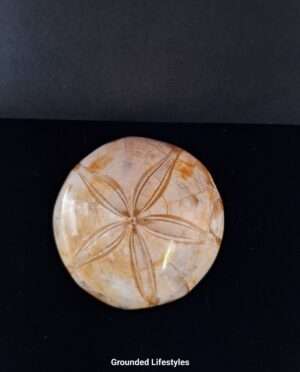
At Grounded Lifestyles, our Fossil collection features authentic, ethically sourced specimens selected for scientific integrity, visual quality, and educational value. From ammonites, nautiloids, and trilobites to shark teeth, coprolites, and mineralized fossils, each piece represents a moment frozen in geological time. These specimens are suitable for collectors, educators, students, interior designers, and anyone drawn to natural history.

Fossils are valued not only for age, but for preservation quality and provenance. Some preserve original shell or bone material, while others are mineral replacements that faithfully replicate organic structure at a cellular level. Whether polished for display or left in natural matrix, fossils reveal the environments and conditions in which ancient organisms lived  oceans, reefs, forests, and floodplains long vanished.

Beyond science, fossils hold cultural and symbolic significance. Across civilizations, they have been regarded as talismans of longevity, protection, and ancestral connection. Today, fossils bridge education and design, appearing in classrooms, museums, offices, and modern interiors as powerful reminders of Earth’s vast timeline.

All fossils offered here are individually photographed. You receive the exact specimen shown, with size, condition, and preparation clearly represented so you can collect with confidence.

Quick Facts:

  • Age Range: Millions to hundreds of millions of years old

  • Types: Invertebrate, vertebrate, plant, trace fossils

  • Preservation: Mineral replacement, permineralization, casts, carbon films

  • Use: Collecting, education, décor, gifting

  • Sourcing: Ethically obtained from established fossil localities

How Fossils Are Formed

Fossils form when organic material is preserved through specific geological processes that protect structure over immense spans of time.

Common fossilization processes include:

  • Permineralization: Minerals such as silica, calcite, or iron infiltrate pores in bone, wood, or shell, preserving structure while replacing organic material.

  • Replacement & Recrystallization: Original materials dissolve and are replaced atom by atom, preserving fine detail (common in shells and corals).

  • Carbonization: Heat and pressure compress organisms into thin carbon films, preserving delicate plants and insects.

  • Molds & Casts: Organisms leave impressions that later fill with minerals, forming three-dimensional replicas.

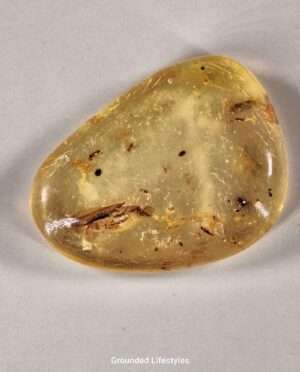
  • Amber & Copal Preservation: Tree resin traps organisms in exceptional detail; amber represents fully fossilized resin, while copal is younger and semi-fossilized.

Each process preserves different information — from anatomy to behavior making fossils invaluable scientific records.


Major Fossil Categories

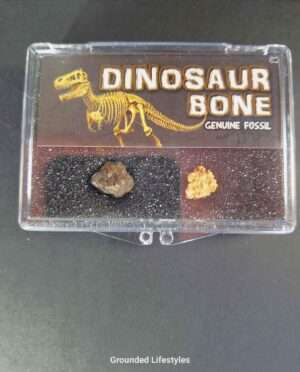
  • Vertebrate Fossils: Dinosaur bone, mammoth teeth, fish, marine mammals.

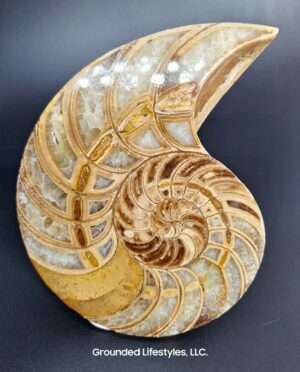
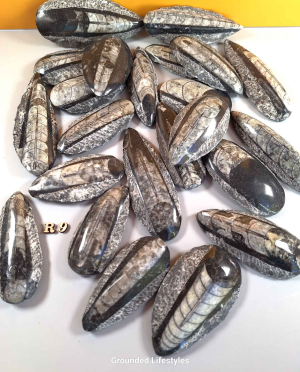
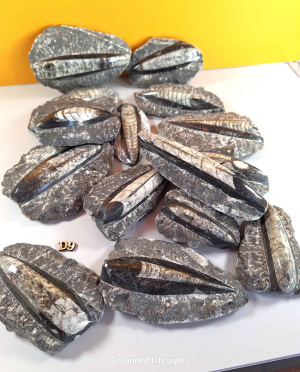
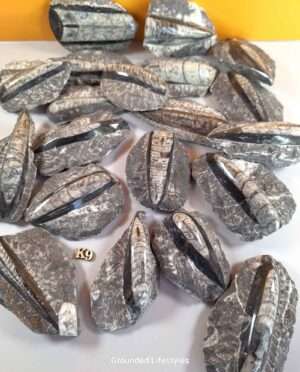
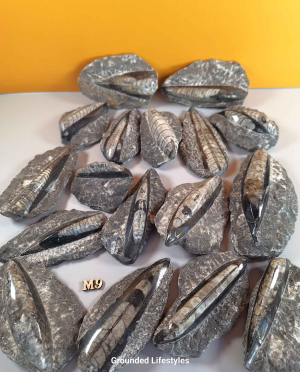
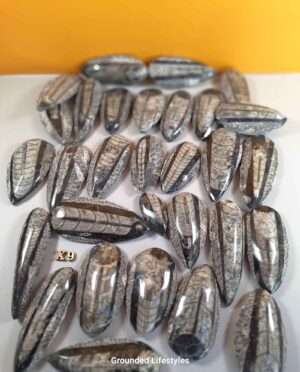
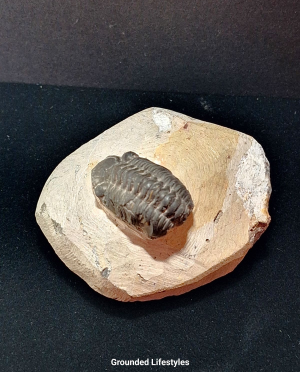
  • Invertebrate Fossils: Ammonites, trilobites, crinoids, brachiopods, orthoceras.

  • Plant Fossils: Petrified wood, palm fronds, fossil leaves.

  • Trace Fossils: Footprints, burrows, coprolites (fossilized dung).

  • Microfossils: Pollen, diatoms, foraminifera — critical for climate research.

Each category offers insight into different aspects of prehistoric ecosystems.

Famous Fossil Regions Worldwide

  • Morocco (Atlas Mountains): Devonian trilobites, orthoceras towers, ammonites; world-renowned fossil preparation.

  • Madagascar: Ammonites, nautiloids, coral fossils, and petrified wood.

  • United States:

    • Montana, Utah, Wyoming: Dinosaur fossils (Morrison Formation)

    • Carolinas & Florida: Megalodon teeth and marine vertebrates

    • South Dakota: Oligocene mammal fossils

  • Germany (Solnhofen): Exceptional preservation, including Archaeopteryx.

  • United Kingdom (Jurassic Coast): Ammonites, belemnites, marine reptiles.

  • China (Liaoning): Feathered dinosaurs and early birds.

  • Russia & Siberia: Mammoth remains and ammonites.

Provenance strongly influences collector and educational value.


Collecting & Caring for Fossils

What drives value:

  • Rarity & Completeness: Fully articulated specimens command higher value.

  • Aesthetic Quality: Iridescent ammonites, well-prepped trilobites, large shark teeth.

  • Size: Larger specimens typically carry higher premiums.

  • Scientific Importance: Famous formations increase desirability.

Care Guidelines:

  • Keep fossils in stable, dry environments.

  • Avoid prolonged direct sunlight (especially amber and calcite-filled fossils).

  • Clean gently with soft brushes or cloths only.

  • Handle stabilized fossils carefully resins may be present.

Displaying Fossils at Home or Work

  • Lighting: Side-lighting enhances texture and relief.

  • Contrast: Dark fossils stand out on light backgrounds; lighter fossils pop on dark bases.

  • Grouping: Shark teeth sets, trilobite clusters, or ammonite pairs tell visual stories.

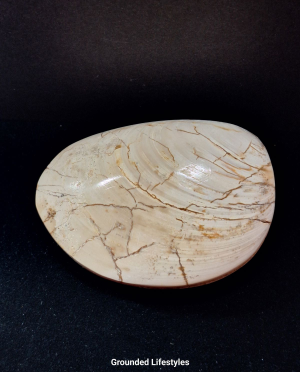
  • Statement Pieces: Large ammonites and petrified wood function as natural sculptures.

Fossils blend scientific intrigue with timeless décor appeal.


Symbolic Meaning of Fossils

Across cultures, fossils symbolize deep time, endurance, and ancestral wisdom.

  • Ammonites: Growth, cycles, abundance (often used in feng shui).

  • Orthoceras: Longevity and continuity.

  • Petrified Wood: Grounding, patience, transformation.

  • Amber: Warmth, purification, vitality.

  • Shark Teeth: Strength, adaptability, survival.

These meanings are cultural traditions rather than scientific claims.

Fossil Collector’s Field Guide (Free e-Book)
The Science of Fossilization: How Life Becomes Stone
Shop Fossils
Explore mineral specimens formed through geological processes
Discover meteorites and ancient space materials
Browse fossil and mineral jewelry
Explore the Mine to Mind Articles