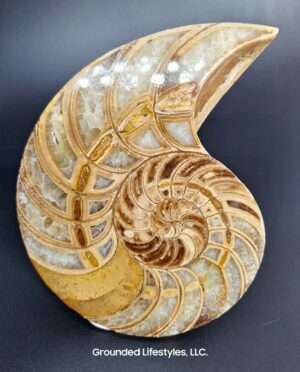
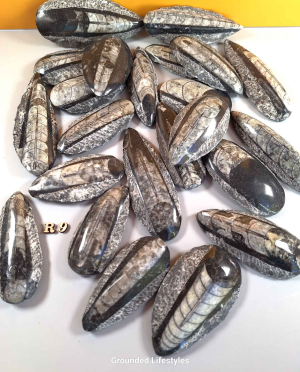
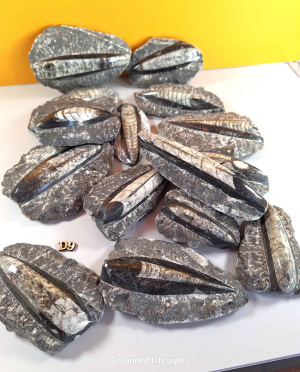
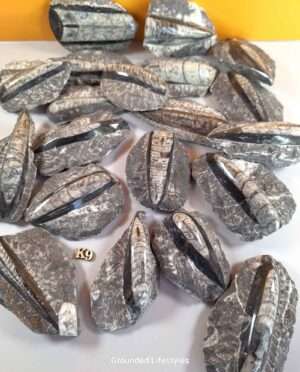
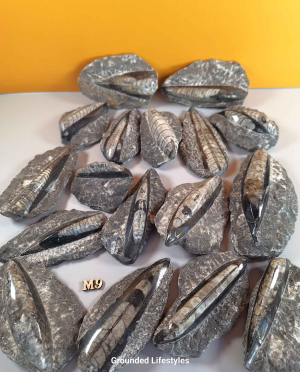
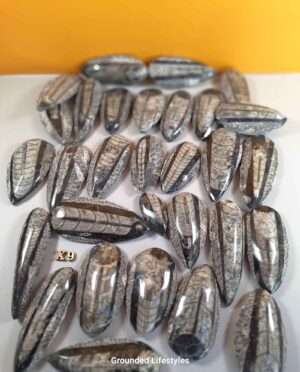
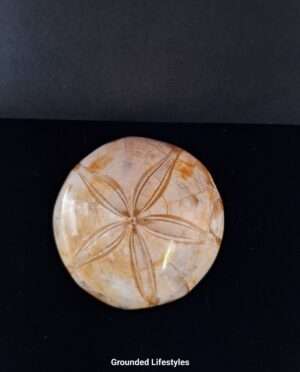
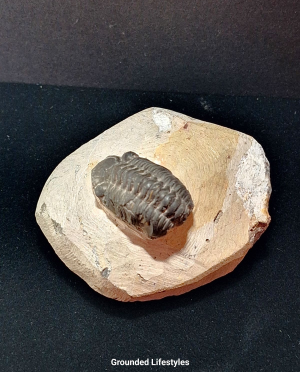
Fossils offer a glimpse into Earth’s ancient past, capturing the remnants of plants, animals, and marine life that lived millions of years ago. Each fossil tells a unique story about evolution, environments, and the history of life on our planet. Our fossil collection at Grounded Lifestyles includes beautifully preserved specimens perfect for display, education, and collecting. From ammonites and trilobites to unique prehistoric remains, our fossils are authentic, ethically sourced, and chosen with care. These natural wonders make meaningful gifts for history enthusiasts, geology students, or anyone who wants to connect with Earth’s incredible past. Whether you’re building a collection or choosing your very first fossil, Grounded Lifestyles provides high-quality pieces that bring ancient history to life.
✨ Learn more about fossils and natural history by visiting our Mine to Mind Blog
Showing 1–16 of 18 results


Fossils are the physical record of ancient life, formed when organic material is preserved through geologic processes. They are essential to paleontology, earth science, and evolutionary studies, but they also capture the imagination of collectors and the public.
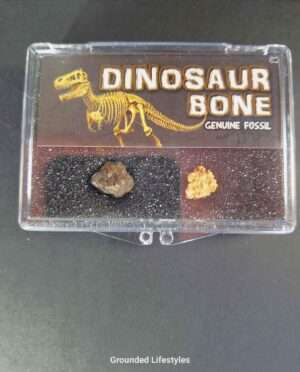
Permineralization: The most common fossilization process. Minerals such as silica, calcite, or iron infiltrate the pores of bone, wood, or shell. Over time, the organic matter is replaced while the structure remains intact. Dinosaur bones and petrified wood are classic examples.
Replacement & Recrystallization: Original material (like aragonite in shells) dissolves and is replaced atom by atom with a new mineral (like calcite). This preserves even microscopic details of shell texture or bone cell structure.
Carbonization: Heat and pressure compress plants or soft-bodied animals into thin carbon films. This is why delicate ferns and insects can be preserved in fine shale deposits.
Molds & Casts: Organisms leave imprints in sediment. If the imprint fills with minerals, it becomes a cast — a three-dimensional replica of the organism. Ammonites and brachiopods are often preserved this way.
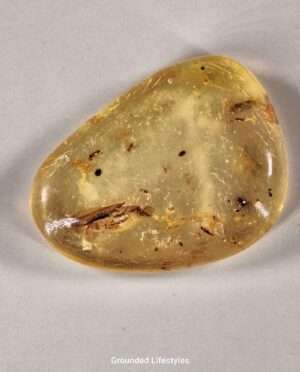
Amber Fossils: Tree resin hardens and fossilizes, trapping insects, feathers, and plants in incredible detail. Amber sometimes preserves microscopic DNA fragments, making it one of the most scientifically valuable fossil types.
Vertebrate fossils → dinosaur bone, mammoth teeth, fish skeletons, whale ear bones.
Invertebrate fossils → ammonites, trilobites, crinoids, brachiopods, orthoceras.
Plant fossils → petrified wood, palm fronds, fossil ferns, leaf impressions.
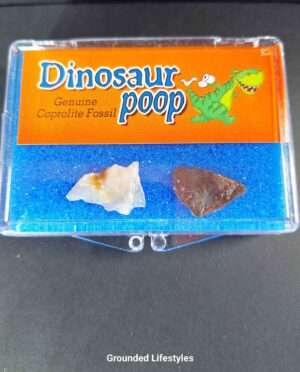
Trace fossils → footprints, burrows, coprolites (fossilized dung) offering behavioral insight.
Microfossils → foraminifera, diatoms, and pollen grains — crucial for climate and oil exploration research.
Fossil deposits are global, but certain regions are legendary among collectors and paleontologists. Each offers unique species, preservation styles, and collector markets:
Morocco (Atlas Mountains) → Devonian trilobites, polished orthoceras towers, ammonites with iridescent calcite replacement. Moroccan artisans are world leaders in fossil preparation and decorative fossil exports.
Madagascar → Ammonites, nautiloids, and coral polished into pairs or plates. Also known for vibrant petrified wood and fossil crinoids.
United States:
Montana, Utah, Wyoming → Dinosaur fossils from the Morrison Formation, including bone fragments, claws, and teeth.
South Dakota → Badlands rich in Oligocene mammal fossils like oreodonts and camels.
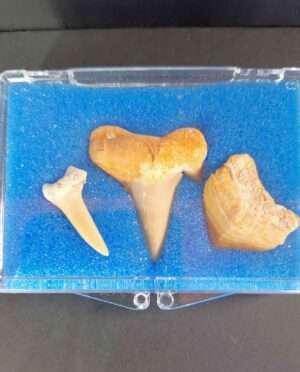
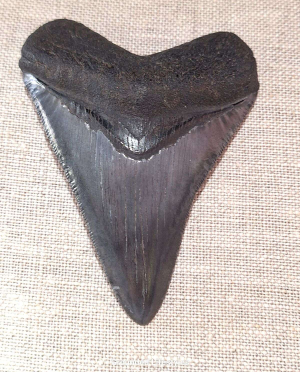
Carolinas (North & South) → Megalodon shark teeth, whale ear bones, and marine vertebrates from coastal phosphate deposits.
Florida → abundant Miocene shark teeth and fossilized marine mammals.
Germany (Solnhofen Limestone) → Exceptional preservation of delicate organisms, including Archaeopteryx — the famous “dino-bird” fossil.
United Kingdom (Jurassic Coast, Dorset) → Ammonites, belemnites, ichthyosaurs, and marine reptiles in world-famous Jurassic deposits.
China (Liaoning Province) → Feathery dinosaurs, early birds, and insects preserved in fine ash-rich shales, providing extraordinary evolutionary insights.
Russia & Siberia → Ammonites, mammoth remains, and fossil wood from permafrost zones.
Fossil collecting is one of the most diverse niches in natural history, spanning academic, decorative, and investment markets.
Rarity & Completeness: Whole trilobites, articulated fish, or full ammonite chambers command higher value than partial fragments.
Aesthetic Quality: Iridescent ammonites (ammolite), beautifully prepped trilobites, and polished orthoceras towers appeal to collectors and decorators alike.
Size: Large fossils draw attention (e.g., Megalodon teeth >5 inches fetch premium prices).
Scientific Provenance: Fossils from famous formations (e.g., Hell Creek, Morrison, Solnhofen) are more desirable.
Porous & Fragile: Many fossils (trilobites, bone, fish slabs) are brittle and should be kept in stable, dry conditions.
Sunlight Sensitivity: Amber and fluorite-bearing fossils fade in UV light — avoid direct display in sunny rooms.
Cleaning: Only dust lightly. Harsh chemicals can damage fossil matrices or delicate calcite fillings.
Stabilization: Some fossils (especially Moroccan trilobites) are consolidated with resins. Handle with care.
Scientific/Educational Buyers → Classroom kits, teaching fossils, and scientifically important specimens.
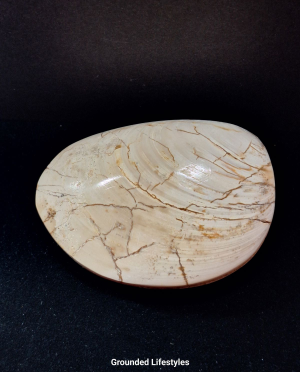
Decorative Buyers → Polished ammonite pairs, orthoceras bowls, and fossil wood décor.
Serious Collectors/Investors → Rare vertebrate material, Zuni-layer trilobites, or museum-grade ammonites.
Lighting enhances structural beauty — ammonites glow with side-lighting, while orthoceras towers stand tall under spotlights.
Contrast → Dark fossil slabs (shales, orthoceras) look best on light backgrounds, while lighter fossils (petrified wood, ammonites) pop on darker bases.
Grouping → Fossil clusters (e.g., shark teeth displays, trilobite sets) create visual impact and educational storytelling.
Fossils embody the concept of deep time — linking human consciousness to Earth’s evolutionary memory. In metaphysical circles, they are tools for grounding, ancestral connection, and transformation.
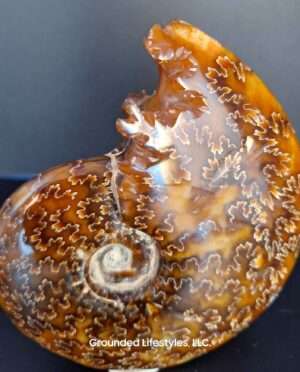
Ammonites: Spiraled growth patterns symbolize evolution, cycles of time, and personal expansion. Often used in feng shui for abundance and flow.
Orthoceras: Ancient cephalopods representing longevity, wisdom, and continuity. Believed to connect users with ancestral knowledge.
Petrified Wood: Associated with grounding, patience, and the stabilizing energy of trees transformed into stone. A metaphor for endurance and resilience.
Amber: Known as “sunlight solidified,” amber is tied to purification, warmth, and life force.
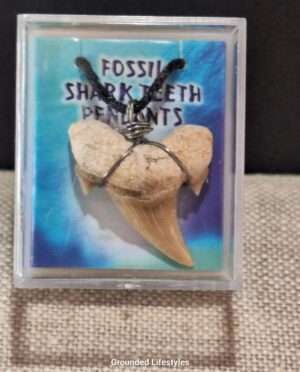
Shark Teeth & Vertebrate Fossils: Viewed as talismans of strength, adaptability, and survival instincts.
Fossils have been revered throughout history:
Medieval Europe → ammonites called “snake stones,” thought to protect against snakebite.
Native American traditions → fossils used as amulets for grounding and protection.
Asian feng shui → ammonites and fossilized shells placed in wealth or career areas to enhance prosperity.
Interior Design: Fossil bowls, ammonite bookends, and orthoceras plates blend natural history with modern décor.
Statement Pieces: Large ammonites and fossil wood slices function as natural sculptures.
Workspaces: Fossils placed on desks symbolize wisdom and long-term vision.
Meditation Spaces: Fossils are used to connect practitioners with Earth’s ancient energies, serving as focal points during grounding rituals.
Fossil Collector’s Field Guide (Free e-Book)
The Science of Fossilization: How Life Becomes Stone
How to Display Fossils & Meteorites Safely at Home
Shop Fossils
Explore the Mine to Mind Articles
Experience the wonder of crystals, minerals, and fossils firsthand at our Arizona marketplace booths and seasonal gem shows. Each event brings the beauty of our online collection to life — with exclusive specimens, show specials, and one-of-a-kind artisan pieces you won’t find anywhere else.
✨ Meet Us at Local Markets & Shows
Join us at Anthem Market in the Park, Clarkdale Market, and Westgate Entertainment Artisan Alley — or explore our full schedule on the Events Hub.
Each event listing includes dates, maps, and featured products so you can plan your visit and shop in person.
🪶 Shop at Our Booth Locations Across Arizona
Find Grounded Lifestyles displays in West Sedona, Prescott, and Payson — each booth curated with local favorites and collector’s pieces from our online store.
Visit our Store Booth Locations page for current hours, directions, and featured inventory.