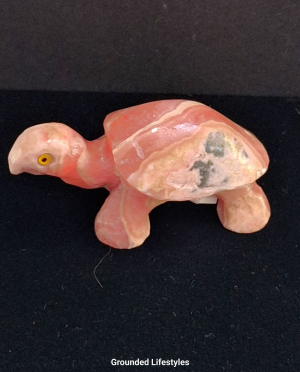
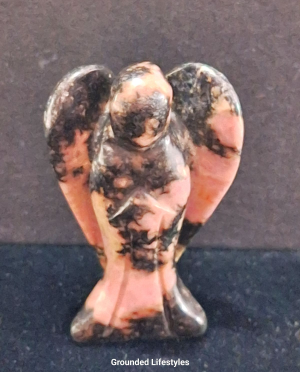
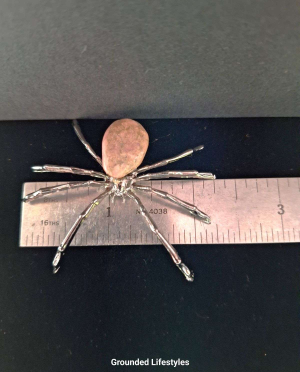
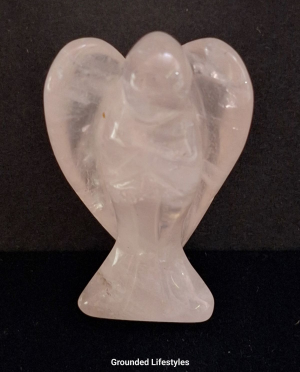
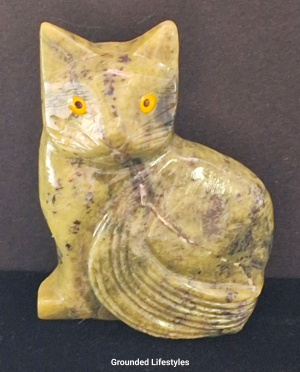
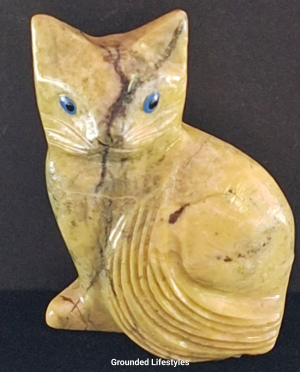
Crystal animal figurines are shaped from minerals selected not only for symbolism, but for physical and geological properties that influence carving quality.
Common materials include:
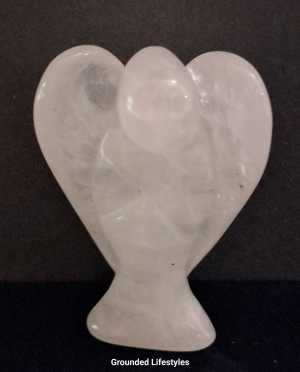
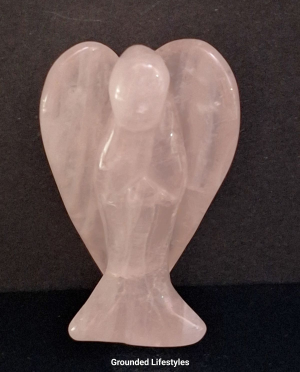
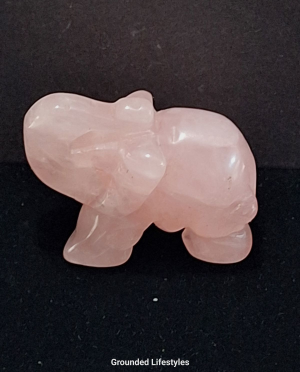
Quartz Family (Clear Quartz, Amethyst, Rose Quartz, Citrine): Durable (Mohs 7), takes a high polish, widely used for detailed carvings.
Fluorite: Known for green, purple, and blue banding; softer (Mohs 4) and best suited for gentle display.
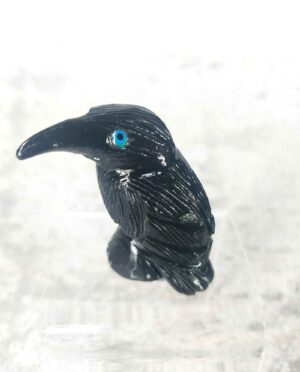
Obsidian: Volcanic glass with a sleek, reflective surface; ideal for modern, minimalist animal forms.
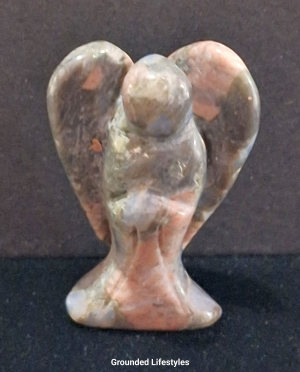
Jasper & Agate: Microcrystalline quartz with earthy tones and natural banding.
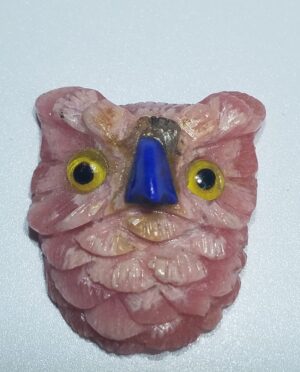
Sodalite & Lapis Lazuli: Deep blue minerals favored for owls, birds, and symbolic figures.
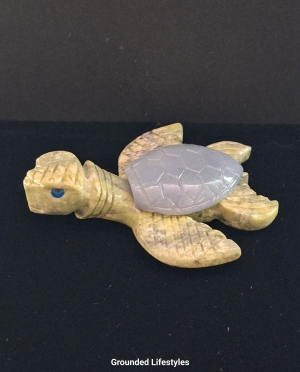
Soapstone (Steatite): Soft metamorphic rock (Mohs 1–2.5), historically used for figurines and ceremonial carvings due to its ease of shaping.
Each figurine reflects its mineral origin — volcanic, hydrothermal, or metamorphic — making crystal animals both artistic expressions and geological artifacts.
Where Crystal Animal Figurines Are Carved
Crystal animal carvings come from regions where mineral resources and carving traditions intersect:
Brazil: Major producer of quartz carvings, polished to a high sheen and exported worldwide.
China: Long tradition of jade, serpentine, and quartz animal symbolism tied to feng shui (dragons, tigers, cranes).
Zuni, New Mexico (USA): Renowned for fetish carvings in turquoise, jet, and serpentine highly collectible cultural art.
India: Known for soapstone, aventurine, and labradorite carvings, often depicting elephants and owls.
Madagascar: Source of rose quartz, labradorite, and carnelian carvings with bold natural color.
Peru: Famous for soapstone animals such as llamas, alpacas, condors, and jaguars rooted in Andean symbolism.
Mexico, India & Pakistan: Producers of sleek black onyx animal carvings.
Provenance, material rarity, and cultural lineage all influence collector value.
Collecting & Caring for Crystal Animal Figurines
Crystal animal figurines occupy a unique space between mineral collecting, cultural art, and décor.
What drives value:
Material: Labradorite, lapis lazuli, chrysocolla, and high-grade quartz increase desirability.
Craftsmanship: Fine detail and balanced proportions indicate skilled carving.
Cultural Origin: Zuni, Peruvian, and traditional Chinese carvings command collector respect.
Condition: Clean polish and intact details (ears, tails, wings) are important.