
All products below are individually selected. You receive the exact stone or lot shown.
Showing 17–32 of 81 results
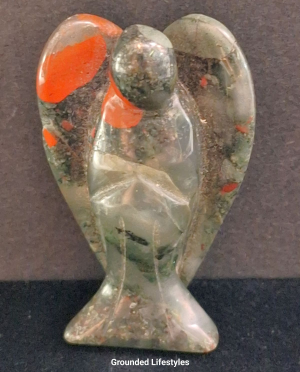
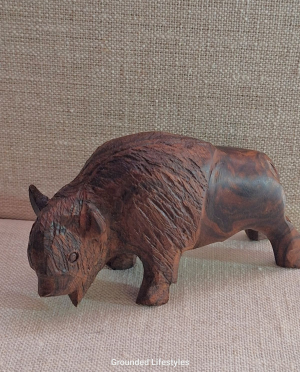
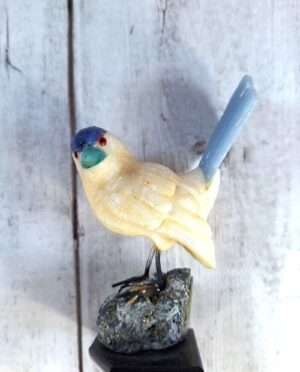
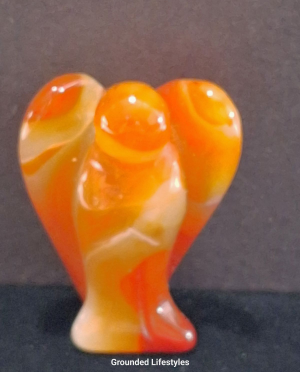
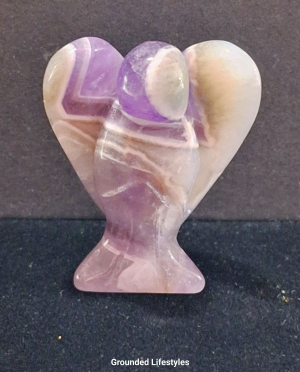
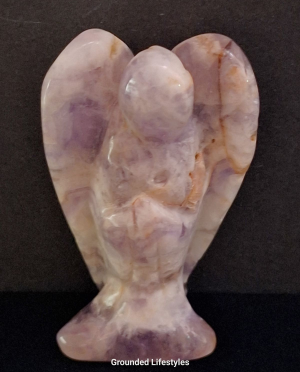
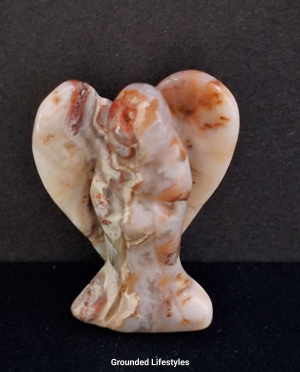
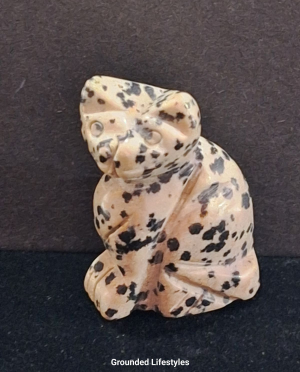
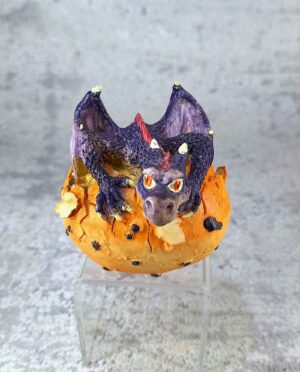
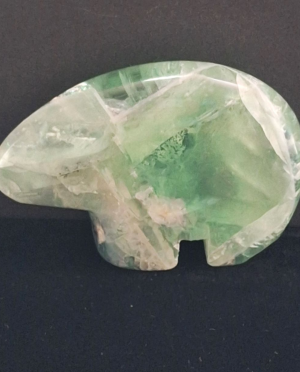
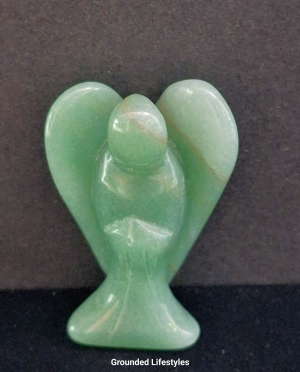
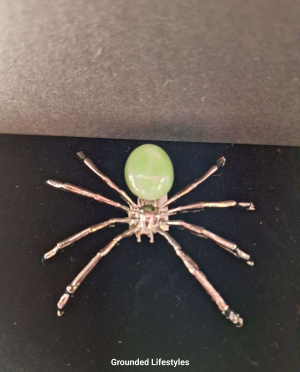
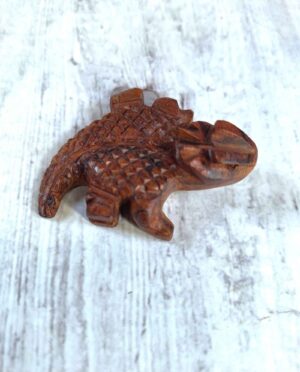
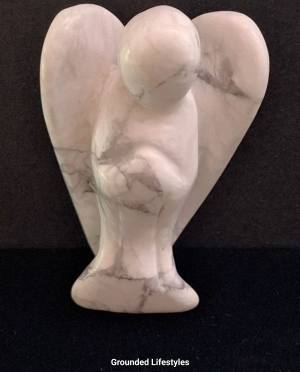
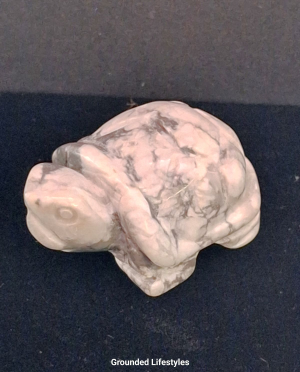
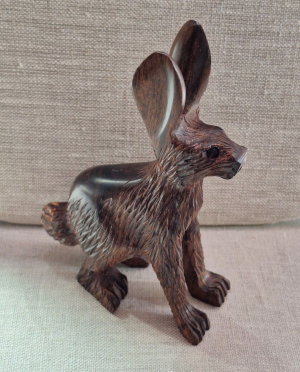
Crystal animal figurines are made from materials selected for their color, pattern, durability, workability, and ability to take a polished or detailed finish. Each material behaves differently during cutting and carving, giving the finished piece its own combination of natural stone character and craftsmanship.
Common materials include:
The geological origins of these materials vary considerably. Some form through volcanic activity, hydrothermal processes, sedimentary environments, or metamorphism, while others, such as obsidian, form as volcanic glass. This geological diversity gives crystal animal carvings much of their variation in color, pattern, texture, translucency, and surface character.
Stone carving has developed independently across many cultures, and modern gemstone figurines are produced in regions where lapidary skills, artistic traditions, and access to natural stone intersect. The source of the stone and the location where a figurine was carved are not always the same, so documented provenance is important when the origin of a carving contributes to its collector interest.
Some stone carvings belong to specific cultural and artistic traditions and should not be treated simply as generic crystal figurines. Zuni carvings, for example, have cultural significance within Zuni tradition and are commonly known in the collector market as fetishes. Authentic pieces should be represented according to their documented artist, material, provenance, and cultural origin rather than using “Zuni” as a general description for Southwestern-style stone carvings.
For collectible carvings overall, documented maker, material, age, workmanship, condition, cultural origin, and provenance may all contribute to desirability. A stone’s rarity alone does not determine the value of the finished carving.
Crystal animal figurines occupy a unique space between mineral collecting, lapidary art, cultural traditions, symbolism, and décor. Collector interest can depend on the stone itself as well as the skill and history behind the finished carving.
What collectors consider:
There is no universal grading system for crystal animal carvings. Desirability and value vary according to material, workmanship, size, condition, rarity, provenance, cultural significance, and individual collector interest.
Care requirements depend on the material used in each carving.
For routine cleaning, use a soft, dry cloth. A slightly damp cloth may be appropriate for many durable materials, but avoid chemical cleaners, steam, prolonged soaking, and ultrasonic cleaning unless you know the specific stone can safely tolerate the method.
Crystal animal figurines can carry layers of symbolic meaning by combining traditional or modern interpretations of the stone with symbolism associated with the animal form. These meanings vary among cultures, spiritual practices, and metaphysical traditions and are best understood as symbolic associations rather than universal properties.
Common modern symbolic associations include:
Animal symbolism varies considerably among cultures and spiritual traditions. These associations represent common modern interpretations rather than universal meanings. For culturally specific symbols, the meaning of an animal may be much more complex and should be understood within its particular tradition.
Displaying Crystal Animal Figurines
Crystal animal carvings can be displayed individually as small sculptural accents or grouped into collections by animal, stone, color, or symbolism. Pairing polished carvings with raw mineral specimens can also create an interesting contrast between the natural material and the finished lapidary work.
Lighting can highlight features such as the flash of labradorite, the translucency of quartz and fluorite, agate banding, or the reflective surface of obsidian. Natural materials such as wood and stone also complement crystal carvings without competing with their color and form.
For collectors, grouping figurines by themes such as owls, dragons, turtles, horses, or other favorite animals can create a collection that reflects both an appreciation for natural stone and a personal connection to animal symbolism.
Crystal Animal Symbolism & Carving Guide — Free E-Book
Explore our free guide to crystal animal carvings, including animal symbolism, stone meanings, collecting, and the relationship between natural materials and carved forms.
The Art & Meaning of Crystal Animal Carvings
Discover the history, craftsmanship, symbolism, stone choices, and cultural traditions behind crystal and gemstone animal carvings.
Explore Crystal Healing Articles
Learn more about crystal meanings, Reiki, meditation, chakras, intention-setting, and the metaphysical traditions associated with many of the stones used in crystal animal carvings.
Explore the natural minerals and crystals behind many carved pieces, with information about geology, locality, mineral characteristics, provenance, and collecting.
Browse our complete educational library covering minerals, crystals, fossils, meteorites, geology, collecting, metaphysical traditions, and natural-history topics.