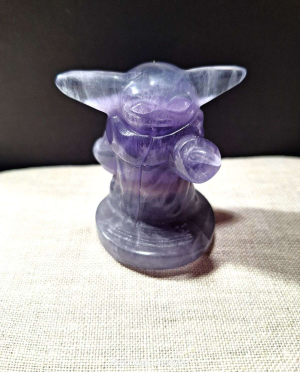
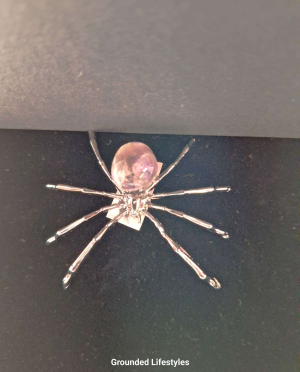
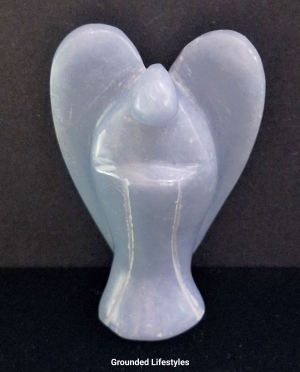
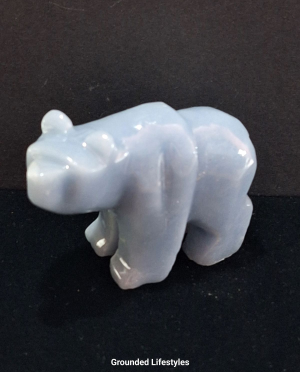
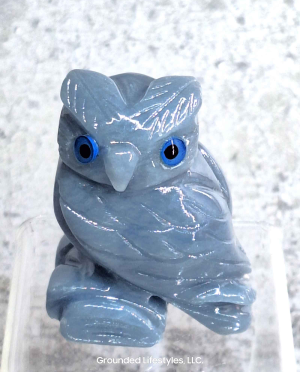
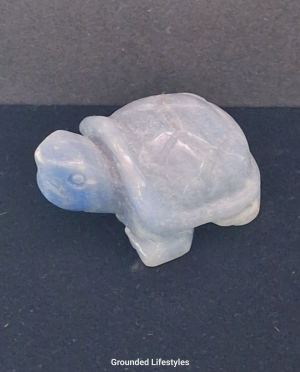
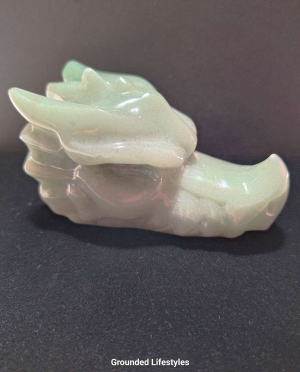
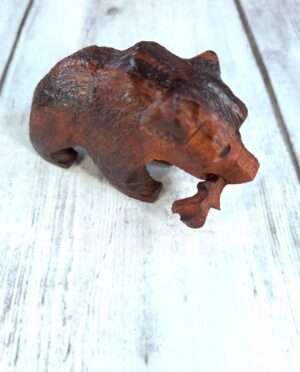
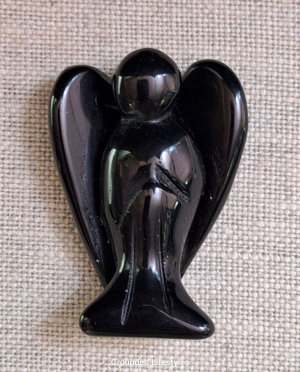
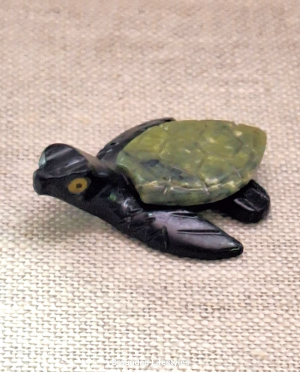
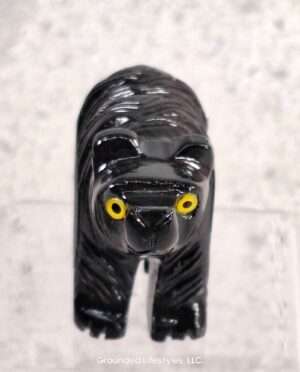
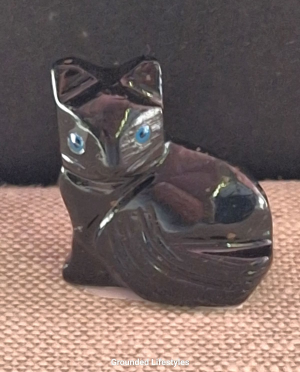
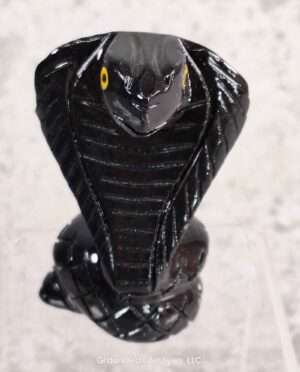
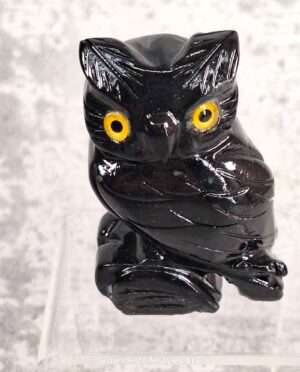
Discover the charm of our Animals & Figurines collection, where artistry and symbolism meet authentic crystals and minerals. From hand-carved spirit animals to unique figurines, each piece is chosen for its natural beauty, meaning, and ability to inspire. Whether you’re a collector, gift-giver, or simply adding a special accent to your décor, these creations bring character and energy into your space.
Want to dive deeper into the symbolism and stories behind crystal animals? Visit our Mine to Mind Blog for insights, guides, and styling inspiration.
Showing 1–16 of 74 results


Crystal animal figurines are created from minerals shaped by Earth’s geological forces, then carved by human hands into symbolic forms. The choice of material depends not only on cultural tradition but also on the physical and mineralogical properties of each stone.
Common Materials:
Quartz family (clear quartz, amethyst, rose quartz, citrine) → durable (Mohs 7), takes a high polish, and comes in colors that resonate with different symbolic meanings.
Fluorite → valued for its bands of green, purple, and blue, though more fragile (Mohs 4) and requiring careful handling.
Obsidian → volcanic glass, sharp and reflective, ideal for sleek animal carvings.
Jasper and Agate → microcrystalline quartz varieties offering earthy reds, browns, and banded patterns.
Sodalite and Lapis Lazuli → rich blue minerals favored for owls, dolphins, and birds.
Soapstone (steatite) → a metamorphic rock composed primarily of talc and magnesium silicate, softer (Mohs 1–2.5), making it one of the easiest stones to carve. Its buttery texture allows for fine detail and has been used for thousands of years in figurines and ceremonial objects.
Workability: The mineral’s hardness, cleavage, and fracture determine its suitability:
Hard quartz requires diamond tools but produces durable carvings.
Soapstone and serpentine allow intricate detail but are prone to scratches.
Fluorite cleaves easily, limiting the types of animals it can be carved into.
Geological Background: Each stone type originates in different environments:
Quartz and jasper → crystallized from silica-rich fluids in volcanic or hydrothermal systems.
Fluorite → forms in hydrothermal veins and is associated with lead and zinc deposits.
Obsidian → rapid cooling of rhyolitic lava.
Soapstone → forms under metamorphic conditions where talc develops from ultramafic rock alteration.
Thus, each figurine is both an artistic object and a miniature geological specimen, carrying the story of its mineral origin alongside its carved symbolism.
Crystal animal figurines are carved in regions where lapidary traditions and mineral resources intersect. Each locality adds its own style, cultural significance, and choice of stone:
Brazil → One of the largest producers of quartz carvings (amethyst, rose quartz, citrine, and sodalite). Brazilian workshops export small-scale animal figurines worldwide, often polished to a high sheen.
China → Long history of jade, serpentine, and quartz animal carvings, with symbolism tied to feng shui (dragons for strength, tigers for protection, cranes for longevity). Chinese artisans also produce large-scale decorative carvings.
Zuni, New Mexico, USA → World-famous for fetishes carved from turquoise, jet, and serpentine. Each animal embodies spiritual meaning, passed down through generations, making them highly collectible.
India → Known for carvings in green aventurine, labradorite, and soapstone. Indian artisans often focus on elephants, owls, and traditional symbolic animals.
Madagascar → A hub for rose quartz, carnelian, and labradorite carvings, with bold natural colors.
Peru → Famous for soapstone animal carvings, often depicting llamas, alpacas, and traditional Andean motifs. Peruvian artisans also carve condors and jaguars, drawing from indigenous symbolism.
Black Onyx Carvings → Produced in Mexico, India, and Pakistan, black onyx figurines are favored for their sleek, modern look and symbolic connection to protection and grounding.
Crystal animal figurines sit at the crossroads of mineral collecting, cultural art, and decorative styling, which gives them a broad appeal across markets — from serious collectors to casual gift buyers. Understanding their nuances elevates their value and desirability.
Collectors of Mineral Artifacts: See figurines as a way to enjoy their favorite minerals in sculptural form — a quartz wolf is both a geological specimen and a symbolic carving.
Cultural Collectors: Seek carvings tied to specific traditions (e.g., Zuni fetishes, Chinese jade animals, Peruvian soapstone llamas). Provenance adds prestige and story value.
Gift Buyers: Figurines are affordable entry points into the world of crystals, often purchased as tokens of meaning — e.g., rose quartz hearts for love, elephants for prosperity.
Material:
Rare stones like labradorite, lapis lazuli, or chrysocolla increase desirability.
Common stones like soapstone and serpentine are more affordable but allow for larger, more expressive carvings.
Craftsmanship:
Highly detailed carvings (feathers on an owl, fur texture on a wolf) demonstrate artisan skill and fetch higher value.
Minimalist carvings have their own following, especially in modern décor markets.
Cultural Origin: Zuni, Peruvian, and Chinese traditions command collector respect due to heritage and symbolism.
Soft Stones (soapstone, serpentine, calcite) → Scratch easily; best displayed indoors in stable environments. Avoid frequent handling to preserve polish.
Moderate Stones (fluorite, lapis) → Sensitive to sunlight (fading risk); keep out of direct light.
Hard Stones (quartz, obsidian, jasper) → Withstand handling but can still chip at fragile points (ears, tails, beaks).
Cleaning → Use a soft dry or damp cloth. Avoid chemicals or ultrasonic cleaners which can damage porous stones.
Figurines shine in curated groupings — wolves, owls, elephants, or themed displays around a single mineral like labradorite.
They serve as excellent bridges between raw specimens and home décor: collectors who don’t typically display raw crystals may still highlight animal carvings as artistic accents.
Lighting matters:
Labradorite carvings reveal iridescence (labradorescence) under angled light.
Fluorite carvings glow when backlit.
Obsidian and black onyx carvings reflect light dramatically against lighter backgrounds.
Limited-production carvings from heritage traditions (e.g., authentic Zuni pieces) appreciate in value as artisan lineages become rarer.
Figurines carved from increasingly scarce materials (high-grade lapis, true Afghan turquoise) are entering collector demand curves as availability declines.
Soapstone and onyx carvings, though more common, often hold sentimental and cultural value that drives strong secondary markets.
Crystal animal figurines carry a double layer of meaning: the intrinsic vibration of the crystal itself and the symbolic power of the animal form. This fusion makes them some of the most purposeful carvings in the metaphysical and styling world.
Crystal Frequency: All minerals vibrate at stable frequencies (scientifically demonstrated in quartz oscillation, used in watches). In metaphysical practice, this vibrational stability is believed to influence human energy fields.
Animal Totem Focus: By shaping a crystal into an animal, artisans “program” the stone with symbolic resonance. For example, a wolf carved from obsidian amplifies both protection (obsidian) and loyalty/intuition (wolf symbolism).
Wolf → Intuition, guardianship, family bonds (often carved in labradorite or obsidian).
Elephant → Strength, memory, and prosperity; rose quartz elephants are used for love, green aventurine for luck.
Owl → Wisdom, perception, and guidance through darkness; amethyst and fluorite owls align with clarity and spiritual vision.
Cat → Independence, curiosity, and guardianship of sacred spaces; tiger’s eye cats enhance confidence, black onyx cats offer protection.
Eagle / Hawk → Vision, freedom, higher perspective; clear quartz and citrine emphasize clarity and leadership.
Turtle → Longevity, grounding, patience; carved from jasper or soapstone, they symbolize slow but steady progress.
Zuni Fetishes: Animals carved as spirit companions, carried for protection or empowerment. Each animal is linked to a direction and life purpose.
Chinese Symbolism: Jade animals — dragons for strength, tigers for courage, cranes for long life — are incorporated into feng shui to balance energy flow in spaces.
Peruvian Soapstone Carvings: Often depict llamas, alpacas, and condors, connecting crystal energy with the cultural importance of Andean fauna.
Meditation Companions: Figurines serve as tactile tools during meditation, focusing intention and calming the mind.
Crystal Grids & Altars: Animals are placed at grid corners or center points to direct energy. A quartz eagle may serve as a “north” guardian, while a rose quartz rabbit sits in the “love” sector.
Personal Totems: Small figurines can be carried in pockets, purses, or placed on work desks as reminders of personal goals and protections.
Home Décor: Figurines add warmth and storytelling to spaces. Placed on shelves, coffee tables, or bedside stands, they offer both beauty and meaning.
Office & Workspaces: A black onyx cat or obsidian wolf near a computer is styled as both protective and grounding, countering technological “energy drain.”
Gift Symbolism: Animal figurines are meaningful gifts — elephants for luck in new ventures, owls for students or teachers, dolphins for friendship and play.
Combination Styling: Figurines pair beautifully with raw mineral specimens, plants, or wooden décor, creating natural vignettes. Labradorite wolves or owls come alive under LED spotlights, while rose quartz animals soften spaces with a gentle glow.
Crystal Animal Symbolism & Carving Guide (Free e-Book)
The Art & Meaning of Crystal Animal Carvings
Shop Crystal Animal Figurines
Collector’s Field Guide to Authentic Crystals (Free e-Book)
Explore the Mine to Mind Articles
Experience the wonder of crystals, minerals, and fossils firsthand at our Arizona marketplace booths and seasonal gem shows. Each event brings the beauty of our online collection to life — with exclusive specimens, show specials, and one-of-a-kind artisan pieces you won’t find anywhere else.
✨ Meet Us at Local Markets & Shows
Join us at Anthem Market in the Park, Clarkdale Market, and Westgate Entertainment Artisan Alley — or explore our full schedule on the Events Hub.
Each event listing includes dates, maps, and featured products so you can plan your visit and shop in person.
🪶 Shop at Our Booth Locations Across Arizona
Find Grounded Lifestyles displays in West Sedona, Prescott, and Payson — each booth curated with local favorites and collector’s pieces from our online store.
Visit our Store Booth Locations page for current hours, directions, and featured inventory.