Description
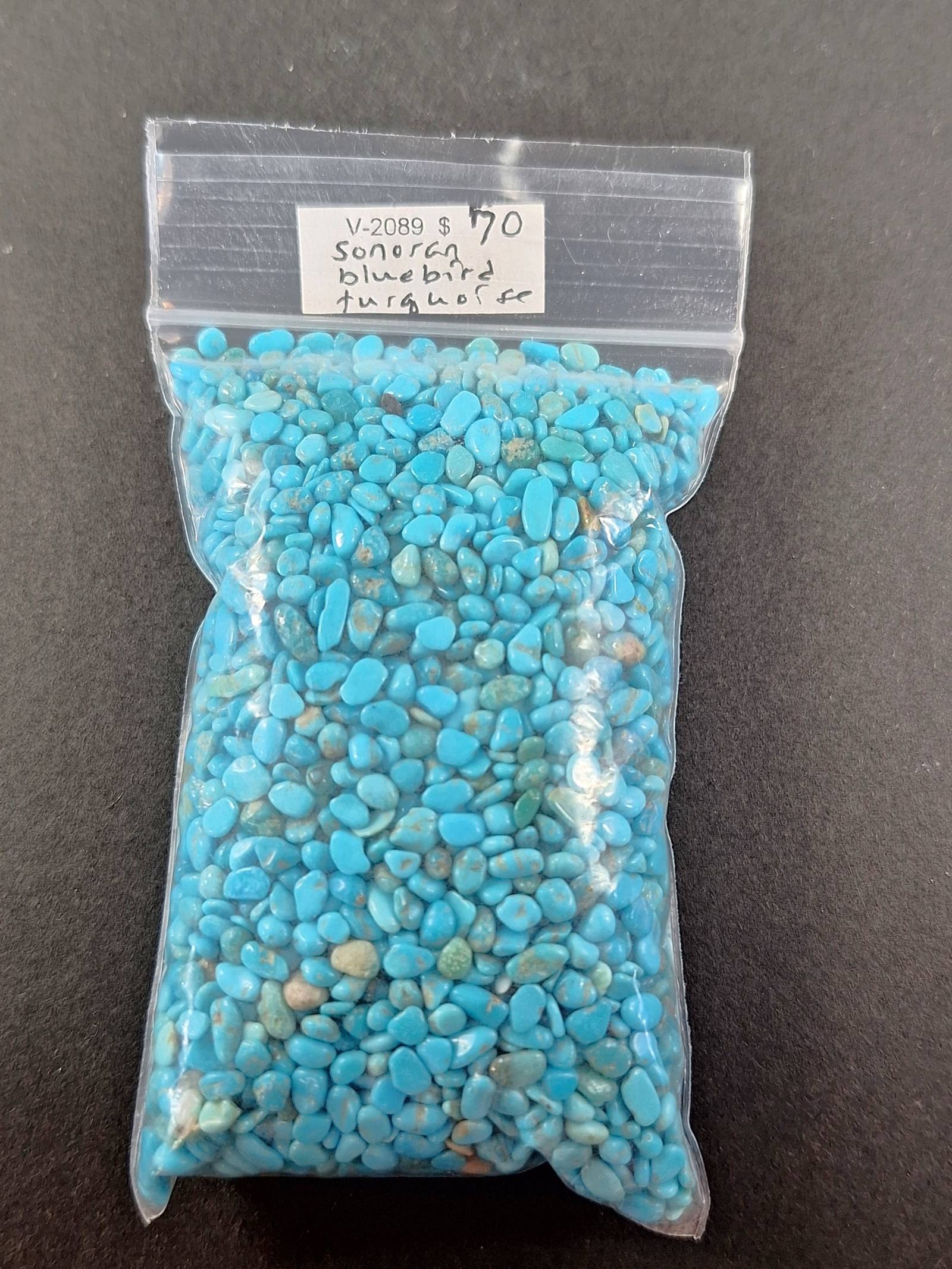
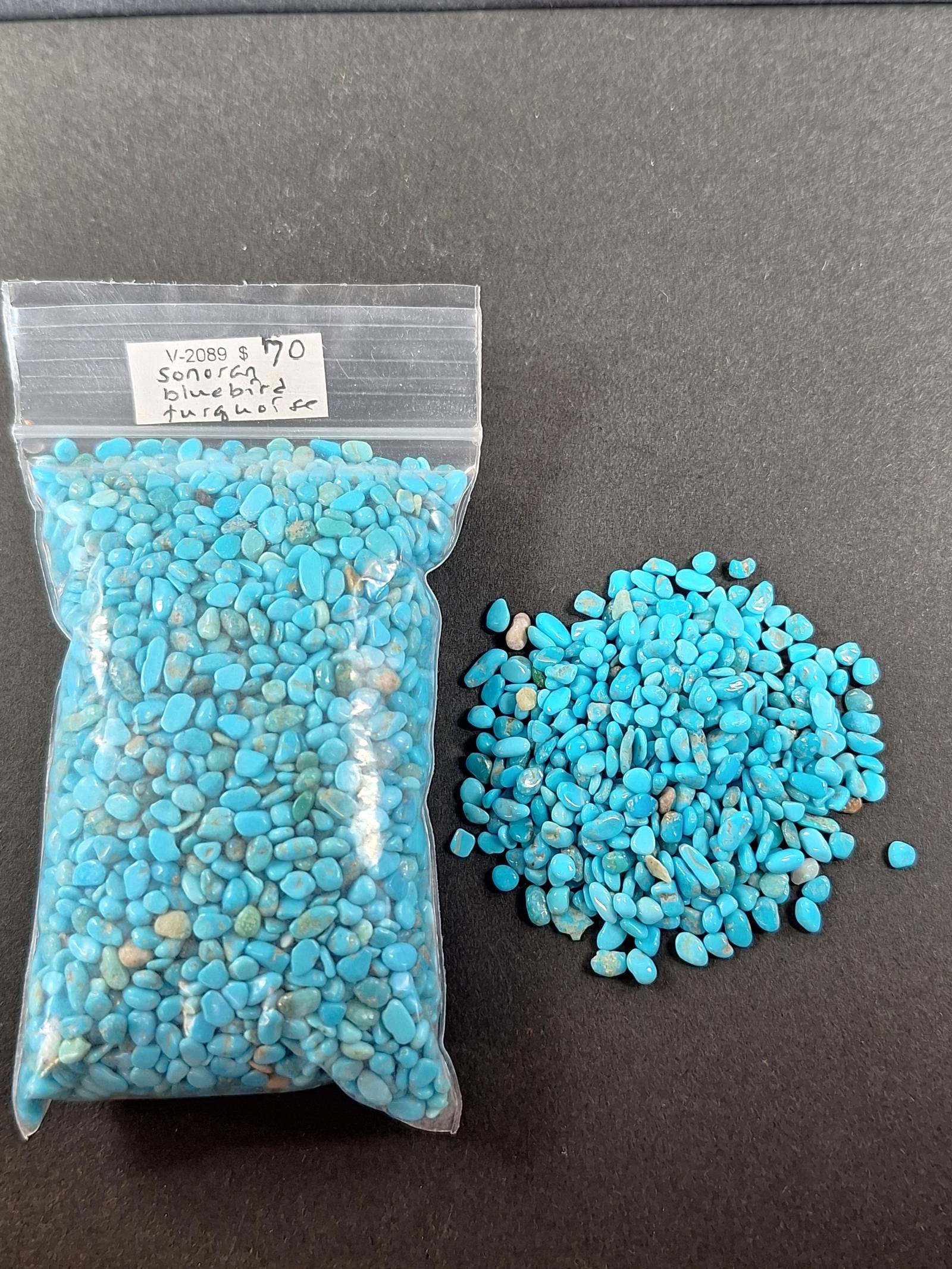
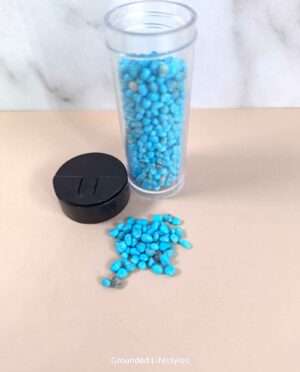
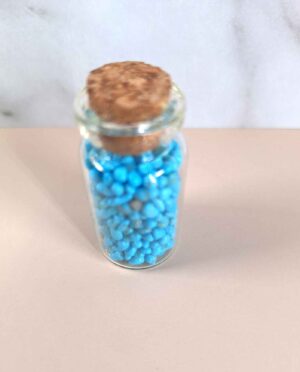
Sonoran Bluebird Turquoise Grain – 2.6 oz Lot from Mexico
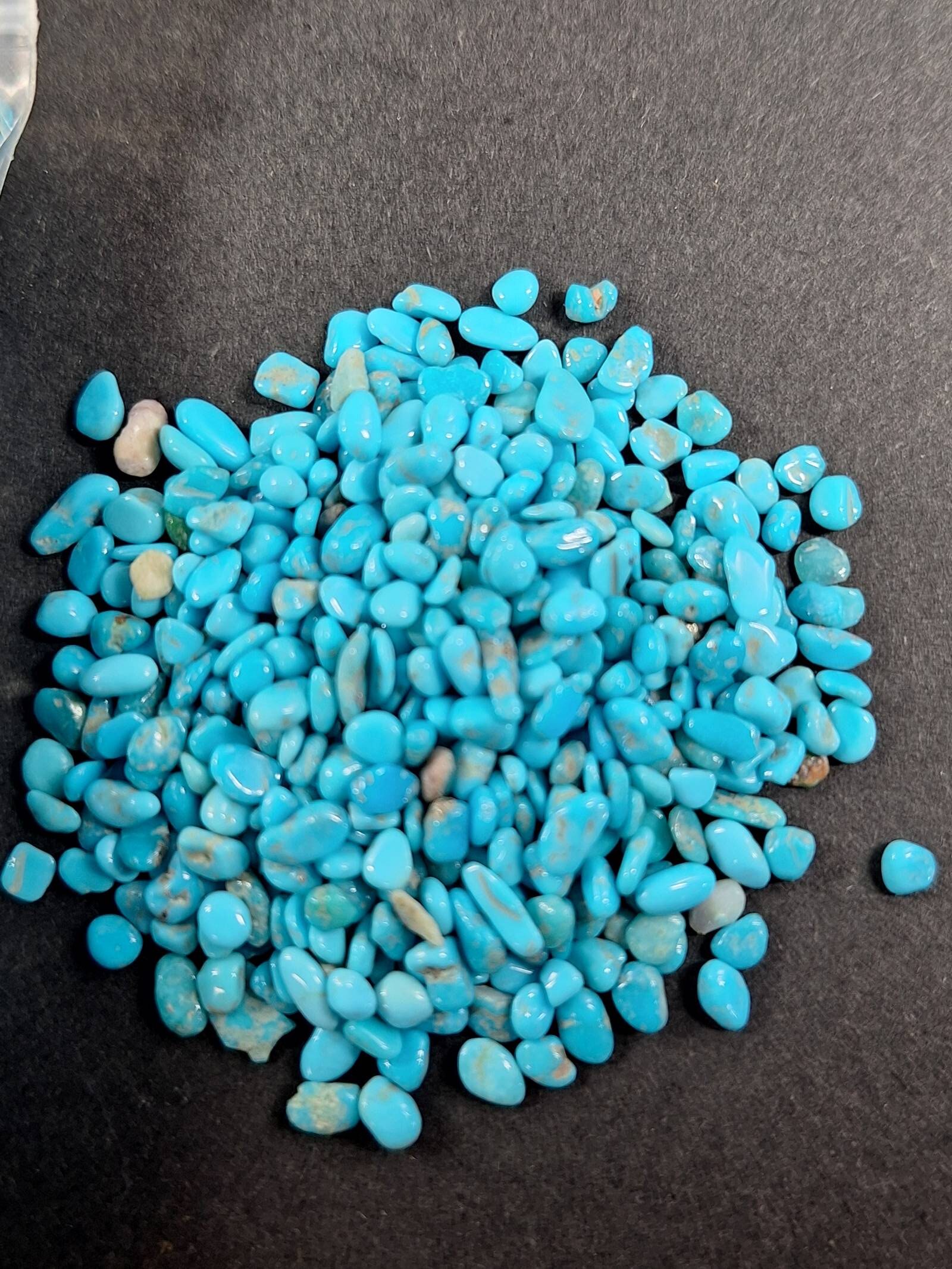
For artists and lapidary enthusiasts who enjoy working with turquoise beyond traditional cabochons, this 2.6-ounce lot of Sonoran Bluebird turquoise grain offers a generous quantity of loose material. Sourced from Sonora, Mexico, the parcel is suited to collectors who appreciate turquoise in its unfinished state and craftspeople looking for mineral fragments to incorporate into their own designs.
Unlike a single polished stone, a parcel of turquoise grain allows the material to be sorted, arranged, and selected according to the needs of a project. The larger quantity is particularly useful when working across several decorative elements or when a design calls for numerous individual pieces rather than one continuous stone.
Creative Possibilities with Loose Turquoise
Turquoise has been used in ornamental inlay for centuries, bringing natural color into jewelry, decorative objects, and carefully fitted stonework. In contemporary lapidary projects, smaller pieces can be arranged within recessed patterns or combined with suitable binding materials to create decorative surfaces.
A 2.6-ounce parcel offers more flexibility for projects that involve repeated motifs, multiple small inlays, or experimental arrangements. Artists may consider the material for jewelry components, mosaic details, or decorative woodworking, depending on the size, condition, and workability of the individual fragments.
Selecting material is an important part of the process. Differences in density, porosity, and the amount of surrounding rock can influence how turquoise responds to cutting, grinding, and polishing. Sorting the grain before beginning a project helps identify pieces appropriate for the intended technique.
The Geology Behind Sonoran Turquoise
Turquoise is a hydrated copper aluminum phosphate mineral that forms through chemical reactions in weathered, copper-bearing geological environments. Its formation generally involves groundwater moving through rock and interacting with minerals that supply copper, aluminum, and phosphorus.
The mineral belongs to the triclinic crystal system and has a Mohs hardness of approximately 5–6. Its colors range from blue to green, with variations influenced by mineral chemistry and the conditions under which it formed.
Sonora, Mexico, is an established source of turquoise and other copper-related minerals. Turquoise from this region has attracted attention from jewelry makers and collectors for its range of appearances and its connection to the mineral-rich landscapes of northern Mexico.
Turquoise in Cultural and Metaphysical Traditions
Long before turquoise became a familiar gemstone in modern jewelry, it held an important place in decorative and ceremonial traditions across several civilizations. Its use in the American Southwest is particularly well known, where turquoise has been fashioned into beads, ornaments, and intricate stone inlay.
In modern crystal traditions, turquoise is commonly associated with communication, protection, wisdom, and personal expression. It is frequently connected with the throat chakra and used symbolically in meditation or intention-setting practices. These meanings are part of cultural and spiritual traditions rather than scientifically established properties.
Working with and Caring for Turquoise Grain
Turquoise can be porous and may respond poorly to harsh chemicals, excessive heat, and prolonged contact with oils or solvents. Store loose material in a clean, dry container, preferably separated from harder minerals that could scratch its surface.
For lapidary work, examine the fragments before selecting abrasives or adhesives. Turquoise may be natural, stabilized, or otherwise treated, and different material conditions can affect the techniques used. When grinding or shaping mineral fragments, use appropriate dust suppression and respiratory protection.
This 2.6-ounce Sonoran Bluebird turquoise grain lot provides a substantial quantity of loose material for collectors and creative projects, with the freedom to select, arrange, and work with individual pieces according to their natural characteristics.
Only logged in customers who have purchased this product may leave a review.

Reviews
There are no reviews yet.