Description
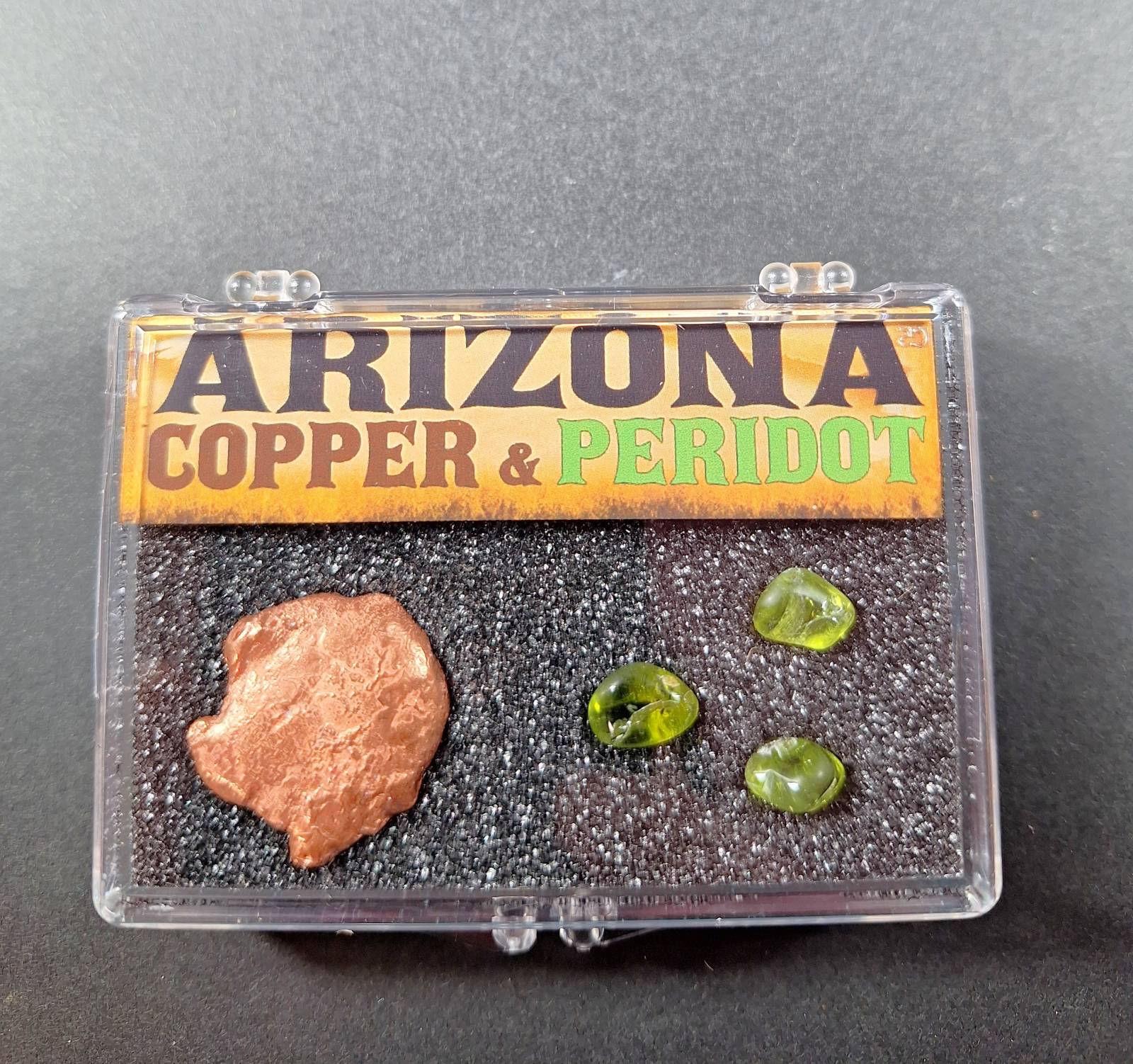
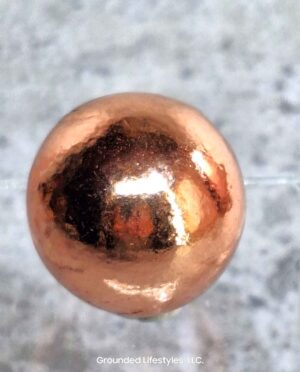
Globe Arizona Copper and San Carlos Peridot Display Case
Arizona is famous for its copper mines, but the state also produces one of the world’s most recognizable green gemstones: peridot. This distinctive mineral display brings together copper from Globe, Arizona, and peridot from the San Carlos Apache Reservation, presenting two important parts of the state’s geological heritage in a compact 3 × 3-inch case. The pairing offers an interesting contrast between copper, a metal that helped shape Arizona’s mining history, and peridot, a gemstone formed in a volcanic environment. Together, they tell a story of the remarkable variety of minerals found within a relatively small region of eastern Arizona.
Globe, Arizona: A Historic Copper Mining District
The Globe-Miami mining region in Gila County has been an important center of Arizona’s copper industry since the nineteenth century. Although early mining activity focused on silver, copper eventually became the district’s principal commodity as extensive deposits were developed. The region is especially known for its large copper-bearing mineral systems, where geological processes concentrated valuable metals within the surrounding rock. Over time, weathering and groundwater activity also produced a variety of secondary copper minerals that have attracted collectors. For mineral enthusiasts, Globe represents more than an industrial mining district. Its long history and diverse mineral occurrences make it an important part of Arizona’s collecting heritage. Copper from this locality provides a tangible connection to the geology and mining traditions of the American Southwest.
San Carlos Peridot: Arizona’s Green Gemstone
East of Globe, the San Carlos Apache Reservation is internationally recognized for its peridot deposits. One of the best-known sources is Peridot Mesa, where green olivine occurs within volcanic basalt. Peridot is the gem-quality variety of olivine, a magnesium-iron silicate mineral. Unlike many gemstones that develop in veins or cavities within the Earth’s crust, olivine can originate under the high-temperature conditions of the upper mantle. Volcanic activity can then transport olivine-bearing material toward the surface. At Peridot Mesa, the gemstone occurs in association with basalt, reflecting the area’s volcanic history. San Carlos peridot is admired for its characteristic green color, which can range from yellowish green to richer olive tones. The San Carlos deposits also have cultural and economic importance as a gemstone resource associated with the San Carlos Apache Tribe.
Two Arizona Mineral Stories in One Display
Although Globe copper and San Carlos peridot come from the same general part of Arizona, their geological origins are very different. Copper mineralization in the Globe region is associated with extensive hydrothermal and ore-forming processes, while San Carlos peridot is connected to olivine-bearing volcanic rocks. Displaying them together creates an opportunity to appreciate these contrasting environments and the extraordinary mineral diversity of Arizona. The 3 × 3-inch case provides a convenient presentation for a shelf, desk, mineral cabinet, or Southwestern-themed collection. Its compact size also makes it a thoughtful gift for someone interested in Arizona mining history, gemstones, or regional geology.
Traditional Mineral Symbolism
Copper has long been associated in cultural and metaphysical traditions with vitality, connection, and the movement of energy. Peridot is often linked with renewal, abundance, optimism, and personal growth. Together, the two minerals can represent a symbolic balance between strength and fresh beginnings. These associations reflect spiritual traditions and personal interpretations rather than scientifically demonstrated effects.
Care and Display
Keep the display case in a dry location away from excessive moisture and direct, prolonged sunlight. Copper can naturally develop surface changes through oxidation, while peridot should be protected from hard impacts and abrasive contact. For routine maintenance, gently dust the exterior of the case with a soft, dry cloth. Avoid applying chemical cleaners directly to the minerals. This pairing celebrates two mineral resources that have helped establish Arizona’s reputation among geologists, gem enthusiasts, and collectors.
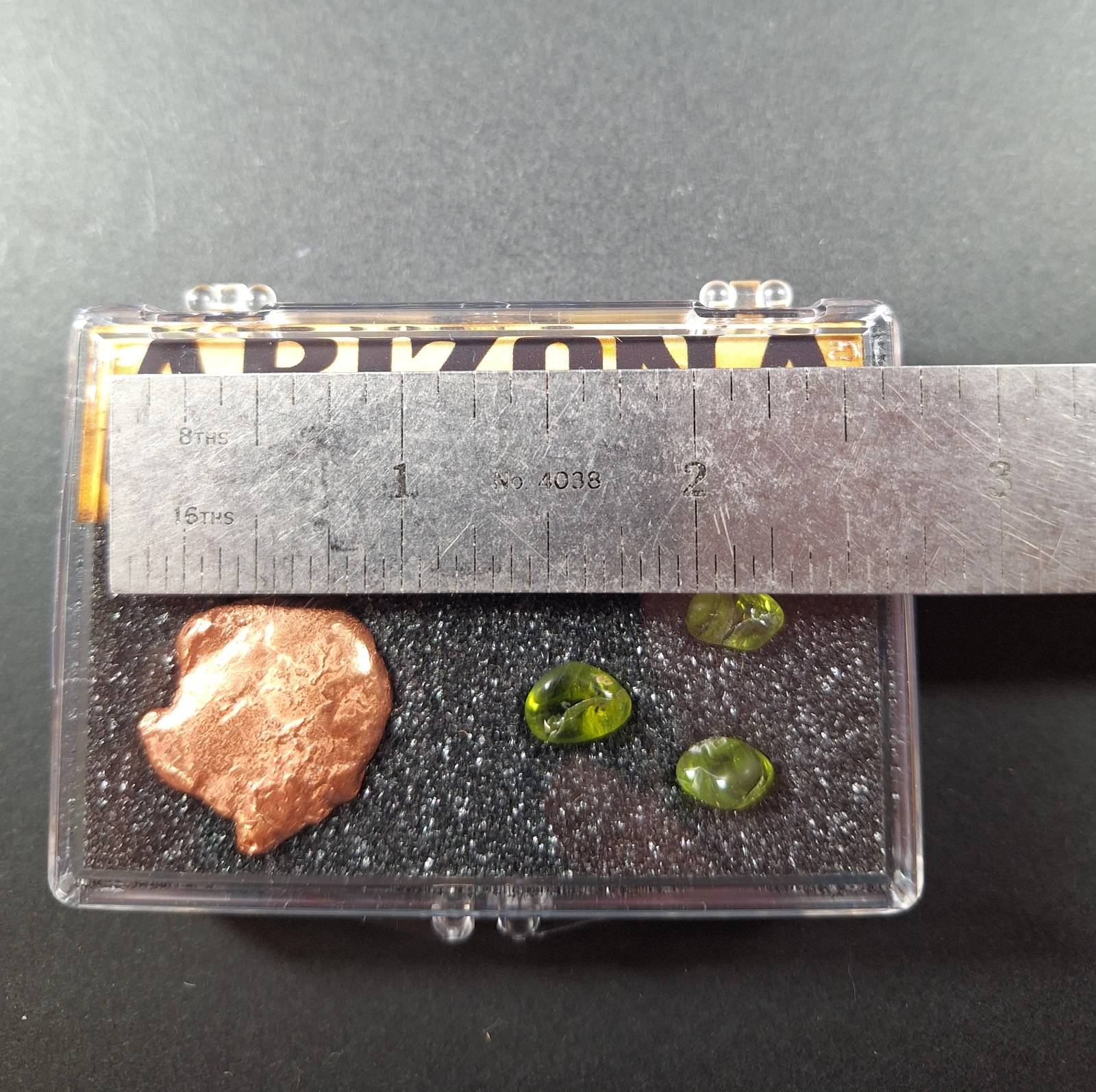
Display case dimensions: 3 × 3 inches.
Only logged in customers who have purchased this product may leave a review.

Reviews
There are no reviews yet.