Description
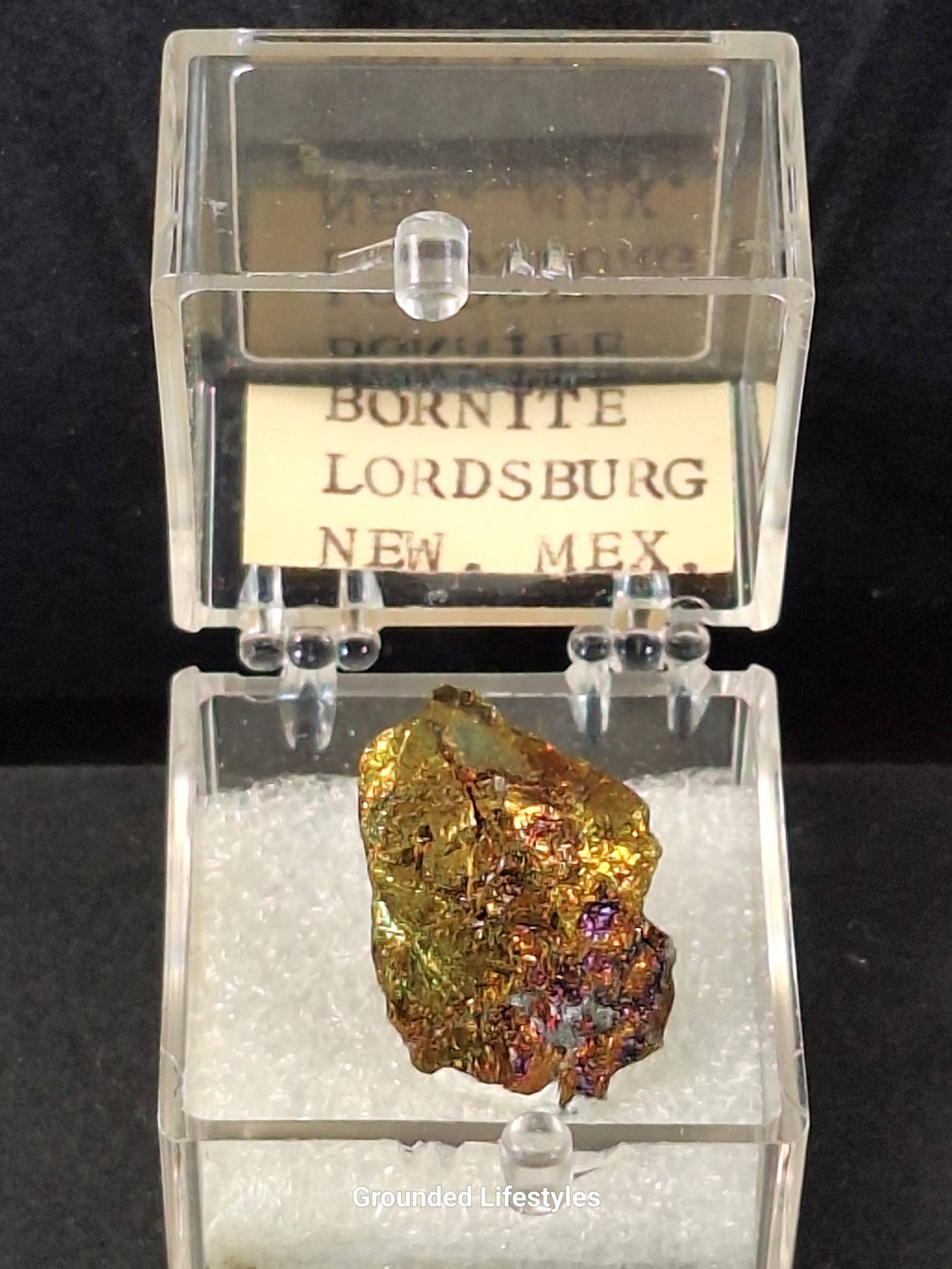
Bornite from Lordsburg, New Mexico
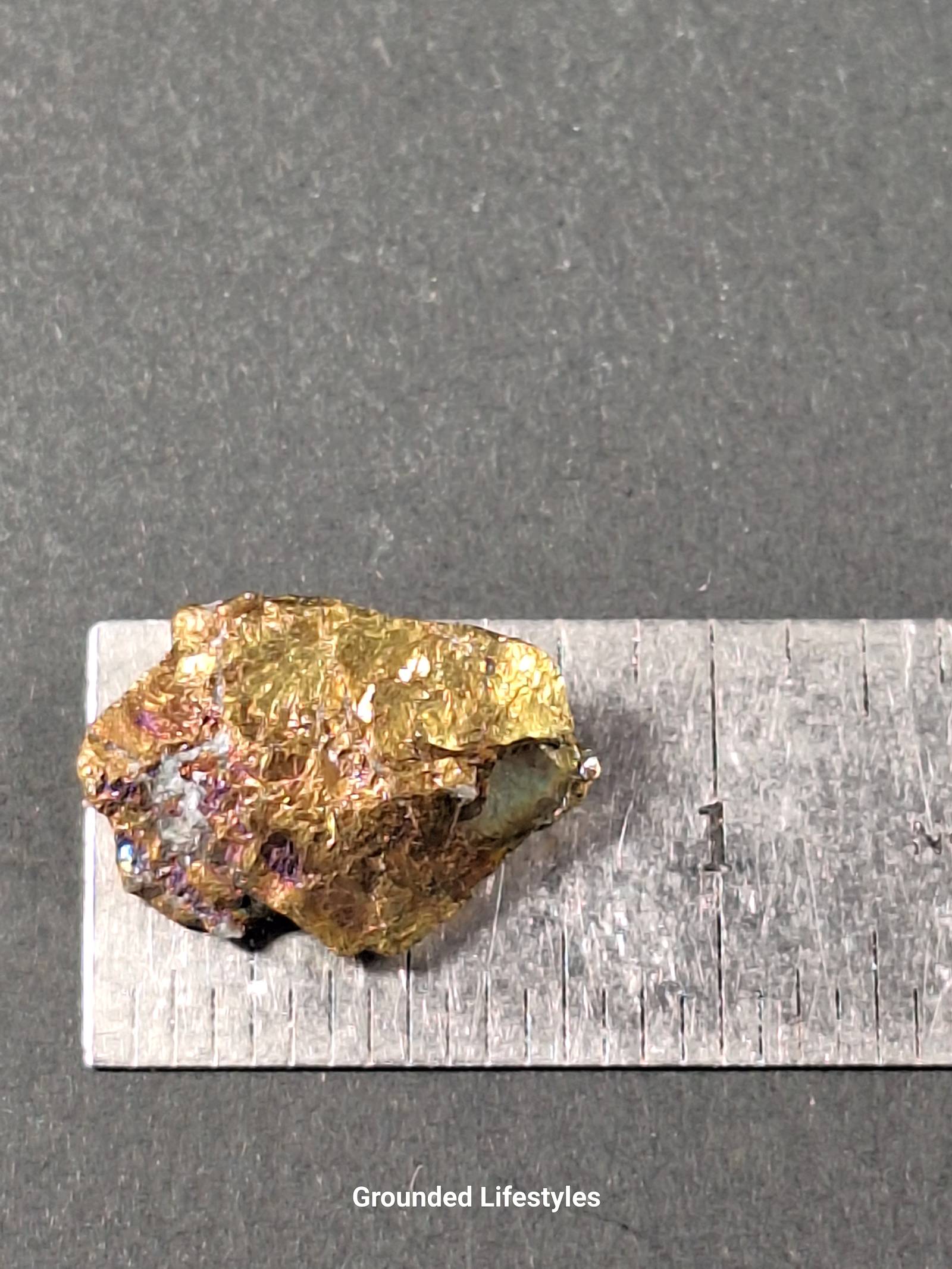
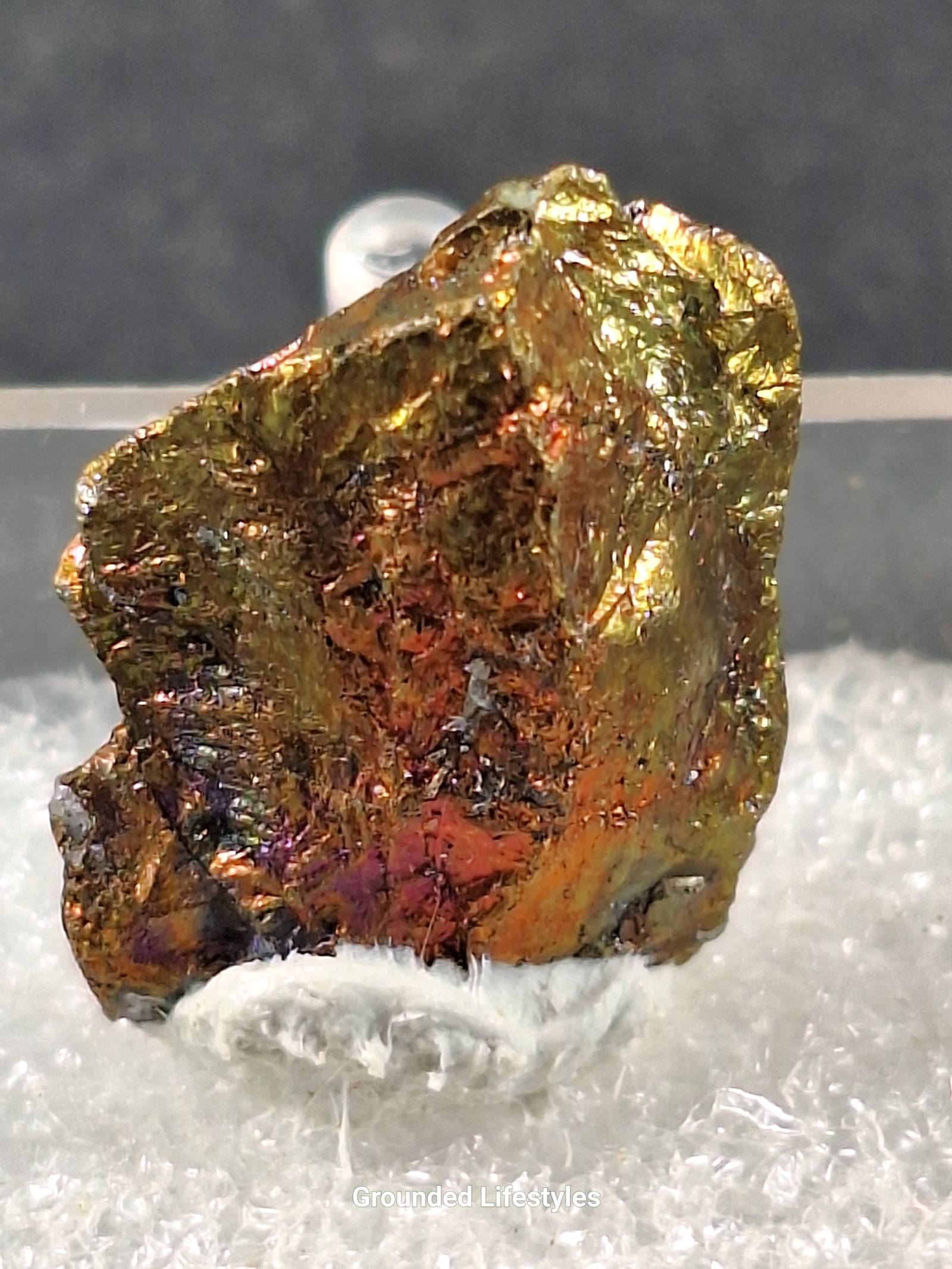
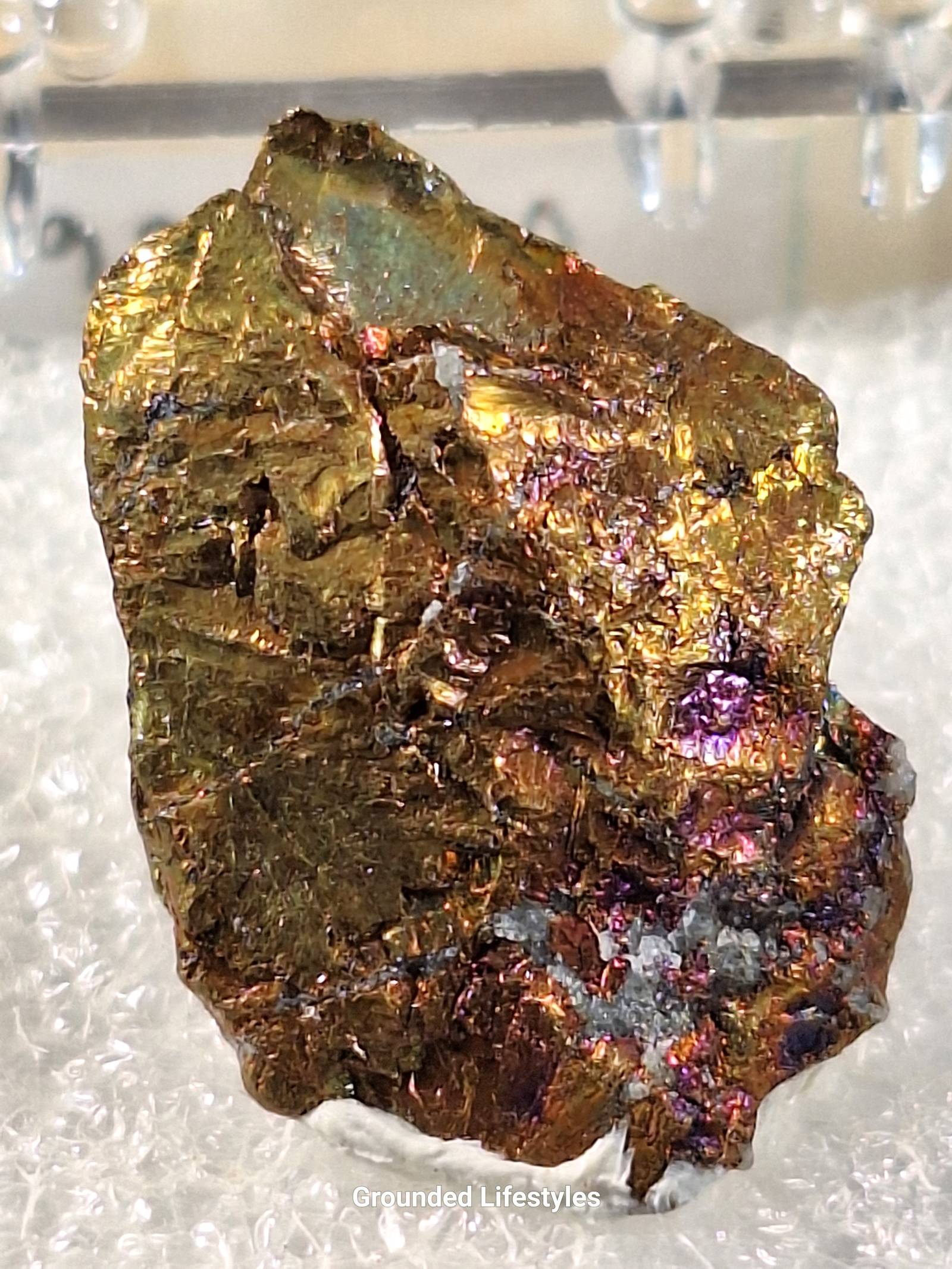
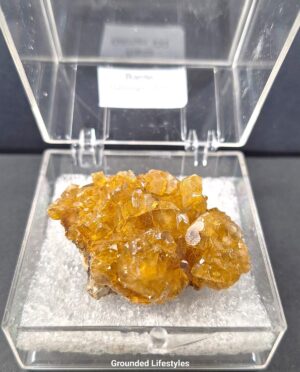
This bornite mineral specimen is attributed to the Lordsburg area of Hidalgo County, New Mexico, and comes from the Donald Wininger Collection. It is offered in a compact 1.25 × 1.25 × 1.25-inch perky display box. That measurement describes the box, not the mineral itself; the stone’s separate dimensions have not been documented. As an individual locality specimen, it offers a tangible connection to southwestern New Mexico’s copper-mining history. The precise mine and the date this piece was collected have not been verified, so the locality is stated conservatively as Lordsburg.
Lordsburg Mining District and Collector Interest
Lordsburg lies near the Pyramid Mountains in southwestern New Mexico, where mineral exploration and mining developed around copper-bearing and polymetallic veins. The district became an important source of copper and associated metals during the late nineteenth and early twentieth centuries. Historical geological surveys describe substantial production of copper, gold, silver, and lead, with mining shaped by the region’s complex volcanic rocks and mineralized fractures. For collectors, a Lordsburg specimen is interesting not only as an example of its mineral species but also as a representative of a documented New Mexico mining district. The available provenance does not establish which workings produced this particular piece, and no specific mine is implied.
Geology and Formation of Bornite
Bornite, with the chemical formula Cu5FeS4, is a copper-iron sulfide and an important copper ore mineral. It commonly develops in sulfide-bearing ore deposits, including hydrothermal mineral systems where metal-rich fluids circulate through fractures and surrounding rock. Bornite may occur alongside other copper minerals such as chalcopyrite and chalcocite, although the mineral associations of this individual specimen have not been established. Fresh bornite is typically copper-red to brown with a metallic luster. Exposure to air and moisture can produce thin altered surface layers that create purple, blue, or other iridescent colors. This is why bornite is sometimes called “peacock ore,” although that trade name is also applied to chalcopyrite and does not guarantee a naturally iridescent surface. Bornite has a Mohs hardness of approximately 3 and an orthorhombic crystal structure. Well-formed individual crystals are less common than massive or granular occurrences.
Metaphysical Meaning and Traditional Uses
In contemporary crystal traditions, bornite is associated with optimism, adaptability, creative thinking, and a willingness to approach change with a fresh perspective. Its potential for shifting surface colors has made it a symbolic reminder that appearance and experience can evolve over time. Some practitioners use bornite during meditation or intention-setting as a focus for personal motivation, confidence, or finding a more positive outlook. These interpretations belong to metaphysical belief and crystal folklore; they are not scientifically established effects of the mineral. Collectors may appreciate the same specimen simply for its chemistry, mining locality, and place in a historical collection.
Care, Handling, and Display
Bornite is relatively soft and should be handled carefully to avoid scratches, chips, and abrasion. Keep it dry and away from household cleaners, acids, and prolonged moisture exposure; changes to surface tarnish may occur naturally with time. Avoid polishing or chemical treatments intended to intensify color, as these can alter the original mineral surface. Store the specimen separately from harder stones and use its perky box for protected display. Wash hands after handling mineral specimens and keep small pieces away from children and pets. This offering includes one bornite specimen attributed to Lordsburg, New Mexico, from the Donald Wininger Collection, housed in a 1.25-inch perky box.
Only logged in customers who have purchased this product may leave a review.

Reviews
There are no reviews yet.