Description
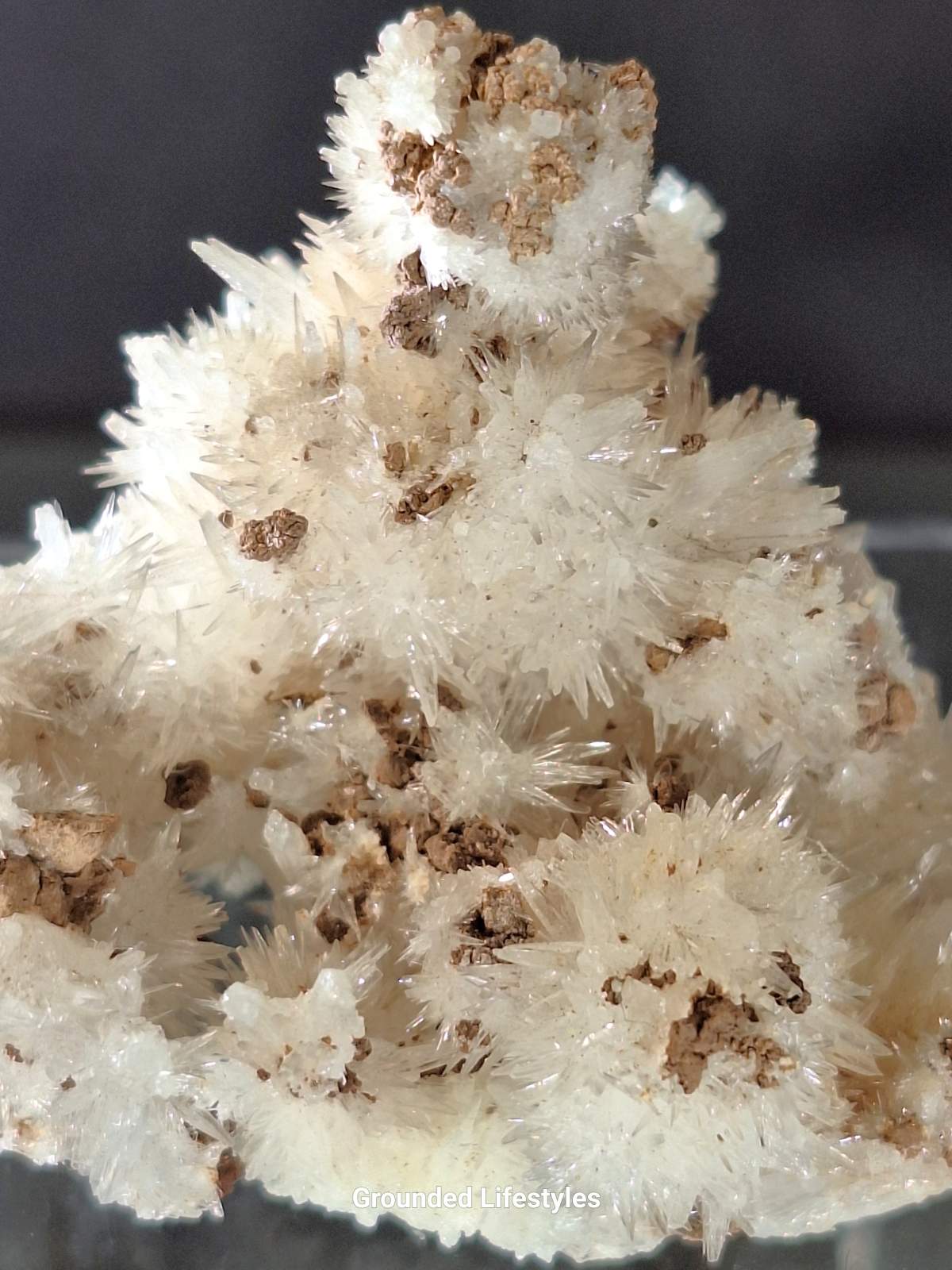
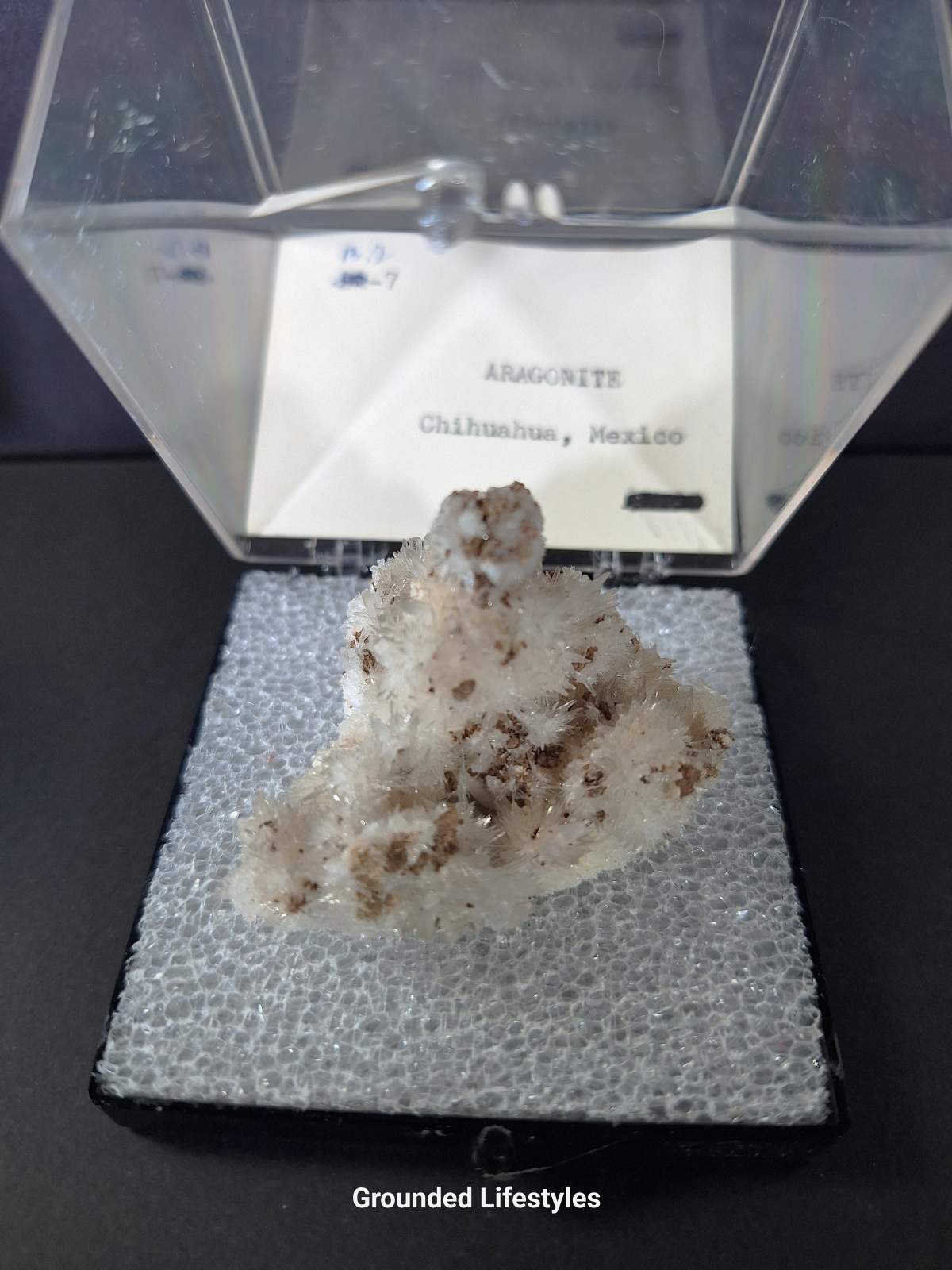
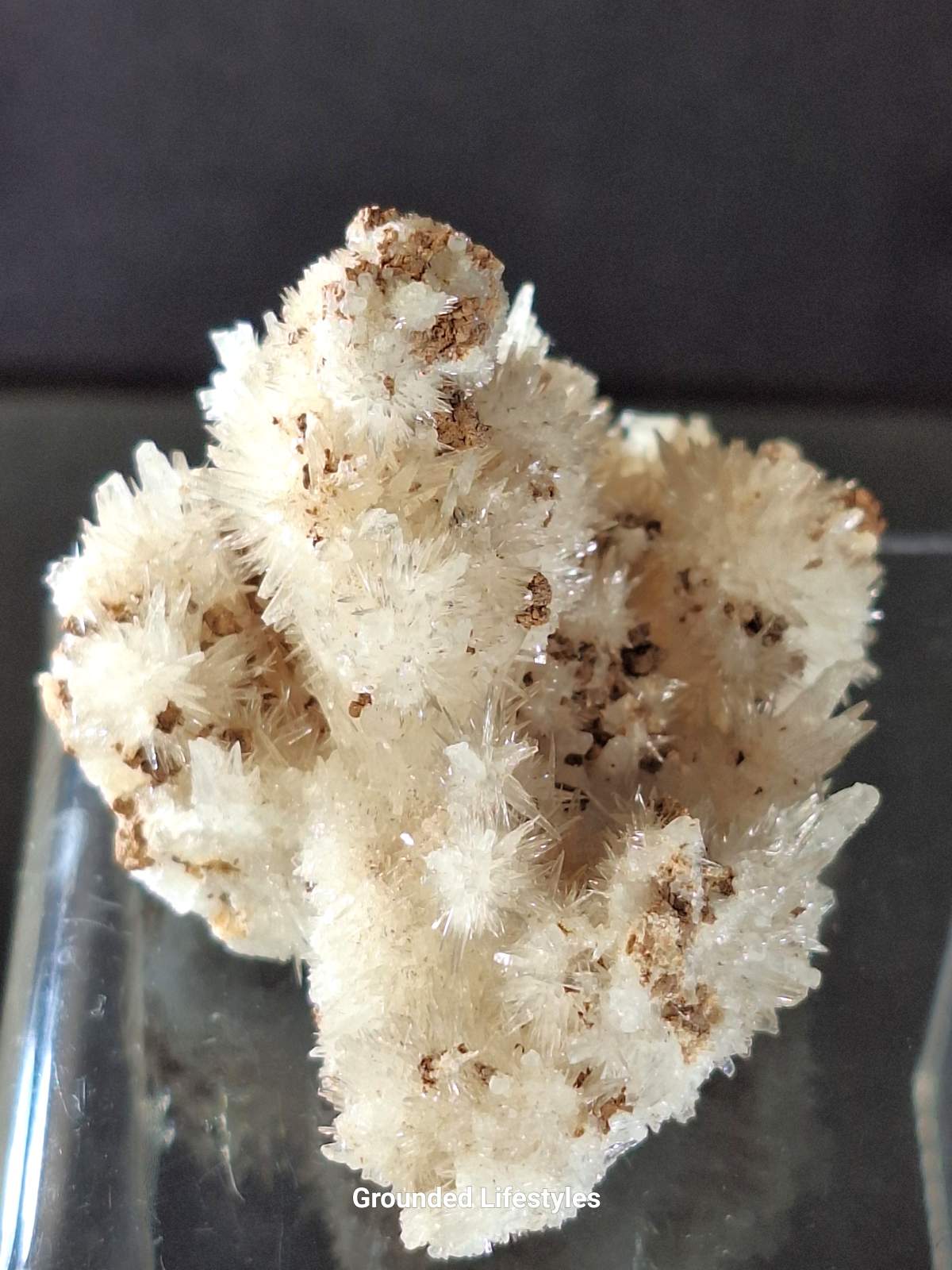
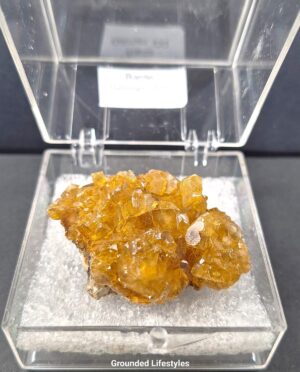
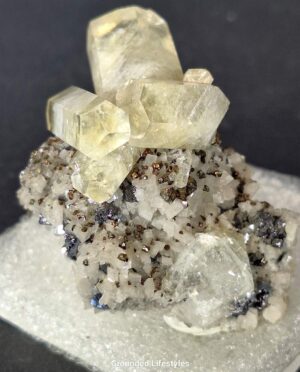
Aragonite specimen from Chihuahua, Mexico comes from the Donald Wininger Collection, a three-generation mineral collection assembled from the 1940s through the early 2000s.
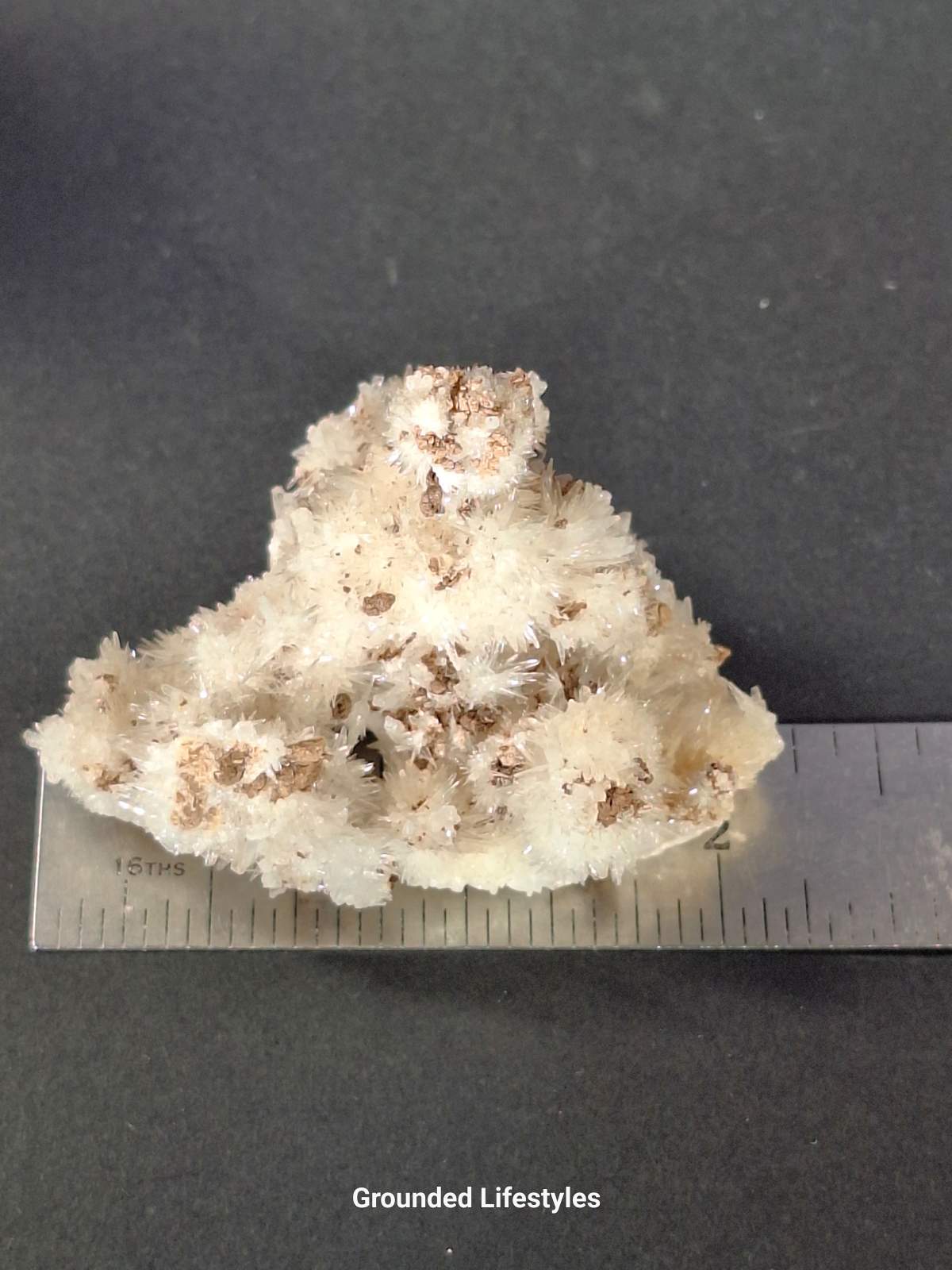
The specimen measures approximately 2 inches long, 1.5 inches wide, and 1.75 inches high and comes housed in the 2.5-inch Perky display box shown. Its combination of Mexican locality provenance, natural crystal formation, and older collection history makes it an appealing cabinet specimen for collectors of carbonates and classic Mexican minerals.
Aragonite from Chihuahua
Chihuahua is an important Mexican mineral-producing state with several documented Aragonite occurrences. These include the celebrated Santa Eulalia Mining District, where Aragonite occurs at the San Antonio Mine, Francisco Portillo, Santa Rita Mine and other workings, as well as the Pili Mine in Saucillo Municipality.
Aragonite is one of several naturally occurring forms of calcium carbonate (CaCO₃). It has the same basic chemical composition as calcite but crystallizes in a different atomic structure. Aragonite belongs to the orthorhombic crystal system, while calcite is trigonal.
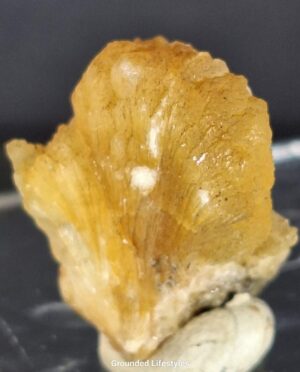
That structural difference can produce striking crystal habits, including radiating clusters, needles, branching formations, fibrous masses and rounded or coral-like growths.
Mineral Information
| Property |
Information |
| Mineral |
Aragonite |
| Chemical Formula |
CaCO₃ |
| Mineral Class |
Carbonate |
| Crystal System |
Orthorhombic |
| Mohs Hardness |
3.5–4 |
| Luster |
Vitreous to resinous |
| Typical Habit |
Prismatic, acicular, radiating, fibrous or branching |
| Locality |
Chihuahua, Mexico |
| Collection |
Donald Wininger Collection |
Geological Formation
Aragonite commonly develops where calcium-rich fluids move through cavities, fractures and mineralized zones. Changes in temperature, pressure and fluid chemistry allow calcium carbonate to precipitate in the orthorhombic Aragonite structure rather than as calcite.
Chihuahua’s mineral districts contain extensive hydrothermal systems associated with Mexico’s complex volcanic and intrusive geological history. In mineralized cavities, these conditions have produced attractive Aragonite formations alongside minerals such as calcite, quartz and other secondary minerals. Chihuahua Aragonite is well documented in mineral collections.
Metaphysical Properties
Within modern crystal traditions, Aragonite is associated with grounding, patience, stability, discipline and connection with the Earth. Its radiating and branching formations are also symbolically associated with organization—bringing many directions or ideas back toward a common center.
These associations are traditional and metaphysical rather than medical claims.
Display & Care
At 2 × 1.5 × 1.75 inches, this specimen has enough presence to display its natural formation while remaining compact enough for a mineral cabinet. The included 2.5-inch Perky box protects the specimen and keeps its Donald Wininger Collection provenance together with the piece.
Aragonite is relatively soft and can be damaged by harder minerals. Keep it in its display box when possible, avoid acids and chemical cleaners, and use a soft dry brush for dust removal.