Mineral

Mineral Formation Processes

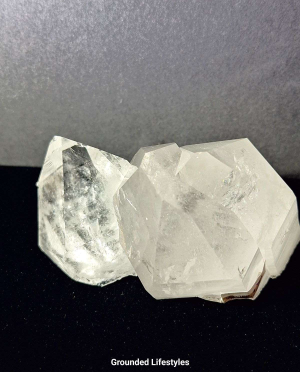
Minerals form through specific geological environments, each producing distinct crystal habits and structures.

  • Igneous Formation: Minerals crystallize from molten magma or lava as it cools. Examples include quartz, feldspar, and tourmaline.

  • Metamorphic Formation: Existing minerals recrystallize under heat and pressure, forming garnet, kyanite, and staurolite.

  • Sedimentary Processes: Evaporation or precipitation forms minerals such as halite, gypsum, and calcite.

  • Hydrothermal Veins: Superheated fluids deposit minerals like fluorite, galena, topaz, and quartz in fractures.

Each formation pathway leaves identifiable clues — zoning, inclusions, crystal habit — that collectors and geologists use to interpret a specimen’s history.


Why Minerals Matter

Minerals are fundamental to Earth science and industry. They provide insight into:

  • Plate tectonics and crustal evolution

  • Ore deposits and economic geology

  • Environmental conditions during formation

Key identifying properties include:

  • Hardness (Mohs Scale)

  • Cleavage & Fracture

  • Luster

  • Density

  • Optical Effects: Fluorescence, chatoyancy, iridescence

These measurable traits distinguish minerals from one another and determine durability, value, and display suitability.

Minerals are found worldwide, but certain regions are celebrated for producing iconic specimens:

  • United States

    • Arizona: copper minerals (azurite, malachite, chrysocolla).

    • Arkansas: world-famous quartz crystals.

    • Colorado: rhodochrosite, amazonite, smoky quartz.

  • Mexico → Amethyst, fluorite, danburite.

  • Brazil → Tourmaline, topaz, aquamarine, quartz.

  • Peru → Pyrite “suns,” blue opal, pink rhodochrosite.

  • China → Fluorite cubes, stibnite, scheelite.

  • Germany → Historic mines produced galena, sphalerite, pyromorphite.

  • Africa

    • Congo: dioptase, malachite, shattuckite.

    • Namibia: demantoid garnet, cerussite, vanadinite.

    • Madagascar: rose quartz, celestite, fossils with mineral replacement.

  • Pakistan & Afghanistan → Aquamarine, kunzite, tourmaline, topaz, spinel.

Famous Mineral Localities

Certain regions are celebrated worldwide for producing iconic mineral specimens:

United States

  • Arizona: Copper minerals — azurite, malachite, chrysocolla

  • Arkansas: World-class quartz crystals

  • Colorado: Rhodochrosite, amazonite, smoky quartz

International

  • Brazil: Quartz, tourmaline, aquamarine, topaz

  • Mexico: Fluorite, danburite, amethyst

  • Peru: Pyrite “suns,” blue opal, rhodochrosite

  • China: Fluorite cubes, scheelite, stibnite

  • Germany: Historic galena, sphalerite, pyromorphite

  • Africa:

    • Congo — dioptase, malachite, shattuckite

    • Namibia — demantoid garnet, cerussite

    • Madagascar — rose quartz, celestite

Pakistan & Afghanistan: Aquamarine, kunzite, tourmaline, topaz, spinel

Locality labeling adds educational and collector value.


Collecting & Caring for Minerals

Value Drivers:

  • Crystal Form: Sharp, well-terminated crystals

  • Color & Transparency: Saturation and clarity

  • Size: Cabinet specimens and micromounts alike

  • Rarity: Minerals such as dioptase, phenakite, benitoite

  • Provenance: Known mine or locality

Care Tips:

  • Avoid water on soft or soluble minerals (halite, selenite)

  • Store light-sensitive minerals away from sunlight

  • Dust gently with soft brushes only

  • Avoid chemicals and ultrasonic cleaners

Displaying Minerals

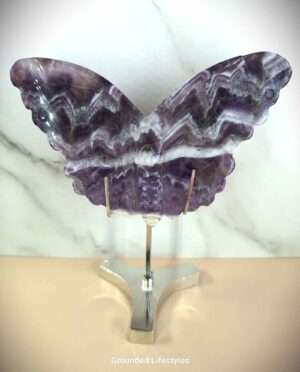
  • Acrylic risers and directional lighting enhance crystal geometry

  • Grouping by color, species, or locality creates educational displays

  • Pyrite cubes, fluorite octahedrons, and quartz clusters invite tactile interaction

  • Minerals pair beautifully with wood, metal, and glass in modern interiors

Minerals function as both scientific specimens and natural art objects.


Minerals, Meaning & Energy

Minerals bridge science and symbolism across cultures:

  • Quartz: Amplification, clarity, focus

  • Amethyst: Intuition, calm, awareness

  • Rose Quartz: Compassion and harmony

  • Black Tourmaline: Grounding and protection

  • Selenite: Clearing and alignment

  • Copper Minerals: Transformation and creativity

These associations are cultural traditions rather than scientific claims.