Fluorite is one of the most colorful and visually distinctive collector minerals, known for its cubic crystals, perfect cleavage, vivid color zoning, and frequent fluorescence under ultraviolet light. Composed of calcium fluoride (CaF₂), fluorite forms in hydrothermal veins, carbonate rocks, granites, pegmatites, and other mineral-rich geological environments. It has a Mohs hardness of 4 and crystallizes in the isometric system.
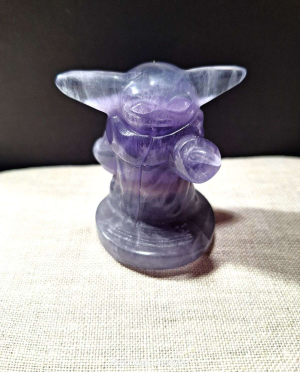
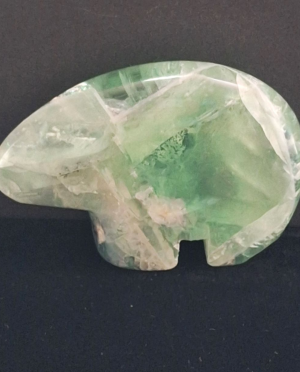
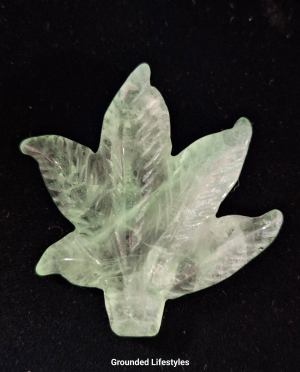
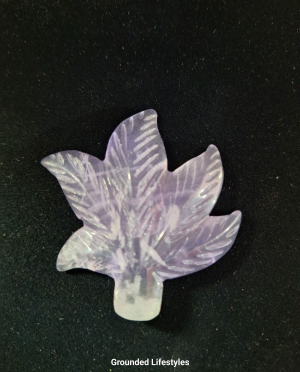
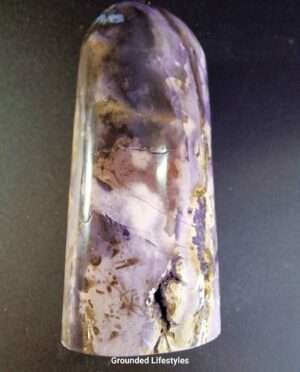
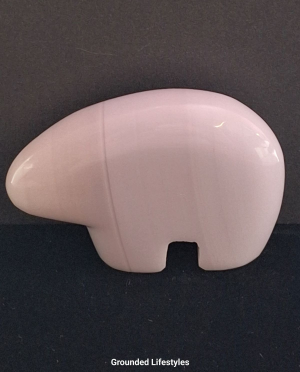
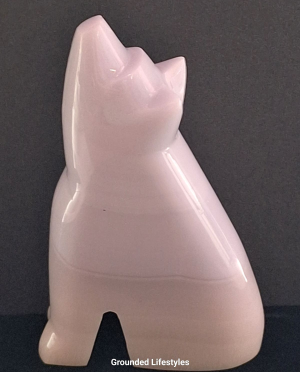
The Grounded Lifestyles Fluorite collection includes natural mineral specimens, colorful crystal formations, polished pieces, carvings, and unusual fluorite-bearing materials. Fluorite may appear purple, green, blue, yellow, colorless, pink, lavender, or in dramatic multicolored and rainbow-zoned forms. Its combination of crystal geometry and color makes it equally appealing to mineral collectors, lapidary enthusiasts, and those who simply appreciate natural mineral art.
Our collection is designed to grow beyond polished material to include historic and locality-based specimens from important fluorite-producing regions such as Illinois, Ohio, Mexico, China, and other classic mining districts. Provenance, crystal form, color, mineral associations, and fluorescence can all contribute to the collector significance of an individual specimen.
Quick Facts
Fluorite commonly forms cubes and octahedrons and can display many colors depending on impurities, structural effects and irradiation. It is also the mineral from which the term fluorescence was derived because many fluorite specimens respond strongly to ultraviolet light.

All products below are individually selected. You receive the exact stone or lot shown.
Showing all 8 results


Fluorite commonly forms from hydrothermal fluids moving through fractures and cavities in rock, particularly in deposits associated with lead, zinc, barite, calcite and other minerals. It can also occur in granites, pegmatites, metamorphic rocks and carbonate-rich environments.
Changes in temperature, chemistry and trace elements during crystal growth can produce fluorite’s wide range of colors and distinctive zoning. Fluorite most famously crystallizes as cubes, although octahedral and more complex forms also occur.
Many fluorite specimens fluoresce under ultraviolet light, often blue or violet, although other responses are possible depending on trace elements and activators within the crystal. Not every fluorite specimen fluoresces, and response can vary significantly by locality and even between crystals from the same deposit.
Fluorite occurs worldwide, but individual mining districts are often recognized for distinctive colors, crystal habits, associations and fluorescence.
Illinois is one of the classic American fluorite regions. The historic Illinois-Kentucky Fluorspar District, including the Cave-in-Rock area, produced exceptionally large and well-developed fluorite crystals and remains highly important to mineral collectors.
Ohio has produced fluorite from several mineralized districts and quarry environments, often associated with calcite and other minerals. Historic locality information can add considerable interest to older specimens.
Mexico is known for fluorite in a wide range of colors and crystal habits, including purple, green and multicolored material. Some Mexican fluorite can also show distinctive fluorescence.
China is a major modern source of colorful fluorite, particularly green, purple and rainbow-zoned material used for both collector specimens and polished decorative pieces.
Fluorite may also occur as yttrium-bearing fluorite, lavender or lilac material, strongly zoned crystals, and specimens associated with minerals such as calcite, barite, galena and quartz.
Collectors evaluate fluorite for crystal form, color, zoning, transparency, fluorescence, mineral associations, locality, condition and provenance. Sharp cubic or octahedral crystals, unusual color combinations, historic mining districts and documented collection history can increase collector interest.
Fluorite has perfect cleavage and a Mohs hardness of only 4, making it considerably softer and more fragile than quartz. Crystal edges and corners can chip easily, so specimens should be handled carefully and cleaned without harsh chemicals or ultrasonic equipment.
In metaphysical traditions, fluorite is associated with clarity, focus, organization and energetic balance. Green fluorite is often connected with renewal and harmony, purple fluorite with intuition and insight, and multicolored or rainbow fluorite with balance and mental clarity.
These associations come from spiritual and cultural traditions and are not scientific or medical claims.