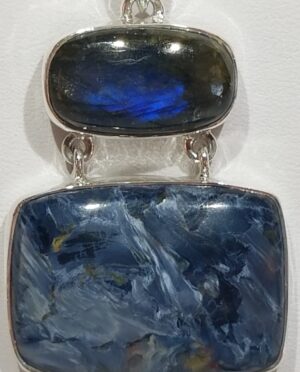
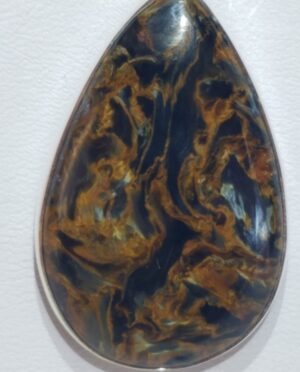
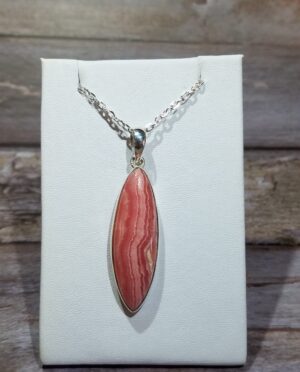
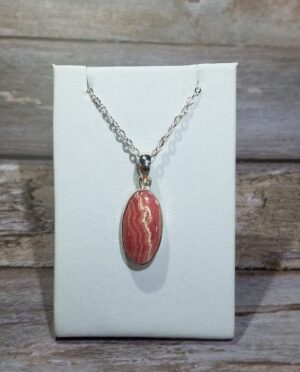
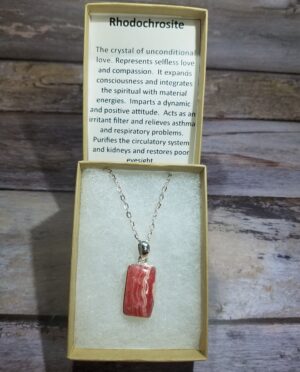
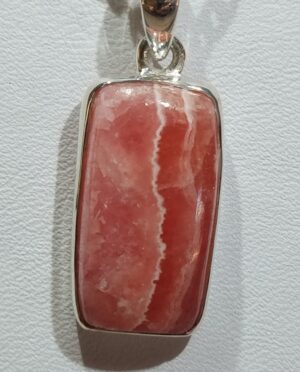
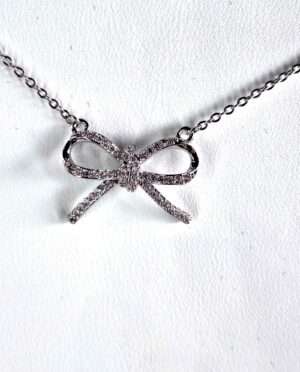
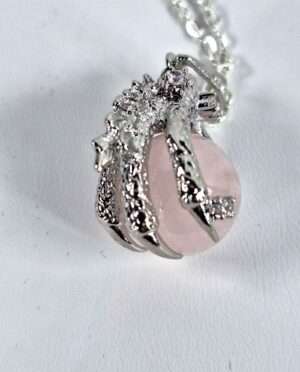
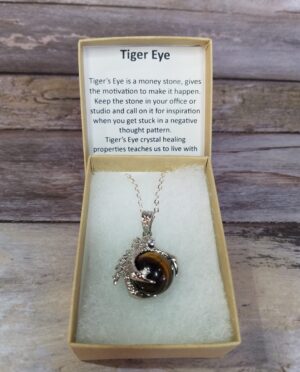
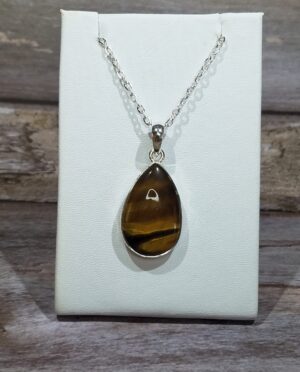
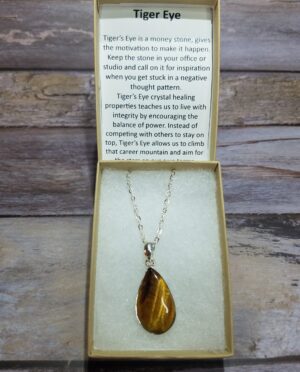
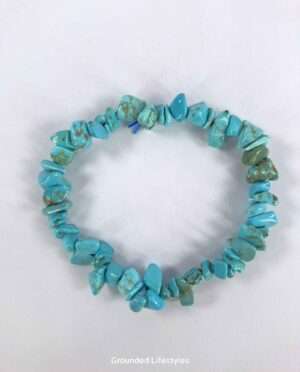
Gemstone jewelry bridges mineral science with wearable design. The geological properties of each stone influence how it should be worn and cared for.
Key considerations include:
Crystal Formation: Gemstones such as quartz, tourmaline, garnet, and sapphire form in environments ranging from hydrothermal veins to pegmatites and volcanic cavities. Their crystal structure governs durability and appearance.
Mohs Hardness: Hardness determines suitability for daily wear.
Quartz (7), topaz (8), and corundum (9) withstand frequent use.
Softer stones like calcite or fluorite are best worn as pendants or occasional pieces.
Treatments: Heat treatment, dyeing, and stabilization are common industry practices to enhance color or durability. Understanding natural versus treated stones helps buyers make informed decisions.
Metallurgy: Jewelry metals such as silver, copper, and gold originate from geological deposits just like gemstones, completing the Earth-derived nature of each piece.
Global Sources & Artisan Heritage
Gemstone jewelry reflects a global network of mining regions and lapidary traditions:
Brazil: Leading source of quartz varieties, tourmaline, and topaz.
Sri Lanka & Madagascar: Known for sapphires, moonstone, aquamarine.
Arizona & New Mexico (USA): Turquoise, peridot, garnet, and Southwest silversmithing traditions.
Beyond the stones themselves, craftsmanship matters. Regions such as Taxco, Mexico (silver jewelry) and Native American silversmithing traditions add cultural depth and collectible value to gemstone jewelry.
Choosing Quality Jewelry & Caring for Your Pieces
What influences value:
Gem Quality: Color saturation, clarity, and cut.
Authenticity: Natural stones vs glass or synthetic imitations.
Provenance: Known origins or traditional craftsmanship add long-term appeal.
Durability & Care Guidelines:
Avoid scratching softer stones by storing pieces separately.
Do not use ultrasonic cleaners on porous or included gems (turquoise, opal).
Silver may tarnish over time and can be gently polished.
Remove jewelry before heavy activity or exposure to chemicals.
Collectors often view artisan jewelry as both adornment and miniature mineral specimens — especially when unusual gemstone pairings or meteorite elements are involved.
Meaning, Energy & Everyday Wear
Across cultures, gemstone jewelry has symbolized protection, clarity, vitality, and transformation.
Energy & Frequency: Quartz’s stable vibrational properties (used in timekeeping) parallel its symbolic association with clarity and focus.
Traditional Symbolism: Amethyst for calm, turquoise for protection, carnelian for vitality, black stones for grounding.
Modern Styling: Jewelry allows crystals to integrate seamlessly into daily life — from subtle bracelets to bold pendants.
Layering Trends: Combining bracelets or necklaces with stones like black tourmaline, rose quartz, and labradorite merges energy with aesthetic design.
While metaphysical properties are not scientifically proven, their cultural and symbolic value remains deeply meaningful for many wearers.