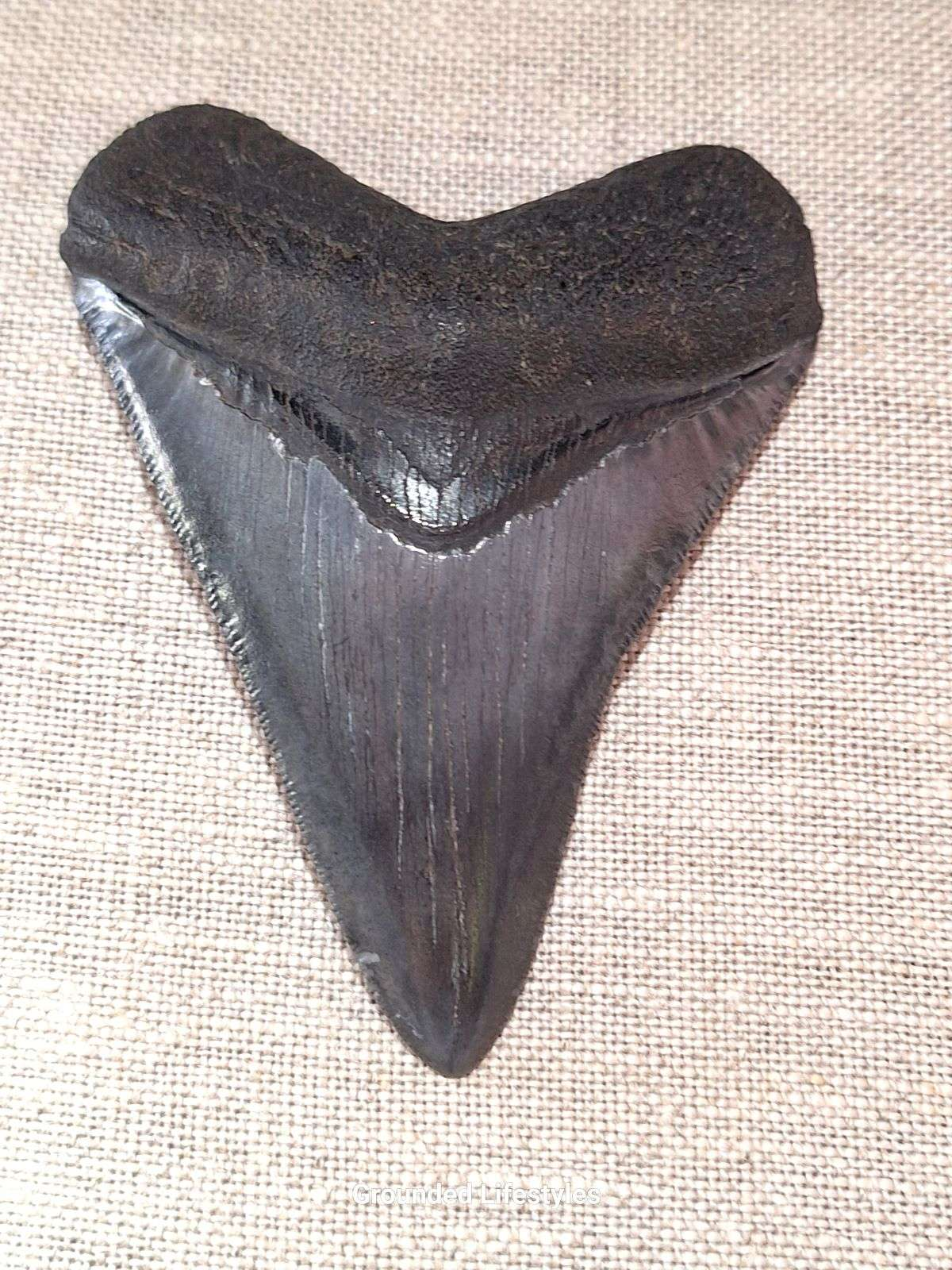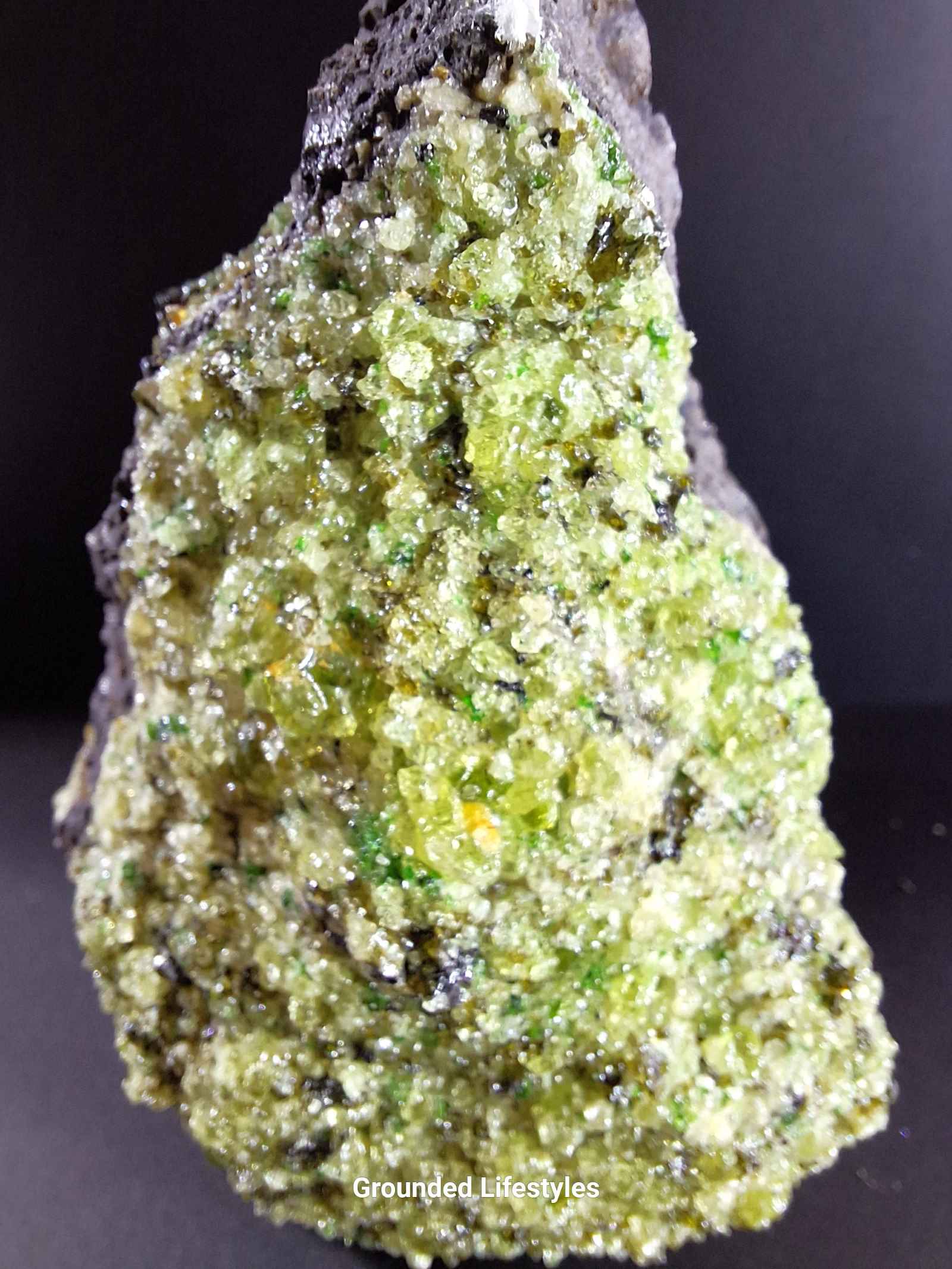

Every crystal, mineral, fossil, meteorite, and handcrafted piece is selected with purpose. Whether you’re building a museum-worthy mineral collection, searching for a meaningful gift, decorating your home with natural beauty, or beginning your journey into the world of geology, you’ll discover authentic specimens with stories worth sharing.
Over 15 shows a year throughout the Southwest. Check to see if we are coming to a show near you!
Home > Blog > Lifestyle Blog | Mindful Living, Décor & Inspiration > Tips for Preparing for Gem and Mineral Shows
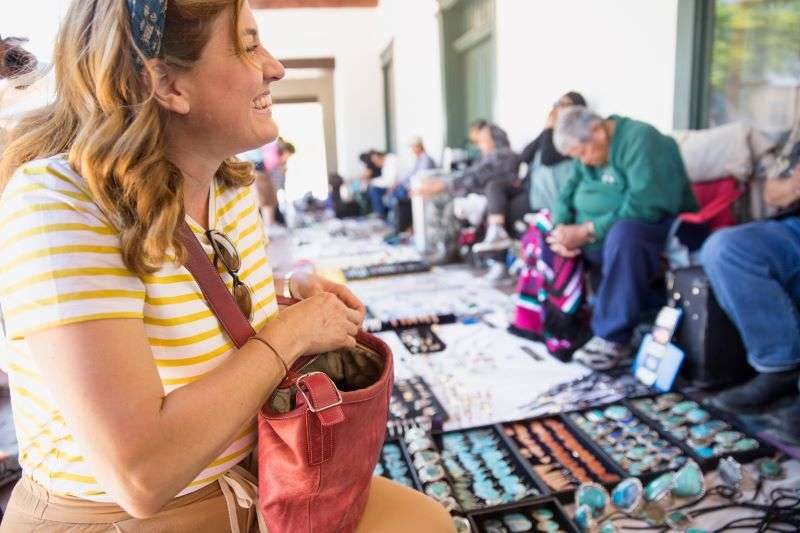
Gem and mineral shows can be overwhelming in the best possible way. A single venue may contain hundreds of mineral specimens, fossils, meteorites, crystals, polished stones, jewelry, lapidary rough, carvings, tools, books, and materials from localities you may never have encountered before. For a new collector, it can feel like walking into an entire geological world at once. For an experienced collector, it can be one of the best places to compare material, meet dealers, discover older collections, and find specimens that rarely appear in ordinary retail settings.
A little preparation makes the experience much better.
The goal is not to turn a gem show into a rigid shopping mission. Part of the fun is discovering something unexpected. But knowing what to bring, how to evaluate specimens, how to talk with vendors, and how to manage your budget allows you to enjoy the show without becoming exhausted or making purchases you later regret.
At Grounded Lifestyles, gem and mineral shows are also part of the larger collecting community. They bring together rockhounds, mineral dealers, lapidaries, fossil enthusiasts, jewelry makers, families, educators, metaphysical collectors, and people who simply enjoy natural materials. Whether you are attending your first local club show or a much larger regional event, a thoughtful approach helps you get more from the day.
Not all gem and mineral shows are the same.
Some are organized by local gem and mineral clubs and emphasize education, collecting, demonstrations, children’s activities, exhibits, and community. Others are more commercially focused and may contain a large number of dealers selling minerals, fossils, jewelry, beads, crystals, lapidary rough, and finished stonework.
Large destination shows may include a mixture of public retail venues, dealer-only areas, wholesale events, outdoor tents, hotel rooms converted into temporary showrooms, and specialty gatherings focused on one part of the trade.
Knowing the character of the event helps you prepare.
A family-friendly club show may be ideal for learning, asking questions, watching demonstrations, and introducing children to minerals. A large commercial show may offer a much broader range of material but require more walking, more comparison shopping, and a clearer budget.
Before going, check the event website or listing for hours, admission, parking, venue rules, accessibility, food options, and whether the show is primarily retail, wholesale, or a mixture of both.
You can see upcoming events where Grounded Lifestyles will be participating through our Events Hub.
Most dealers today accept credit or debit cards, but it is still useful to bring some cash.
Card readers depend on internet or cellular connections, and large venues can occasionally overload available service. Outdoor shows and remote venues may also have inconsistent connectivity.
Cash can make a transaction easier when technology fails, and some dealers may offer different pricing depending on payment method. However, never assume that paying cash automatically entitles you to a discount.
For larger purchases, cards can offer convenience and make it easier to maintain a record of what you bought. The best approach is simply to have more than one option available.
Keep cash secure rather than carrying a large amount openly, especially at busy events.
Gem shows are remarkably effective at making carefully planned budgets disappear.
You may arrive looking for one fluorite specimen and discover a tray of old-stock minerals, a polished agate unlike anything already in your collection, a meteorite, three pieces of lapidary rough, and a fossil that suddenly seems absolutely necessary.
Before entering the show, decide how much you are comfortable spending.
You can divide the budget into categories if that helps. For example, reserve part for a planned purchase, part for small finds, and a smaller amount for something unexpected.
This allows room for discovery without turning every interesting specimen into an impulse buy.
Experienced collectors often learn that walking away temporarily can be useful. If a specimen is expensive enough to require serious thought, note the booth location and continue through the show. You may return later with greater confidence—or discover another specimen you prefer.
The exception is truly unusual material. If you know a specimen is difficult to replace, correctly priced, and important to your collection, waiting can mean losing it to another buyer.
That judgment develops with experience.
A short list helps keep a large show manageable.
You might be searching for a specific mineral species, locality, fossil, meteorite type, lapidary material, crystal, piece of jewelry, or gift.
A list also makes it easier to ask dealers targeted questions. Instead of simply scanning thousands of specimens, you can ask, “Do you have any older Michigan copper?” or “Do you have agate rough from this locality?”
At the same time, do not make the list so rigid that you miss the real advantage of attending a show: seeing material you did not know existed.
Some of the most memorable purchases are discoveries rather than planned acquisitions.
The balance is simple: know what you hope to find, but remain curious.
This sounds obvious until you have spent six hours walking concrete floors.
Large shows may involve multiple buildings, long aisles, outdoor tents, parking areas, and repeated trips back to booths you want to reconsider.
Comfortable, supportive footwear matters more than stylish footwear.
If the event includes outdoor areas, choose shoes appropriate for dirt, gravel, uneven surfaces, and changing weather. Some showgrounds can become muddy after rain.
Your feet determine how long the rest of you will remain interested in looking at minerals.
Indoor convention centers can be surprisingly cold even when the weather outside is hot. Outdoor shows can move quickly between sun, wind, shade, and cooler temperatures.
Layers are usually the safest approach.
For outdoor events, sunscreen, a hat, sunglasses, and appropriate clothing for prolonged sun exposure are useful. In colder weather, remember that standing and browsing outdoors can feel much colder than continuously walking.
Check the forecast, but also consider how much time you will spend indoors versus outside.
A show should be memorable because of what you found, not because you spent half the day uncomfortable.
Gem shows can be more physically demanding than they appear.
Hours of walking, standing, carrying purchases, concentrating on small details, and moving between indoor and outdoor environments can become tiring.
Bring water if venue rules allow it. A small snack can also help you avoid making shopping decisions while hungry and exhausted.
If food is available at the venue, taking an actual break can be worthwhile. Sitting down for twenty minutes gives your body a rest and gives your mind time to reconsider what you have seen.
Some collectors use the break to review photographs, notes, or booth numbers before deciding where to return.
Natural materials become heavy very quickly.
A few quartz specimens or a piece of lapidary rough can turn a lightweight shopping bag into an uncomfortable burden.
Bring a sturdy tote, backpack, or reusable bag if the show permits it. Some collectors prefer a small rolling bag at large events, although you should be considerate of crowded aisles and venue rules.
Dealers usually wrap fragile purchases, but having extra padding can be useful. A small towel, reusable packing material, or soft cloth can protect specimens while you continue shopping.
Keep labels with their specimens. Provenance and locality information are important, and it is surprisingly easy to separate a handwritten label from the specimen it belongs to when several purchases are placed in the same bag.
A physical reference book can still be useful, but your phone can now serve several important functions at a show.
You can keep a wish list, photograph booth numbers, compare specimens already in your collection, look up mineral information, record dealer contact information, and calculate prices.
For larger shows, take a quick photograph of the booth sign before photographing a specimen you may want to revisit. That prevents the common problem of remembering the stone but having no idea where you saw it.
Always ask before photographing individual specimens or displays. Most dealers are comfortable with it, but courtesy matters.
Your phone should help you navigate the show rather than distract you from it.
For expensive purchases, comparison matters.
Two dealers may have specimens of the same mineral from the same locality at very different prices because the quality, size, aesthetics, damage, provenance, rarity, or dealer cost differs.
Walking the show helps you understand the range available.
This is particularly useful for common minerals that appear at many booths. Seeing twenty fluorites, agates, quartz clusters, or ammonites gives you a much better basis for evaluating the twenty-first.
It also helps you understand what is genuinely unusual.
A collector who buys the first attractive specimen they see may later discover that similar examples are available throughout the venue. On the other hand, after walking several aisles, you may realize that the specimen you initially passed was actually exceptional.
There is no perfect rule. The purpose of comparison is to improve your judgment, not to make you afraid to buy anything.
One of the most useful habits a collector can develop is learning to evaluate the specimen itself rather than being persuaded by an impressive description.
Look closely at crystal form, luster, color, damage, repair, matrix, presentation, and overall aesthetics.
A rare locality can make a specimen historically or scientifically interesting, but rarity alone does not automatically make every piece from that locality attractive or valuable.
Likewise, a large specimen is not automatically better than a smaller one.
Ask yourself what specifically attracts you to the piece.
Is the crystal form unusually sharp? Is the color exceptional? Does the matrix complement the crystals? Is the specimen representative of an important locality? Does it have older provenance or an original collection label?
Would you still want it if the sales tag were less dramatic?
That last question can be particularly useful.
Whenever appropriate, look at the specimen from more than one angle.
Minerals are three-dimensional objects, and the front view is not the entire story.
Check for broken crystals, chipped edges, glued repairs, fills, coatings, dye, stabilization, or other treatments. None of these automatically make a specimen unacceptable, but they can influence value and should be understood before purchase.
Some repairs are routine in the mineral trade, particularly with fragile or significant specimens. What matters is disclosure and whether the price reflects the condition.
For polished materials, examine the surface under good light. Look for scratches, pits, fractures, uneven polishing, undercutting, or poorly finished edges.
For fossils, look for restoration, composite construction, added matrix, repairs, or areas that have been reconstructed.
For meteorites, provenance and identification matter greatly because documentation can be particularly important.
If you are uncertain, ask.
A knowledgeable dealer should be able to explain what they know about the specimen and what they do not.
Locality is one of the most important pieces of information attached to a mineral specimen.
Two specimens of the same mineral can have dramatically different collector interest depending on where they were found.
Ask for the mine, district, county, state or province, and country when known.
Older specimens sometimes have incomplete labels because standards were different or information was lost over decades. In those cases, the history of the collection may still add value even if the precise locality cannot be recovered.
Preserve original labels whenever possible.
Do not discard an old handwritten label because you have created a cleaner printed one. The original may provide evidence of provenance, previous ownership, dealer history, or the period in which the specimen was collected.
This has become particularly important with historic mineral collections.
Gem shows are one of the best places to learn because knowledgeable people are surrounded by the material they understand.
Ask dealers why a specimen is interesting. Ask about the locality. Ask whether the material is natural, treated, repaired, stabilized, dyed, or coated. Ask how to care for it. Ask why two apparently similar specimens have very different prices.
Good questions help you become a better collector.
At the same time, be aware of the dealer’s situation. If several customers are waiting to make purchases, it may not be the best moment for a twenty-minute discussion of regional geology.
Most experienced vendors enjoy speaking with genuinely curious collectors when time allows.
Not every gem show operates under the same pricing structure.
Public retail shows are generally priced for individual collectors and consumers. Wholesale events are designed primarily for businesses purchasing inventory for resale, often with business credentials or minimum purchase requirements.
Do not assume that simply asking for a “wholesale price” at a retail booth will produce one.
Wholesale pricing reflects a different type of transaction. A business buyer may purchase larger quantities, accept different packaging, buy entire lots, or provide resale documentation where applicable.
Retail pricing accounts for the costs associated with selling individual pieces to individual customers.
Collectors can still sometimes receive discounts, especially on multiple purchases, but that is not the same thing as wholesale.
Understanding the difference leads to better conversations with vendors.
Negotiation is common at many gem and mineral shows, but it should remain courteous.
The easiest approach is simply to ask, “Is there any flexibility on this piece?” or “If I buy these three, could you do a package price?”
Those questions allow the dealer to decide without creating an adversarial exchange.
Do not insult the specimen or the dealer’s knowledge as a negotiating strategy. Telling someone their specimen is overpriced, damaged, or available cheaper somewhere else rarely improves the conversation.
If the price is higher than you want to pay and the dealer cannot move enough to meet your budget, thank them and move on.
A negotiation does not have to end with a purchase.
Also recognize when a price is already fair. Not every specimen needs to be negotiated down simply because you are at a show.
Dealers remember customers who are pleasant to work with. Those relationships can become valuable over time because a dealer who understands what you collect may eventually set aside material or contact you when something particularly relevant becomes available.
Gem shows can become crowded.
If you are finished examining something, step aside so other people can reach the display. Keep backpacks, rolling bags, children, and companions from blocking aisles where possible.
If you need to have a long conversation with someone, be aware of customers trying to see the table.
These small courtesies make shows better for everyone.
Many mineral specimens are sturdier than they look. Others are much more fragile.
Needle-like crystals, delicate sprays, thin blades, soft minerals, loose matrix, old specimens, and repaired pieces may require careful handling.
If you are unsure whether something can be picked up, ask first.
When handling a specimen, hold it over the table rather than high above a hard floor.
Avoid touching crystal surfaces unnecessarily. Oils from hands may affect some minerals or polished surfaces, and delicate crystals can break surprisingly easily.
Treat every specimen as though someone else cares about it deeply, because they probably do.
Gem shows bring together natural minerals, polished stones, jewelry, carvings, treated materials, synthetic products, and manufactured materials.
Knowing the difference matters.
Some agates are dyed. Quartz can be coated to produce aura finishes. Turquoise may be stabilized. Crystals may be repaired. Certain gemstones may be heat treated. Opalite is manufactured glass rather than a natural variety of opal.
Treatments are not automatically bad.
The issue is knowing what you are buying and whether it is priced and described appropriately.
If you are uncertain, ask the dealer directly.
Our guide to Identifying Crystal Treatments explores many common treatments and enhancements collectors encounter.
It is easy to buy a specimen at a show and only later realize you have nowhere appropriate to display it.
Large pieces may require strong shelving. Some minerals are sensitive to light, humidity, water, or temperature changes. Heavy specimens need stable surfaces.
Before buying a major specimen, think about its long-term home.
Our From Showcase to Shelf guide explores ways to display crystals, minerals, fossils, and meteorites while considering lighting, preservation, organization, and presentation.
A great specimen deserves more than spending the next five years wrapped in paper inside a closet.
One of the most interesting opportunities at gem and mineral shows is encountering material from older collections.
Estate collections can contain specimens collected decades ago, sometimes from mines or collecting areas that are now closed, inaccessible, exhausted, or dramatically changed.
Original handwritten labels, old dealer labels, collection numbers, boxes, and locality information can all contribute to the history of a specimen.
Grounded Lifestyles has worked extensively with older estate material, including the three-generation Donald Wininger Collection, which contains specimens collected across much of North America from the mid-twentieth century through the early 2000s.
Experiences like that reinforce an important collector lesson: sometimes the small piece of paper beneath a mineral is nearly as important as the mineral itself.
If you purchase an old collection specimen, keep its documentation together.
Fossils and meteorites deserve the same careful evaluation as minerals, but each category has its own considerations.
With fossils, ask about locality, geological age, restoration, repair, preparation, and whether portions are reconstructed. Restoration can be common and acceptable, but disclosure matters.
With meteorites, documentation and classification can be especially important. Ask where the specimen was found, how it has been identified, and whether appropriate provenance accompanies it.
Extremely inexpensive examples of supposedly rare meteorite material should encourage questions rather than immediate excitement.
Our Fossil articles and Meteorite articles can help you become more familiar with these collecting areas before attending a show.
Gem and mineral shows can be excellent environments for children because they make earth science tangible.
A child may forget a textbook diagram but remember seeing a fluorescent mineral glow under ultraviolet light, holding a meteorite, watching a lapidary demonstration, or choosing a first mineral specimen.
Let younger collectors make some decisions of their own within an appropriate budget.
A five-dollar quartz crystal that a child personally selected can become far more meaningful than a much more expensive specimen chosen for them.
Many club shows offer educational activities, demonstrations, mineral identification, junior programs, or inexpensive specimen tables intended specifically for younger collectors.
Those experiences help keep the collecting community alive across generations.
This is also one of the places where the mineral community demonstrates that a relationship with nature and natural materials does not belong to any particular age group. Our article Living a Grounded Lifestyle Across Generations explores how nature, collecting, creativity, technology, holistic practices, and personal wellness can take different forms throughout life while still providing opportunities for connection and presence.
A gem show may have a lifelong collector standing beside someone purchasing their first crystal. That exchange of knowledge and enthusiasm is one of the healthiest signs of a strong collecting community.
Shopping may receive most of the attention, but many gem and mineral shows offer much more.
Lapidary demonstrations can show how rough becomes cabochons, spheres, carvings, or faceted stones. Fluorescent mineral displays reveal colors that are invisible under ordinary lighting. Club exhibits may focus on local geology, fossils, mineral species, mining history, or collecting.
These displays can make you a better shopper because they improve your understanding of what you are looking at on dealer tables.
If lapidary catches your attention, our Lapidary 101 guide provides a broader introduction to cutting, shaping, grinding, polishing, cabochons, sphere making, and other lapidary work.
A show purchase does not need to be the end of the relationship.
If a dealer specializes in material you collect, keep their card or contact information.
Collectors often develop long-term relationships with dealers who understand their interests. If you collect one locality, mineral species, fossil group, type of agate, or historical material, an experienced dealer may encounter specimens that never make it onto a website.
Notes also help after a large show when dozens of booths begin blending together in memory.
Record the dealer name, what they specialize in, and anything you may want to contact them about later.
Walking out of a gem show without making a purchase does not mean the day was wasted.
You may have learned enough about pricing to make a better purchase later. You may have discovered a mineral you now want to research. You may have met a dealer, joined a club, watched a demonstration, or simply spent several hours surrounded by people who share your interests.
Sometimes the right specimen simply is not there.
Collectors generally regret poor purchases longer than they regret waiting.
The ability to walk away is part of developing good collecting judgment.
Gem and mineral shows fit naturally into the larger idea of a grounded lifestyle because they bring people back into direct contact with physical objects, natural history, creativity, and other people who share an interest.
Instead of looking at a photograph of a mineral on a screen, you can examine the specimen from different angles, feel its weight when appropriate, compare it with others, discuss where it formed, and hear how it entered a collection.
Shows also connect different generations of collectors. Someone who has collected minerals for fifty years may be standing beside a child purchasing their first tumbled stone. A lapidary can explain why a slab was cut in one direction. A dealer may recognize an old locality from a handwritten label. A rockhound might tell you where a particular type of agate commonly occurs.
Those conversations are part of the experience.
They also illustrate something we explore in Living a Grounded Lifestyle Across Generations: the way people connect with nature and natural materials may change across generations, but the underlying curiosity and desire for meaningful experiences can remain remarkably similar.
Our cornerstone guide What Is a Grounded Lifestyle? explores this larger philosophy through nature, collecting, mindfulness, creativity, crystals, holistic traditions, and intentional attention. Gem shows offer a practical example of that philosophy because they create an environment where people can slow down, examine something tangible, learn its story, and connect with others around a shared appreciation for the natural world.
Yes, bringing some cash along with a credit or debit card is useful. Card service can occasionally be unreliable at crowded or outdoor venues, and having more than one payment method gives you flexibility.
At many shows, yes, particularly for multiple purchases or higher-value items. Ask politely whether the dealer has any flexibility or can offer a package price. Do not assume every price is negotiable.
For common material or expensive purchases, comparison shopping is often worthwhile. If a specimen is genuinely unusual, correctly priced, and important to your collection, waiting can mean someone else buys it. Experience helps you recognize the difference.
Consider mineral quality, crystal form, condition, locality, rarity, aesthetics, size, provenance, repairs, treatments, and comparable specimens. Price is influenced by several factors rather than size alone.
Yes. Repairs, restoration, stabilization, coatings, dye, and other treatments may be acceptable depending on the material, but they should be understood before purchasing.
Usually not. Wholesale events and pricing are generally intended for businesses purchasing inventory for resale and may require credentials, minimum purchases, or other qualifications. A retail customer buying one specimen should not expect wholesale pricing.
Yes. Shows are one of the easiest places to see many minerals, fossils, meteorites, crystals, and lapidary materials in one location. They also provide opportunities to ask questions and learn from dealers, club members, collectors, and demonstrations.
Many are excellent for families, particularly shows operated by local gem and mineral clubs. Look for children’s activities, educational exhibits, inexpensive specimen tables, lapidary demonstrations, and junior programs.
Comfortable shoes, multiple payment methods, water if permitted, a sturdy bag, a wish list, your phone for notes and references, and enough time to explore without rushing.
Before heading home, take a few minutes to make sure your purchases are properly wrapped and that every specimen still has its label.
Check that you have dealer cards or contact information you wanted to keep.
If you purchased something fragile, consider carrying it separately rather than allowing it to shift beneath heavier purchases.
And if you spent less than your budget, that is not a failure.
There will always be another mineral.
Gem and mineral shows can become much more enjoyable as your collecting knowledge grows.
Before your next event, explore our Mineral articles to learn more about geology, identification, localities, crystal structure, and collecting. If agate is one of your interests, our Agate articles explore formations, varieties, treatments, and collecting in greater depth.
Rockhounds can continue with What Is Rockhounding? for field collecting, land access, safety, clubs, and the connection between collecting and lapidary.
For the broader philosophy connecting collecting, nature, creativity, crystals, holistic wellness, and intentional living, return to our cornerstone article What Is a Grounded Lifestyle?. You can also explore Living a Grounded Lifestyle Across Generations for a closer look at how those connections can evolve throughout different stages of life.
You can browse the complete Lifestyle collection for more about collecting, displays, natural materials, grounded living, and the experiences surrounding the mineral community.
Most importantly, visit the Grounded Lifestyles Events Hub to see upcoming gem and mineral shows and other events where you can find us in person.
A good gem and mineral show is much more than a temporary marketplace.
It is one of the few places where geology, collecting, history, art, lapidary, jewelry, fossils, meteorites, metaphysical traditions, education, and commerce all occupy the same room.
Go prepared enough that practical problems do not distract from the experience. Wear comfortable shoes. Bring water, a budget, and more than one payment method. Ask questions. Compare specimens. Keep locality labels. Handle delicate material carefully. Negotiate respectfully when appropriate, and understand that wholesale and retail are different parts of the trade.
But do not become so focused on making the perfect purchase that you forget to look around.
Walk the entire room. Look at the exhibits. Watch someone cut a stone. Ask a dealer why one specimen matters. Let a child choose an inexpensive crystal. Examine a mineral you have never seen before. Talk with the people running the local gem club.
Gem and mineral shows are also places where generations meet naturally. Knowledge moves from longtime collectors to beginners, children develop interests that may last for decades, and people who approach minerals through geology, lapidary, jewelry, metaphysical traditions, or simple curiosity discover that they have more in common than they expected.
And before you buy something simply because the label sounds impressive, remember one of the most useful lessons in collecting:
Don’t buy the label. Buy the specimen.
The best purchase is not necessarily the rarest, largest, or most expensive piece in the room. It is the specimen you understand, appreciate, and will still be glad you brought home long after the show is over.
At Grounded Lifestyles, our love for crystals began in the peaceful flow of Reiki and energy healing sessions — where we saw how natural stones could amplify intentions, restore balance, and bring comfort. But the more time we spent with these treasures, the more curious we became about their origins. That curiosity led us into the fascinating world of geology and mineral specimen collecting. We fell in love not just with the energy of crystals, but with the science and artistry of their creation — the intricate crystal structures, the vibrant mineral hues, and the wonder of holding a piece of Earth’s history in our hands.