Description
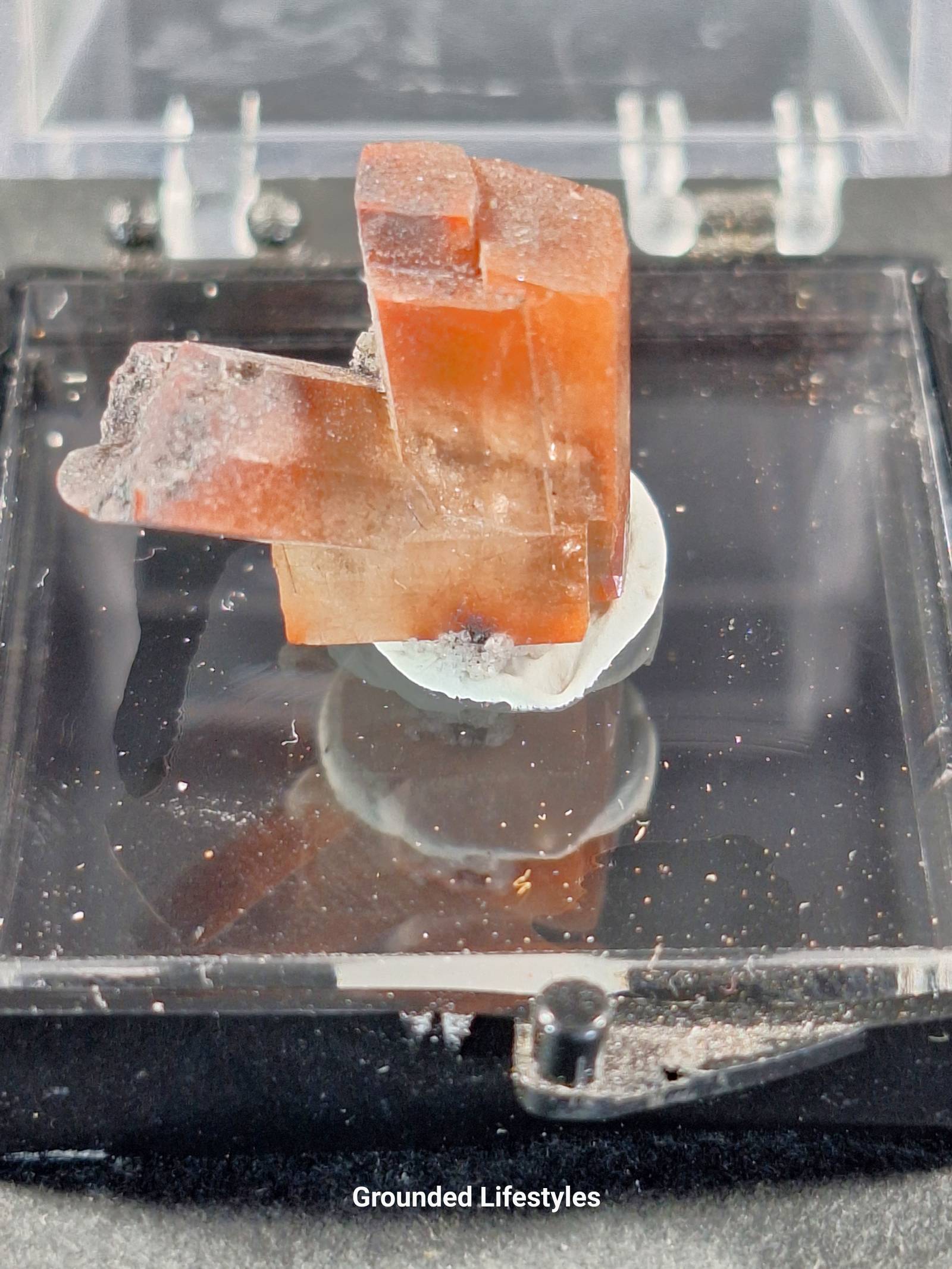
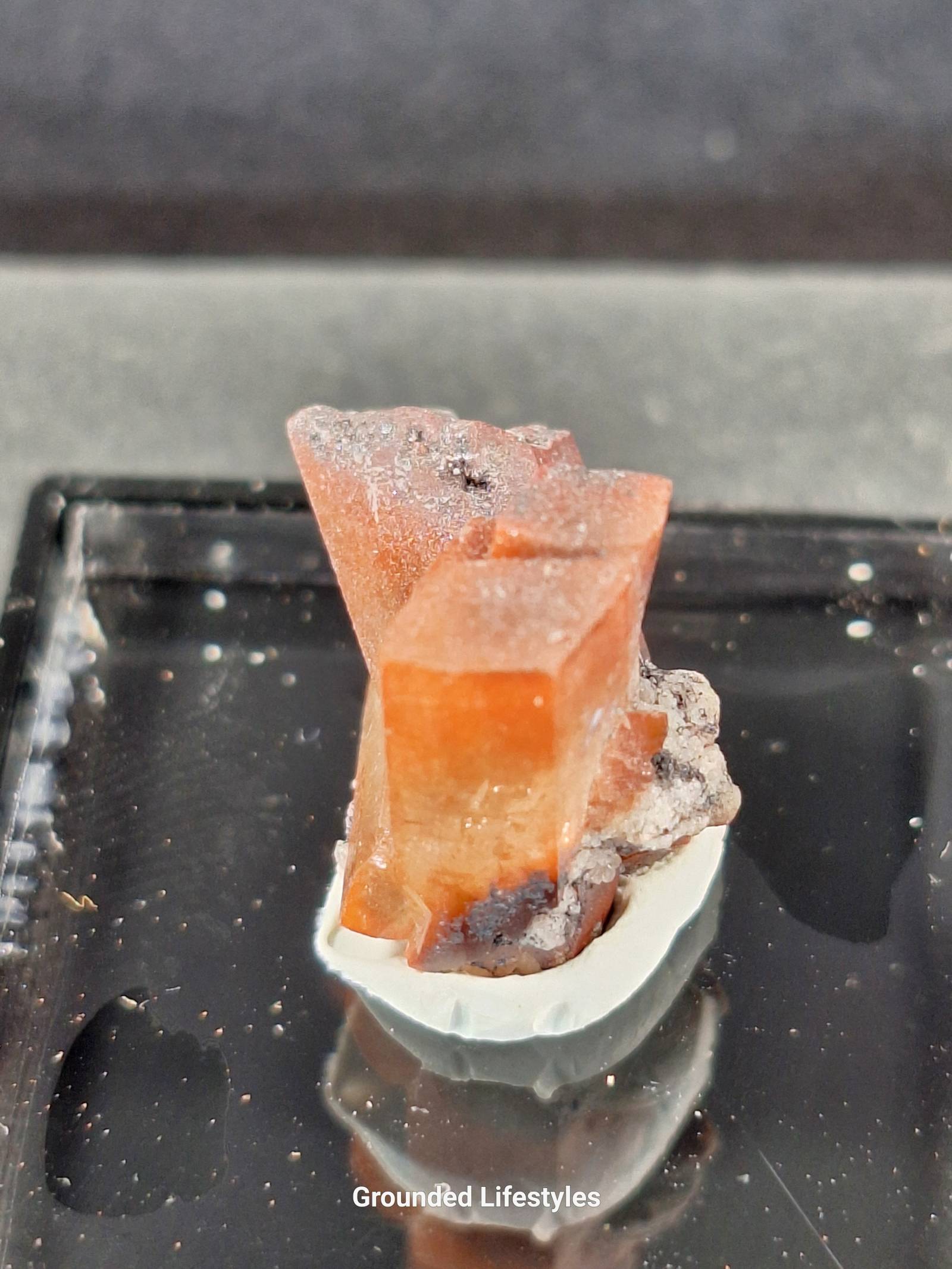
Natural Topaz from San Luis Potosí, Mexico
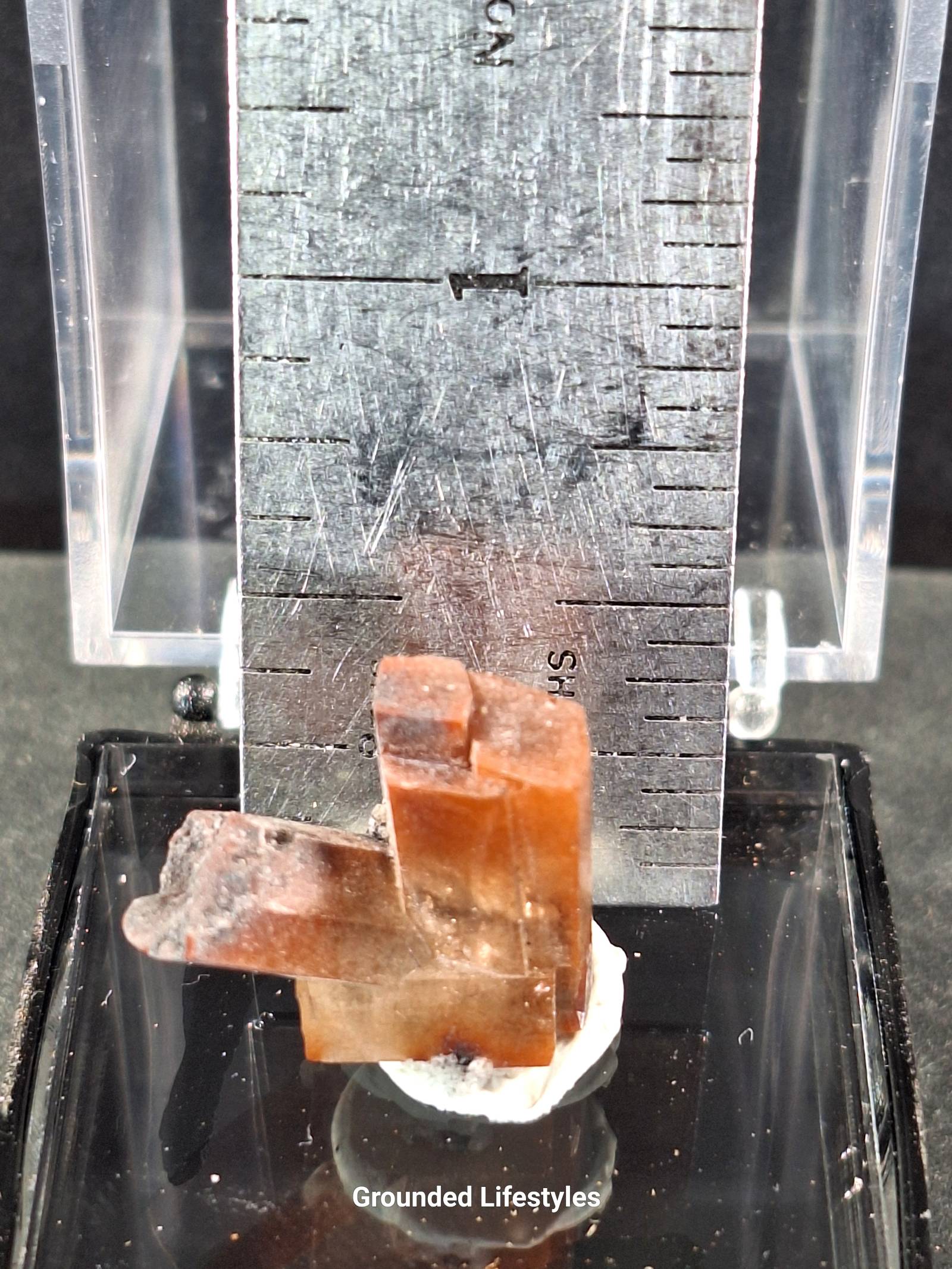
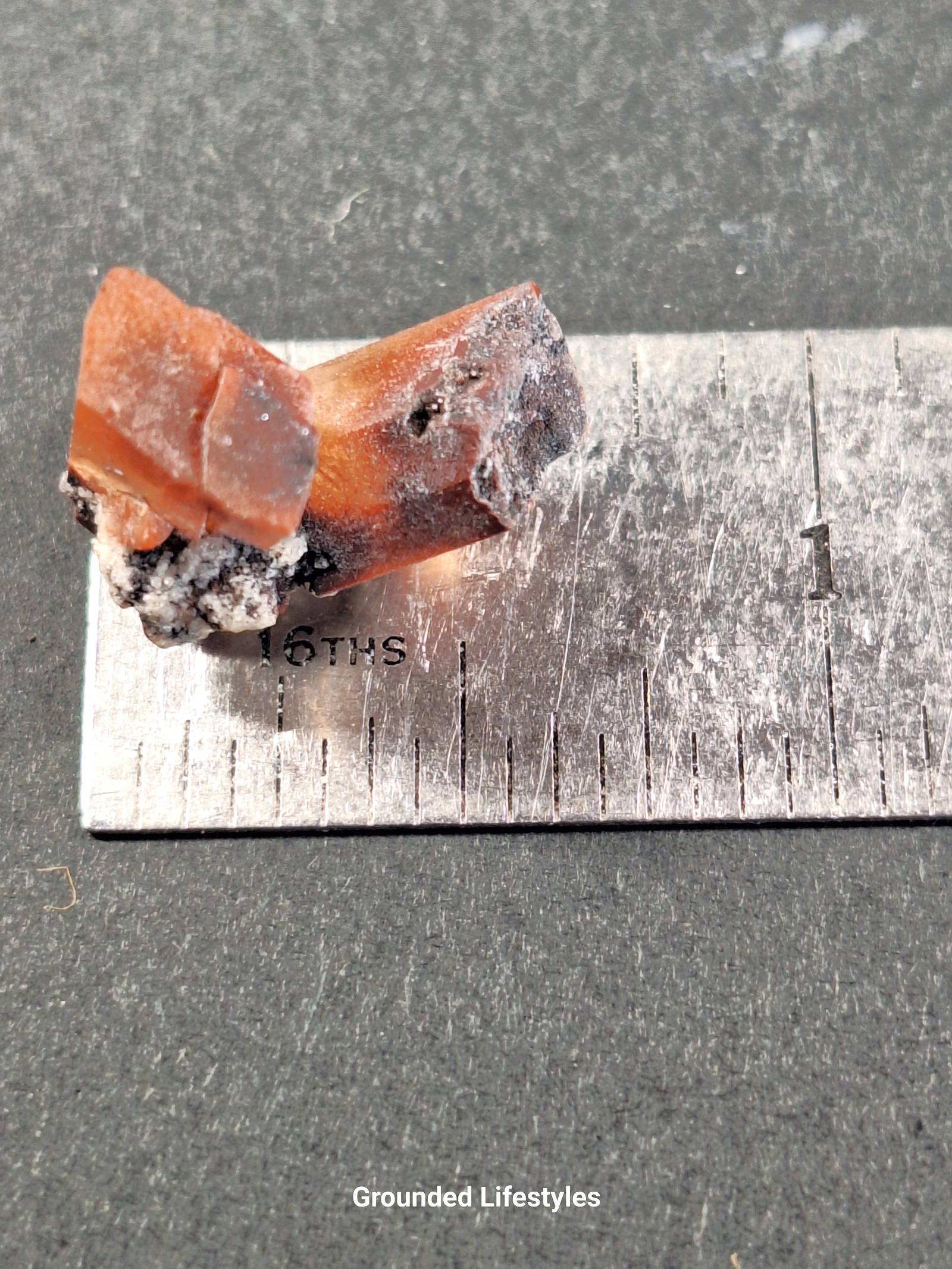
This natural topaz specimen comes from San Luis Potosí, a Mexican state known among mineral collectors for topaz occurrences associated with volcanic geology. The stone is offered as an individual mineral specimen rather than a cut gemstone and is presented in a removable perky display box. For collectors interested in Mexican localities, topaz is especially engaging because its chemistry, crystal structure, and geological setting help explain how a familiar gemstone develops in nature. The supplied provenance identifies San Luis Potosí
Geological Setting and Formation
Topaz can form in fluorine-rich igneous environments, including cavities and fractures in rhyolitic volcanic rocks. As mineral-bearing fluids move through cooling or altered rock, the right chemical conditions can allow topaz crystals to grow. San Luis Potosí is associated with topaz-bearing volcanic settings.
Topaz Mineralogy and Collector Interest
Topaz is an aluminum fluorosilicate mineral commonly written as Al₂SiO₄(F,OH)₂. It crystallizes in the orthorhombic system and has a Mohs hardness of 8. That hardness makes it resistant to scratching by many common materials, yet topaz also has perfect basal cleavage, meaning a sharp impact in the wrong direction can split a crystal. Topaz occurs in several natural colors, and some commercially available stones have been treated to change their appearance.
Metaphysical Meaning and Traditional Uses of Topaz
Topaz has a longstanding place in gemstone folklore, where it has been associated with wisdom, clarity, confidence, and purposeful action. In modern crystal traditions, people sometimes incorporate topaz into meditation or intention-setting as a symbolic reminder to approach decisions with focus and creativity. Golden and orange varieties are often linked in contemporary practice with motivation and the solar plexus or sacral chakras, although such color-specific associations should not be assigned to an individual stone without confirming its color. These meanings reflect spiritual traditions and personal interpretations, not scientifically demonstrated effects or medical benefits.
Care, Display, and Specimen Information
This topaz is supplied in a perky box measuring approximately 1.25 × 1.25 × 1.25 inches, and the specimen can be removed for careful examination. Handle the topaz over a soft surface and avoid knocks against its edges because of its cleavage. Keep it away from abrupt temperature changes and harsh cleaners, and remove loose dust gently with a soft brush. When not being examined, the box provides a compact way to protect and display this San Luis Potosí locality specimen.
Only logged in customers who have purchased this product may leave a review.

Reviews
There are no reviews yet.