$75.00
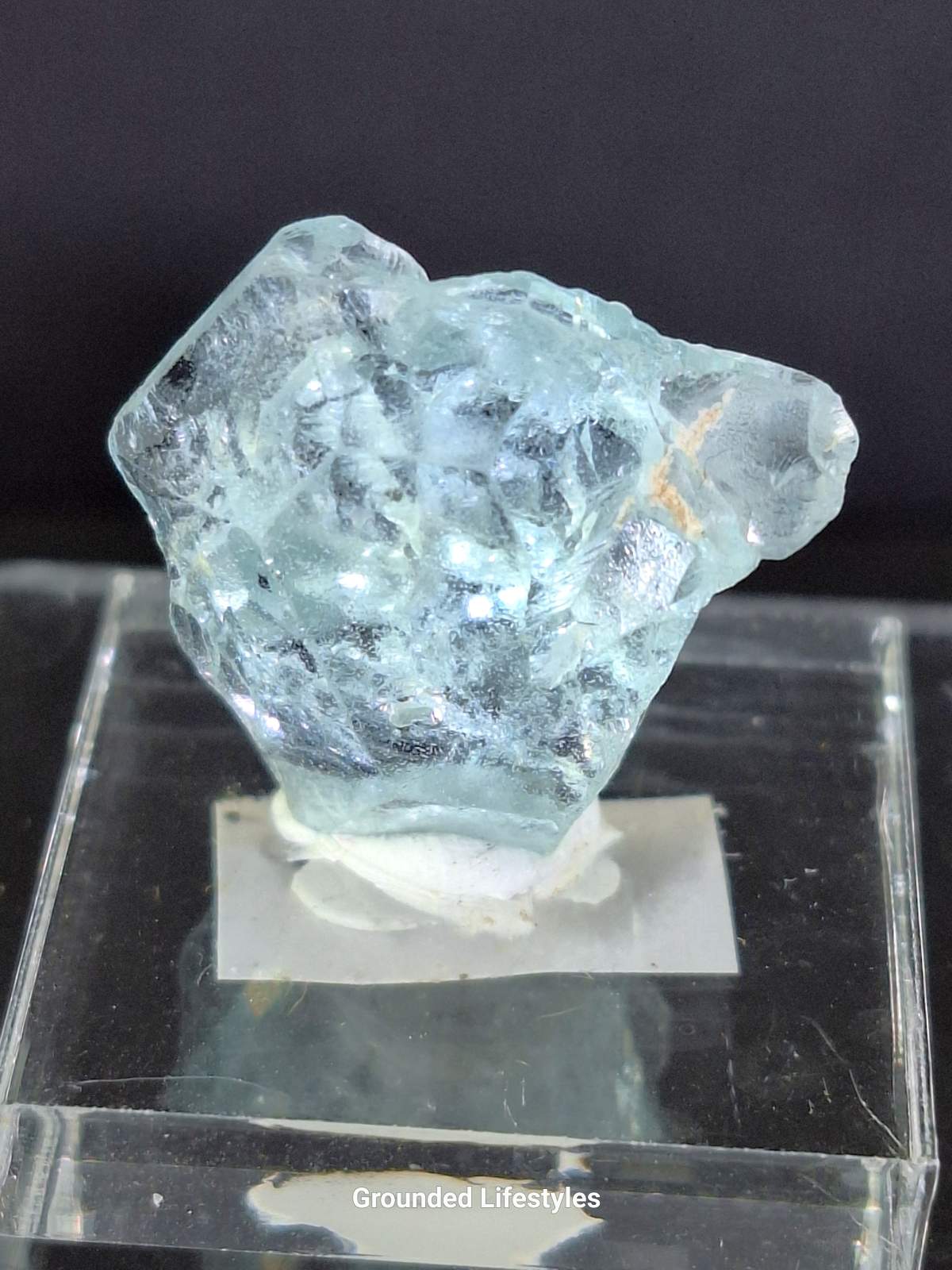
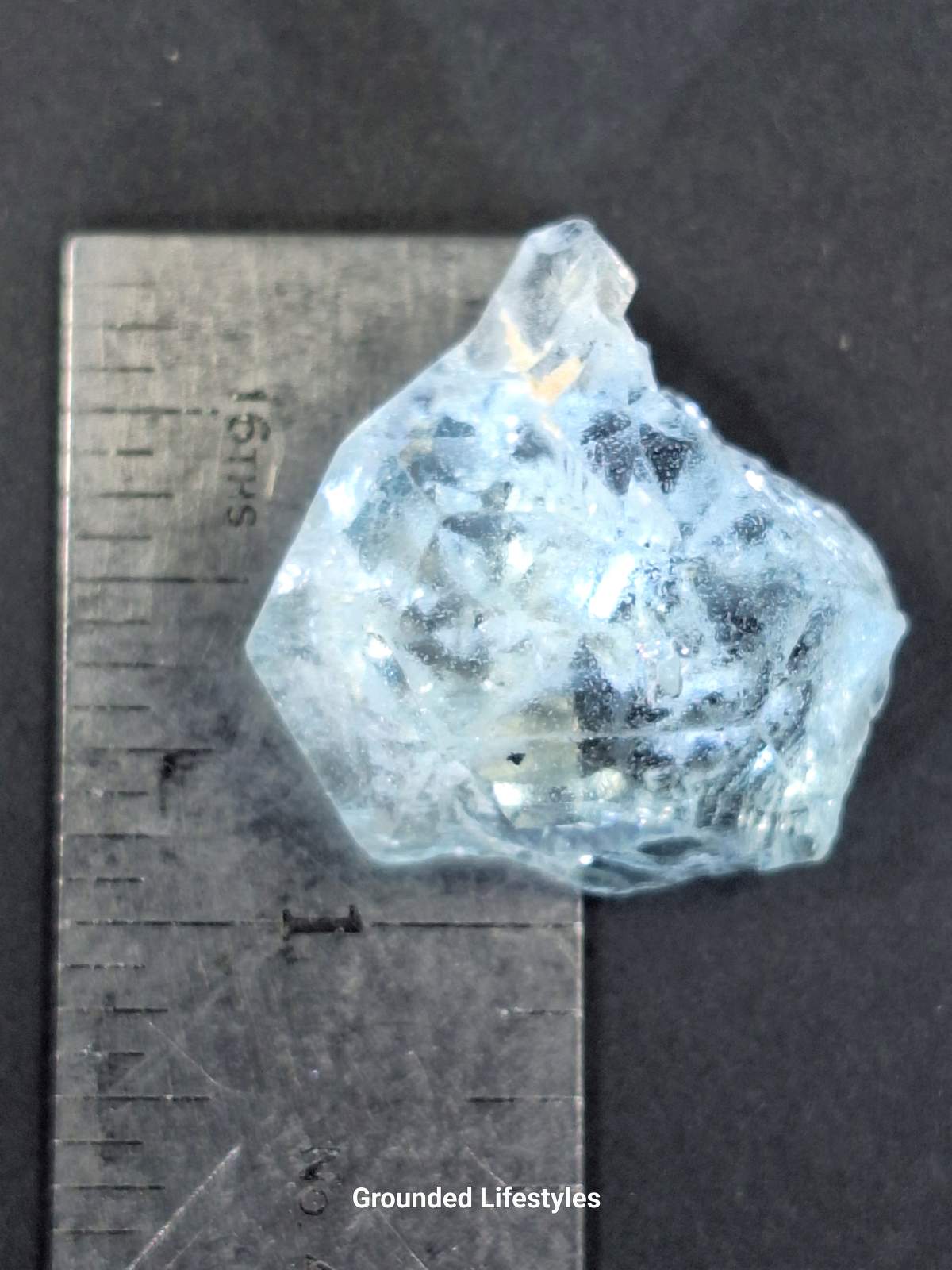
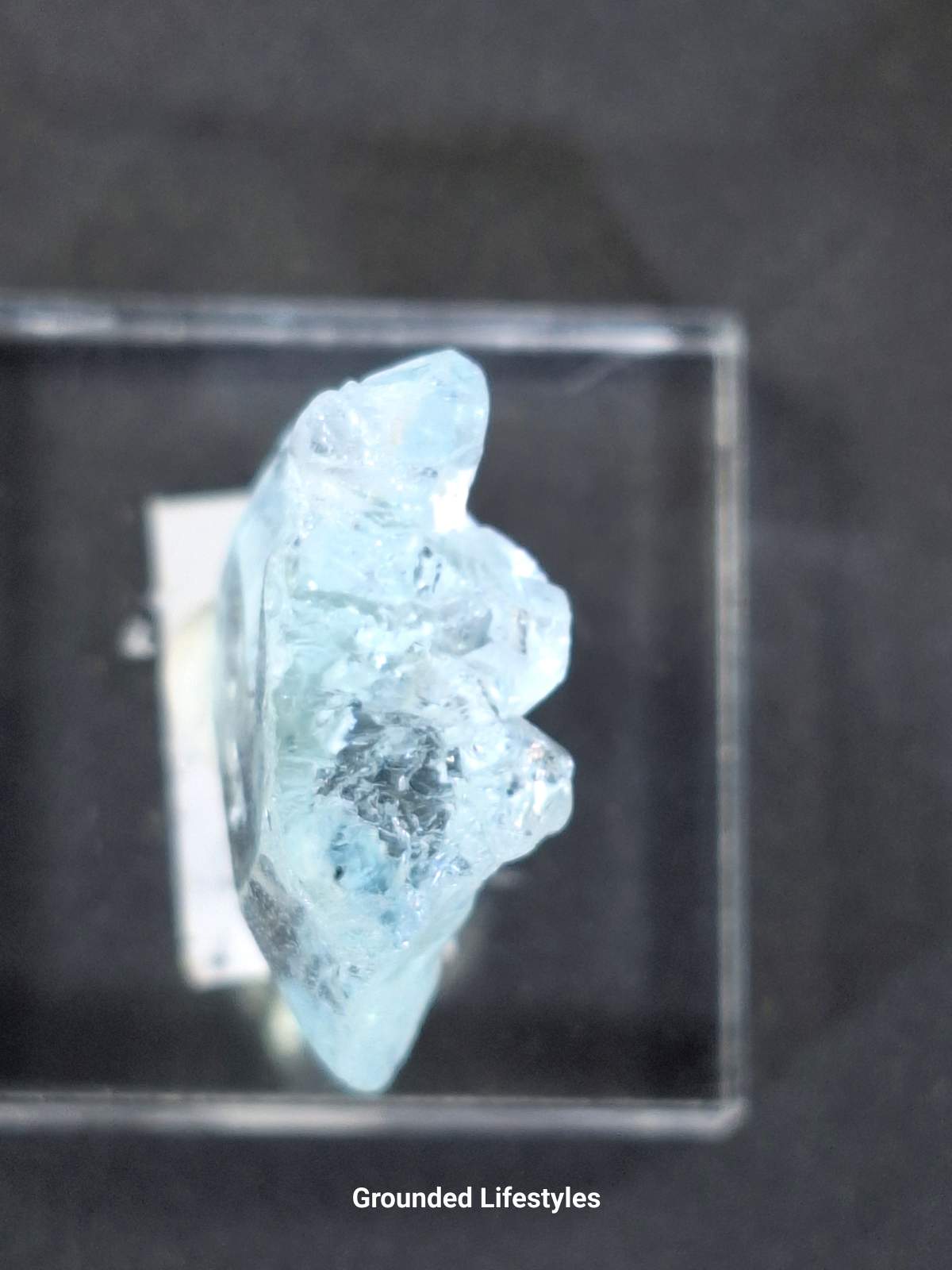
A naturally formed blue topaz crystal from Brazil displaying excellent transparency, delicate sky-blue color, and well-defined crystal faces in a compact collector specimen. Measures: 0.75″ L × 0.25″ W × 0.75″ H
In stock
You will receive the exact specimen shown.
Carefully packed and shipped from Arizona.
Free U.S. shipping on orders of $70 or more.
natural blue topaz crystal was recovered from Brazil, one of the world’s most important gemstone-producing regions. Unlike polished gemstones, this specimen has been left in its natural crystal form, allowing collectors to appreciate the geometry and beauty created entirely by nature.
Measuring approximately 0.75 inches long, 0.25 inches wide, and 0.75 inches high, this crystal is an excellent cabinet specimen for mineral collectors, gem enthusiasts, educators, or anyone who appreciates naturally occurring gemstones. Its transparent body and delicate blue coloration beautifully showcase why Brazilian topaz has been admired for centuries.
Topaz forms during the final stages of cooling in granitic pegmatites and high-temperature hydrothermal veins, where fluorine-rich fluids allow exceptionally well-formed crystals to develop. Brazil’s famous pegmatite provinces, particularly in Minas Gerais, have produced some of the world’s finest topaz crystals for hundreds of years. These deposits formed during ancient granitic events approximately 480–630 million years ago, creating ideal conditions for gem-quality topaz growth.
Topaz is an aluminum fluorosilicate mineral that commonly develops elongated prismatic crystals with flat terminations and exceptional clarity. While most blue topaz available in jewelry today is produced by treating naturally colorless topaz, Brazil is also known for producing naturally blue crystals, although they are considerably less common than colorless material.
| Property | Value |
|---|---|
| Mineral | Topaz |
| Mineral Class | Nesosilicate |
| Chemical Formula | Al₂SiO₄(F,OH)₂ |
| Crystal System | Orthorhombic |
| Mohs Hardness | 8 |
| Specific Gravity | 3.4–3.6 |
| Locality | Brazil |
| Formation Environment | Granitic pegmatites and hydrothermal veins |
Brazil has been synonymous with fine topaz since the eighteenth century and remains one of the world’s premier gemstone producers. Museums around the globe display spectacular Brazilian topaz crystals because of their remarkable size, transparency, and crystal quality. The country’s gem-bearing pegmatites have supplied collectors, jewelers, and mineral museums with exceptional specimens for generations.
Natural crystal specimens such as this allow collectors to appreciate the mineral exactly as it formed underground before any cutting or faceting transformed it into a gemstone.
In traditional crystal symbolism, blue topaz is often associated with:
These interpretations are based on traditional metaphysical beliefs and symbolic practices rather than scientific or medical evidence.
Although compact, this specimen displays the elegant crystal habit that has made Brazilian topaz famous among collectors. Its transparent body, natural crystal faces, and soft blue coloration create an attractive display piece that fits beautifully in mineral cabinets, gem collections, or educational exhibits.
Natural crystal specimens are especially appreciated because they preserve the original growth patterns and crystal geometry created during millions of years of geological development.
Topaz is a durable gemstone with a hardness of 8 on the Mohs scale, making it resistant to scratching. However, it possesses perfect cleavage, meaning a sharp impact can split the crystal. Handle carefully, avoid dropping it, and clean with warm water, mild soap, and a soft cloth. Avoid ultrasonic cleaners and sudden temperature changes.
| Weight | 3 oz |
|---|---|
| Dimensions | .75 × .25 × .75 in |