Description
Montana Sapphire from the Rock Creek District
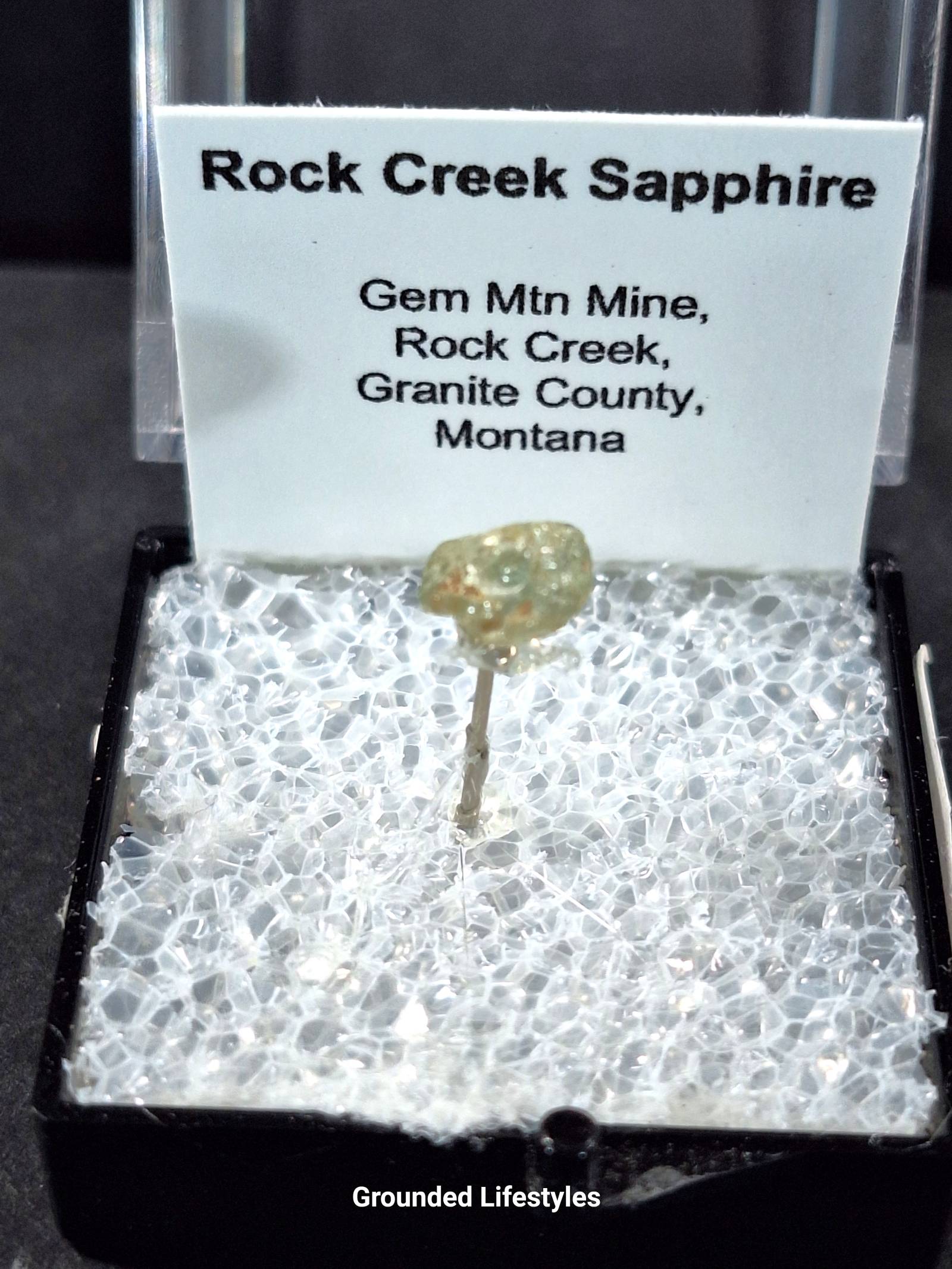
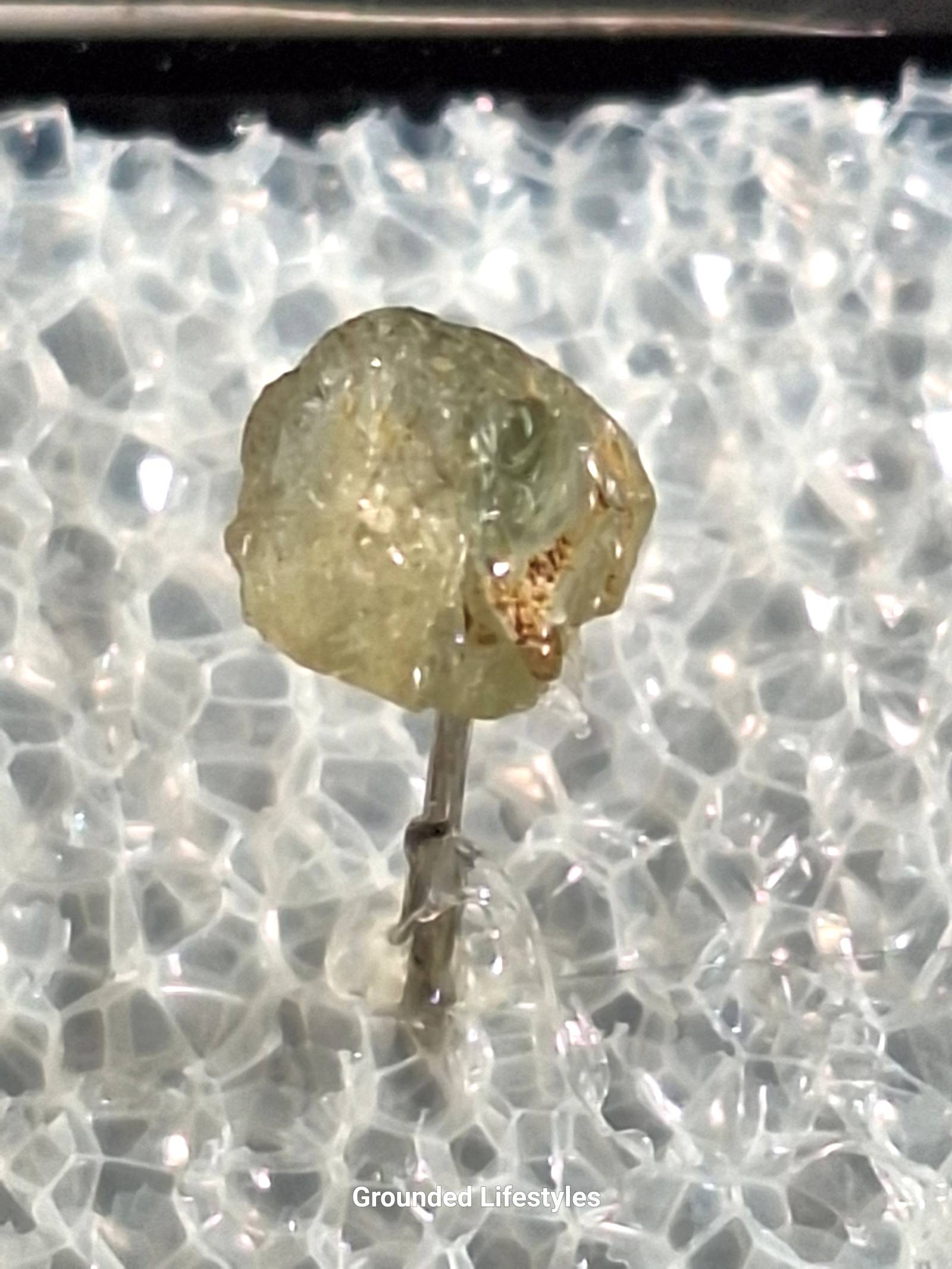
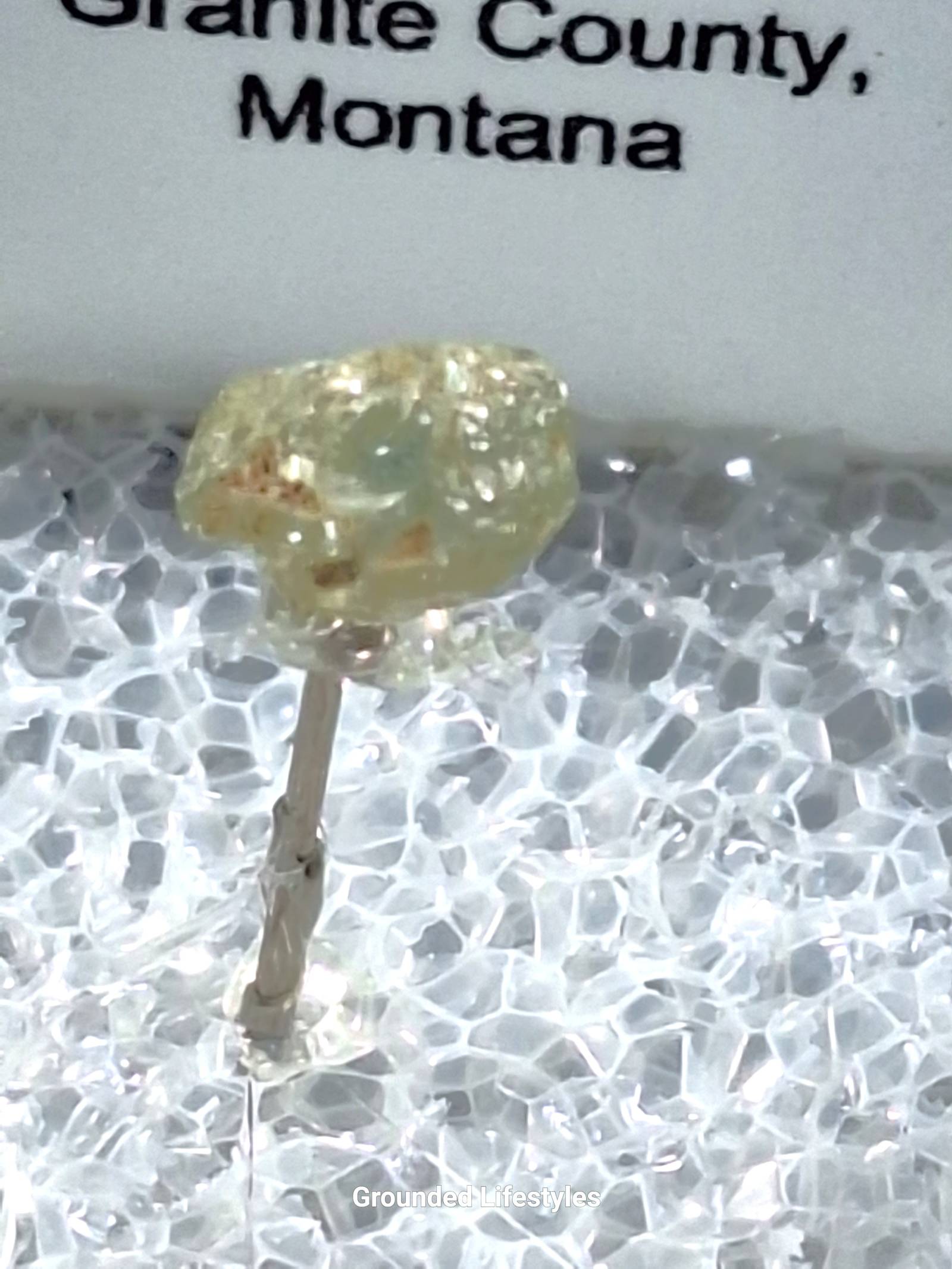
The Rock Creek sapphire district near Philipsburg, Montana, is one of the best-known American sources of natural sapphire. This individual specimen is attributed to the Rock Creek/Gem Mountain area, where sapphire-bearing gravels have attracted miners, gem cutters, and mineral collectors for generations.
Rock Creek Mining and Collecting History
Sapphires were discovered in western Montana in the nineteenth century, and Rock Creek became particularly notable for the variety of sapphire material recovered from its alluvial deposits. The district is associated with both historical industrial uses of corundum and modern interest in gem-quality stones. Weathering and erosion released durable crystals from their original host rocks, and flowing water concentrated them in gravels. For a locality collector, the appeal is not limited to gemstone value: the specimen also represents Montana’s mining history and the geological processes that concentrate heavy minerals.
What Makes Sapphire a Mineral Collector’s Gem
Sapphire is a variety of corundum, with the chemical composition aluminum oxide (Al₂O₃). It belongs to the trigonal crystal system and measures 9 on the Mohs hardness scale, making it one of the hardest naturally occurring minerals. Trace elements produce many of sapphire’s possible colors; not all sapphires are blue. Hardness also does not make a specimen unbreakable: natural edges and fractures can still chip under impact.
Traditional Metaphysical Meaning of Sapphire
Across gemstone lore, sapphire has been linked with wisdom, sincerity, loyalty, and clear judgment. Contemporary crystal practitioners sometimes use sapphire symbolically when setting intentions around concentration, thoughtful communication, and personal integrity. Associations may vary with the stone’s color and the tradition being followed; no color-specific chakra association is assigned here without confirming the specimen’s appearance. These interpretations are spiritual and cultural traditions, not scientifically established effects.
Display, Care, and Specimen Details
The sapphire is supplied as one natural specimen in a perky display box measuring approximately 1.25 × 1.25 × 1.25 inches. These are box dimensions, not the dimensions of the sapphire. For display, keep the specimen secured in its box or on a stable, padded surface. Avoid dropping it, striking exposed edges, and using ultrasonic or chemical cleaners without first confirming the specimen’s condition. A soft, dry brush is generally appropriate for removing loose dust.
Only logged in customers who have purchased this product may leave a review.

Reviews
There are no reviews yet.