$50.00
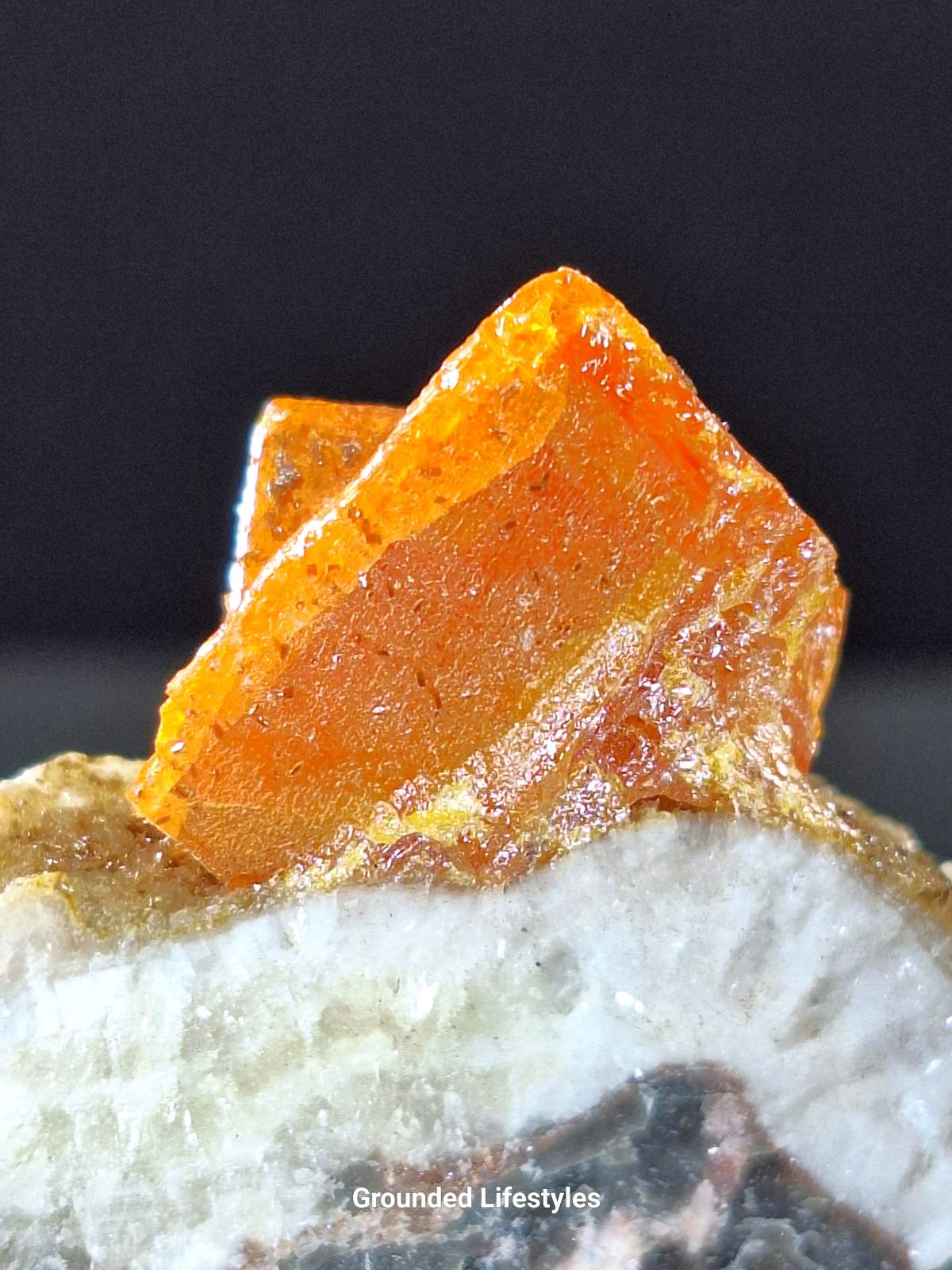
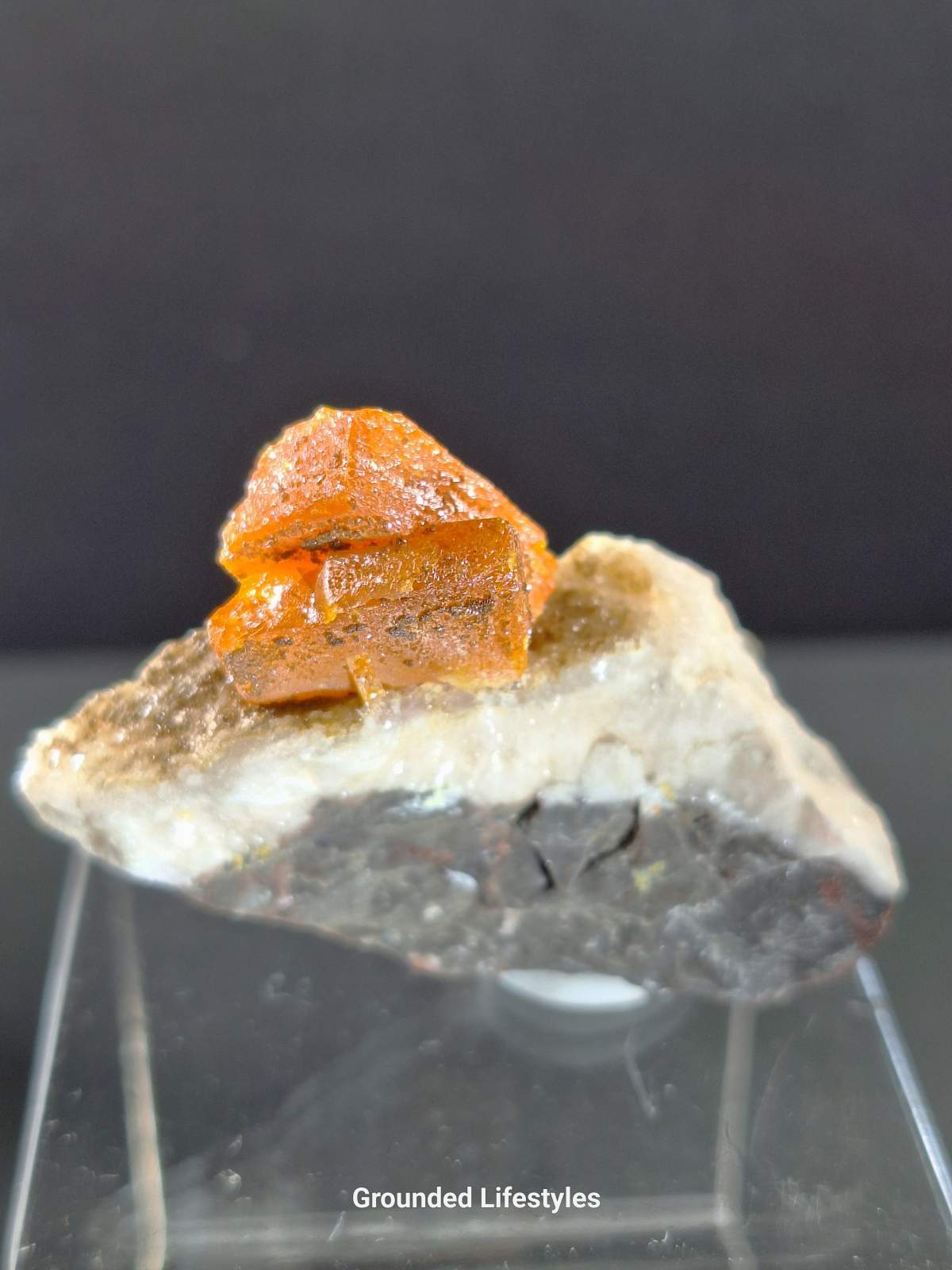
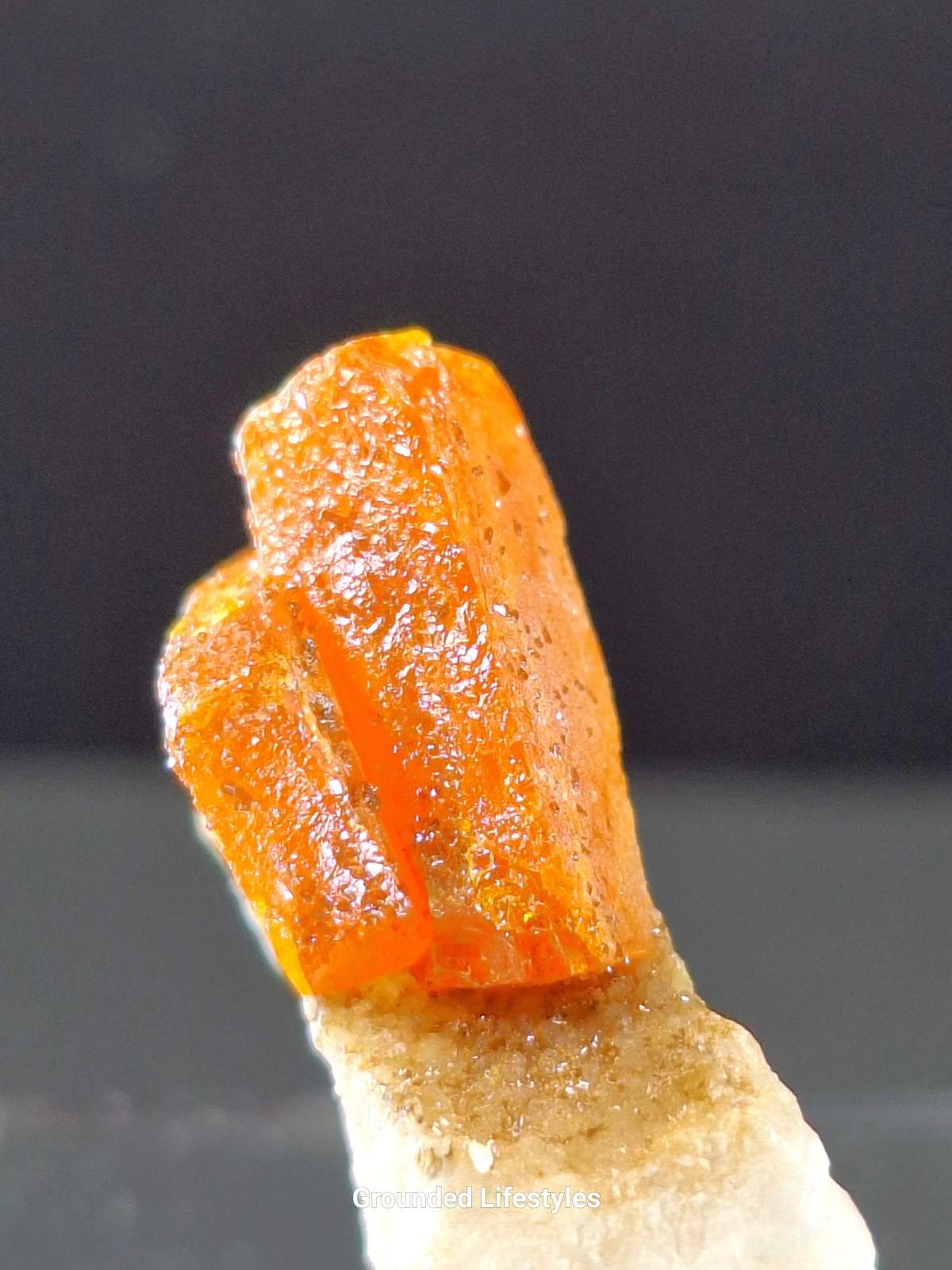
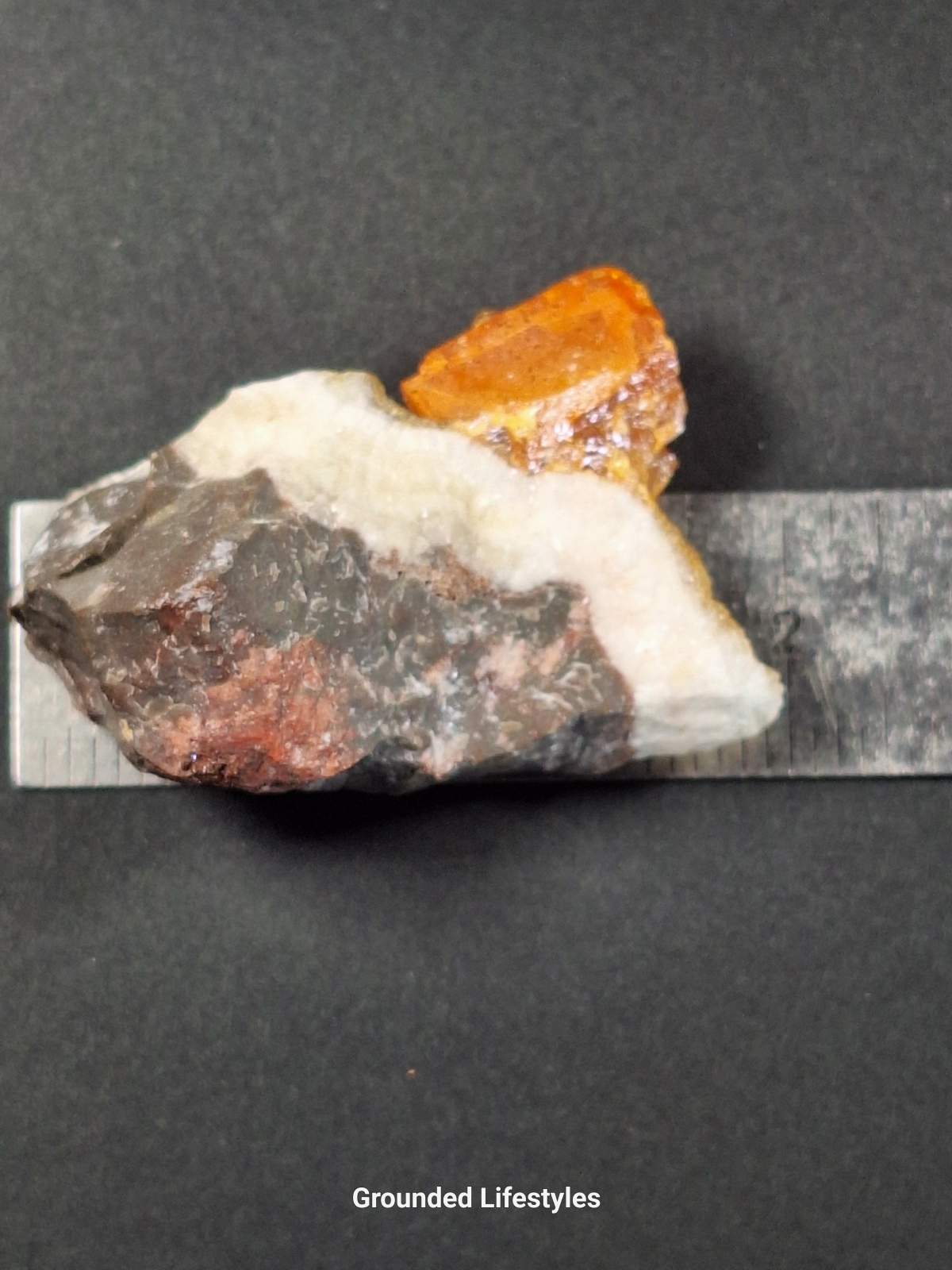
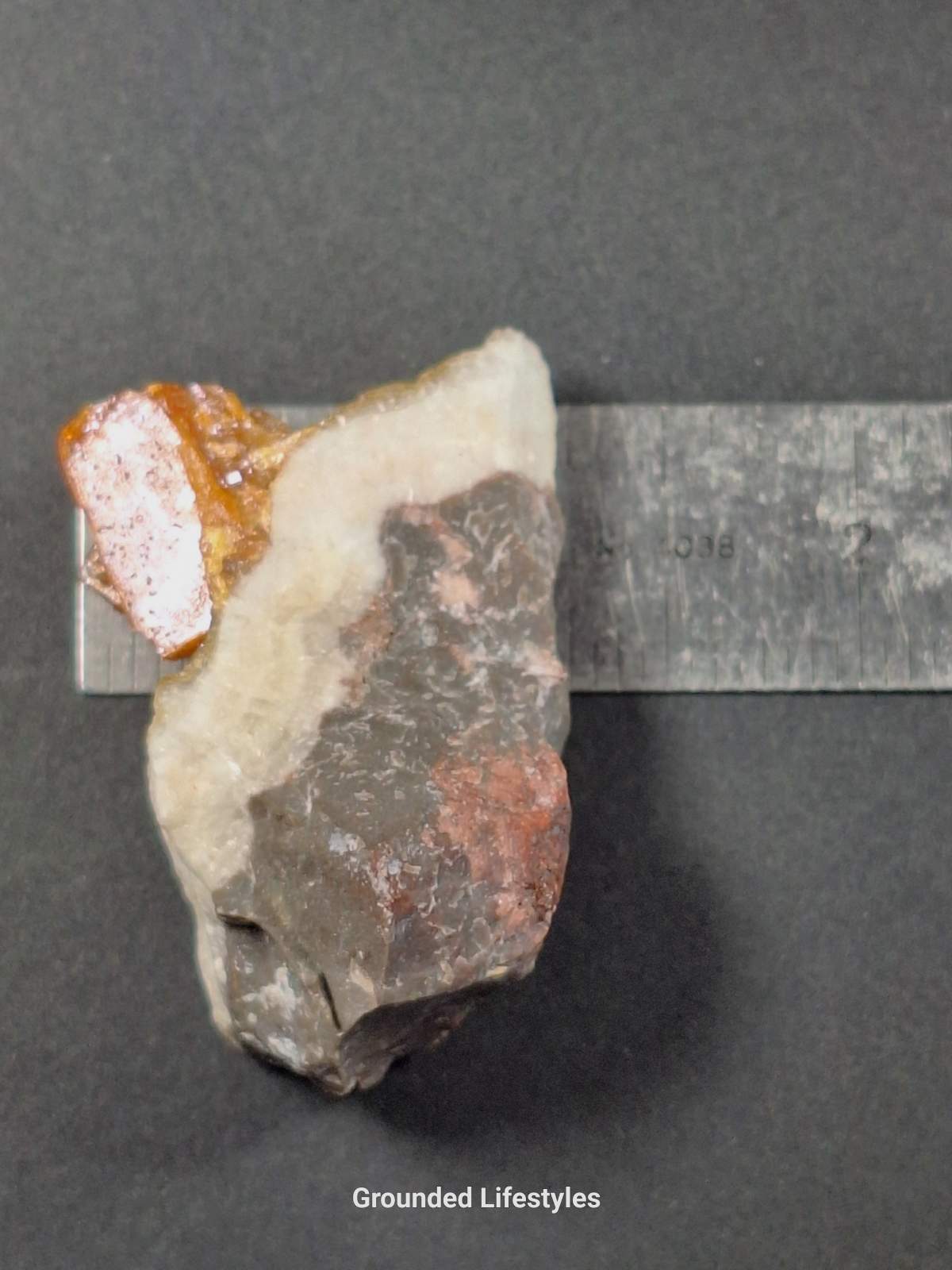
Classic bright-orange Wulfenite from Los Lamentos, Chihuahua, Mexico, featuring thick, lustrous blade-like crystals on natural matrix. A highly collectible 2-inch specimen from the Donald Wininger Collection and one of Mexico’s legendary Wulfenite localities. Specimen Size: 2″ L × 1″ W × 1.75″ H
In stock
You will receive the exact specimen shown.
Carefully packed and shipped from Arizona.
Free U.S. shipping on orders of $70 or more.
Wulfenite from Los Lamentos, Chihuahua, Mexico comes from the Donald Wininger Collection and displays one of the characteristics that made this historic locality famous: thick, bright-orange Wulfenite blades rising prominently from natural matrix.
The specimen measures approximately 2 inches long, 1 inch wide, and 1.75 inches high. Its vivid orange color, substantial crystal habit, natural matrix, and classic Mexican provenance give this piece considerably more collector interest than a common Wulfenite specimen.
Los Lamentos is internationally recognized as one of the great historic Wulfenite localities, particularly for its distinctive orange crystals.
Wulfenite frequently forms extremely thin, fragile square plates. Los Lamentos is different.
The locality became particularly celebrated for producing unusually thick tabular, bladed and sometimes almost blocky Wulfenite crystals. These robust crystals can have a very different visual character from the thin “windowpane” Wulfenites produced at many other localities.
The Australian Museum, for example, preserves a Los Lamentos specimen displaying large orange-brown block-shaped Wulfenite crystals, while documented collector specimens from the locality repeatedly show thick orange tabular crystals.
That makes the thick bright-orange blades on this specimen an important locality characteristic, not simply an aesthetic detail.
| Property | Information |
|---|---|
| Mineral | Wulfenite |
| Chemical Formula | PbMoO₄ |
| Mineral Class | Molybdate |
| Crystal System | Tetragonal |
| Mohs Hardness | 2.5–3 |
| Luster | Adamantine to resinous |
| Crystal Habit | Thick tabular/bladed crystals |
| Color | Bright orange |
| Locality | Los Lamentos Mountains, Chihuahua, Mexico |
| Collection | Donald Wininger Collection |
Wulfenite is a secondary lead molybdate mineral that develops in the oxidized portions of lead-bearing ore deposits.
At Los Lamentos, the mineralization occurs within a carbonate-hosted lead-zinc deposit. As oxygen-rich groundwater altered the original sulfide ores, lead became available to combine with molybdate in the oxidized zone. Under the right chemical conditions, Wulfenite crystallized inside cavities and fractures.
The famous Wulfenite-producing portions of the Los Lamentos workings occurred at considerable depth. Mineralogical records indicate that important Wulfenite was found below approximately the 500-foot level, with later specimen recoveries reaching the vicinity of the 700-foot level.
Calcite is a particularly familiar matrix mineral for Los Lamentos Wulfenite, while Vanadinite, Descloizite, Cerussite and other secondary minerals may also occur in the district.
Los Lamentos has a special place in Mexican mineral collecting. Specimen mining took place primarily from the 1920s through the early 1960s, followed by smaller but significant recoveries in 1968, 1976 and the early 1980s.
The orange Wulfenites became instantly recognizable because of their combination of strong color and unusually substantial crystal development.
A particularly relevant comparison is a documented specimen mined in 1957 that displays saturated orange, thick Wulfenite blades on matrix—the same general combination of color and crystal habit represented by this Wininger specimen.
The historic Los Lamentos Wulfenite workings are not an active commercial producing mine today. Large-scale mining ended decades ago, although the workings were periodically reopened or rehabilitated for exploration and specimen recovery. During later exploration, deeper workings were temporarily dewatered and additional Wulfenite pockets were reached. The deepest areas eventually became partially flooded again.
| Weight | 2 oz |
|---|---|
| Dimensions | 2 × 1 × 1.75 in |