Quartz

Quartz is one of Earth’s most abundant and diverse minerals, prized by collectors for its crystal formations, clarity, color, inclusions, and remarkable range of natural varieties. Composed of silicon and oxygen (SiO₂), quartz forms in igneous, metamorphic, sedimentary, and hydrothermal environments around the world.

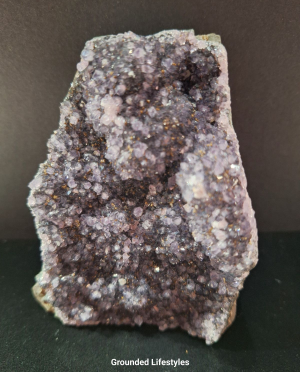
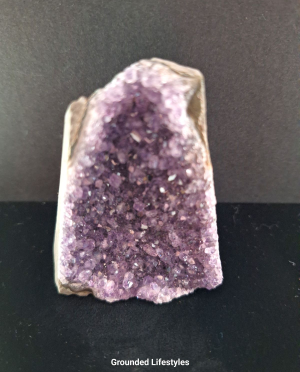
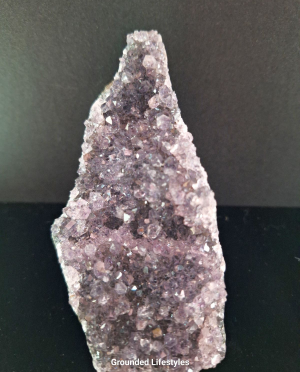
The Grounded Lifestyles Quartz collection brings together natural quartz specimens and quartz varieties including clear quartz, amethyst, rose quartz, smoky quartz, citrine, aventurine, ametrine, hematoid quartz, spirit quartz, and included quartz. From natural crystal clusters and locality specimens to polished points and carved forms, this collection represents the extraordinary diversity of the quartz mineral family.

For collectors, quartz can range from beautifully formed everyday specimens to distinctive pieces valued for locality, unusual inclusions, crystal habit, color, or provenance. Our collection includes quartz from renowned producing regions such as Arkansas, Brazil, Madagascar, the Himalayas, and other historic mineral localities.

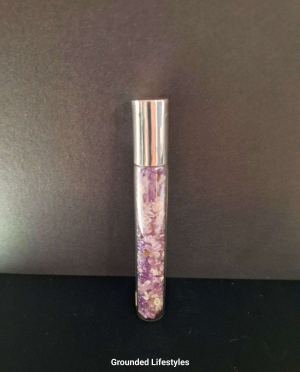
Many pieces are individually photographed so you can evaluate the actual crystal, formation, color, and character of the specimen you are purchasing.

Quick Facts

  • Mineral: Quartz
  • Chemical Formula: SiO₂
  • Mohs Hardness: 7
  • Crystal System: Trigonal
  • Common Varieties: Clear Quartz, Amethyst, Citrine, Rose Quartz, Smoky Quartz, Aventurine, Ametrine
  • Collected For: Crystal form, color, inclusions, locality, rarity, display and metaphysical traditions

Quartz forms when silicon and oxygen combine as silicon dioxide (SiO₂) and crystallize under a wide range of geological conditions. Its ability to form in many environments is one reason quartz is both extremely common and remarkably diverse.

In igneous rocks, quartz crystallizes as silica-rich magma cools. It is a major component of granite and occurs extensively in pegmatites, where slower cooling and mineral-rich fluids can produce larger crystals and unusual mineral associations.

Some of the quartz specimens most prized by collectors form through hydrothermal activity. Hot, silica-rich fluids travel through fractures, veins, and cavities in rock. As temperature, pressure, and chemistry change, quartz crystallizes along cavity walls and open spaces. Repeated stages of growth can produce crystal clusters, phantoms, zoning, inclusions, and associations with other minerals.

Quartz also occurs in metamorphic environments, where heat and pressure cause existing rocks and minerals to recrystallize, and in sedimentary environments, where quartz grains can survive weathering and erosion because of their hardness and chemical durability.

Why Quartz Has So Many Colors

Pure quartz is generally colorless, but trace elements, structural defects, natural irradiation, mineral inclusions, and other geological processes can produce dramatically different appearances.

Amethyst develops its purple coloration through iron-related defects and natural irradiation, while smoky quartz develops gray to brown coloration through irradiation acting on defects associated with aluminum in the crystal structure. Rose quartz owes its color to microscopic inclusions or structural causes depending on the material, while citrine ranges from pale yellow to orange-brown.

Other quartz varieties are distinguished by what occurs inside the crystal. Rutile, tourmaline, hematite, chlorite and other minerals can become enclosed during growth, creating included quartz specimens that preserve evidence of the environment in which they formed.

These differences make quartz particularly interesting to collectors: two crystals composed primarily of the same SiO₂ can look entirely different because of where, when, and under what geological conditions they formed.

Quartz Varieties & Important Localities

Few minerals show as much natural variety as quartz. Differences in trace elements, inclusions, irradiation, crystal growth, and geological environment can transform colorless quartz into some of the most recognizable minerals and gemstones in the world.

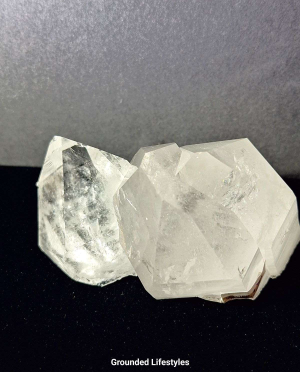
Clear Quartz / Rock Crystal — Colorless, transparent quartz is commonly called rock crystal. Collectors look for clarity, sharp terminations, unusual crystal habits, inclusions, and locality. Arkansas is particularly famous for clear quartz crystals, while notable material also comes from Brazil, Madagascar, the Alpine regions of Europe, and many other localities.

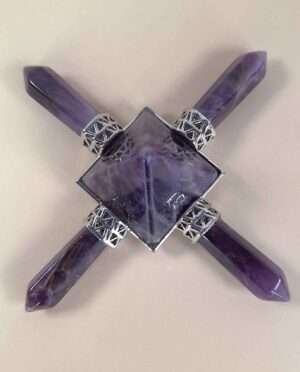
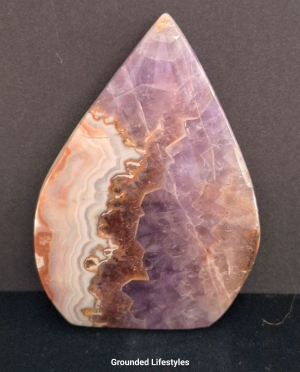
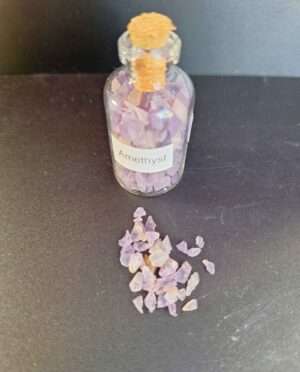
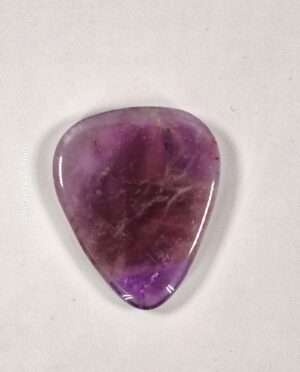
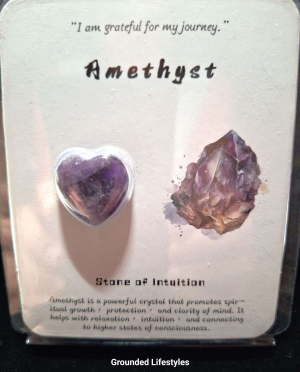
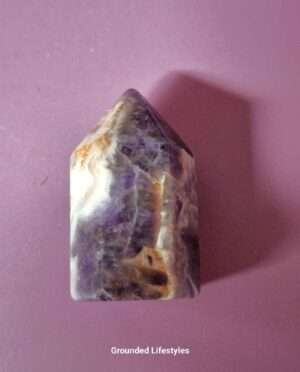
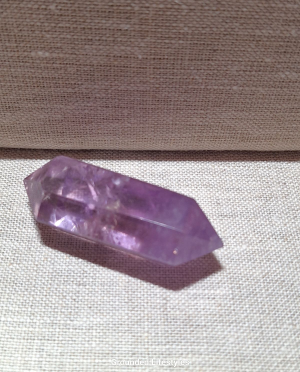
Amethyst — The purple variety of quartz ranges from pale lavender to deeply saturated violet. Brazil and Uruguay are major sources of amethyst geodes and crystal clusters, while distinctive amethyst also occurs in Mexico, Africa, Canada, and the United States. Color zoning, crystal size, formation style, and locality can strongly influence collector interest.

Citrine — Natural citrine ranges from pale yellow to golden and brownish yellow and is considerably less common in nature than amethyst. Much of the citrine sold commercially is heat-treated amethyst, making disclosure of treatment particularly important when evaluating specimens.

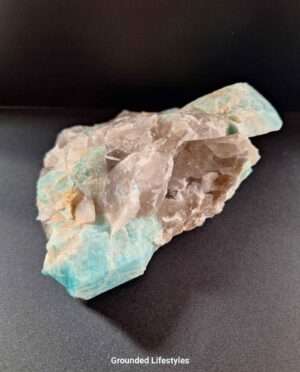
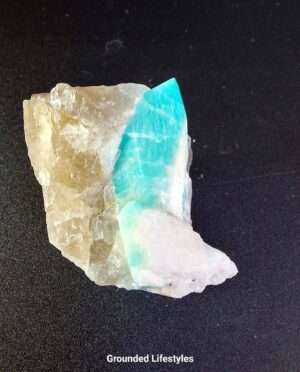
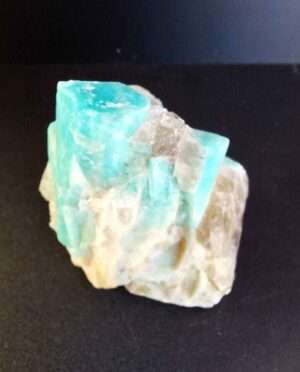
Smoky Quartz — Gray, brown, and nearly black smoky quartz develops its color through natural irradiation interacting with structural defects in the crystal. Fine smoky quartz is especially prized when it forms sharp, transparent crystals or occurs with other collectible minerals, including the classic amazonite and smoky quartz associations of Colorado.

Rose Quartz — Known for soft pink coloration, rose quartz most commonly occurs in massive form rather than well-developed transparent crystals. Brazil, Madagascar, South Africa, and other pegmatite regions have produced significant material. Color saturation, translucency, size, and unusual formations can influence desirability.

Ametrine — A naturally occurring combination of purple amethyst and yellow to orange citrine within the same quartz crystal. The contrasting color zones result from different oxidation states of iron during the crystal’s geological history. Fine natural ametrine is particularly associated with Bolivia.

Aventurine Quartz — Aventurine is quartz containing reflective mineral inclusions that create a sparkling optical effect known as aventurescence. Green material commonly owes its appearance to chromium-bearing mica, while other inclusions can produce different colors.

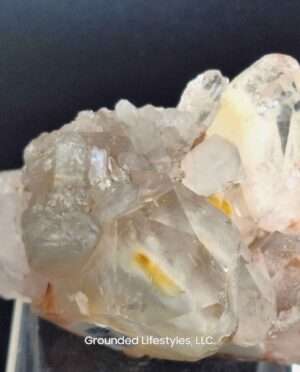
Included & Phantom Quartz — Quartz crystals can trap minerals, fluids, gases, or earlier stages of crystal growth. Rutile, hematite, chlorite, tourmaline, and other inclusions can produce striking patterns, while phantom quartz preserves the outline of an earlier growth stage inside a later crystal.

Spirit Quartz — Also known as cactus quartz, spirit quartz develops when a larger central quartz crystal becomes covered with many smaller quartz crystals. The best-known material comes from South Africa and is collected for its unusual sparkling growth habit.

Herkimer Diamonds — Despite their name, Herkimer Diamonds are quartz rather than diamond. These naturally double-terminated crystals are associated with dolostone in the Herkimer County region of New York and are prized for their clarity, crystal form, inclusions, and historic locality.

Why Locality Matters

Quartz occurs worldwide, but locality can transform an otherwise common mineral into a highly collectible specimen. Certain mines and districts become known for distinctive crystal habits, colors, inclusions, mineral associations, or specimens from deposits that are no longer actively producing.

For this reason, a quartz specimen’s identity is often more meaningful when the locality is preserved. Whenever known, Grounded Lifestyles includes mine, district, region, or collection provenance so collectors can understand more than simply the mineral name.

Although quartz is abundant, exceptional specimens are distinguished by crystal form, clarity, color, inclusions, locality, condition, and provenance. Sharp terminations, unusual growth habits, phantoms, mineral inclusions, and documented historic localities can make individual specimens particularly collectible.

Natural contact points are common and should not automatically be considered damage. Treatments such as heating, irradiation, dyeing, or coatings may also affect appearance and value and should be identified when known.

Size alone does not determine quality. A smaller quartz crystal with exceptional formation, unusual inclusions, or important provenance may be more collectible than a much larger specimen.

Continue Exploring

Explore more from Grounded Lifestyles: Minerals | Crystal Points | Agates | Donald Wininger Collection