Mineral

Minerals are nature’s architecture — crystalline substances formed through geological processes that shape the Earth’s crust over millions of years. Defined by their chemical composition, crystal structure, and physical properties, minerals record the forces of magma, pressure, water, and time. Every specimen represents a precise moment in Earth’s ongoing geological story.

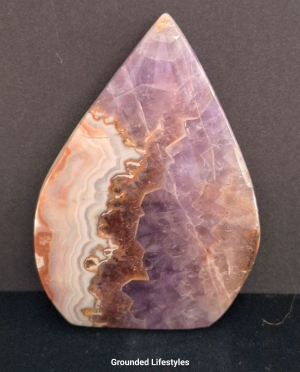
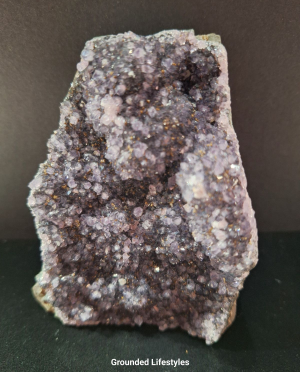
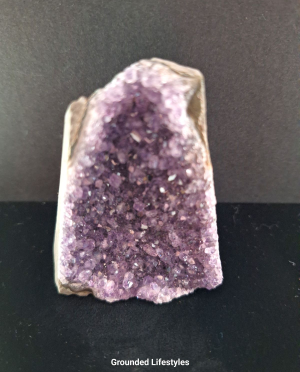
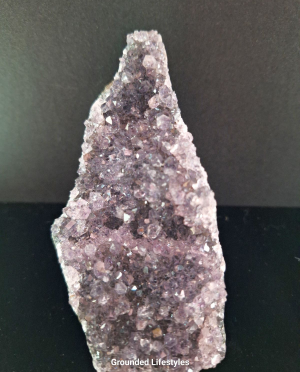
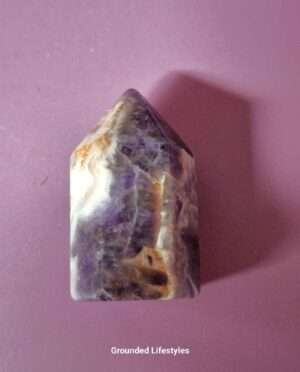
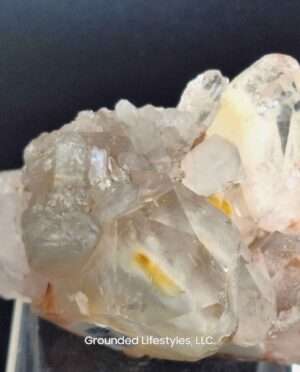
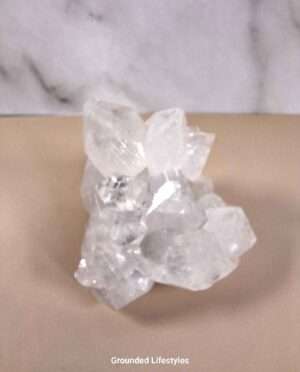
At Grounded Lifestyles, our Minerals collection features authentic mineral specimens selected for scientific integrity, visual beauty, and collector significance. From globally recognized classics such as quartz, calcite, and fluorite to vibrant copper minerals, tourmaline, rhodochrosite, and rare locality pieces, each specimen is chosen for crystal quality, color, and formation style.

Minerals form in diverse environments — crystallizing from molten magma, precipitating from hydrothermal fluids, transforming under intense pressure, or settling from evaporating seas. These processes create the geometric forms collectors admire: sharp crystal terminations, cubic growth, prismatic habits, and complex clusters. Beyond aesthetics, minerals are essential to understanding Earth’s structure, plate tectonics, and ore formation.

Collectors are drawn to minerals for many reasons: scientific study, rarity, display appeal, or symbolic meaning. Some specimens are prized cabinet pieces with dramatic crystal faces, while others are tactile teaching tools or decorative accents that bring natural structure into living spaces.

All mineral specimens offered here are individually photographed. You receive the exact specimen shown, with material, locality (when known), and condition clearly represented so you can collect with confidence.

Quick Facts:

  • Definition: Naturally occurring crystalline substances

  • Formation: Igneous, metamorphic, sedimentary, hydrothermal

  • Properties: Hardness, cleavage, luster, density, optical effects

  • Use: Collecting, education, décor, metaphysical practice

  • Sourcing: Established global mineral localities

Mineral Formation Processes

Minerals form through specific geological environments, each producing distinct crystal habits and structures.

  • Igneous Formation: Minerals crystallize from molten magma or lava as it cools. Examples include quartz, feldspar, and tourmaline.

  • Metamorphic Formation: Existing minerals recrystallize under heat and pressure, forming garnet, kyanite, and staurolite.

  • Sedimentary Processes: Evaporation or precipitation forms minerals such as halite, gypsum, and calcite.

  • Hydrothermal Veins: Superheated fluids deposit minerals like fluorite, galena, topaz, and quartz in fractures.

Each formation pathway leaves identifiable clues — zoning, inclusions, crystal habit — that collectors and geologists use to interpret a specimen’s history.


Why Minerals Matter

Minerals are fundamental to Earth science and industry. They provide insight into:

  • Plate tectonics and crustal evolution

  • Ore deposits and economic geology

  • Environmental conditions during formation

Key identifying properties include:

  • Hardness (Mohs Scale)

  • Cleavage & Fracture

  • Luster

  • Density

  • Optical Effects: Fluorescence, chatoyancy, iridescence

These measurable traits distinguish minerals from one another and determine durability, value, and display suitability.

Minerals are found worldwide, but certain regions are celebrated for producing iconic specimens:

  • United States

    • Arizona: copper minerals (azurite, malachite, chrysocolla).

    • Arkansas: world-famous quartz crystals.

    • Colorado: rhodochrosite, amazonite, smoky quartz.

  • Mexico → Amethyst, fluorite, danburite.

  • Brazil → Tourmaline, topaz, aquamarine, quartz.

  • Peru → Pyrite “suns,” blue opal, pink rhodochrosite.

  • China → Fluorite cubes, stibnite, scheelite.

  • Germany → Historic mines produced galena, sphalerite, pyromorphite.

  • Africa

    • Congo: dioptase, malachite, shattuckite.

    • Namibia: demantoid garnet, cerussite, vanadinite.

    • Madagascar: rose quartz, celestite, fossils with mineral replacement.

  • Pakistan & Afghanistan → Aquamarine, kunzite, tourmaline, topaz, spinel.

Famous Mineral Localities

Certain regions are celebrated worldwide for producing iconic mineral specimens:

United States

  • Arizona: Copper minerals — azurite, malachite, chrysocolla

  • Arkansas: World-class quartz crystals

  • Colorado: Rhodochrosite, amazonite, smoky quartz

International

  • Brazil: Quartz, tourmaline, aquamarine, topaz

  • Mexico: Fluorite, danburite, amethyst

  • Peru: Pyrite “suns,” blue opal, rhodochrosite

  • China: Fluorite cubes, scheelite, stibnite

  • Germany: Historic galena, sphalerite, pyromorphite

  • Africa:

    • Congo — dioptase, malachite, shattuckite

    • Namibia — demantoid garnet, cerussite

    • Madagascar — rose quartz, celestite

Pakistan & Afghanistan: Aquamarine, kunzite, tourmaline, topaz, spinel

Locality labeling adds educational and collector value.


Collecting & Caring for Minerals

Value Drivers:

  • Crystal Form: Sharp, well-terminated crystals

  • Color & Transparency: Saturation and clarity

  • Size: Cabinet specimens and micromounts alike

  • Rarity: Minerals such as dioptase, phenakite, benitoite

  • Provenance: Known mine or locality

Care Tips:

  • Avoid water on soft or soluble minerals (halite, selenite)

  • Store light-sensitive minerals away from sunlight

  • Dust gently with soft brushes only

  • Avoid chemicals and ultrasonic cleaners

Displaying Minerals

  • Acrylic risers and directional lighting enhance crystal geometry

  • Grouping by color, species, or locality creates educational displays

  • Pyrite cubes, fluorite octahedrons, and quartz clusters invite tactile interaction

  • Minerals pair beautifully with wood, metal, and glass in modern interiors

Minerals function as both scientific specimens and natural art objects.


Minerals, Meaning & Energy

Minerals bridge science and symbolism across cultures:

  • Quartz: Amplification, clarity, focus

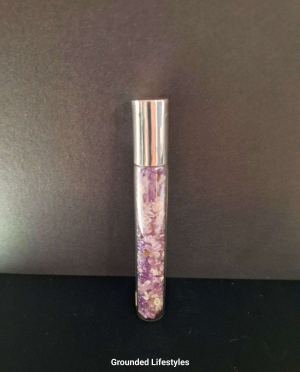
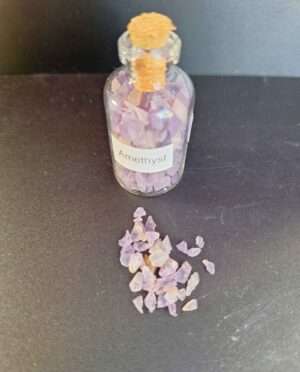
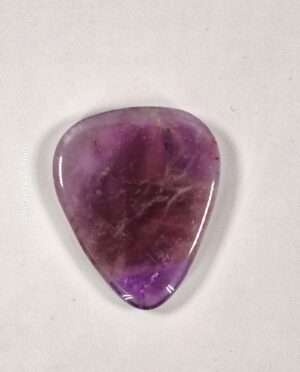
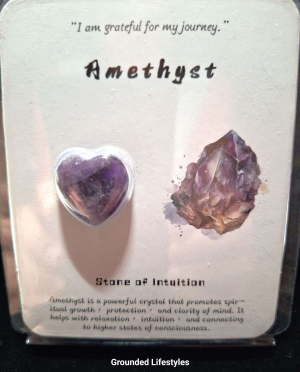
  • Amethyst: Intuition, calm, awareness

  • Rose Quartz: Compassion and harmony

  • Black Tourmaline: Grounding and protection

  • Selenite: Clearing and alignment

  • Copper Minerals: Transformation and creativity

These associations are cultural traditions rather than scientific claims.