Jasper is a colorful, opaque form of microcrystalline silica valued for its remarkable patterns, earthy colors, and wide variety of natural formations. Closely related to chalcedony and quartz, true jasper is composed primarily of silicon dioxide (SiO₂), with iron oxides, clay minerals, and other inclusions creating its distinctive reds, yellows, browns, greens, and patterned surfaces.
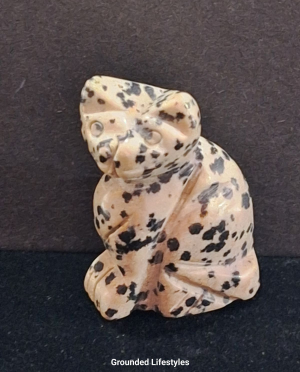
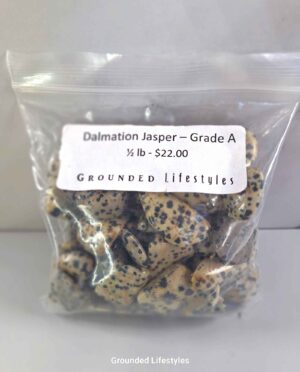
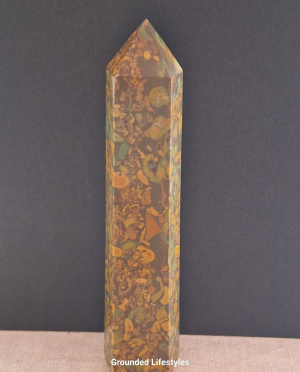
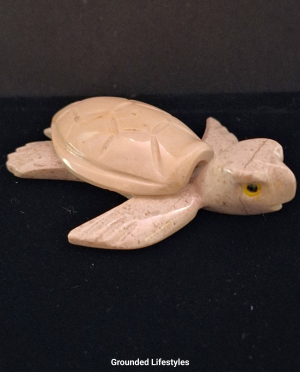
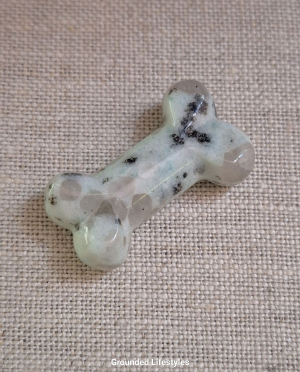
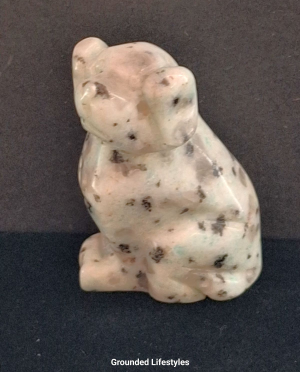
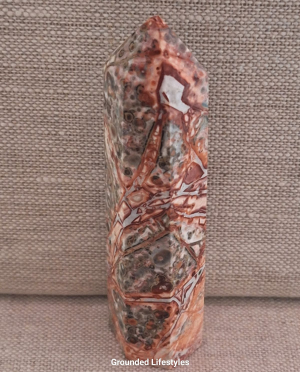
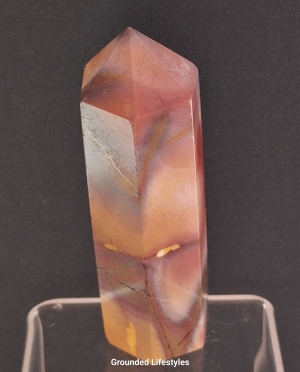
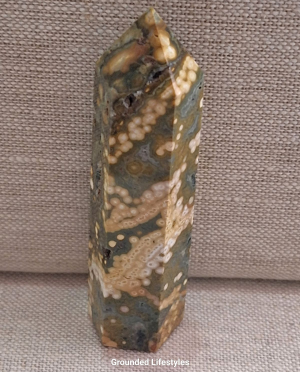
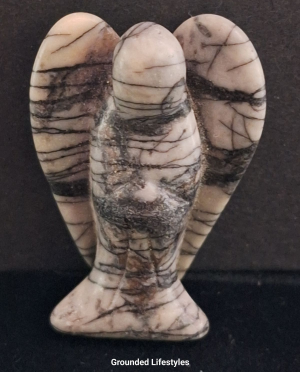
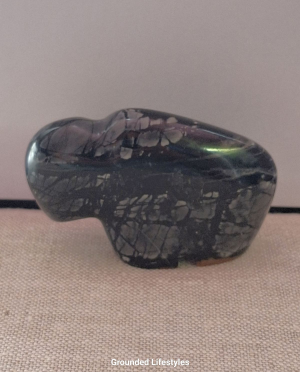
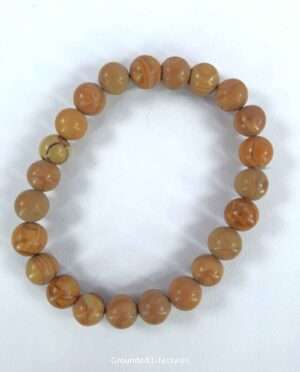
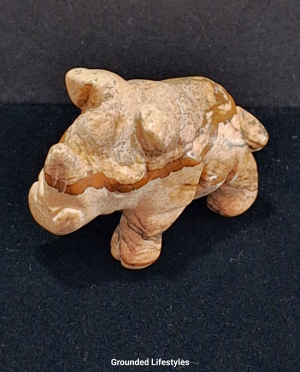
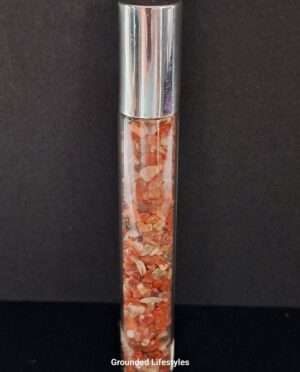
The Grounded Lifestyles Jasper collection includes natural and polished varieties such as Red Jasper, Picture Jasper, Mookaite Jasper, Ocean Jasper, Leopard Skin Jasper, Dalmatian Jasper, Kiwi Jasper, and other materials sold under traditional jasper trade names. Our selection ranges from tumbled stones and polished points to carvings, jewelry, and distinctive collector pieces.
Not every stone marketed as “jasper” is technically a true jasper. Names such as Turritella Jasper and Picasso Jasper are established lapidary and mineral-trade names for materials with different geological compositions. We retain familiar trade names so pieces are easy to identify and shop while providing accurate geological information whenever possible.
Jasper has been used for thousands of years for ornament, carving, jewelry, and decorative objects. Today it remains popular with mineral collectors and lapidary enthusiasts because no two pieces display exactly the same combination of color, pattern, inclusions, and natural character.
Quick Facts
All products below are individually selected. You receive the exact stone or lot shown.
Showing 1–16 of 19 results


Jasper forms when silica-rich material becomes densely packed with microscopic quartz and chalcedony crystals. Iron oxides, clay minerals, volcanic material, and other impurities can become incorporated during formation, producing the colors, bands, spots, and landscape-like patterns for which jasper is known.
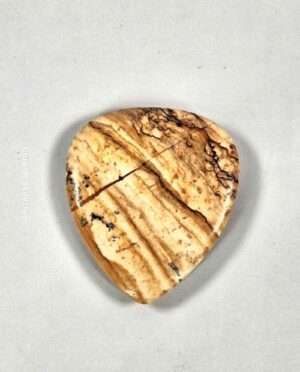
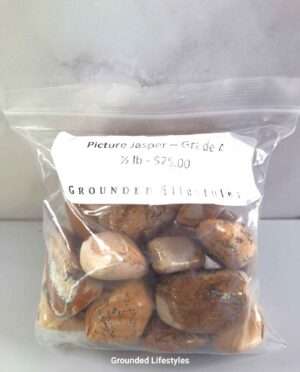
Different geological environments create dramatically different varieties. Red Jasper commonly owes its color to iron oxides, while Picture Jasper develops layered patterns that can resemble desert landscapes. Mookaite from Western Australia formed through silicification of ancient marine sediments and is known for rich red, yellow, cream, and burgundy coloration. Ocean Jasper from Madagascar is recognized for its distinctive orbicular patterns.
Because many materials have historically been given commercial names containing “jasper,” geological composition can vary between varieties. True jasper is primarily microcrystalline silica, while some trade-name jaspers are different rocks or mineral mixtures.
Jasper occurs worldwide, with many varieties recognized by their distinctive colors, patterns, and geographic origins.
Color and pattern can vary substantially even within the same variety, making individual pieces especially appealing for collecting, carving, and lapidary work.
Jasper is collected primarily for color, pattern, polish quality, locality, and visual character. Unlike transparent crystals, value is usually less about clarity and crystal termination and more about the quality and uniqueness of the material itself.
Look for strong natural patterns, attractive color contrast, minimal fractures, and a good polish on finished pieces. Varieties from recognized localities, particularly Mookaite from Western Australia and Ocean Jasper from Madagascar, may carry additional collector interest.
Because jasper patterns are naturally variable, individual specimens and carvings can differ considerably even when cut from the same material.
In metaphysical traditions, jasper is associated with grounding, stability, strength, and connection to the Earth. Different varieties have developed their own symbolic associations:
Jasper is commonly used in meditation, intention-setting, crystal grids, jewelry, and personal spaces. These associations come from spiritual and cultural traditions and are not scientific or medical claims.